10 Smart Tiny House Living Tips to Maximize Space
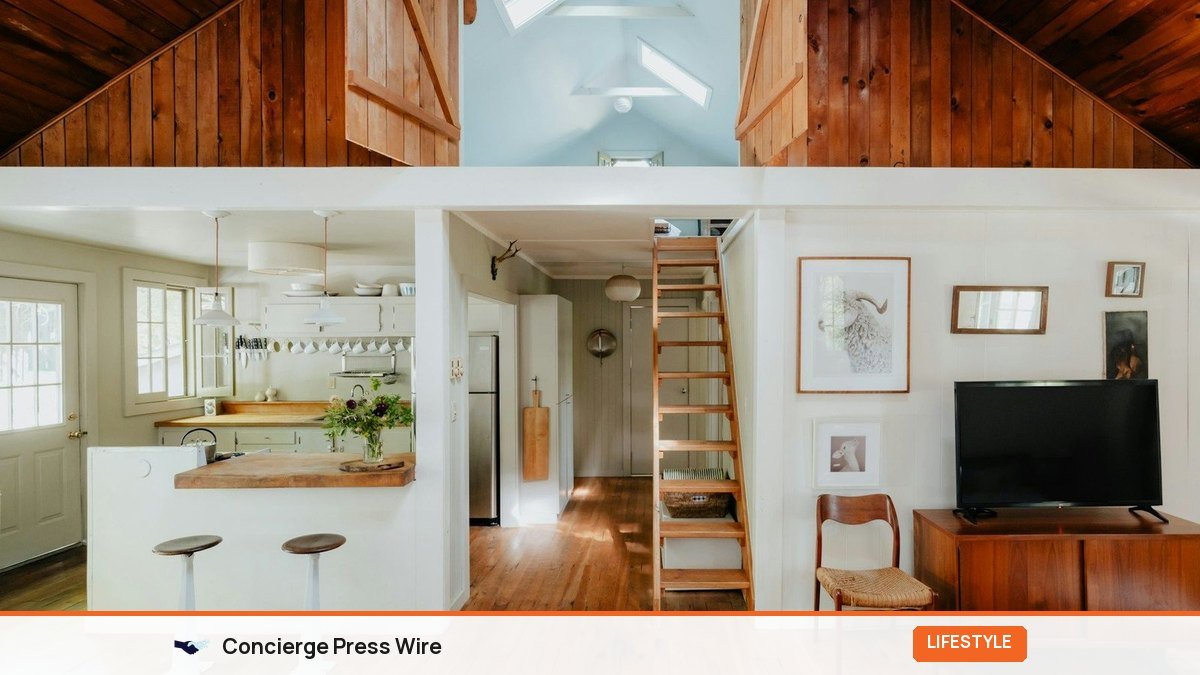
Living small doesn’t mean compromising on comfort. With tiny house living, people across the world are embracing minimalism, reducing expenses, and finding more freedom in how they live. But even with these benefits, the biggest challenge remains the same: space. How do you make a few hundred square feet feel open, functional, and livable? That’s exactly what this guide solves.
In this article, you’ll learn ten expert-backed strategies to help you maximize every corner of your tiny home. Whether you’re designing from scratch or working with an existing layout, these tips will help you organize smarter, store better, and create an environment that supports a stress-free lifestyle. We’ll explore real examples, small calculations for planning, layout suggestions, and common mistakes to avoid. By the end, you’ll have a clear blueprint to make tiny house living more efficient and enjoyable.
One of the biggest advantages of investing in motels for sale is operational flexibility. Owners can choose to self-manage or hire third-party management depending on their business goals. With fewer amenities than full-service hotels, motels typically have lower staffing and maintenance costs, which helps improve profit margins. This efficiency makes motels for sale especially appealing in competitive hospitality markets.
Tip 1 — Prioritize Vertical Storage for Maximum Efficiency
In tiny homes, floor space is limited, so the walls become your best asset. Prioritizing vertical storage helps you free up essential living areas without sacrificing convenience.
Use Full-Height Shelving
Installing shelves from floor to ceiling instantly increases your storage capacity. Items you use daily can stay at arm level, while seasonal or rarely used belongings go higher. A simple calculation: a 10-foot wall with 12-inch-deep shelving can store the equivalent of four large cabinets.
Add Wall-Mounted Organizers
Magnetic strips, pegboards, and mounted hooks work well in kitchens, bathrooms, and entryways. They keep small items accessible without cluttering surfaces.
Choose Tall, Slim Furniture
Think tall cabinets instead of wide drawers. A slim 18-inch-wide pantry cabinet can hold more than a 30-inch-wide base cabinet simply because it uses unused vertical volume.
Mini Summary:
Vertical storage keeps clutter off the ground and dramatically expands capacity in a small footprint.
Tip #2 — Use Multi-Functional Furniture to Double Space
Tiny house living thrives on smart furniture choices. Multi-functional pieces reduce the number of items in your home while increasing utility.
Pick a Sofa Bed or Murphy Bed
Instead of dedicating a whole room to sleep, a foldable bed turns your main floor into a flexible space. Modern versions fold neatly into walls or storage units.
Try Expandable Tables
Dining tables that fold, slide, or extend help you host guests without crowding everyday space. A wall-mounted drop-leaf table saves nearly 10 square feet.
Invest in Storage Ottomans
These pieces serve as footrests, seating, tables, and hidden storage. Perfect for blankets, electronics, or books.
Mini Summary:
Furniture that performs more than one job reduces clutter and makes every square foot more productive.
Tip #3 — Declutter Ruthlessly and Embrace Minimalism
One of the biggest secrets to effective tiny house living is owning less. Even the smartest design can’t overcome too much stuff.
Follow the “One In, One Out” Rule
Any time you bring in a new item, remove an old one. This maintains balance and prevents pile-ups.
Sort Belongings by Frequency of Use
Daily items deserve prime space, while rarely used ones can be stored higher or removed entirely.
Avoid Emotional Hoarding
Sentimental items tend to dominate small spaces. Keep only what truly matters and consider digital alternatives for photos, notes, or documents.
Mini Summary:
Clutter is the enemy of small-space living. Reducing possessions increases comfort and mobility inside the home.
Tip #4 — Optimize Kitchen Space With Clever Storage Solutions
The kitchen often becomes the most crowded area in a tiny home. Smart organization helps you keep it functional without feeling cramped.
Use Drawer Dividers and Pull-Out Trays
Instead of stacking utensils, divide them. Pull-out trays in cabinets also reduce wasted back-of-cabinet space.
Hang Pots, Pans, and Tools
Vertical pot racks or magnetic knife strips free drawer space while keeping essentials in reach.
Choose Stackable Cookware
Nesting bowls, stackable pots, and collapsible measuring cups reduce the number of pieces you need to store.
Mini Summary:
A well-designed kitchen keeps cooking enjoyable, efficient, and clutter-free.
Tip #5 — Design the Bathroom for Efficiency and Cleanliness
Bathrooms in tiny homes are usually compact, but good planning makes them surprisingly comfortable.
Install Wall-Mounted Cabinets
Floating cabinets open the floor visually and provide hygiene storage without adding bulk.
Use Over-the-Toilet Shelving
This area is often overlooked yet ideal for extra towels or baskets.
Opt for Compact Fixtures
Corner sinks, sliding barn-door showers, and tankless toilets save space without compromising usability.
Mini Summary:
A smart bathroom layout increases both cleanliness and comfort through efficient design.
Tip #6 — Make Every Corner Count With Built-In Storage
Corners often go unused, but in tiny houses they’re valuable real estate.
Add Corner Shelving
Install triangular shelves for plants, toiletries, or books. A single corner can hold 8–12 items.
Create Built-In Seating
Window seats or corner benches double as seating and storage.
Use Staircase Storage
If your tiny home has a loft, turn the staircase into pull-out drawers or cabinets.
Mini Summary:
Built-in solutions give you storage without sacrificing style or movement.
Tip #7 — Improve Natural Lighting to Make Spaces Feel Larger
Lighting influences how large a space feels—especially in small homes.
Use Larger Windows or Skylights
More natural light makes rooms appear open. A skylight can brighten 25–40 square feet with no floor footprint.
Choose Light Colors for Walls and Floors
Light shades reflect rather than absorb sunlight, creating the illusion of space.
Add Mirrors Strategically
Mirrors bounce light around the room and visually double the size.
Mini Summary:
Good lighting makes your tiny home feel brighter, bigger, and more welcoming.
Tip #8 — Create Distinct Zones Without Walls
Tiny homes benefit from open layouts, but you still need functional “zones.”
Use Rugs to Separate Areas
A rug under the dining area signals a visual boundary without adding walls.
Arrange Furniture by Activity
Place a sofa facing the living area, a desk by the window, and a bench near the entry.
Use Partial Dividers
Half-walls, plants, or bookshelves separate zones without blocking light or airflow.
Mini Summary:
Smart zoning keeps your space organized and helps your home feel structured, not chaotic.
Tip #9 — Build Outdoor Extensions to Expand Living Space
You may not be able to increase square footage inside, but you can expand outside.
Create a Deck or Patio
Even a small 6×10 deck adds 60 square feet of usable space.
Add Outdoor Storage Boxes
Weatherproof boxes hold tools, shoes, or cleaning supplies you don’t need indoors.
Use Folding Furniture Outdoors
Foldable chairs and tables allow you to enjoy nature without cluttering the area.
Mini Summary:
Outdoor extensions give you breathing room and expand your home’s functional footprint.
Tip #10 — Maintain a Cleaning and Organization Routine
Tiny house living works best when maintained daily. Letting clutter pile up even for 48 hours can make the space feel overwhelming.
Assign a Home for Every Item
Label bins, arrange zones, and make sure each item has a designated place.
Follow a 10-Minute Daily Reset
A short routine keeps the home fresh and prevents messes from growing.
Weekly Deep Cleaning
Polish surfaces, restock essentials, and remove things you haven’t used in the past month.
Mini Summary:
A simple routine ensures your tiny home always stays functional, clean, and peaceful.
Conclusion
Tiny house living is powerful because it blends simplicity with intentional design. When you maximize space, reduce clutter, and create smart zones, your home becomes more efficient and more enjoyable. These ten tips offer a clear roadmap—whether you’re downsizing, building new, or optimizing an existing tiny home. Start with one tip, build momentum, and soon your tiny house will feel larger, brighter, and more aligned with your lifestyle.
FAQs
1. What is the biggest challenge in tiny house living?
The most common challenge is limited space. However, with smart organization and multi-functional furniture, you can significantly increase usable areas.
2. How do I maximize storage in a tiny home?
Use vertical shelves, built-in cabinets, and multi-purpose furniture. Every surface and corner can be used creatively.
3. Are tiny homes practical for families?
Yes, but they require thoughtful zoning and efficient storage systems. Many families create loft bedrooms to expand sleeping areas.
4. How can I make a tiny house look bigger?
Increase natural lighting, use light-colored paint, and add mirrors. Open layouts also help spaces appear larger.
5. What are the best tiny house living hacks for kitchens?
Hanging racks, pull-out drawers, and stackable cookware help you maximize cabinet space while keeping items accessible.
6. Can outdoor space improve tiny house living?
Absolutely. Decks, patios, and outdoor storage boxes extend your functional living area without altering the interior.
7. What furniture works best in tiny homes?
Choose expandable tables, Murphy beds, storage ottomans, and foldable pieces to make the most of your space.