Diwali 2026 Home Decoration Ideas on a Budget
Room-by-room Diwali 2026 decoration ideas for every budget, with festival dates, DIY projects, a shopping guide and a week-by-week plan.
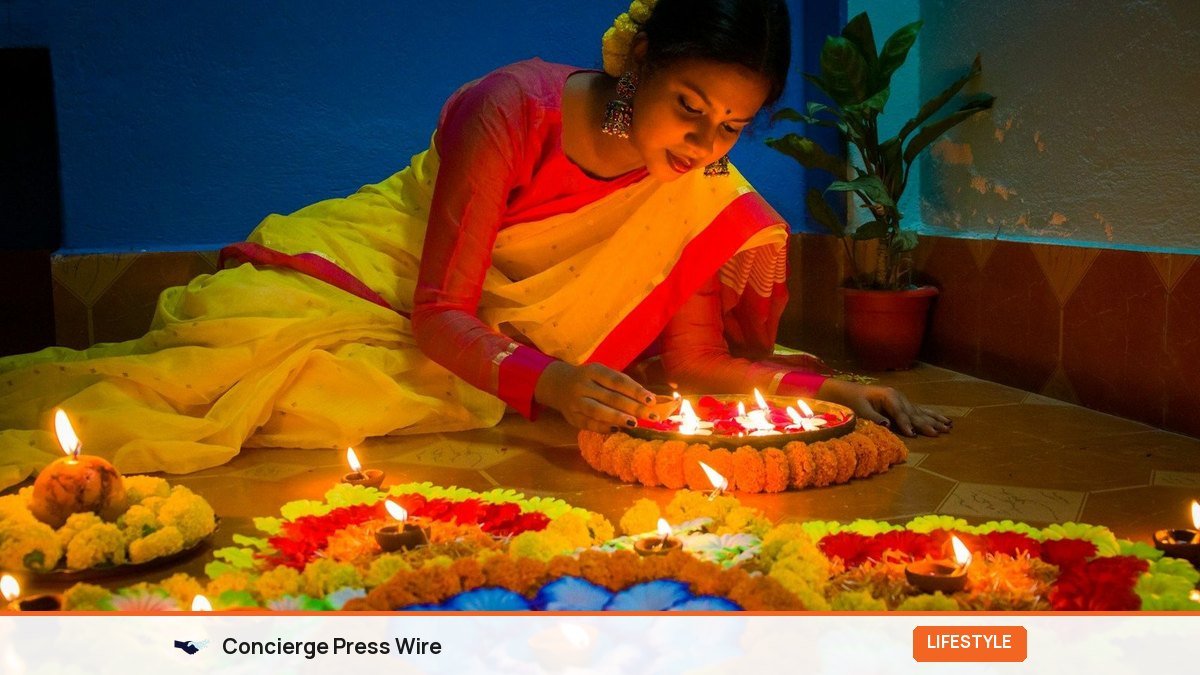
Diwali 2026 falls on Sunday, 8 November, which gives you about six weeks to plan decorations that look festive without draining the bonus. This guide gives you room-by-room ideas, a sample budget for Rs 2,000, Rs 5,000 and Rs 10,000, a week-by-week plan, and the easy DIY projects that give the most glow for the least money.
Key Takeaways
- Lakshmi Puja is on Sunday, 8 November 2026. Dhanteras is on 6 November and Bhai Dooj on 11 November.
- Spend most of your budget on lighting and the entrance. These two areas create the festive feel that guests notice first.
- Reuse and upcycle: glass jars, old dupattas, steel thalis and brass lotas make excellent decor.
- Buy diyas, flowers and rangoli colours from local markets rather than online festive sales for better prices and fresher stock.
- Keep safety in mind: never leave diyas near curtains, and check old fairy lights for damaged wires before use.
Diwali 2026 Dates to Plan Around
The festival runs over five days, and knowing the dates helps you time your cleaning, shopping and decorating. According to Drik Panchang’s Diwali 2026 calendar, the key dates are:
| Festival day | Date | Decor to have ready |
|---|---|---|
| Dhanteras | Friday, 6 November 2026 | Entrance toran, first diyas, cleaned puja area |
| Kali Chaudas / Choti Diwali | Saturday, 7 November 2026 | Fairy lights up, rangoli planned |
| Lakshmi Puja (Diwali) | Sunday, 8 November 2026 | Full rangoli, diyas everywhere, puja thali, flowers |
| Govardhan Puja | Tuesday, 10 November 2026 | Refresh flowers |
| Bhai Dooj | Wednesday, 11 November 2026 | Tidy living room for family visits |
Regional traditions vary, as the history and regional customs of Diwali show. In Gujarat, for example, the New Year (Bestu Varas) follows Diwali, and in Maharashtra celebrations begin with Vasu Baras. Check your local panchang or family priest for exact puja timings in your city.
Set a Budget and Split It Smartly
The biggest budget mistake is buying decor item by item as you see it, then realising the balcony and entrance still look bare on Choti Diwali. Decide your total first, then split it.
A practical split for most homes:
- Lighting (diyas, fairy lights, candles): about 35-40% of the budget.
- Entrance (toran, rangoli, doormat, nameplate refresh): about 20-25%.
- Flowers: about 15%. Marigold is cheap and goes a long way.
- Living room and puja corner accents (cushion covers, table runners, urli): about 15-20%.
- Buffer for last-minute items: about 5%.
Here is how that could look at three budget levels. Prices vary a lot by city and market, so treat these as rough planning figures.
| Item | Rs 2,000 home | Rs 5,000 home | Rs 10,000 home |
|---|---|---|---|
| Diyas and candles | Plain clay diyas you paint yourself, tea lights | Painted diyas plus a few brass diyas | Brass diyas, floating candles, lanterns |
| Fairy lights | Reuse last year’s strings, add one new | 3-4 new warm white strings | Curtain lights for balcony plus strings |
| Entrance | DIY marigold toran, chalk-and-colour rangoli | Ready toran plus rangoli colours and stencils | Fresh flower toran, rangoli with flowers and diyas |
| Flowers | Loose marigold for toran and puja | Marigold plus some roses and mogra | Flower urli, fresh garlands in multiple rooms |
| Living room | Rearranged furniture, dupatta drapes | New cushion covers, table runner | Cushions, runner, statement lantern or urli |
Entrance Ideas That Make the Biggest Impression
Guests, neighbours and the Lakshmi Puja tradition all focus on the doorway. If you only decorate one area properly, make it this one.
Toran
A fresh marigold and mango-leaf toran costs little if you buy loose flowers from the local mandi and string them yourself. For longer life, combine a few fresh flowers with a reusable fabric or bead toran as the base. Hang it on Dhanteras morning and replace the fresh parts on Diwali day.
Rangoli
- Save money with a base colour: use white rangoli powder or rice flour for outlines and only buy two or three bright colours for filling.
- Flower rangoli: marigold petals, rose petals and a few green leaves create a richer look than powder alone, and cost less if you use flowers that fall from garlands.
- Stencils and pre-cut shapes: good for beginners and tight entrances in apartments.
- Rangoli with diyas: place five or seven diyas around the design for Diwali night. It turns a simple design into a glowing centrepiece.
Footprints of Lakshmi
Many families draw small footprints, or paste ready-made stickers, from the entrance to the puja area. Rice-flour paste with a touch of kumkum costs almost nothing.
Lighting: Where to Spend and Where to Save
Lighting is the heart of Diwali decor. A room with warm, layered lights looks festive even if nothing else is new.
- Clay diyas: buy plain ones from local potters, often available near markets in October, and paint them with acrylic colours at home. It is a good activity for children.
- Warm white over multicolour: warm white fairy lights look more elegant, especially in photographs, and can be reused for weddings and parties through the year.
- Glass jar lanterns: fill old jam or pickle jars with fairy lights or a tea light. Wrap the neck with jute string or a strip of old saree fabric.
- Floating diyas: a brass or steel bowl filled with water, rose petals and floating candles makes a centrepiece for the dining or coffee table.
- Balcony and windows: a single string of curtain lights on the balcony railing is visible from the street and does more than several small lamps inside.
Use LED lights to keep electricity bills low, and buy from shops that let you test the strings before paying.
Room-by-Room Ideas
Living room
- Swap cushion covers for silk, brocade or bright cotton ones. Covers are far cheaper than new cushions.
- Drape an old bandhani or silk dupatta over a side table or as a table runner.
- Create a corner with a brass urli filled with water, flowers and floating candles.
- Declutter. Clearing the coffee table and shelves is free and makes every decoration look better.
Puja corner
- Clean and polish brass and silver items a week before. Tamarind or lemon with salt works well on brass.
- Use a fresh red or yellow cloth under the idols.
- Add a small backdrop of marigold strings or a fabric backdrop with fairy lights behind it.
- Keep a steel or brass thali ready with diyas, kumkum, rice, flowers and sweets on Diwali morning.
Dining area
- Use a runner and a low arrangement of diyas and flowers so guests can still see each other across the table.
- Serve sweets and dry fruits in your good steel or brass bowls instead of buying new decorative platters.
Balcony
- A row of diyas on the ledge, a string of lights on the railing, and a small rangoli at the door is enough.
- Hang one or two paper lanterns (akash kandil) for a traditional Maharashtrian touch.
Small apartments and rented homes
Use removable hooks and tape instead of nails, stick-on rangoli or a rangoli on a large board that can be moved, and battery-operated lights where sockets are limited.
Six Easy DIY Projects
- Painted diyas: buy plain clay diyas, paint with acrylics, and add small mirrors or kundan stickers with fabric glue.
- Bangle candle stand: stack old glass bangles around a steel glass or small jar and place a tea light inside.
- Paper lanterns: fold coloured chart paper into lanterns and hang them with a single LED bulb or fairy lights.
- Flower urli: any wide bowl, steel or brass, filled with water, petals and floating candles.
- Saree curtain backdrop: an old silk saree hung behind the puja area or on a wall, lit with fairy lights.
- Jar lanterns: clean jam or pickle jars, add fairy lights or tea lights, and tie with jute or ribbon.
These projects use things most Indian homes already have, and each can be done in an evening.
Where to Shop for Decor Without Overspending
Where you buy matters almost as much as what you buy. The same string of lights or packet of rangoli colour can cost very different amounts depending on the shop and the week.
- Local wholesale markets: most cities have a market area that turns into a festive bazaar in October, such as the lanes around Sadar Bazaar in Delhi or Crawford Market in Mumbai. Prices are usually lower when you buy in quantity, so split a large pack of diyas or lights with a neighbour.
- Local potters and artisans: clay diyas bought directly from potters are cheaper than packaged sets, and your money goes straight to the maker.
- Flower mandis: go early in the morning for loose marigold and mango leaves. Mandi prices are typically well below those of the flower stall near your building.
- Online sales: useful for cushion covers, table runners and LED lights, where you can compare prices. Order at least ten days before Dhanteras, since festive-season deliveries slow down.
- Your own cupboard: before buying anything, pull out last year’s decor, old sarees, dupattas, brass items and jars. Most families find they need far less than they thought.
One more money saver: after Diwali, festive decor is often discounted. Buy good-quality fairy lights, brass diyas or a reusable toran in the post-festival sale and store them carefully for next year. Wrap light strings around a piece of cardboard so they do not tangle, and pack diyas in newspaper inside a box.
A Week-by-Week Plan to Avoid the Last-Minute Rush
| When | What to do |
|---|---|
| Early to mid-October | Deep clean, declutter, test old fairy lights, list what you already have |
| Third week of October | Buy clay diyas, rangoli colours, cushion covers; start DIY projects |
| Last week of October | Finish DIY items, polish brass, plan rangoli design |
| 1-5 November | Put up fairy lights and lanterns; buy non-perishable items |
| 6 November (Dhanteras) | Hang toran, light first diyas, set up puja corner |
| 7-8 November | Buy fresh flowers, make rangoli, place diyas for Lakshmi Puja |
Buy flowers only a day or two before use. Marigold prices tend to rise sharply right before Diwali, so some families buy early and keep garlands in a cool place, sprinkled with water.
Safety Tips for a Glowing, Safe Diwali
- Keep diyas and candles away from curtains, dupattas, paper lanterns and anywhere children or pets can knock them over.
- Place diyas on a steel plate or tray, not directly on wooden furniture.
- Check fairy lights for cut wires, loose plugs and burnt bulbs. Do not overload one socket with multiple strings.
- Switch off decorative lights when you go to sleep or leave home.
- Keep a bucket of water or sand near the area where you light diyas or crackers.
- If you buy firecrackers, follow local rules, which vary between states and cities.
Frequently Asked Questions
When is Diwali in 2026?
Diwali, the day of Lakshmi Puja, falls on Sunday, 8 November 2026. Dhanteras is on Friday, 6 November and Bhai Dooj on Wednesday, 11 November. Puja muhurat timings vary by city, so check a local panchang.
How can I decorate my home for Diwali under Rs 2,000?
Focus on the entrance and lighting. Paint plain clay diyas, reuse last year’s fairy lights, make a marigold toran at home, draw a rangoli with rice flour and a few colours, and use old sarees and dupattas as drapes.
Which lights are best for Diwali decoration?
Warm white LED fairy lights are energy-efficient, look elegant and can be reused all year. Combine them with clay or brass diyas for the traditional glow.
How do I keep flower decorations fresh till Diwali?
Buy flowers one or two days before use, keep them in a cool, shaded spot, sprinkle them with water, and store garlands wrapped in a damp cotton cloth overnight.
What is an easy rangoli idea for beginners?
Use a stencil or draw a simple circle with a flower in the centre using rice flour. Fill it with two or three colours or flower petals, and place diyas around the edge on Diwali night.
Can I decorate a rented flat without damaging walls?
Yes. Use removable adhesive hooks, tape for light strings, standing lanterns, rangoli boards or stickers, and furniture-based decor like runners and cushions.
Make It Bright, Not Expensive
A beautiful Diwali home comes from light, flowers, cleanliness and a little creativity, not from a big shopping bill. Fix your budget, give most of it to lighting and the entrance, reuse what you already own, and start early enough that Diwali week is for family and puja, not for rushing between shops. Wishing you and your family a happy and safe Diwali.