Gajar Ka Halwa Recipe and 8 Winter Sweets to Make at Home
A no-fail gajar ka halwa recipe and eight more winter sweets, from moong dal halwa to til and gond laddoo, with quantities, timings and how long each keeps.
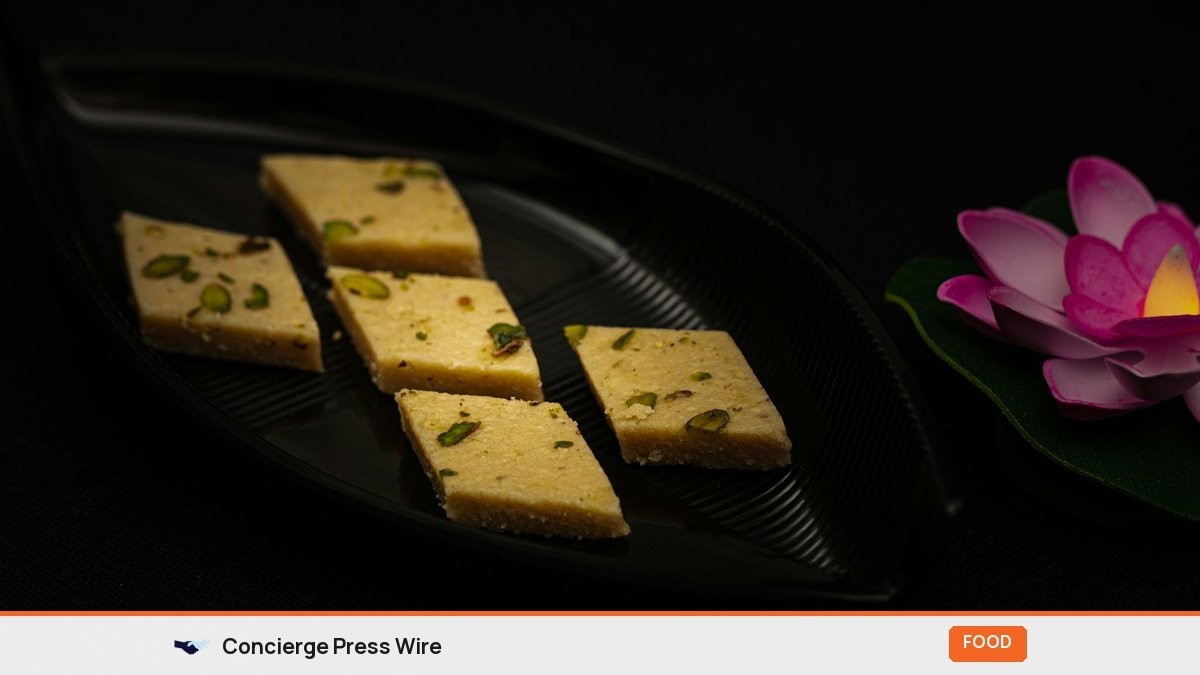
The easiest way to make gajar ka halwa at home is to grate 1 kg of juicy red carrots, cook them in 1 litre of full-cream milk until it is absorbed, then add sugar and ghee and stir until the halwa turns glossy. It takes about 75 minutes and keeps for 3 to 4 days in the fridge. Below you get that recipe step by step, plus eight more winter sweets (moong dal halwa, shakarkandi halwa, til laddoo, gond laddoo, methi laddoo, atta pinni, peanut chikki and khajur rolls) with quantities, timings and a storage table.
Key Takeaways
- For gajar ka halwa, add sugar only after the milk has almost dried up. Sugar added early releases water and makes the halwa soggy.
- Milk-based sweets like gajar halwa are best kept in the fridge and eaten within a few days. Dry, low-moisture sweets like til laddoo and chikki last much longer in an airtight jar.
- Gond laddoo uses edible gum from the babool tree (gond), which is fried until it puffs. Gond katira is a different ingredient and is not a substitute.
- Jaggery-based sweets (til laddoo, chikki, pinni) need the jaggery syrup at the right stage. Drop a little in water: if it sets hard and snaps, it is ready.
- ICMR-NIN’s 2024 dietary guidelines advise adults to avoid sugar or keep it to 20 to 25 g a day, so treat these as small festive portions.
Updated October 2026. Recipes are written for a home kitchen with a heavy kadhai and a gas stove. Cooking times are approximate.
Quick answer: 9 winter sweets at a glance
Use this table to pick a sweet by the time you have and how long you need it to last. “Keeps for” is a practical home guide, not a lab-tested shelf life.
| Sweet | Main ingredients | Active time | Keeps for (approx.) |
|---|---|---|---|
| Gajar ka halwa | Red carrots, milk, sugar, ghee | 75 min | 3 to 4 days in the fridge |
| Moong dal halwa | Soaked moong dal, ghee, milk, sugar | 60 min | 4 to 5 days in the fridge |
| Shakarkandi halwa | Sweet potato, ghee, jaggery or sugar | 35 min | 2 to 3 days in the fridge |
| Til laddoo | White sesame, jaggery, peanuts | 30 min | 2 to 3 weeks, airtight |
| Gond laddoo | Edible gum, wheat flour, ghee, dry fruits | 50 min | 2 to 3 weeks, airtight |
| Methi laddoo | Fenugreek seeds, wheat flour, jaggery, ghee | 50 min | 2 to 3 weeks, airtight |
| Atta pinni | Wheat flour, ghee, sugar or jaggery, nuts | 40 min | 2 weeks, airtight |
| Peanut chikki | Roasted peanuts, jaggery | 25 min | 3 to 4 weeks, airtight and dry |
| Khajur dry-fruit roll | Seedless dates, nuts, a little ghee | 20 min | 1 to 2 weeks, airtight; longer in the fridge |
Gajar ka halwa: step-by-step recipe
This is the classic North Indian version, slow-cooked in milk. It serves 6 to 8 people.
Ingredients
- 1 kg red carrots (the long, deep red winter variety gives the best colour and sweetness)
- 1 litre full-cream milk
- 150 to 200 g sugar, depending on how sweet the carrots are
- 4 tablespoons ghee
- 100 g khoya (mawa), crumbled (optional, for a richer halwa)
- 5 to 6 green cardamoms, seeds crushed
- A handful of cashews, almonds and raisins
Method
- Prepare the carrots. Wash, peel and trim the carrots. Grate them on the thick side of the grater. If the core is very hard and pale, grate around it and discard it.
- Cook in milk. Put the grated carrots and milk in a wide, heavy kadhai. Bring to a boil on high heat, then lower to medium. Stir every 4 to 5 minutes and scrape the sides so the milk solids go back into the pan.
- Reduce. Keep cooking for 40 to 50 minutes until almost all the milk is absorbed and the carrots look thick and moist, not wet.
- Add sugar. Stir in the sugar. It will melt and the mixture will look runny again. Cook for another 10 to 12 minutes until this moisture dries up.
- Add ghee and khoya. Add ghee and the crumbled khoya. Stir-fry on medium heat for 8 to 10 minutes. The halwa will turn glossy and start leaving the sides of the pan.
- Finish. Fry the nuts and raisins in a teaspoon of ghee in a small pan and fold them in with the cardamom. Serve warm.
Tips that make a real difference
- Do not rush the milk stage. Most watery halwa comes from adding sugar too early.
- Taste the carrots first. Sweet winter carrots may need only 150 g sugar. Orange “English” carrots usually need more and give a lighter colour.
Two more halwas: moong dal and shakarkandi
Moong dal halwa
This is the wedding-season favourite. It needs patience and steady stirring, but the method is simple.
You need: 1 cup yellow moong dal, 3/4 cup ghee, 1 cup milk mixed with 1 cup water, 3/4 cup sugar, a pinch of saffron, 4 cardamoms and chopped almonds.
- Soak the dal for 4 to 5 hours. Drain completely and grind to a coarse paste with very little or no water.
- Heat the ghee in a heavy kadhai on low to medium flame. Add the dal paste. It will look lumpy and sticky at first.
- Stir continuously for 30 to 40 minutes. The dal will turn grainy, then golden brown, and the ghee will start separating. Do not leave the stove at this stage; it burns quickly.
- Meanwhile, warm the milk-water mixture with the sugar and saffron until the sugar dissolves.
- Pour this slowly into the roasted dal, standing back because it splutters. Keep stirring until the liquid is absorbed and the halwa leaves the pan, about 8 to 10 minutes.
- Add cardamom and almonds. Serve hot.
Shakarkandi (sweet potato) halwa
Sweet potatoes are cheap and plentiful in winter, and this halwa is ready in about 35 minutes.
- Boil or pressure cook 500 g sweet potatoes until soft (2 to 3 whistles). Peel and mash while warm.
- Heat 3 tablespoons ghee. Add the mash and stir on medium heat for 8 to 10 minutes until it smells nutty.
- Add 1/2 cup grated jaggery or sugar and 1/2 cup milk. Stir until thick and glossy, about 8 minutes.
- Finish with cardamom and chopped nuts. Taste before adding all the jaggery.
Winter laddoos: til, gond, methi and atta pinni
Laddoos are the most practical winter sweets because most of them are low in moisture and keep well.
Til laddoo (sesame and jaggery)
You need: 1 cup white sesame seeds, 1/2 cup roasted peanuts (lightly crushed, optional), 3/4 cup grated jaggery, 1 teaspoon ghee, 2 tablespoons water, 1/2 teaspoon cardamom powder.
- Dry roast the sesame on low heat, stirring constantly, until it starts popping and turns light golden, about 5 to 6 minutes. Spread on a plate to cool.
- In the same pan, melt the jaggery with ghee and water on low heat. Let it bubble for 3 to 4 minutes.
- Check the stage: drop a little syrup into a bowl of water. If it forms a firm ball that you can roll, it is ready. If it is too soft, cook another minute.
- Switch off the flame, add sesame, peanuts and cardamom, and mix fast.
- Grease your palms with ghee or dip them in cold water, and shape small laddoos while the mix is still warm.
Gond laddoo
Gond laddoo is a traditional Punjabi and Rajasthani winter sweet, often given to new mothers. Use edible gum (gond, from the babool or acacia tree), which puffs up when fried. Do not confuse it with gond katira, which is used in summer drinks and does not puff.
You need: 1/2 cup edible gum, 1 cup whole wheat flour, 3/4 cup ghee, 3/4 cup powdered sugar or jaggery powder, 1/2 cup desiccated coconut, 1/2 cup chopped almonds and cashews, 1 teaspoon cardamom powder.
- Heat half the ghee. Fry the gond in small batches on medium-low heat until each piece puffs up and turns white, about 1 minute per batch. Drain and crush lightly once cool.
- In the remaining ghee, roast the wheat flour on low heat for 15 to 20 minutes until it turns golden and smells nutty.
- Lightly roast the coconut and nuts separately.
- Mix everything in a large bowl. When the mix is warm but not hot, add the sugar and cardamom. Adding sugar to hot flour melts it and makes the laddoos sticky.
- Press into firm laddoos. If the mix does not bind, add a tablespoon of warm ghee.
Methi laddoo
Methi laddoo is bitter-sweet and very much an acquired taste.
- Soak 1/4 cup fenugreek seeds in 1/2 cup warm milk overnight, or grind them to a coarse powder and soak the powder in milk for 6 to 8 hours.
- Roast 1 cup wheat flour in 1/2 cup ghee until golden. Add the soaked methi and cook for 5 minutes.
- Add 1/4 cup fried and crushed gond, 1/2 cup chopped dry fruits and 1 teaspoon each of dry ginger powder (sonth) and cardamom.
- Melt 1 cup jaggery with a tablespoon of ghee, pour it over, mix and shape the laddoos while warm.
Atta pinni (Punjabi pinni)
- Roast 2 cups whole wheat flour in 3/4 cup ghee on low heat for 20 to 25 minutes until deep golden and fragrant.
- Add 1/2 cup chopped almonds, 2 tablespoons melon seeds (magaz) and 2 tablespoons fried gond (optional).
- Let it cool until warm, then mix in 1 cup powdered sugar or fine jaggery powder.
- Shape into oval or round pinnis by pressing firmly in your fist.
No-fuss sweets: peanut chikki and khajur dry-fruit rolls
Peanut chikki
- Roast 1 cup peanuts, rub off the skins and split them roughly.
- Grease a steel plate or the back of a thali, and a rolling pin.
- Melt 3/4 cup jaggery with 1 teaspoon ghee on low heat. Stir until it turns frothy and slightly darker, 4 to 6 minutes.
- Test a drop in cold water. It should turn hard and snap with a click. If it bends, cook for another 30 seconds and test again.
- Add the peanuts, mix quickly, tip onto the greased plate and roll to about 1/2 cm thickness.
- Mark squares with a knife while warm. Break them once fully cool.
Khajur dry-fruit rolls (no added sugar)
This one needs no syrup at all. The dates bind everything, which is why it is popular as a “no added sugar” sweet. Remember that dates themselves are high in natural sugar.
- Roast 1/2 cup chopped almonds, 1/4 cup cashews and 2 tablespoons pistachios in 1 teaspoon ghee. Set aside.
- Chop 250 g soft seedless dates. Cook them in 1 teaspoon ghee on low heat, pressing with a spatula, for 4 to 5 minutes until they form a soft mass.
- Add the nuts and a pinch of cardamom. Mix well.
- When cool enough to handle, shape into a log, roll in poppy seeds or desiccated coconut, wrap in butter paper and chill for an hour. Slice into rounds.
How to store winter sweets so they stay fresh
The general rule is simple: the more milk and moisture a sweet has, the shorter its life. India’s food regulator, FSSAI, makes the same point in its guidance note on traditional milk products, which says sweets with milk products have a shorter shelf life of about 1 to 4 days and are more prone to microbial growth. Its illustrative list for sweet shops puts khoya burfi and peda at around 4 days, ghee and dry fruit sweets such as dry fruit ladoo and atta ladoo at around 7 days, and dry sweets like besan laddoo, gajak and chikki at around 30 days.
| Type of sweet | Examples from this list | Where to store | Signs it has gone bad |
|---|---|---|---|
| Milk-heavy halwa | Gajar halwa, shakarkandi halwa | Fridge, in a steel or glass box with a lid | Sour smell, slimy surface, white or green spots |
| Ghee-roasted halwa | Moong dal halwa | Fridge; reheat portions in a pan | Rancid or sour smell, change in taste |
| Ghee and flour laddoos | Gond, methi, atta pinni | Airtight jar at room temperature in winter | Rancid, “old ghee” smell |
| Jaggery and seed sweets | Til laddoo, chikki | Airtight jar, away from moisture | Turning soft and sticky, rancid nuts |
| Date-based rolls | Khajur dry-fruit roll | Airtight box; fridge if your kitchen is warm | Fermented smell, mould |
Freezing and reheating gajar halwa
- Gajar halwa freezes reasonably well for about a month. Freeze it in small portions so you only thaw what you need.
- Thaw overnight in the fridge. Reheat in a pan with a tablespoon of milk and a few drops of ghee, stirring until hot right through.
- Never leave milk-based halwa at room temperature overnight, even in winter.
How to make these sweets a little lighter
Winter sweets are rich by design. If you want to enjoy them without overdoing it, small changes help more than “diet” versions that nobody likes.
- Watch the portion, not just the recipe. The ICMR-NIN Dietary Guidelines for Indians (2024) recommend that adults avoid sugar or restrict it to 20 to 25 g a day. A single bowl of halwa can cross that, so serve small katoris.
- Cut sugar by a quarter. In gajar halwa and sweet potato halwa, the vegetable already brings sweetness. Most people do not notice a 25 percent cut.
- Make laddoos smaller. A walnut-sized laddoo instead of a lemon-sized one halves the portion without anyone feeling cheated.
If you have diabetes or any health condition, please consult your doctor about how much sweet food is right for you.
Frequently Asked Questions
Why is my gajar ka halwa watery?
Usually because sugar was added before the milk had dried up, or the halwa was not cooked long enough after adding sugar. Keep cooking on medium heat, stirring, until the moisture evaporates and the ghee starts to separate at the edges.
Can I make gajar halwa with condensed milk?
Yes. Cook the grated carrots in ghee for 10 minutes, add about 1 cup milk and cook until absorbed, then add 3/4 to 1 cup sweetened condensed milk and skip most of the sugar. It is faster, about 40 minutes, but sweeter and less traditional in taste.
Which carrots are best for gajar ka halwa?
The long red carrots sold in winter in North and Central India give the best colour and natural sweetness. Orange carrots work too, but you may need a little more sugar and the halwa will be lighter in colour.
How long does til laddoo last?
Kept dry in an airtight jar, home-made til laddoo usually stays good for 2 to 3 weeks. If they become sticky, the jar has let in moisture. If they smell rancid, the sesame or peanuts have gone off and should be thrown away.
Is gond katira the same as gond for laddoos?
No. Gond for laddoos is edible gum from the acacia (babool) tree, which puffs up when fried in ghee. Gond katira comes from a different plant, is soaked in water and used in cooling summer drinks. It will not puff and should not be used in gond laddoo.
Start with one sweet this weekend
If you only make one thing this winter, make gajar ka halwa when the red carrots are at their best, and follow the order: milk first, sugar second, ghee last. If you want something that lasts, a jar of til laddoo or chikki takes under 30 minutes. Pick one recipe, make a small batch, adjust the sweetness to your family’s taste, and write your changes in the margin for next year.