Health Insurance Claim Process in India: Cashless and Reimbursement
A clear walkthrough of cashless and reimbursement health insurance claims in India, the papers you need, why claims get rejected and how to escalate.
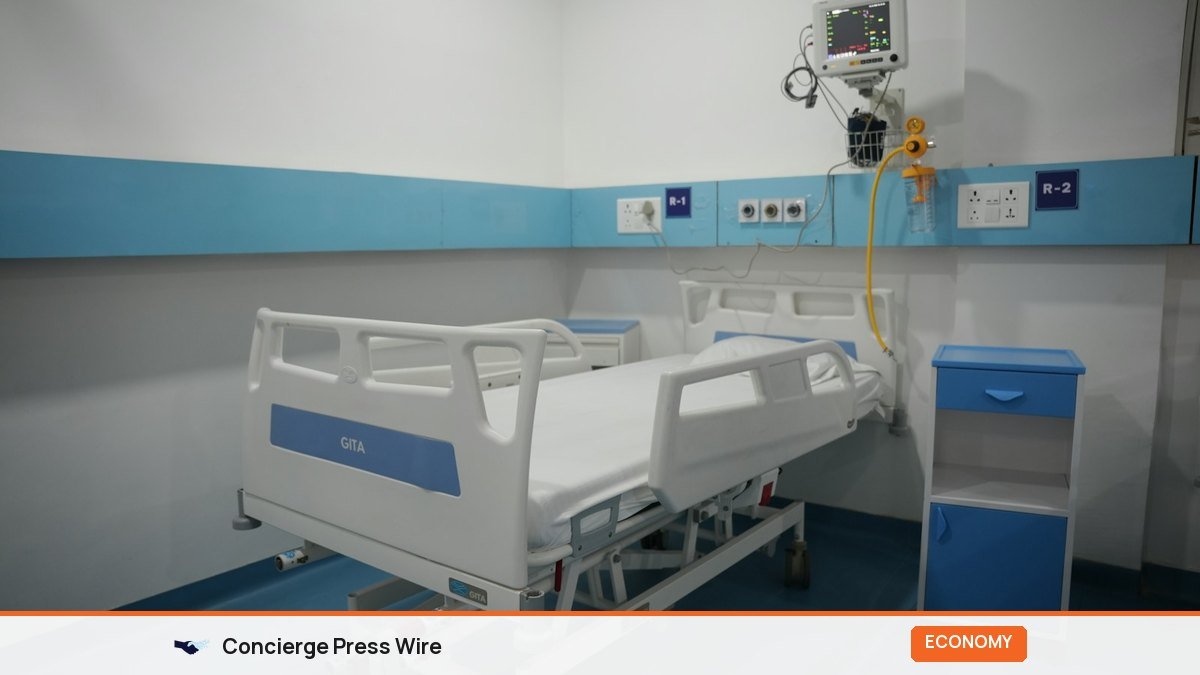
A health insurance claim in India is filed in one of two ways: cashless, where the insurer pays a network hospital directly, or reimbursement, where you pay first and claim the money back. This guide gives you the exact steps for both, the documents you need, the IRDAI time limits insurers must follow, the most common reasons claims are rejected, and how to escalate through Bima Bharosa and the Insurance Ombudsman if your claim is denied.
Key Takeaways
- Use cashless at a network hospital whenever you can. Under IRDAI’s May 2024 master circular, insurers must decide a cashless request within one hour and give final discharge approval within three hours.
- For reimbursement, collect original bills, discharge summary, reports and prescriptions before you leave the hospital, and submit within your policy’s deadline.
- Most rejections come from non-disclosure of existing illness, waiting periods, exclusions, room rent limits and missing papers. Read these sections of your policy today, not on admission day.
- If a claim is rejected, complain to the insurer’s grievance cell first. If not resolved, use the IRDAI Bima Bharosa portal and then the Insurance Ombudsman, which is free for claims up to Rs 50 lakh.
Quick answer (Updated November 2026): Cashless: show your health card at the hospital’s insurance desk, the hospital sends a pre-authorisation request, the insurer decides within 1 hour and approves final discharge within 3 hours. Reimbursement: inform the insurer, pay the hospital, then submit the claim form with original bills and reports within the deadline in your policy. Rejected? Insurer grievance cell, then Bima Bharosa, then Insurance Ombudsman.
This article explains the claim process only. For medical decisions, always consult your doctor.
Cashless vs reimbursement: which one applies to you
| Point | Cashless claim | Reimbursement claim |
|---|---|---|
| Hospital type | Network hospital of your insurer or TPA | Any eligible hospital |
| Who pays the hospital | Insurer pays directly (you pay non-covered items) | You pay in full first |
| Paperwork | Hospital handles most of it | You collect and submit everything |
| Speed | Decided during the stay | After discharge, takes longer |
| Best for | Planned surgery, emergencies at network hospitals | Non-network hospitals, or when cashless is denied |
Before any planned treatment, open your insurer’s app or website and check whether the hospital is in its network. Network lists change, so check again even if the hospital was listed last year.
How to file a cashless claim, step by step
- Intimate the insurer or TPA. For planned admission, most policies ask for notice a few days in advance. For emergencies, the usual requirement is within 24 hours of admission. Your policy states the exact timeline, so follow it.
- Go to the insurance or TPA desk. Show your health card or policy number, Aadhaar or another photo ID, and the doctor’s advice for admission.
- Pre-authorisation request. The hospital fills the pre-authorisation form with diagnosis, planned treatment and estimated cost, and sends it to the insurer or TPA. Check that your details and the diagnosis are correct before it goes.
- Insurer decision. Under the IRDAI Master Circular on Health Insurance Business of 29 May 2024, the insurer must decide on cashless authorisation immediately and within one hour of receiving the request.
- Treatment. If costs rise, the hospital sends an enhancement request. Ask the desk to keep you informed.
- Discharge. The hospital sends the final bill. The insurer must grant final authorisation within three hours of the hospital’s discharge request. If it takes longer and the hospital charges extra, the circular says the insurer must bear that additional amount from its shareholders’ funds.
- Pay the difference. You pay for items not covered, such as some consumables, registration charges, any co-payment or deductible, and amounts above sub-limits.
- Keep copies. Ask for copies of the final bill, discharge summary and approval letter. You may need them for post-hospitalisation claims.
If cashless is denied or only partly approved
Ask the TPA desk for the reason in writing. Sometimes it is a missing document that the hospital can send in minutes. If the denial stands, pay the hospital and file a reimbursement claim. A cashless denial is not the same as a claim rejection, and many reimbursement claims are approved after a cashless request was refused for lack of information.
How to file a reimbursement claim, step by step
- Inform the insurer as soon as possible, using its app, website, email or toll-free number. Note the claim intimation number.
- Collect documents before leaving the hospital. Getting originals later is painful. Use the checklist below.
- Fill the claim form. Download it from your insurer’s website. Part A is filled by you and Part B by the hospital.
- Submit within the deadline. Many policies allow around 15 to 30 days from discharge for the main claim, but your policy wording decides. Many insurers accept uploads through their app; some still ask for originals by courier.
- Submit post-hospitalisation bills separately within the time your policy allows, with prescriptions linking them to the same illness.
- Respond to queries fast. If the insurer asks for more documents, send them quickly and keep proof. Delay on your side pauses the clock.
- Track the claim and keep a written log of every call and email with dates.
IRDAI rules set time limits for insurers to settle claims after receiving the last necessary document, and they must pay interest if they delay beyond those limits. Ask your insurer for the timeline that applies to your policy.
Document checklist for health insurance claims
| Document | Cashless | Reimbursement |
|---|---|---|
| Health card / policy copy | Yes | Yes |
| Photo ID and Aadhaar | Yes | Yes |
| Pre-authorisation form | Hospital submits | No |
| Claim form (signed) | Often at discharge | Yes, Part A and Part B |
| Discharge summary | Copy | Original |
| Final hospital bill with itemised breakup | Copy | Original |
| Payment receipts | For your share | Original, all |
| Investigation reports (blood tests, scans) | Hospital sends | Yes |
| Doctor’s prescriptions and pharmacy bills | For post-hospitalisation | Yes |
| Cancelled cheque or bank details | No | Yes |
| FIR or MLC copy | If accident | If accident |
| KYC form (for larger claims) | Sometimes | Often |
Scan everything with your phone the same day. If an original is lost in courier, a clear scan and the hospital’s duplicate can save the claim.
Common reasons health claims are rejected
Insurers do not usually reject claims at random. The reason is almost always in the policy wording or the paperwork.
1. Non-disclosure of existing illness
If you had diabetes, hypertension or a past surgery and did not mention it in the proposal form, the insurer may reject the claim. Always disclose. IRDAI’s 2024 rules reduced the moratorium period to five years: once a policy has run continuously for five years, the insurer generally cannot contest a claim on grounds of non-disclosure, except in cases of proven fraud or permanent exclusions in the policy.
2. Waiting periods
Most policies have an initial 30-day waiting period (except accidents), a waiting period for specified illnesses such as cataract or hernia, and a waiting period for pre-existing diseases. IRDAI’s 2024 rules capped the pre-existing disease waiting period at three years for new policies. Check your schedule for the exact periods.
3. Room rent limits and proportionate deduction
If your policy caps room rent at 1% of sum insured per day and you choose a costlier room, many policies reduce other charges like doctor fees in the same proportion. A small room upgrade can cut thousands from the payout. Ask the hospital which room category fits your limit.
4. Exclusions and non-medical items
Cosmetic treatment, some dental and OPD costs, and items like gloves, toiletries and admission kits are often not covered. These are deductions, not full rejections, but they surprise people.
5. Missing or mismatched documents
Different spellings of your name, a missing discharge summary or bills without stamps cause delays and denials. Check every page before you submit.
6. Late intimation or late submission
Some insurers condone delay if there is a genuine reason, but do not count on it. Inform on day one.
7. Hospitalisation not needed
If tests could have been done without admission, the insurer may say hospitalisation was for evaluation only. Ask your doctor to write clearly why admission was required.
Worked example: a reimbursement claim in Pune
This is illustrative. A 45-year-old shop owner in Pune is admitted to a non-network hospital for three days with dengue. His family floater sum insured is Rs 5 lakh with a room rent limit of 1% per day (Rs 5,000).
- Hospital bill: Rs 92,000, including room at Rs 4,500 a day, within the limit.
- Non-payable items like admission kit and toiletries: Rs 3,200.
- Post-hospitalisation tests and medicines within 30 days: Rs 6,500.
His family informs the insurer on the day of admission, collects all originals at discharge, and uploads the claim through the insurer’s app within a week. The insurer approves Rs 88,800 for hospitalisation. He files a separate post-hospitalisation claim with prescriptions, and it is approved as well. Total out of pocket: the non-payable items. Had he taken a Rs 7,000 room, proportionate deduction could have reduced the payout on doctor and nursing charges too.
What to do if your claim is rejected: the escalation ladder
- Read the rejection letter. It must give a reason and the policy clause relied on. Compare it with your policy wording.
- Write to the insurer’s Grievance Redressal Officer. Every insurer has one. Attach your documents and explain clearly why the rejection is wrong. Keep the complaint reference number.
- Use Bima Bharosa. If the insurer does not resolve it, register a complaint on IRDAI’s Bima Bharosa grievance portal. The portal says complaints will be attended to within 14 days, and it states clearly that it never asks for any payment, so ignore anyone who calls asking for a fee to “clear” your claim.
- Approach the Insurance Ombudsman. If the insurer has not replied within one month or you are unhappy with its reply, you can complain to the Insurance Ombudsman within one year. The Ombudsman handles disputes where the compensation sought is up to Rs 50 lakh and charges no fee.
- Consumer commission or court. For larger claims or if you disagree with the Ombudsman, a consumer commission is the next option. A lawyer can advise.
| Forum | When to use | Cost |
|---|---|---|
| Insurer grievance cell | First step for any dispute | Free |
| Bima Bharosa (IRDAI) | Insurer has not resolved your complaint | Free |
| Insurance Ombudsman | No reply in 1 month or unhappy with reply; claim up to Rs 50 lakh | Free |
| Consumer commission | Larger disputes or after Ombudsman | Small filing fee |
Habits that make every claim easier
- Save your policy PDF, health card and the insurer’s claim number in your phone and share them with one family member.
- Keep a list of three network hospitals near your home.
- Disclose every existing illness at renewal or porting, even if it feels minor.
- Renew on time. A lapse resets waiting periods and the moratorium clock.
- If you run a small business, check whether your group policy covers employees’ families, and brief staff on the claim process once a year.
Frequently Asked Questions
How long does a cashless claim approval take?
Under IRDAI’s May 2024 master circular, insurers must decide a cashless authorisation request within one hour of receiving it and give final discharge approval within three hours of the hospital’s request.
Can I get cashless treatment at a non-network hospital?
Traditionally, no, you had to claim reimbursement. Some insurers have since started offering cashless at non-network hospitals under certain conditions, often with advance notice. Ask your insurer what it allows.
What is the time limit to submit a reimbursement claim?
It depends on your policy. Many allow 15 to 30 days after discharge for the main claim and a separate window for post-hospitalisation bills. The policy wording is final.
Why was only part of my claim paid?
Usually because of non-payable items, co-payment, sub-limits, or proportionate deduction due to a room above your rent limit. Ask the insurer for a deduction breakup in writing.
Is there any fee to complain on Bima Bharosa or to the Ombudsman?
No. Both are free. Bima Bharosa specifically warns that it never asks complainants for payment of any kind.
Can I complain to the Ombudsman directly?
No. You must first complain to the insurer. If it does not reply within one month or you are not satisfied, you can go to the Ombudsman within one year.
Do this before you ever need to claim
Spend 20 minutes this week with your policy document. Mark the room rent limit, waiting periods, co-payment, claim intimation timeline and submission deadline. Save the insurer’s claim helpline and app login. Insurance rules and policy terms change, so check the latest IRDAI guidance and your own policy wording, and consult your doctor for any medical decision.