Vivah Panchami 2026: Date, Tithi Timings, Story and Puja Vidhi
Vivah Panchami 2026 falls on Monday, 14 December. Here are the tithi timings, the story of Ram-Sita vivah and a simple puja to do at home.
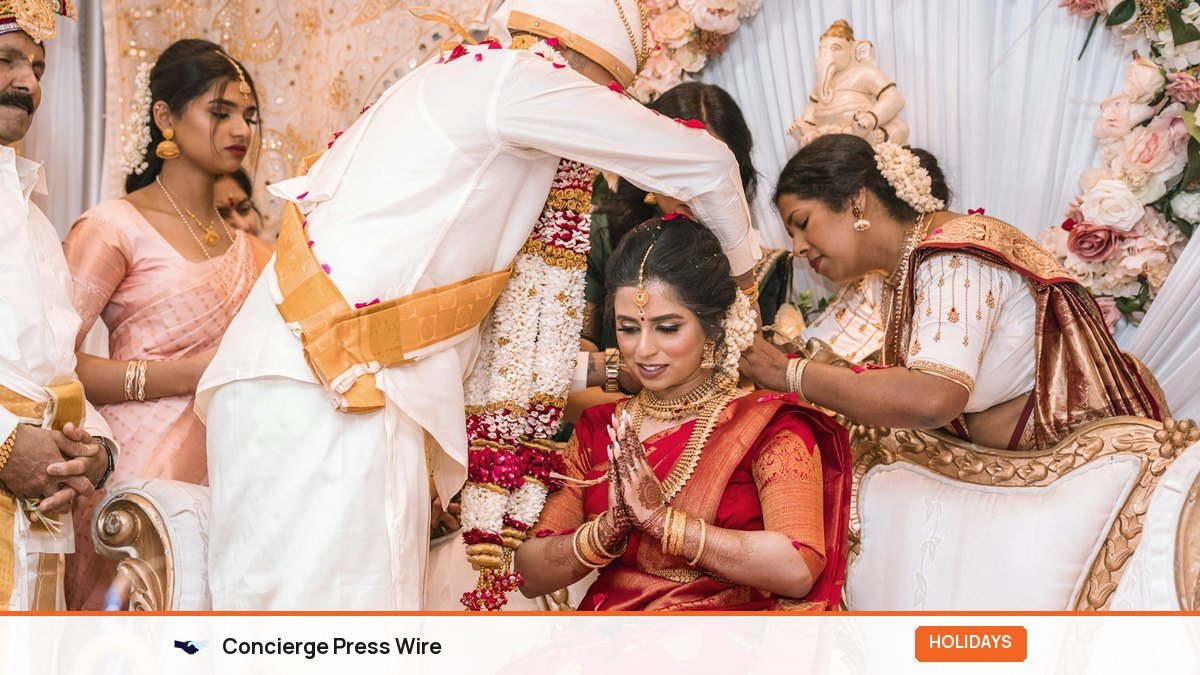
Vivah Panchami 2026 falls on Monday, 14 December 2026, the Shukla Panchami of Margashirsha month, when devotees celebrate the wedding of Lord Rama and Goddess Sita. Below you will find the verified date and tithi timings, the story behind the festival, how Janakpur and Ayodhya celebrate it, and a simple step-by-step puja you can do at home.
Key Takeaways
- Vivah Panchami 2026 is on Monday, 14 December 2026, as per Drik Panchang for New Delhi.
- Panchami tithi begins at 4:47 PM on 13 December and ends at 7:15 PM on 14 December 2026. Since the tithi is present at sunrise on 14 December, the festival is observed that day.
- The day marks the wedding anniversary of Rama and Sita, which tradition places in Janakpur, the capital of King Janaka’s Mithila.
- Janakpur in Nepal and Ayodhya in Uttar Pradesh hold the biggest celebrations, with a symbolic wedding procession and ceremonies.
- At home, a simple puja with Rama-Sita images, a fast if you wish, and a reading of the wedding episode from the Ramcharitmanas is the common way to observe the day.
Quick answer (Updated November 2026): Vivah Panchami 2026: Monday, 14 December 2026. Panchami tithi: 4:47 PM, 13 December to 7:15 PM, 14 December 2026 (New Delhi). Timings change slightly by city, so check your local panchang.
Vivah Panchami 2026 date and tithi timings
Hindu festivals follow the lunar calendar, and the Panchang day runs from sunrise to sunrise. That is why a tithi that begins on the evening of 13 December belongs to the festival day of 14 December.
| Detail | Vivah Panchami 2026 |
|---|---|
| Date | Monday, 14 December 2026 |
| Hindu month | Margashirsha (Aghan), Shukla Paksha |
| Tithi | Panchami |
| Panchami begins | 4:47 PM, Sunday, 13 December 2026 |
| Panchami ends | 7:15 PM, Monday, 14 December 2026 |
| Location of timings | New Delhi (IST) |
Source: Drik Panchang, Vivah Panchami 2026. If you live in Chennai, Kolkata, Mumbai or outside India, use the city setting on Drik Panchang or ask your family purohit, since sunrise time affects the observance.
Is there a special muhurat for puja?
Vivah Panchami does not have a single fixed puja muhurat in the way some festivals do. Most families perform the puja in the morning after bath, while the Panchami tithi is running, and the evening celebration of the symbolic wedding happens after sunset. On 14 December 2026 the tithi lasts until 7:15 PM in New Delhi, so the full day is available for worship.
Vivah Panchami in recent and coming years
| Year | Approximate timing |
|---|---|
| 2026 | 14 December (verified, Drik Panchang) |
| 2027 and later | Usually late November or December; check the panchang each year |
The date moves every year because it follows the lunar month, so do not plan travel to Janakpur or Ayodhya based on last year’s date.
The story of Ram-Sita vivah
The Ramayana tells how King Janaka of Mithila found a baby girl while ploughing a field. He named her Sita and raised her as his daughter. When Sita grew up, Janaka announced a swayamvar: whoever could lift and string the mighty bow of Lord Shiva would marry her.
Kings and princes came from across the land. None could even move the bow. Sage Vishwamitra had brought the young princes Rama and Lakshmana from Ayodhya to Mithila. At his word, Rama stepped forward, lifted the bow with ease and, as he drew the string, the bow broke with a sound that echoed across the three worlds.
Sita placed the varmala on Rama. Messengers rode to Ayodhya, and King Dasharatha arrived with a grand procession. According to tradition, Rama’s brothers were married in the same ceremony: Lakshmana to Urmila, Bharata to Mandavi and Shatrughna to Shrutakirti. The wedding took place on the Shukla Panchami of Margashirsha, which is why the day is celebrated as Vivah Panchami.
Tulsidas describes this episode with great tenderness in the Balkand of the Ramcharitmanas. Many households read the “Sita-Ram vivah” section on this day. Some traditions also hold that Tulsidas completed the Ramcharitmanas on Vivah Panchami.
Why Vivah Panchami matters
- An ideal of marriage: Rama and Sita are seen as the ideal couple. Married couples pray for harmony, and unmarried young people pray for a good life partner.
- Removing obstacles to marriage: many families believe that worship on this day helps when a son’s or daughter’s marriage is getting delayed.
- Devotion over ritual: for Ram bhakts, reading or listening to the wedding story is itself a form of worship.
A note on weddings on this day
Interestingly, in parts of Mithila and Nepal, some families avoid fixing actual weddings on Vivah Panchami. The belief is linked to the hardships Sita faced after her marriage, including exile and separation. Practice varies widely by region and family, so ask your elders or purohit about your own tradition.
How Janakpur celebrates
Janakpur (Janakpurdham) in Nepal’s Madhesh Province is traditionally identified with King Janaka’s capital. The Janaki Mandir, a large temple dedicated to Sita, is the centre of the celebrations.
- Baraat from Ayodhya: in many years, a symbolic Ram baraat travels from Ayodhya to Janakpur, and devotees receive it with songs and garlands.
- Wedding rituals: priests perform the wedding ceremony of Rama and Sita idols with the full sequence of rituals, including tilak, haldi, kanyadan and phere.
- Mithila songs: women sing traditional Maithili wedding songs, many of which tease the groom’s side in the playful way of a real Mithila wedding.
- Fair and crowds: pilgrims from Bihar, Uttar Pradesh and across Nepal visit, and local markets fill with stalls.
Indian citizens do not need a visa or passport for Nepal, but carry valid photo ID such as a passport or voter ID card. Check the latest entry rules and the official Nepal Tourism Board site at ntb.gov.np before travelling. Border points near Jaynagar and Raxaul in Bihar are commonly used.
How Ayodhya celebrates
In Ayodhya, Vivah Panchami is celebrated as the day the city’s prince was married. Temples associated with Rama and Sita, especially Kanak Bhawan, which tradition says was gifted to Sita by Queen Kaikeyi, hold special darshan and decorations. Many temples organise the symbolic wedding, kirtan and Ramayana recitation, and the ghats of the Saryu see devotees taking a holy dip.
Crowds have grown sharply since the Ram Mandir opened in January 2024. If you plan to visit, book stays early, check the temple trust’s announcements for darshan timings, and expect long queues on the festival day.
Celebrations elsewhere
Sitamarhi in Bihar, traditionally linked to Sita’s birth, holds its own celebrations. Ram temples across India, including ISKCON and local Ram mandirs, organise kirtans and wedding enactments. In many housing societies, families come together for a group puja and a Ramayana reading in the evening.
How to do Vivah Panchami puja at home: step by step
You do not need an elaborate setup. A clean space, a little time and a sincere mind are enough. Here is a simple method many families follow.
What you need (samagri)
- Picture or idols of Rama and Sita (a Ram Darbar picture also works)
- Yellow or red cloth for the chowki
- Two small garlands (for the symbolic varmala)
- Kumkum, haldi, chandan, akshat (unbroken rice)
- Flowers, tulsi leaves, a diya with ghee, incense
- Kalawa (sacred thread) and a small red chunri for Sita
- Fruits, sweets such as kheer or ladoo, and panchamrit
- Ramcharitmanas or Ramayana book
Puja steps
- Bath and sankalp: wake early, bathe, wear clean clothes and take a small resolve for the puja or fast.
- Prepare the altar: spread the cloth on a chowki and place Rama on the right and Sita on the left, as in wedding seating.
- Ganesh puja: begin by remembering Lord Ganesha with a flower and a short prayer.
- Offerings: offer water, chandan, kumkum, akshat, flowers and tulsi to Rama, and haldi, kumkum and the red chunri to Sita.
- Symbolic wedding: place the garlands on both images, and tie kalawa between them as a gathbandhan. Some families do this in the evening with songs.
- Path: read or listen to the Sita-Ram vivah episode from the Balkand of the Ramcharitmanas. If time is short, chant “Shri Ram Jai Ram Jai Jai Ram” or “Sita Ram” 108 times.
- Aarti and bhog: perform aarti, offer the bhog and share prasad with family and neighbours.
Fasting on Vivah Panchami
Fasting is optional. Some devotees take a phalahar fast with fruit and milk and break it after the evening puja. If you are elderly, pregnant, diabetic or on medication, consult your doctor before fasting, or simply keep the puja without a fast.
Simple ideas to make the day meaningful
| Idea | Time needed | Good for |
|---|---|---|
| Read the Sita-Ram vivah episode together | 30 to 45 minutes | Families with children |
| Sing Maithili or Awadhi wedding songs | 20 minutes | Grandparents and women’s groups |
| Group puja in your society temple | 1 to 2 hours | Housing societies |
| Donate food or clothes to a needy couple’s wedding | Varies | Anyone wishing to give |
| Visit a local Ram mandir in the evening | 1 hour | Working professionals |
For businesses that sell puja samagri, sweets or ethnic wear, the week before Vivah Panchami is a natural time for a small festive collection. Keep the messaging respectful rather than salesy.
Traditional food and decorations for the day
Food on Vivah Panchami follows the mood of a wedding, but kept simple and sattvic. In Mithila homes, you will often find dishes linked to wedding feasts: kheer, malpua, puri, and seasonal vegetables cooked without onion and garlic. In Awadh and Bundelkhand, panjiri, ladoo and peda are common offerings. If you are fasting, sabudana khichdi, makhana kheer and fruit chaat are easy phalahar options.
Decorations are a small joy for children. Make a toran of marigold and mango leaves for the door, draw a rangoli of a doli or a bow and arrow, and decorate the puja chowki with a small mandap made of sugarcane or bamboo sticks wrapped in red cloth. In Mithila, women traditionally draw Madhubani-style kohbar paintings for weddings, and some families make a small one on paper for the day.
Simple checklist for the evening wedding ceremony
- Clean the puja space and set up the mandap or chowki by sunset.
- Keep the two garlands, kalawa, haldi and kumkum ready on a plate.
- Choose who will read and who will sing; give children small roles, like offering flowers.
- Prepare bhog in advance so the ceremony is not rushed.
- After aarti, distribute prasad and, if you can, send some to an elderly neighbour.
Frequently Asked Questions
When is Vivah Panchami in 2026?
Vivah Panchami 2026 is on Monday, 14 December 2026. The Panchami tithi runs from 4:47 PM on 13 December to 7:15 PM on 14 December 2026, as per Drik Panchang for New Delhi.
Why is Vivah Panchami celebrated?
It marks the wedding anniversary of Lord Rama and Goddess Sita, which tradition places on the Shukla Panchami of Margashirsha month in Janakpur, after Rama broke Lord Shiva’s bow at Sita’s swayamvar.
Can we get married on Vivah Panchami?
It depends on regional custom. Many people consider the day auspicious, but in parts of Mithila and Nepal some families avoid weddings on this date because of Sita’s later hardships. Follow your family tradition and consult your purohit for a wedding muhurat.
What should we read on Vivah Panchami?
The Sita-Ram vivah section in the Balkand of Tulsidas’s Ramcharitmanas is the most popular reading. You can also read the wedding chapters of the Valmiki Ramayana.
Where are the biggest Vivah Panchami celebrations?
Janakpur in Nepal, at the Janaki Mandir, and Ayodhya in Uttar Pradesh hold the largest celebrations. Sitamarhi in Bihar and Ram temples across India also hold events.
Is fasting compulsory on Vivah Panchami?
No. Fasting is a personal choice. A sincere puja and reading of the wedding story are considered enough. Anyone with a health condition should consult a doctor before fasting.
Plan your Vivah Panchami
Mark Monday, 14 December 2026 on your calendar, gather the simple samagri a day before, and choose one reading the whole family can share. If you plan to travel to Janakpur or Ayodhya, book early and check the local temple and tourism announcements for exact programme timings, as they are usually confirmed only closer to the date.