Design Registration in India: Process, Fees and Timeline
A founder's guide to protecting a product's look in India: design vs trademark and copyright, novelty rules, official fees, filing steps and renewal.
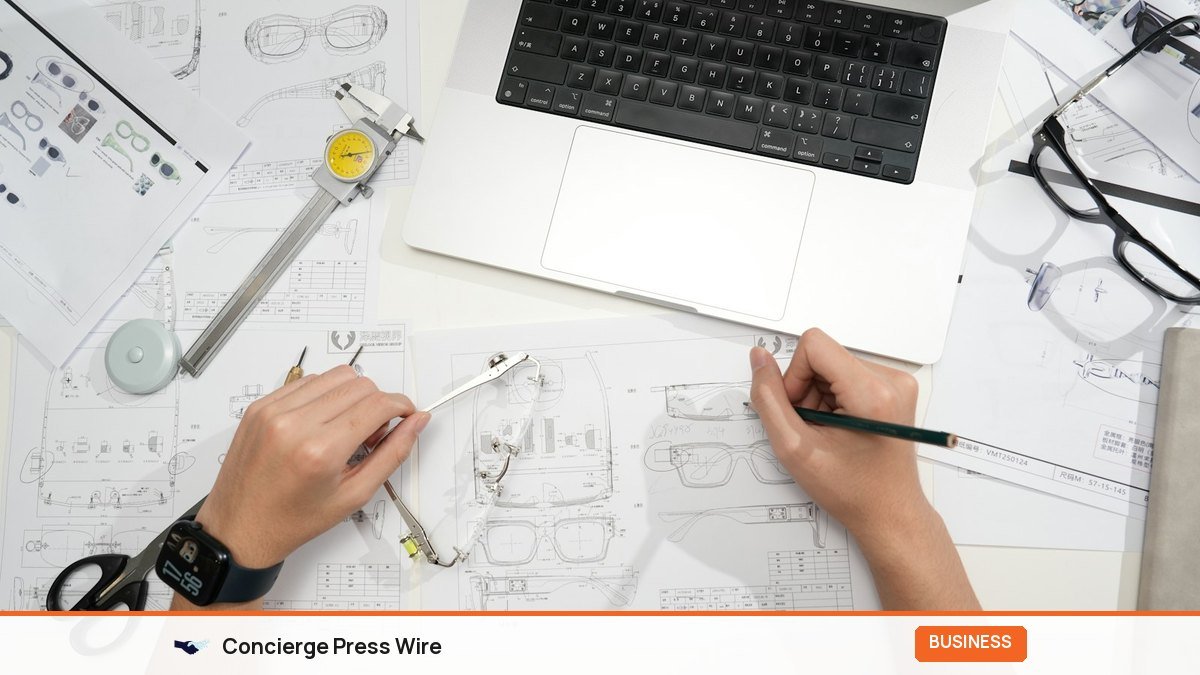
Design registration in India protects the look of a product, its shape, pattern, ornament or colour layout, so competitors cannot sell a copy that looks the same. This guide explains what a registered design covers and how it differs from a trademark and copyright, then walks through the filing process, official fees, documents, timeline and the mistakes that make founders lose protection before they apply.
Key Takeaways
- A registered design protects how a product looks, not how it works, its name or its logo.
- The design must be new and not published anywhere before you file, so file before your launch, Instagram post or trade show.
- Official fees are commonly cited as Rs 1,000 per application for individuals, startups and small entities and Rs 4,000 for others; confirm on the IP India fee schedule before paying.
- Protection lasts 10 years from registration, extendable once by 5 years, for a maximum of 15 years.
- Unregistered industrial designs get weak copyright protection that can end once more than 50 copies are made industrially.
What Design Registration Actually Protects
Under the Designs Act, 2000, a “design” means the visual features applied to an article: its shape, configuration, pattern, ornament or composition of lines and colours, judged by the eye. IP India’s basics of designs page describes it simply as the “visual features of an article”.
Think of things where looks sell the product:
- The curved body of a water bottle or a pressure-cooker lid handle
- A printed pattern on a saree, bedsheet or tile
- The shape of a perfume bottle, soap bar or chocolate
- A furniture silhouette, a lamp, a jewellery piece
- The outer casing of a power bank, earphone case or kitchen appliance
- Packaging shapes, toys and footwear soles
Once registered, you get the exclusive right to apply that design to articles in the registered class and to act against anyone who copies it, a fraudulent imitation included.
What a design registration does not cover
- Function or mechanism. If a feature exists purely because the product must work that way, design law does not protect it. A clever new mechanism may need a patent instead.
- Trade marks. A logo or brand name belongs to trademark law.
- Artistic works as such. A painting or illustration on its own is a copyright matter.
- Designs already public. Anything published in India or anywhere else before your filing or priority date is not new.
- Obscene or offensive designs, and designs that are not significantly different from known designs or combinations of them.
Design vs Trademark vs Copyright vs Patent
Founders often register a trademark and assume the product is protected. It is not. A trademark stops someone using your name; it does not stop them copying your bottle. Here is how the four rights compare.
| Right | Protects | Example | Term in India | Law |
|---|---|---|---|---|
| Design | Visual appearance of an article | Shape of a kulhad-style mug, print on a bedsheet | 10 years, renewable once by 5 (max 15) | Designs Act, 2000 |
| Trademark | Brand identifiers: name, logo, tagline, sometimes shape | Brand name and logo on the mug | 10 years, renewable indefinitely | Trade Marks Act, 1999 |
| Copyright | Original creative works | Illustration used on packaging, product photos, website text | Generally author’s life plus 60 years for most works | Copyright Act, 1957 |
| Patent | New technical inventions and how they work | A new spill-proof valve inside the mug lid | 20 years from filing | Patents Act, 1970 |
One product can carry several rights at once. A D2C kitchenware brand might trademark its name, register the design of its signature kettle, own copyright in its packaging art and, rarely, patent an internal mechanism. If you have not sorted your brand name yet, our guide on trademark registration in India covers that side, and copyright registration covers artwork and content.
The 50-copy rule founders miss
Many small businesses assume copyright will protect their product design automatically. Section 15 of the Copyright Act says that copyright in a design that could have been registered under the Designs Act, but was not, ends once the article has been reproduced more than 50 times by an industrial process by the owner or with their licence. In practice, a mass-produced product design that is not registered can end up with very little protection. That is the main reason to file.
Who Should Register a Design?
Registration makes sense when three things are true: looks drive buying decisions, copying is likely, and the product will sell for more than a season or two.
- Strong candidates: D2C homeware, furniture, lighting, jewellery, footwear, toys, bottles and packaging, textile prints that you reuse, consumer electronics casings, auto accessories.
- Weaker candidates: fast-fashion prints that change every month, products whose value is mainly functional, or one-off handmade pieces you do not plan to scale.
For example, a Jaipur block-print brand might register only its five evergreen bestseller prints, not all 80 seasonal ones. A Rajkot kitchenware maker might register the distinctive shape of a new pressure-pan handle before showing it at a trade fair. These are illustrative choices; the point is to register selectively.
Before You File: The Novelty Checklist
Novelty is where most applications fail, and most of the damage happens before the founder ever visits the IP India site.
- Do not publish first. No Instagram teasers, Amazon listings, catalogue PDFs, crowdfunding pages or trade-show displays before filing. Publication anywhere in the world can destroy novelty. The Act has only a narrow exception for certain notified exhibitions, so do not rely on it without professional advice.
- Search existing designs. Use the IP India design search (search.ipindia.gov.in/designsearch) by class and article name. Also check what is already on the market.
- Pick the correct Locarno class. India uses the Locarno Classification, which has 32 classes for articles. If the same design applies to articles in more than one class, separate applications are needed.
- Use NDAs with manufacturers, mould makers and freelancers who see the design before filing.
- Freeze the final design. Registration protects what is in your drawings. Changing the shape later may need a fresh application.
Official Fees for Design Registration
Fees are set in the First Schedule to the Designs Rules, 2001 (as amended), linked from IP India’s forms and official fees page. Following the Designs (Amendment) Rules, 2021, fee guides from IP law firms consistently cite the figures below. Fees can change, so check the current schedule on the IP India site before paying.
| Form and purpose | Natural person / startup / small entity | Others (large entity) |
|---|---|---|
| Form 1: application for registration (per class) | Rs 1,000 | Rs 4,000 |
| Form 3: extension of term by 5 years (renewal) | Rs 2,000 | Rs 8,000 |
| Form 24: declaration claiming startup or small entity status | No fee reported | Not applicable |
To pay the lower fee as a startup or small entity, you need proof of status, usually a DPIIT recognition certificate for startups or an Udyam registration for MSMEs, filed with Form 24. If you do not have these yet, see our guides on DPIIT startup recognition and Udyam registration. Professional fees, if you hire an IP attorney or agent, are separate and vary widely.
Step-by-Step Filing Process
IP India publishes a workflow for design applications. In plain terms, the process looks like this:
- Prepare the representation sheets. Clear drawings or photographs of the article showing all relevant views, typically front, back, top, bottom, both sides and a perspective view, on a plain background, with the applicant’s name, class and article name marked on each sheet.
- Write the statement of novelty. One or two lines stating what is new, for example “The novelty resides in the shape and configuration of the bottle as illustrated.” Keep it about appearance, not function.
- Add disclaimers if needed. Disclaim any trademark, words, numbers or mechanical features that appear in the drawings so the examiner does not object.
- Collect applicant documents. Applicant details, Form 24 with DPIIT or Udyam proof if claiming the lower fee, a power of attorney (Form 21) if an agent files for you, and priority documents if you are claiming priority from a foreign filing.
- File online on Form 1. Use the IP India e-filing portal (online.ipindia.gov.in/eDesign), upload documents, pay the fee and note the application number.
- Examination. An examiner checks formalities and novelty. If there are objections, you receive a statement of objections and must reply, with corrections, within the deadline in the rules. Many guides cite six months from the filing date for putting the application in order, extendable in some cases; check the date on your objection letter.
- Hearing, if requested. If the objections are not resolved in writing, you can ask for a hearing.
- Registration and publication. Once accepted, the design is registered, a certificate issues and the registration is published in the Design Journal. Track progress on the application status page.
How long does it take?
IP India’s workflow page does not give a fixed timeline. Applications without objections commonly move faster than ones that need replies or hearings, and practitioners often describe the overall process in terms of months rather than weeks. Plan your launch around the filing date, not the registration date: once you have filed, you can launch, because novelty is judged as of the filing date.
Common Mistakes and How to Avoid Them
| Mistake | Consequence | Fix |
|---|---|---|
| Posting product teasers before filing | Loss of novelty; application refused or registration open to cancellation | File first, announce later |
| Wrong Locarno class or vague article name | Objections, or protection in the wrong category | Use the exact article name from the Locarno list |
| Blurry photos, missing views | Objections and narrow protection | Clean, consistent, all-view representation sheets |
| Statement of novelty describing function | Objection that the claim is not a design | Describe shape, pattern or configuration only |
| Forgetting renewal | Rights cease after 10 years | Calendar the renewal well before expiry; restoration is possible only within a limited window |
| Registering every variant | Wasted fees | Register bestsellers and signature shapes |
After Registration: Using and Enforcing Your Design
A certificate in a drawer does little. Put it to work:
- Mark your products and listings with the registration number. It deters casual copying and helps marketplace complaints.
- Use marketplace IP tools. Large Indian marketplaces have IP complaint processes where a registration certificate makes takedowns easier.
- Send a legal notice through a lawyer when you find copies. Many disputes end at this stage.
- Know the remedies. Section 22 of the Designs Act covers piracy of a registered design. It allows the owner to claim damages or a statutory sum per contravention (with an overall cap per design) or to seek an injunction through a civil suit. Talk to an IP lawyer before acting; the right remedy depends on the facts.
- Renew on time. The initial 10 years can be extended once by 5 years on Form 3, before expiry. IP India notes that lapsed rights may be restored only within one year of ceasing.
When the registered product launches, a short announcement can help distributors and buyers take you seriously. If you want media coverage for the launch itself, our step-by-step guide on how to write a press release in India explains how to frame a product launch so editors pick it up.
Frequently Asked Questions
What is the fee for design registration in India?
Fee guides based on the Designs (Amendment) Rules, 2021 cite Rs 1,000 per application for natural persons, startups and small entities, and Rs 4,000 for other applicants. Renewal for a further five years is cited at Rs 2,000 and Rs 8,000 respectively. Confirm on the IP India fee schedule before filing.
How long does design protection last?
Ten years from the date of registration, with a one-time extension of five years, giving a maximum of 15 years.
Can I register a design after I have started selling the product?
Usually not. A design that has already been published or sold publicly before the filing date is generally no longer new. File before any public disclosure.
Is a logo registered as a design or a trademark?
A logo is a trademark. The Designs Act specifically excludes trade marks, so register logos and brand names under the Trade Marks Act.
Do I need a lawyer to file a design application?
No, individuals and businesses can file directly on the IP India portal. An IP attorney or registered agent can help with drawings, novelty statements and objections, which often saves time on complex products.
Does an Indian design registration protect me abroad?
No. Design rights are territorial. India is a member of the Paris Convention, so you can generally claim priority from your Indian filing when applying in many other countries within the priority period, but you must file in each market separately.
Your Next Step
List the products where appearance drives sales, check which of them are still unpublished, and file for those before your next launch, catalogue or trade fair. Gather DPIIT or Udyam proof if you qualify for the lower fee, prepare clean all-view drawings, and keep a calendar reminder for renewal at year nine.
Rules and fees change. This guide is general information, not legal advice. Check the official IP India website or consult a registered IP professional before filing.