Winter Diet With Indian Seasonal Foods: Bajra, Til, Gud and Greens
Which seasonal Indian foods to eat this winter, what they offer nutritionally, five easy recipes and a sample day of meals, with honest notes on jaggery and portions.
Indian kitchens have always eaten differently in winter: bajra rotla instead of wheat phulka, sarson and methi instead of lauki, til and gud after meals around Sankranti. This guide explains which seasonal Indian foods are worth bringing back to your plate this winter, what they actually offer nutritionally, five simple recipes, a sample day of meals, and the honest caveats, including why jaggery is still sugar.
Key Takeaways
- Winter brings the best season for leafy greens (sarson, methi, bathua, palak), carrots, amla, sweet potato and fresh peas. Build meals around them.
- Millets such as bajra are a traditional winter staple and a useful source of iron and fibre. Cooking a bajra rotla on an iron tawa raised its measured iron content in an ICMR-funded study.
- Til (sesame) and gud (jaggery) are classic winter foods, but jaggery is still a sugar. Enjoy small amounts, not spoonfuls with every meal.
- Ghee and nuts add warmth and calories; portion size matters more than the food itself.
- People with diabetes, kidney disease, thyroid conditions or on medication should check major diet changes with a doctor or dietitian first.
Why eating seasonally in winter makes sense
Most of India’s winter produce comes in from roughly November to February. This is when mustard greens, fenugreek, bathua, red carrots, radish, peas, amla and green garlic are at their freshest and cheapest. Seasonal produce usually tastes better, costs less at the sabzi mandi, and has travelled less.
Traditional winter foods also fit what the body is asking for in colder months: warm, filling meals, more vegetables in cooked form, and a little extra fat. In many North Indian homes, that means sarson ka saag with makki roti; in Gujarat and Rajasthan, bajra rotla with garlic chutney and undhiyu; in Maharashtra, bhakri and til chikki; in Punjab, pinni; in the South, ragi mudde and ellu (sesame) dishes. The common thread is millets, greens, sesame, jaggery and ghee.
The ICMR-National Institute of Nutrition’s dietary guidelines, released in 2024 and summarised by All India Radio News, stress eating a variety of foods, restricting salt, and minimising foods high in fat, sugar and ultra-processing. Winter’s traditional plate fits that advice well, as long as the sweets and fried snacks stay occasional.
The winter foods worth adding, and why
| Food | What it offers | Easy ways to eat it | Watch out for |
|---|---|---|---|
| Bajra (pearl millet) | Fibre, iron, zinc, slow-digesting energy | Rotla, bhakri, khichdi, raab (porridge) | Introduce gradually if you are not used to millets; drink enough water |
| Til (sesame seeds) | Healthy fats, calcium, protein | Til chutney, sprinkled on sabzi, chikki, laddoo | Calorie-dense; a tablespoon or two a day is plenty |
| Gud (jaggery) | Taste, small amounts of minerals | A small piece after a meal, in chikki | Still sugar: limit it, especially with diabetes |
| Sarson, methi, bathua, palak | Fibre, folate, vitamin K, vitamin A precursors, some iron and calcium | Saag, thepla, paratha, dal, stir-fries | Wash well; people on blood thinners should keep greens intake steady and ask their doctor |
| Amla | Vitamin C | Raw with salt, chutney, murabba (in moderation) | Murabba is high in sugar |
| Red carrots, beetroot | Beta-carotene, fibre | Salad, kanji, sabzi, gajar halwa occasionally | Halwa is a dessert, not a vegetable serving |
| Shakarkand (sweet potato) | Fibre, beta-carotene | Roasted with chaat masala and lemon | Portion control if watching blood sugar |
| Ghee | Fat, flavour, helps absorb fat-soluble vitamins | A teaspoon on roti or dal | Saturated fat; keep it measured |
| Nuts and seeds | Healthy fats, protein | A small handful of peanuts, almonds or walnuts | Easy to overeat |
Bajra: the winter grain worth relearning
Bajra has been a winter staple in Rajasthan, Gujarat, Haryana and parts of Maharashtra for generations. It is naturally gluten-free, rich in fibre and a dietary source of iron and zinc.
A useful detail comes from an ICMR-supported study on pearl millet in Rajasthan’s Nagaur district. Researchers tested traditional bajra preparations and found that a bajra chapati (sogra) cooked on an iron tawa had higher iron content (9.99 mg per 100 g) than one cooked on a mud tawa (6.31 mg per 100 g). The same report also notes that bajra is high in phytates, which reduce how much iron and zinc the body can absorb, and that soaking, pounding and dehusking reduced phytate levels. The practical takeaways are simple: cook bajra rotla on an iron tawa, and eat it with something rich in vitamin C, such as amla chutney, lemon or a tomato-based sabzi.
How to start if you never eat millets
- Begin with a mixed atta: one part bajra to two parts wheat. Bajra dough breaks easily on its own; mixed atta rolls like a normal roti.
- Knead with warm water, and make the dough fresh. Bajra flour turns rancid faster than wheat, so buy small packets or grind in small batches.
- Try bajra khichdi with moong dal and vegetables on a cold night. It is filling and easy on the stomach for most people.
Til and gud: the Sankranti combination
Til and gud together are a winter tradition across India: til laddoo in Maharashtra and Gujarat, tilkut in Bihar, gajak and rewari in North India, ellu bella in Karnataka. Makar Sankranti, when these sweets are exchanged, falls on 15 January 2027 according to Drik Panchang for New Delhi, with the Sankranti moment itself late on the evening of 14 January. Some regional calendars may list 14 January, so check your local panchang.
Sesame seeds are calorie-dense and provide fat, protein and calcium. Unhulled (darker) sesame generally has more calcium than hulled white sesame, because much of it sits in the hull. Lightly roasting sesame improves flavour and makes it easier to grind into chutney.
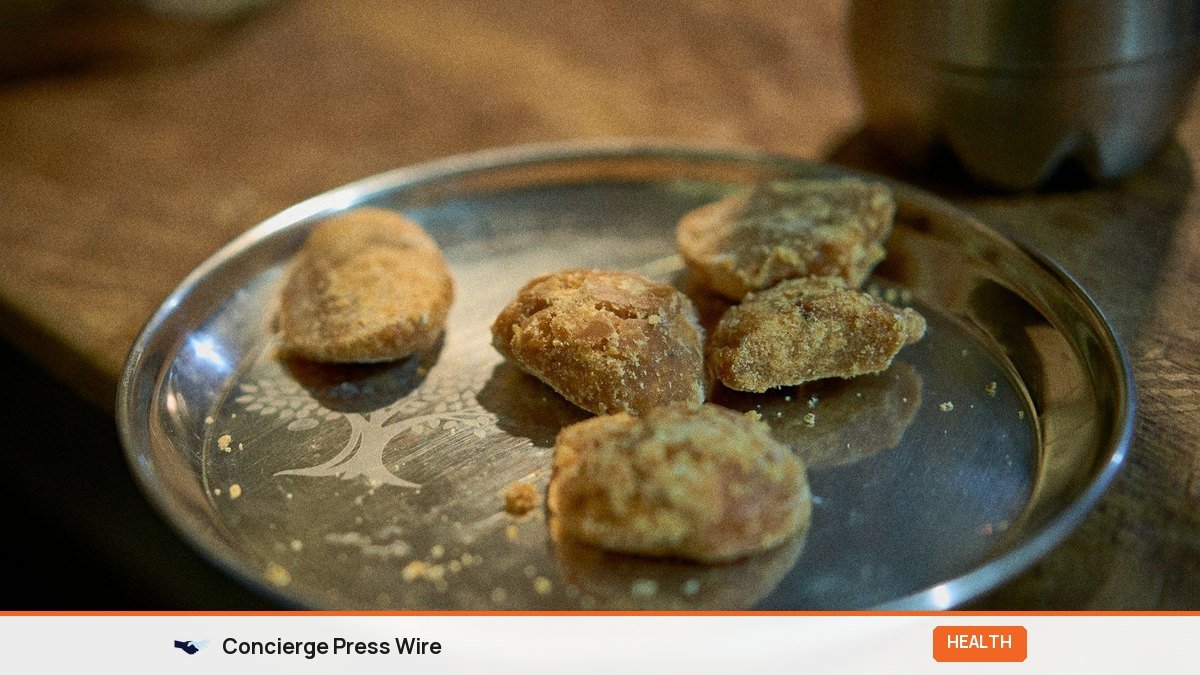
Jaggery deserves an honest note. It is less refined than white sugar and carries small amounts of minerals, but nutritionally it is still mostly sugar. Swapping white sugar for jaggery in your chai does not turn it into a health drink. If you have diabetes or prediabetes, treat gud like sugar and ask your doctor or dietitian how much is safe for you.
Leafy greens: the real winter superstar
If you change only one thing this winter, eat more greens. Sarson, methi, bathua, palak, chaulai (amaranth) and green garlic are all in season. They add fibre, folate and vitamin K, plus some iron and calcium, for very few calories.
- Cook them quickly. Long boiling and discarding the water loses some water-soluble vitamins. Steam, sauté or pressure-cook with minimal water and use the liquid in dal or saag.
- Add a little fat. A teaspoon of ghee or mustard oil helps the body absorb fat-soluble vitamins from greens.
- Pair with vitamin C. A squeeze of lemon or a side of amla helps iron absorption from plant foods.
- Wash thoroughly. Winter greens often carry soil and grit. Soak in a large bowl of water, lift the leaves out, repeat.
Five simple winter recipes
1. Bajra methi thepla (makes about 8)
Mix 1 cup bajra flour, 1 cup wheat flour, 1 cup finely chopped methi leaves, 2 tablespoons curd, half a teaspoon each of turmeric, red chilli powder and ajwain, 1 teaspoon ginger-green chilli paste, salt and 1 tablespoon oil. Knead with warm water into a soft dough. Roll thin and cook on a hot iron tawa with a few drops of oil. Good for breakfast or for travel.
2. Sarson ka saag, home-style
Pressure-cook 500 g sarson, 150 g palak and 100 g bathua (roughly chopped) with a little water, ginger, garlic and green chillies for two to three whistles. Mash or blend coarsely, adding 2 tablespoons of makki or bajra flour to thicken while it simmers for 15 minutes. Finish with a tadka of ghee, garlic and onion. Serve with makki or bajra roti and a piece of gud on the side, if you like.
3. Til-gud laddoo (makes about 12 small)
Dry roast 1 cup sesame seeds until they crackle and turn light golden; cool. Melt about three-quarters of a cup of grated jaggery with a teaspoon of ghee and two tablespoons of water on low heat until it reaches a soft-ball stage (a drop in cold water holds shape). Mix in sesame, a pinch of cardamom and some crushed peanuts. Grease your palms and shape small laddoos quickly while warm. One small laddoo is a sweet; four is a snack you will regret.
4. Amla-ginger chutney
Grind 4 deseeded amla, a small piece of ginger, a handful of coriander, 1 green chilli, a pinch of salt and a little roasted cumin with a few spoons of water. Keeps in the fridge for 3 to 4 days. Eat a spoonful with bajra roti or dal-rice.
5. Roasted shakarkand chaat
Roast or pressure-cook sweet potatoes until soft, peel and cube. Toss with lemon juice, chaat masala, roasted cumin powder, chopped coriander and a few pomegranate seeds. A good 4 pm snack in place of biscuits or namkeen.
A sample winter day of meals
This is a general example for a healthy adult, not a prescription. Adjust portions to your hunger, activity and any medical advice you have been given.
| Time | Meal | Why it works |
|---|---|---|
| Early morning | Warm water or ginger tea with little or no sugar; a few soaked almonds | Hydration in a season when people forget to drink |
| Breakfast | 2 bajra methi thepla with curd, or vegetable poha with peas | Fibre and protein to stay full |
| Mid-morning | An orange, guava or amla | Vitamin C from seasonal fruit |
| Lunch | Dal, seasonal sabzi, 2 rotis (mixed atta) or rice, salad of carrot and radish | Balanced plate with vegetables |
| Evening | Roasted shakarkand chaat or a handful of roasted chana and peanuts; one small til laddoo occasionally | Satisfies cravings with fewer fried snacks |
| Dinner | Sarson ka saag or palak dal with bajra roti, or a bowl of vegetable soup with moong dal khichdi | Warm, light, green-heavy |
| Bedtime (optional) | Warm milk with a pinch of haldi | Comforting; skip if it disturbs your sleep or digestion |
Common winter eating mistakes
- Treating every traditional food as automatically healthy. Gajar halwa, pinni and gajak are delicious and festive. They are also sweets.
- Drinking less water. Thirst drops in cold weather. Keep a bottle in sight and drink warm water if cold water feels unpleasant.
- Too much tea. Six cups of sweet chai a day adds up to a lot of sugar. Cut sugar first, then cups.
- Fried snacks every evening. Pakoras on a cold evening are lovely once in a while; daily, they quietly add weight.
- Dropping physical activity. Shorter days make walks harder. Move your walk to lunchtime or do indoor exercise.
Frequently Asked Questions
Is bajra good to eat every day in winter?
Many families in western India eat bajra daily through winter. For most healthy adults, one or two bajra rotis a day as part of a varied diet is fine. If you have thyroid issues, kidney problems or digestive conditions, ask your doctor first.
Is jaggery healthier than sugar?
It is less processed and contains small amounts of minerals, but it affects blood sugar much like sugar does. Use it in small quantities and treat it as a sweet.
How much til should I eat in a day?
About one to two tablespoons of sesame, in chutney or sprinkled on food, is a sensible amount for most adults because it is calorie-dense.
Can people with diabetes eat winter foods like bajra and shakarkand?
Bajra and other whole millets are often part of diabetes-friendly diets, and sweet potato can fit in small portions, but individual needs differ. Ask your doctor or a registered dietitian to plan quantities.
Do winter foods boost immunity?
No single food prevents illness. A varied diet with enough vegetables, fruit and protein, plus sleep, activity and vaccinations your doctor recommends, supports overall health.
When is Makar Sankranti in 2027?
Drik Panchang lists Friday, 15 January 2027 for New Delhi, with the Sankranti moment on the night of 14 January. Regional calendars can differ by a day.
A warmer plate, one change at a time
You do not need a new diet for winter. Swap one roti a day for bajra, put greens on the plate at both main meals, keep til and gud to a small bite after lunch, and eat fruit instead of a second cup of chai. Those small shifts are what Indian grandmothers have always done in the cold months, and they hold up well against modern nutrition advice. This article is general information, not medical advice; if you have a health condition or take regular medication, please consult your doctor before making significant changes to your diet.