Healthy Indian Breakfast Ideas for Weight Loss: 25 Options
Twenty-five filling, protein and fibre-rich Indian breakfasts for weight loss, with a sample week and tips to make everyday favourites lighter.
A weight-loss breakfast does not have to mean bland oats or skipping the meal altogether. Indian kitchens already have dozens of dishes that are high in protein and fibre and keep you full till lunch, as long as you choose the right ones and watch the oil, sugar and portion size. Here are 25 practical options, grouped by type, with tips on making each one lighter and a sample weekly plan.
Key Takeaways
- A good weight-loss breakfast combines protein (dal, paneer, curd, eggs, sprouts) with fibre (vegetables, whole grains, millets) and keeps added oil and sugar low.
- Many traditional dishes work well with small tweaks: more vegetables in poha and upma, less oil in parathas, besan and moong dal instead of maida.
- Portion size and what you drink with breakfast matter as much as the dish. Sweetened chai and packaged juices add up quickly.
- No single food burns fat. Weight loss comes from your overall diet, activity and sleep over weeks and months.
- If you have diabetes, thyroid problems, PCOS or any medical condition, check with your doctor or a registered dietitian before changing your diet.
What Makes a Breakfast Good for Weight Loss
Breakfast helps weight loss when it keeps you full for longer and stops mid-morning snacking on biscuits, namkeen or samosas. Three things make that happen:
- Protein: dal, besan, moong, paneer, curd, eggs, sprouts and soya. Protein digests slowly and helps control hunger.
- Fibre: vegetables, whole grains, millets like ragi and jowar, oats, fruits with the skin. Fibre adds volume without many calories.
- Low added fat and sugar: the same poha can be light or heavy depending on whether you use one teaspoon of oil or three, and whether you finish it with a handful of fried sev.
India’s official dietary guidance from the ICMR-National Institute of Nutrition encourages a varied diet with whole grains, pulses, vegetables and fruits, and limiting foods high in fat, sugar and salt. The World Health Organization’s healthy diet guidance similarly recommends limiting free sugars and salt and eating plenty of vegetables, fruits, legumes and whole grains. The breakfasts below follow those principles.
Protein-Rich Indian Breakfasts (Options 1-7)
1. Moong dal chilla
Soaked and ground yellow or green moong made into thin pancakes. Add grated carrot, onion, spinach and green chilli to the batter. Cook on a non-stick tawa with a few drops of oil. Serve with mint chutney or curd.
2. Besan chilla with vegetables
Gram flour batter with chopped tomato, onion, capsicum and coriander. Quick to make on busy weekdays. Pair with a bowl of curd for extra protein.
3. Paneer bhurji with one multigrain roti
Crumbled paneer cooked with onion, tomato and capsicum. Use low-fat paneer or homemade chenna if you are counting calories, and keep it to one roti.
4. Egg bhurji or masala omelette
Two eggs with plenty of vegetables, cooked in a teaspoon of oil. Have it with one slice of whole-wheat bread or a small roti rather than two buttered slices.
5. Boiled egg and sprouts chaat
Two boiled eggs alongside a bowl of sprouts chaat. Filling, cheap and needs almost no cooking.
6. Sprouts chaat
Steamed moong or mixed sprouts with onion, tomato, cucumber, lemon juice, chaat masala and coriander. Steam the sprouts lightly if raw sprouts upset your stomach.
7. Soya chunk poha or upma
Add boiled, squeezed soya chunks to your regular poha or upma to raise the protein without changing the taste much.
Lighter Versions of Classic Breakfasts (Options 8-14)
8. Vegetable poha
Poha is light, but the plain version is mostly carbohydrate. Double the vegetables (peas, carrot, capsicum), add roasted peanuts in moderation, and skip the sev. A side of curd balances it.
9. Vegetable upma or rava upma with extra veggies
Use more vegetables than rava. For more fibre, try broken wheat (dalia) or oats upma instead.
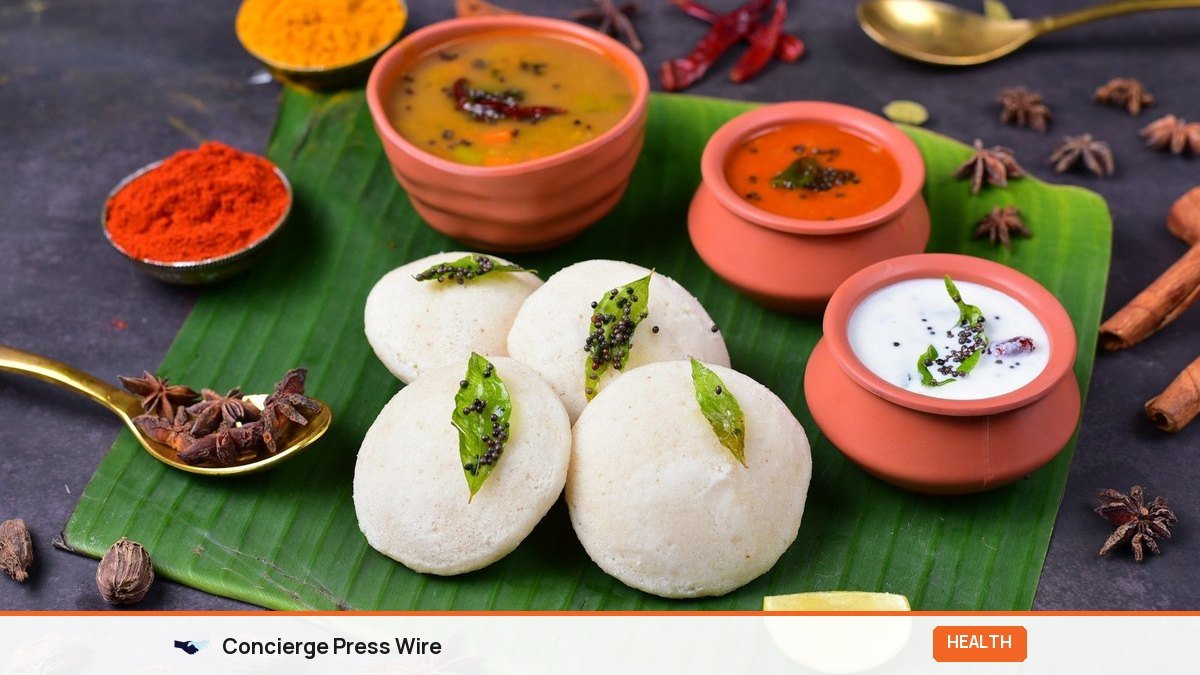
10. Idli with sambar
Steamed, fermented and low in oil. The sambar adds protein and vegetables. Two or three idlis with a big bowl of sambar is a better choice than four idlis with coconut chutney alone.
11. Millet or oats idli
Replace part of the rice with ragi, jowar, foxtail millet or oats for more fibre.
12. Moong dal or pesarattu dosa
The Andhra-style green moong dosa is naturally high in protein. Cook it with minimal oil and serve with ginger chutney.
13. Dhokla
Steamed besan dhokla is a Gujarati favourite that fits weight-loss plans if you go easy on the sugar in the tempering. Moong dal dhokla is an even better option.
14. Stuffed paratha, the lighter way
Parathas are not banned. Use a whole-wheat or multigrain dough, stuff with paneer, methi, mooli, cauliflower or sattu, cook with minimal ghee, and have one paratha with curd instead of two with butter and pickle.
Millet and Whole-Grain Options (Options 15-19)
15. Ragi dosa or ragi chilla
Ragi (finger millet) is rich in fibre and a traditional grain in Karnataka and Tamil Nadu. Instant ragi dosa batter with curd takes minutes.
16. Jowar or bajra roti with sabzi
A common breakfast in rural Maharashtra, Gujarat and Rajasthan. Pair with a vegetable sabzi and curd or buttermilk.
17. Vegetable dalia (broken wheat khichdi)
Cook dalia with moong dal and vegetables for a warm, filling savoury bowl. It works well in winter.
18. Savoury oats
Masala oats made at home with vegetables are far better than instant flavoured packets, which can be high in salt. Add a spoon of curd on top.
19. Quinoa or millet upma
Foxtail millet, little millet or quinoa cooked upma-style with vegetables and a mustard-curry leaf tadka.
Quick No-Cook and Low-Cook Options (Options 20-25)
20. Curd with fruit and seeds
A bowl of plain, unsweetened curd or hung curd with chopped apple, papaya or berries and a teaspoon of flax or chia seeds. Skip sugar and honey or use a small amount.
21. Overnight oats with milk or curd
Soak oats in milk or curd overnight with a few chopped nuts and fruit. Ready to eat straight from the fridge.
22. Sattu drink with a handful of roasted chana
Sattu, roasted gram flour from Bihar and eastern UP, mixed with water, lemon, roasted jeera and a pinch of salt. Pair with a handful of roasted chana for a filling, protein-rich breakfast on the go.
23. Paneer or egg sandwich on whole-wheat bread
Fill with paneer or egg, cucumber, tomato, onion and mint chutney. Grill without butter.
24. Chana chaat
Boiled kala chana or white chana with onion, tomato, lemon and spices. You can boil a batch on Sunday and keep it in the fridge for three days.
25. Fruit with a handful of nuts
On days when you cannot cook, a seasonal fruit like guava, apple, orange or papaya with a small handful of almonds or walnuts is far better than skipping breakfast and overeating at lunch. Nuts are calorie-dense, so keep the portion to a small handful.
Quick Comparison: Which Breakfast When?
| Breakfast | Main protein source | Time needed | Best for |
|---|---|---|---|
| Moong dal chilla | Moong dal | 15 minutes (after soaking) | Vegetarians wanting high protein |
| Besan chilla | Gram flour | 10 minutes | Busy weekday mornings |
| Egg bhurji with roti | Eggs | 10 minutes | Non-vegetarians, gym-goers |
| Idli with sambar | Dal in sambar | 15 minutes with ready batter | Light, easy-to-digest meal |
| Vegetable dalia | Moong dal | 20 minutes | Winter mornings, family breakfast |
| Curd with fruit and seeds | Curd | 5 minutes | No-cook days, summer |
| Sattu drink with chana | Roasted gram | 5 minutes | Commuters, early office starts |
| Chana chaat | Chickpeas | 5 minutes (pre-boiled) | Meal-prep lovers |
A Sample Week of Weight-Loss Breakfasts
- Monday: moong dal chilla with mint chutney and curd.
- Tuesday: vegetable poha with extra peas and a small bowl of curd.
- Wednesday: two idlis with a large bowl of sambar.
- Thursday: egg bhurji or paneer bhurji with one multigrain roti.
- Friday: overnight oats with apple and a few walnuts.
- Saturday: ragi dosa with sambar or tomato chutney.
- Sunday: one methi or paneer paratha with curd; the weekend treat, made lighter.
Rotate within this pattern so you do not get bored. Boredom, more than hunger, is why many people abandon healthy eating after two weeks.
Mistakes That Undo a Healthy Breakfast
- Sugary chai and coffee. Two cups a day with two teaspoons of sugar each adds up over a month. Cut the sugar gradually.
- Packaged juices and “healthy” cereals. Many contain a lot of added sugar. Read the label, and choose whole fruit over juice.
- Toppings that double the calories. Sev on poha, butter on parathas, ghee on dosa, and extra coconut chutney can turn a light dish into a heavy one.
- Skipping breakfast, then overeating. If skipping leaves you ravenous at 11 am and reaching for biscuits, it is not working for you. If you follow a supervised fasting plan, that is different, but check with a professional.
- Eating too fast. Sit down, eat slowly and give your body time to register fullness.
- Relying on breakfast alone. A good breakfast followed by a heavy lunch, fried evening snacks and a late dinner will not lead to weight loss. Look at the whole day.
What to Drink With Breakfast
The drink next to your plate can quietly cancel out a healthy dish. Here is how common Indian breakfast drinks compare:
- Chai or coffee: fine in moderation, but reduce sugar step by step. Many people go from two teaspoons to half a teaspoon over a month and stop noticing the difference.
- Buttermilk (chaas): light, cooling and a source of protein and probiotics. Add roasted jeera and a pinch of salt instead of sugar.
- Plain milk or turmeric milk: adds protein; choose toned or double-toned milk if you are watching calories.
- Nimbu pani: refreshing without sugar; with sugar, it becomes a sweet drink.
- Packaged fruit juice and smoothies with added sugar or ice cream: better avoided on a weight-loss plan. Eat the whole fruit instead.
- Green tea or plain water: zero-calorie options, although no drink by itself melts fat.
Tips for Making It a Habit
- Prep on Sunday: soak and boil chana, sprout moong, chop onions and tomatoes, and keep idli or dosa batter ready.
- Keep ready mixes at home: homemade besan chilla mix, sattu and roasted chana save time on rushed mornings.
- Use non-stick or cast-iron pans so you need less oil.
- Measure oil with a spoon instead of pouring from the bottle.
- Add a protein side such as curd, buttermilk or a boiled egg to any carb-heavy dish.
- Drink water before and with breakfast; thirst is often mistaken for hunger.
This article is general information and not a substitute for medical advice. Consult a doctor or registered dietitian before making major diet changes, especially if you have diabetes, heart disease, kidney problems, thyroid conditions, PCOS or are pregnant.
Frequently Asked Questions
Which Indian breakfast is best for weight loss?
There is no single best dish. Protein and fibre-rich options such as moong dal chilla, besan chilla, sprouts chaat, idli with sambar, vegetable dalia and egg bhurji with vegetables are good choices. The key is low added oil and sugar, and sensible portions.
Is poha good for weight loss?
Poha can fit a weight-loss diet if you add plenty of vegetables, use little oil, skip the sev and pair it with curd or sprouts for protein. Plain poha alone is mostly carbohydrate and may not keep you full for long.
Can I eat paratha while trying to lose weight?
Yes, occasionally. Choose whole-wheat or multigrain dough, a vegetable or paneer stuffing, minimal ghee, and limit yourself to one paratha with curd rather than two with butter.
Is skipping breakfast good for weight loss?
For some people, a structured eating window works; for others, skipping breakfast leads to overeating later. What matters is total intake and food quality over the day. Speak to a doctor or dietitian before starting any fasting plan.
What should vegetarians eat for a high-protein breakfast?
Moong dal chilla, besan chilla, paneer bhurji, sprouts chaat, chana chaat, soya poha, pesarattu, sattu and curd are all good vegetarian protein sources.
Are instant oats good for weight loss?
Plain oats are a good whole grain. Many flavoured instant oats packets contain added salt, sugar or flavourings. Plain rolled oats cooked at home with vegetables or fruit are the better choice.
Start With One Change This Week
You do not need to overhaul your kitchen. Pick two or three breakfasts from this list that your family already enjoys, make them lighter with more vegetables and protein and less oil and sugar, and rotate them through the week. Small, steady changes like these are easier to keep up than a strict diet, and they are the ones that show results on the scale over time.