Joint Pain in Winter: Why It Gets Worse and What Helps
What the evidence says about cold weather and joint pain, plus a simple daily routine, home care, food tips and clear signs that mean you should see a doctor.
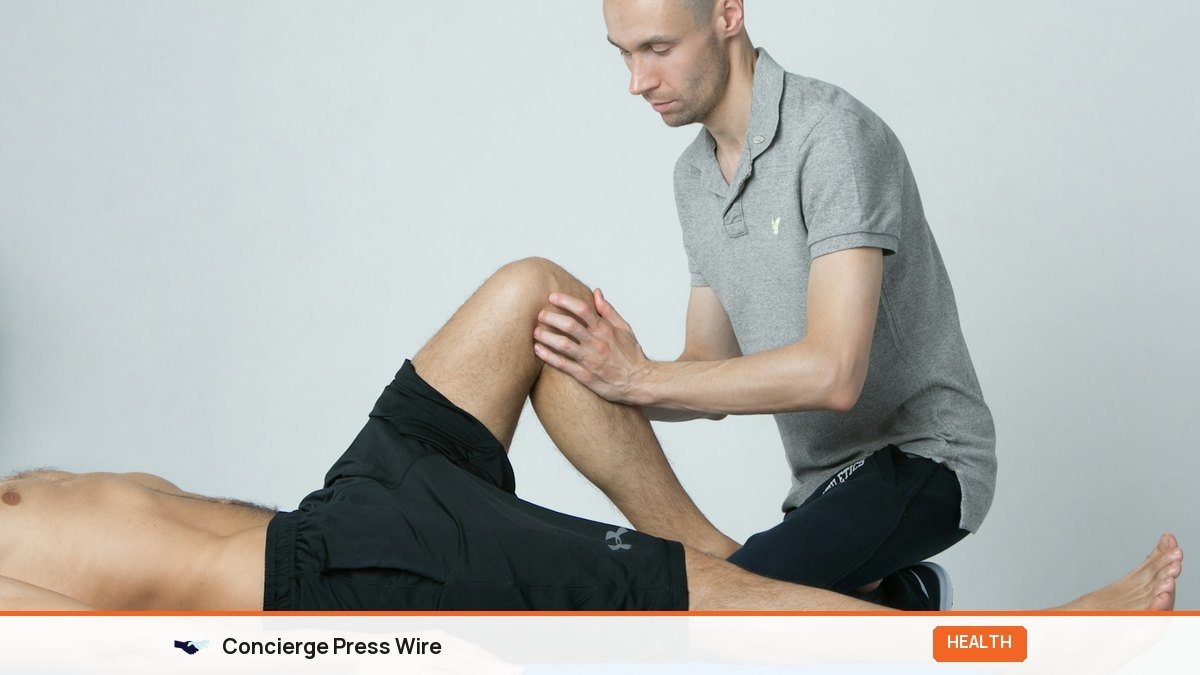
Many people with arthritis or old injuries say their knees, back and fingers ache more in winter. Research on why is mixed, but a lot of the extra pain comes from things you can change: moving less, stiff cold muscles, gaining weight and skipping exercise. This guide explains what the evidence says, gives a simple daily routine of warm-ups and low-impact exercise, covers food and home care that actually help, and lists the signs that mean you should see a doctor.
Updated November 2026. This is general health information, not medical advice. Please consult a doctor or physiotherapist about your joint pain, especially before starting new exercises, supplements or painkillers.
Key Takeaways
- A large UK smartphone study found pain was more likely on humid, windy, low-pressure days, but temperature on its own showed no link across the population. The effect was small.
- Winter habits matter more than weather: less walking, longer sitting, stiff muscles and weight gain all load the joints.
- Gentle daily movement is the best treatment for most stiff joints. Warm up indoors for 5 to 10 minutes, then walk, cycle or do joint-friendly yoga.
- Use warmth for morning stiffness and a wrapped cold pack for fresh swelling. Do not take painkillers regularly without a doctor’s advice.
- See a doctor if pain lasts more than 2 weeks, morning stiffness lasts over 30 minutes, or a joint is hot, red and swollen, especially with fever.
Quick answer: Joint pain often feels worse in winter because people move less and muscles stiffen in the cold; damp, windy weather may add a little. Keep moving every day, stay warm, manage weight, and get a doctor’s opinion if pain is persistent, or the joint is swollen, hot or red.
Does cold weather really make joint pain worse?
The honest answer: partly, and less than people think. For years, studies on weather and joint pain disagreed. One of the largest recent studies, “Cloudy with a Chance of Pain”, run by the University of Manchester, recruited over 13,000 people in the UK who logged their pain daily on a smartphone, and analysed data from 2,658 people who reported on most days for about six months.
According to the University of Manchester’s summary, the strongest link was with high relative humidity, with low pressure and higher wind speed also linked to more painful days. Temperature and rainfall showed no association when averaged across everyone. The lead researcher put the effect in perspective: if your chance of a painful day is 5 in 100 on an average day, it rises to about 6 in 100 on a damp, windy day.
So weather may nudge pain up a little, especially for some people. But the much bigger winter effect is usually behavioural.
Why joints hurt more in winter: the real reasons
| Winter factor | What happens | What you can do |
|---|---|---|
| Less movement | Shorter days, cold mornings and festival season mean fewer walks and longer sitting. Joints and muscles stiffen without regular movement. | Set a daily movement target and keep it indoors if needed |
| Cold muscles | Muscles around joints feel tighter when cold, so the first movements of the day feel stiff. | Warm up before getting up and before exercise |
| Weight gain | Wedding food, sweets and less activity add kilos. Extra weight puts more load on knees and hips. | Keep portions sensible; small weight loss helps knees |
| Less sunlight | Many people spend less time outdoors, and low vitamin D is common in India. | Ask your doctor whether a vitamin D test makes sense for you |
| Damp, windy days | May slightly increase pain for some people, as above. | Dress warmly, keep joints covered, stay active indoors |
| Low mood | Shorter days can lower mood, and pain often feels worse when you are tired or low. | Get daylight, keep social routines, sleep regularly |
Common conditions behind winter joint pain
- Osteoarthritis: wear-related changes, usually in knees, hips, hands and spine. Typically stiff for a short while after rest, better once moving.
- Rheumatoid arthritis and other inflammatory types: often affect several joints on both sides, with longer morning stiffness, swelling and tiredness. These need a doctor’s diagnosis and treatment.
- Gout: sudden, very painful, red, hot joint, often the big toe. Can follow heavy meals or alcohol.
- Old injuries: previous sprains or fractures can ache more with inactivity.
Only a doctor can tell which applies to you. The routines below are general and suit most people with stiff joints, but check with your doctor first if you have a diagnosed condition.
A daily routine for stiff winter joints
In bed, before getting up (3 to 5 minutes)
- Ankle circles: 10 each way, each foot.
- Heel slides: bend one knee by sliding the heel towards you, then straighten. 10 each leg.
- Fist open and close: 10 times each hand, then gentle finger spreads.
- Knee hugs: pull one knee gently to the chest, hold for 10 seconds. 3 each leg.
Then sit at the edge of the bed for a few seconds before standing, especially if you are older or take blood pressure medicines.
Daily movement (20 to 30 minutes)
Choose low-impact activities that move the joints without pounding them:
- Brisk walking on level ground, ideally late morning or afternoon when it is warmer
- Stationary cycling or normal cycling on flat roads
- Swimming or water walking in a heated pool, if available
- Gentle yoga: tadasana, supported chair poses, cat-cow, gentle twists. Avoid deep knee bends and full squats if your knees hurt
- Indoor walking in the house, corridor or society lobby on very cold or polluted days
Strength work (2 to 3 times a week)
Strong muscles take load off joints. Simple examples, if your doctor or physiotherapist agrees:
| Exercise | How | Helps |
|---|---|---|
| Straight-leg raise | Lie on back, one knee bent, lift the other straight leg to the height of the bent knee, hold 5 seconds. 10 each leg. | Thigh muscles that support the knee |
| Sit-to-stand | Stand up from a firm chair without using hands, sit back slowly. 8 to 10 times. | Knees, hips, balance |
| Wall push-up | Hands on wall at shoulder height, bend elbows, push back. 10 times. | Shoulders, arms, wrists |
| Calf raise | Hold a counter, rise on toes, lower slowly. 10 to 15 times. | Ankles, calves, walking stability |
| Bridge | Lie on back, knees bent, lift hips, hold 5 seconds. 10 times. | Hips and lower back |
Mild discomfort during exercise that settles within a couple of hours is usually acceptable. Sharp pain, or pain that is worse the next day, means you should ease off and ask a physiotherapist.
Warmth, cold and home care
When to use heat
Warmth helps stiffness and muscle tightness. A warm shower in the morning, a hot water bag wrapped in a towel for 15 to 20 minutes, or warm clothing over painful joints can make the first hour of the day easier. Never sleep on a heating pad, and check the skin regularly, particularly if you have diabetes or reduced sensation.
When to use cold
For a freshly swollen or recently strained joint, a cold pack wrapped in a towel for short periods, with breaks in between, can reduce pain and swelling. The NHS suggests this approach in its joint pain self-care advice, along with resting the joint but not stopping movement completely.
Other practical tips
- Dress in layers and keep knees and hands covered on cold mornings. Thermal innerwear and gloves are worth it.
- Wear supportive footwear with cushioned soles, even at home if you have hard floors.
- Avoid sitting cross-legged or squatting for long periods if your knees hurt. A chair is kinder.
- Use a walking stick on the side opposite the painful knee if your doctor recommends it.
- Oil massage with gentle movement may feel soothing. Avoid hard pressing on a swollen joint.
A note on painkillers and supplements
Do not take painkillers regularly, or combine them, without advice. Common anti-inflammatory tablets can affect the stomach, kidneys and blood pressure, especially in older people. Pain gels may help some people with fewer side effects, but ask a pharmacist or doctor which is right for you. The same applies to calcium, vitamin D and other supplements: take them based on a test and a doctor’s advice, not a neighbour’s suggestion, because high doses can cause harm.
Food and weight: what helps your joints
No single food cures joint pain, and you should be wary of any product that claims to. A balanced diet that keeps your weight in a healthy range does more than any “joint powder”.
- Keep weight in check. Every extra kilo adds load on the knees with each step. Even modest weight loss can ease knee pain in people who are overweight.
- Eat plenty of vegetables and fruit. Winter brings good options: carrots, spinach, methi, amla, oranges, guava.
- Include protein at each meal (dal, paneer, curd, eggs, fish, chana, soya) to protect muscle, which supports joints.
- Choose whole grains such as bajra, jowar, ragi and whole wheat. Our guide to the winter diet with Indian seasonal foods has more ideas.
- Use healthy fats in moderation, and include sources such as walnuts, flaxseed and fish if you eat it.
- Go easy on sweets, fried snacks and alcohol, particularly in wedding season. People with gout should ask their doctor about specific foods to limit.
- Drink enough water. People drink less in winter without noticing.
When to see a doctor
Most mild winter stiffness improves with movement and warmth. Do not wait it out, though, if you notice any of the following. These signs are based on the NHS guidance linked above.
| Sign | What to do |
|---|---|
| Pain not improving after 2 weeks of home care | See a doctor |
| Pain or swelling getting worse or keeps returning | See a doctor |
| Joints stiff for more than 30 minutes after waking | See a doctor; may suggest inflammatory arthritis |
| Pain stops normal activities or disturbs sleep | See a doctor |
| Child with joint pain or swelling | See a doctor |
| Joint hot, red and swollen, or you feel unwell with fever or chills | Urgent same-day medical care |
| Severe pain after a fall, cannot bear weight, joint looks out of place, or numbness after injury | Go to emergency |
A doctor may examine the joint and suggest blood tests or an X-ray. A physiotherapist can design exercises for your specific joints, which is often the most useful single step for long-term knee and back pain.
Special care for elderly family members
Older parents are most affected by winter stiffness and also most at risk of falls on cold mornings, when they are stiff and the light is poor.
- Keep a night light on the route to the bathroom.
- Remove loose rugs, and put a non-slip mat in the bathroom.
- Install a grab bar near the toilet and in the bathing area.
- Encourage a short walk with company during the warmest part of the day.
- Keep their medicines list updated and review painkillers with their doctor.
For an illustrative example, a family in Jaipur might move their grandmother’s morning walk from 6 am to 10 am in December and January, add five minutes of in-bed stretches before she gets up, and keep a hot water bag ready for her knees after the walk. Small changes like these often make winter far more comfortable.
Frequently Asked Questions
Why do my knees hurt more in winter?
Most often because you are moving less, muscles around the knee are stiffer in the cold, and weight may have crept up. Research suggests damp, windy, low-pressure weather can add a small amount. Daily movement, warmth and strengthening exercises usually help.
Is walking good for joint pain in winter?
Yes, for most people. Walk on level ground during the warmer part of the day, wear supportive shoes and start slowly. If walking makes a joint swell or pain lasts into the next day, ask a doctor or physiotherapist.
Should I use hot or cold packs for joint pain?
Warmth usually helps stiffness and tight muscles. A wrapped cold pack used for short periods helps fresh swelling or a recent strain. Avoid direct contact with the skin for either, and do not sleep on a heating pad.
Can vitamin D deficiency cause joint pain?
Low vitamin D can contribute to bone and muscle aches and is common in India. But joint pain has many causes. Ask your doctor whether to test, and take supplements only as advised, because excess vitamin D can be harmful.
Which foods should I avoid for joint pain?
No food list suits everyone. Generally, limiting sweets, fried snacks and alcohol helps weight and overall health. People with gout may need to limit specific foods; ask your doctor.
When is joint pain an emergency?
If a joint is suddenly hot, red and very swollen, especially with fever, or after a fall you cannot put weight on it or it looks deformed, seek urgent medical care.
Keep moving this winter
Start tomorrow with five minutes of in-bed stretches and a 20-minute walk at the warmest time of day. Add two strength sessions a week, keep your joints warm, and watch your plate through wedding season. If pain keeps you from your normal routine, book a doctor or physiotherapist visit rather than reaching for painkillers. Winter does not have to mean months of stiff knees.