Indian Diabetes Diet Plan: 7-Day Menu, GI Table and Winter Tips
A practical Indian diabetes diet plan with a 7-day menu, research-based GI values for traditional dishes and tips for keeping sugar steady through winter.
World Diabetes Day falls on Saturday, 14 November 2026, and it is a good prompt to fix the one thing that most affects blood sugar every single day: what goes on your plate. This guide gives you a practical Indian diabetes diet plan, a 7-day sample menu built from everyday home food, a table of tested glycaemic index (GI) values for traditional Indian dishes, and winter-specific tips for the months when gajar halwa and til laddoos are everywhere.
Updated November 2026. This article is general information, not medical advice. Diabetes care is individual, so please consult your doctor or a registered dietitian before changing your diet or medicines.
Key Takeaways
- India has an estimated 101 million people with diabetes and 136 million with prediabetes, according to the ICMR-INDIAB study published in 2023.
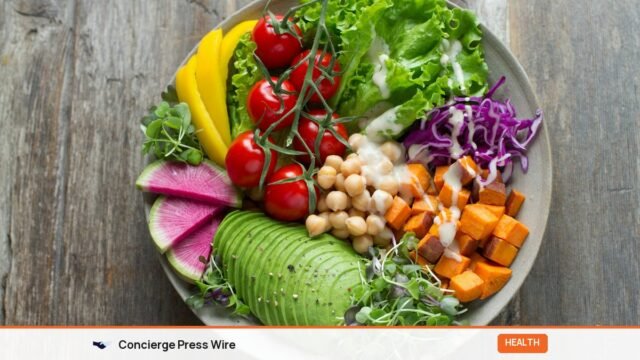
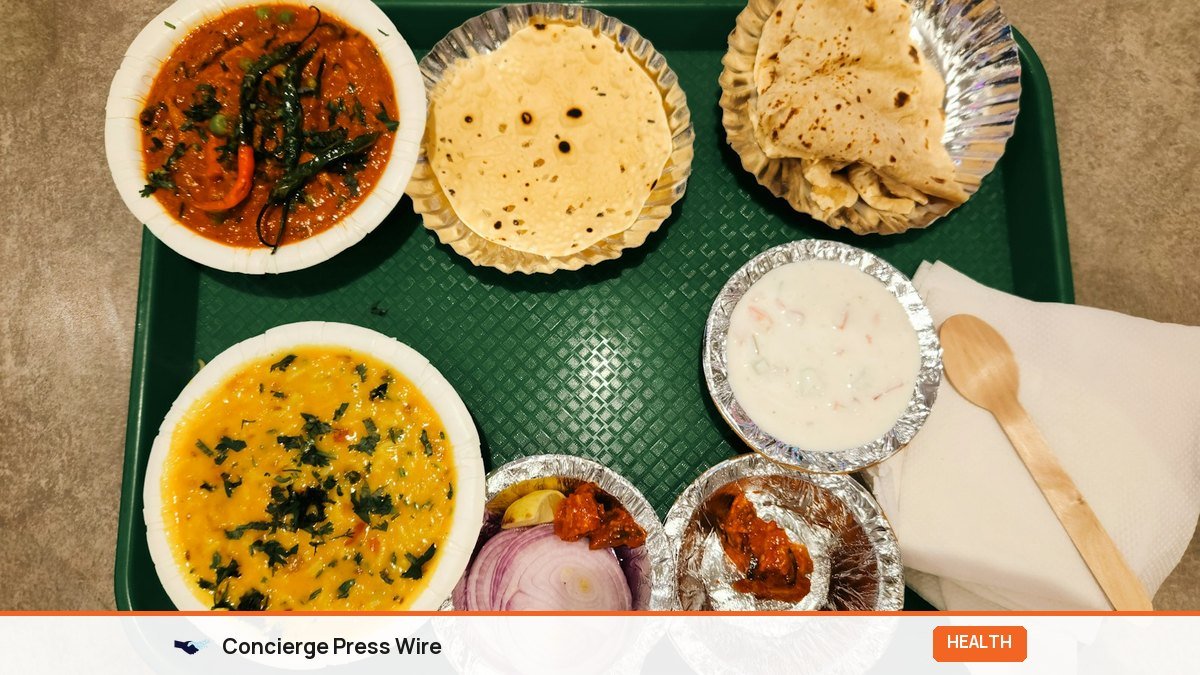
- Use the plate rule at every main meal: half non-starchy sabzi and salad, a quarter dal, paneer, egg, fish or chicken, and a quarter roti or rice.
- “Traditional” does not automatically mean low GI. In an ICMR-backed study, ragi mudde scored 98 and jowar roti 84, while chana sundal scored 24.
- How you cook and combine food matters as much as the grain: whole, coarse, fermented and protein-rich combinations raise sugar more slowly.
- Winter brings heavier sweets, less walking and more chai. Plan portions for festive foods instead of avoiding them completely and then overeating.
Why World Diabetes Day matters for Indian families
World Diabetes Day is held every year on 14 November, the birthday of Sir Frederick Banting, who co-discovered insulin. The International Diabetes Federation’s theme for 2026–27 is “Early action on diabetes”, which focuses on early diagnosis and lowering risk. The official World Diabetes Day site notes that roughly one in nine adults worldwide now lives with diabetes.
India’s own numbers are large. The ICMR-INDIAB study, a national survey of more than 1.1 lakh people published in The Lancet Diabetes & Endocrinology in 2023, estimated diabetes prevalence at 11.4% and prediabetes at 15.3%. That is about 101 million and 136 million people. Prediabetes is the stage where diet and activity make the biggest difference, which is why food choices deserve more attention than any single “miracle” ingredient.
The Indian diabetic plate: a simple rule for every meal
You do not need to weigh food at every meal. Use your own thali as the measuring tool.
- Half the plate: non-starchy vegetables. Lauki, tori, bhindi, palak, methi, cabbage, cauliflower, beans, capsicum, cucumber and tomato salad. Potatoes, arbi and sweet corn do not count here; they belong with the grains.
- A quarter: protein. One katori of thick dal, rajma or chana, or 75–100 g paneer or tofu, two eggs, or a piece of fish or chicken.
- A quarter: grains. Two medium phulkas (no ghee on top, or a small dab), or one small katori of rice.
- On the side: a katori of curd or a glass of chaas, and a small piece of fruit as a snack rather than straight after a heavy meal.
The order of eating can help as well. Many dietitians suggest starting with salad and sabzi, then dal or protein, and eating roti or rice last. This slows how quickly glucose enters the blood.
Glycaemic index of Indian foods: what the research shows
The glycaemic index ranks carbohydrate foods by how quickly they raise blood sugar compared with pure glucose (GI 100). Foods at 55 or below count as low GI, 56–69 as medium and 70 or above as high.
Most GI tables online are built on Western foods. A useful exception is a study by the Madras Diabetes Research Foundation team with ICMR scientists, published in the Indian Journal of Medical Research in 2022, which tested 12 traditional Indian preparations using the standard international method. The results surprise many people.
| Food tested | GI (mean) | Category |
|---|---|---|
| Finger millet stiff porridge (ragi mudde/ball) | 98.2 | High |
| Sorghum (jowar) roti | 84.1 | High |
| Maize (makki) roti | 74.8 | High |
| Wheat flakes chivda | 72.5 | High |
| Pearl millet (bajra) roti | 70.1 | High |
| Adai (mixed dal and rice dosa) | 66.2 | Medium |
| Wheat dosa | 61.8 | Medium |
| Sorghum idli | 61.3 | Medium |
| Methi paratha | 60.2 | Medium |
| Broken wheat (dalia) upma | 51.7 | Low |
| White peas sundal | 29.8 | Low |
| White chickpeas (kabuli chana) sundal | 24.1 | Low |
What to take from this table
- Millets are not a free pass. Finely ground millet flour cooked into a soft ball or thin roti can raise sugar fast. Millets still bring fibre and minerals, so keep them, but control the portion and pair them with dal and sabzi.
- Pulses are your best friend. Both sundals tested low GI. Chana, rajma, moong, matki and lobia belong in your daily diet.
- Coarse beats fine. Broken wheat upma scored low, while thin wheat flakes chivda scored high. Dalia, coarse atta and whole grains digest more slowly than flakes, puffs and maida.
- Mixing helps. Adai, which combines several dals with rice, landed in the medium band. Adding dal, vegetables or curd to a grain usually lowers the overall effect.
GI is only part of the story. Portion size, how much fat and protein is in the meal, how ripe a fruit is and your own body’s response all matter. A glucometer reading two hours after a meal tells you more about your body than any table.
Foods to choose more often, and foods to limit
| Group | Choose more often | Limit or keep small |
|---|---|---|
| Grains | Dalia, whole moong chilla, multigrain or besan-mixed atta, small portions of brown or parboiled rice | Maida, white bread, poha and upma made with large portions, cornflakes, puffed rice snacks |
| Protein | Dals, chana, rajma, sprouts, paneer, curd, eggs, fish, chicken | Fried non-veg, processed meats, malai-heavy gravies |
| Vegetables | Leafy greens, gourds, bhindi, cabbage family, beans, salads | Potato-heavy sabzis, deep-fried pakoras |
| Fruit | Guava, apple, orange, pear, papaya, jamun in season | Fruit juices, very ripe bananas, chikoo and mango in large portions |
| Drinks | Water, chaas, lemon water without sugar, plain tea or coffee | Packaged juices, cold drinks, sweetened lassi, many cups of sugary chai |
| Fats | Measured amounts of mustard, groundnut or sesame oil; a few nuts | Vanaspati, repeated frying oil, namkeen and farsan |
A 7-day Indian diabetes diet plan (sample)
This sample plan uses familiar vegetarian home food with optional non-veg swaps. Portions assume an adult with moderate activity. Your dietitian may change calories, carbohydrate amounts or timings, particularly if you take insulin or certain tablets that can cause low sugar.
| Day | Breakfast | Lunch | Evening snack | Dinner |
|---|---|---|---|---|
| Mon | Moong dal chilla with paneer filling, mint chutney | 2 phulkas, palak dal, bhindi sabzi, salad, curd | Roasted chana (small handful), tea without sugar | Vegetable dalia khichdi, cucumber raita |
| Tue | Vegetable dalia upma, 1 boiled egg or a katori of curd | Small katori rice, rajma, cabbage sabzi, salad | 1 guava | 2 phulkas, lauki chana dal, mixed salad |
| Wed | Besan chilla with grated vegetables | 2 multigrain rotis, chole, methi aloo (more methi, less aloo), salad | Sprouts chaat with lemon | Grilled paneer or fish, sauteed vegetables, 1 phulka |
| Thu | 2 idlis with extra sambar, coconut chutney (small) | Adai or pesarattu, vegetable kootu, buttermilk | A few almonds and walnuts | Vegetable soup, 2 phulkas, tori sabzi, dal |
| Fri | Vegetable omelette or paneer bhurji, 1 slice whole-wheat toast | Small katori rice, sambar, beans poriyal, curd | 1 apple with peanut chutney or a few peanuts | Methi thepla (2 small), curd, salad |
| Sat | Sprouted moong salad with onion, tomato and lemon | 2 phulkas, sarson ka saag, small piece of makki roti (or skip), salad | Chaas and roasted makhana | Mixed dal, cauliflower sabzi, 1 phulka |
| Sun | Vegetable poha made with extra peas and peanuts, smaller portion | Chicken or paneer curry, small katori rice, salad | 1 orange | Light khichdi with extra moong dal and vegetables, kadhi |
How to adapt the plan
- Check your numbers. Note fasting and two-hour post-meal sugar on a few days. If one meal spikes you, change that meal first.
- Swap within the same group. Exchange rice for roti, dal for chana, guava for orange. Keep the plate proportions the same.
- Space your meals. Three meals and one or two small snacks work for most people. Avoid long gaps followed by a large dinner.
- Finish dinner early. Aim for at least two to three hours between dinner and bed.
Winter tips: managing sugar from November to February
North Indian winters bring rich food, wedding season and shorter days. Here is how to enjoy the season without sugar levels drifting up.
- Walk after meals, even indoors. Cold mornings make people skip walks. A 10–15 minute walk after lunch and dinner, even around the house or office corridor, helps blunt sugar spikes.
- Use seasonal greens. Methi, sarson, bathua, palak and amaranth are at their best in winter and are filling and low in carbohydrate.
- Treat sweets as a planned portion. Til-gud laddoos, gajar halwa and chikki are dense in sugar. Decide in advance: one small piece, after a meal, not on an empty stomach. Jaggery is still sugar as far as blood glucose is concerned.
- Watch the chai count. Four or five cups a day with two teaspoons of sugar each adds up quickly. Cut sugar gradually or switch to unsweetened tea.
- Soups instead of snacks. A bowl of tomato, vegetable or dal soup in the evening is warming and keeps you away from namkeen.
- Stay hydrated. People drink less water in winter. Thirst is a weaker signal in the cold, so keep a bottle in sight.
- Take care of feet. Dry winter skin cracks easily. Moisturise daily (not between the toes), wear socks and check feet for cuts. People with diabetes should show any wound to a doctor quickly.
- Wedding and party strategy. Eat a small snack at home, start with salad and tikka, take one roti or a little biryani, and taste dessert rather than taking a full bowl.
Common mistakes in Indian diabetic diets
- Replacing rice with an equal pile of roti. Both are grains. Portion size matters more than the swap.
- “Sugar-free” mithai binges. Many sugar-free sweets still contain flour, khoya and fat. Count them as treats.
- Fruit juice as “healthy”. Whole fruit with fibre is better than juice, which raises sugar quickly.
- Skipping breakfast. It often leads to overeating later in the day. A protein-rich breakfast keeps hunger steady.
- Stopping medicines because diet “is working”. Never change or stop medicines without your doctor.
- Relying on one ingredient. Karela juice, methi seeds or cinnamon may be part of a diet, but no single food replaces treatment, activity and overall portion control.
For balanced eating guidance written for Indian diets, the ICMR-National Institute of Nutrition dietary guidelines are a reliable free reference.
Frequently Asked Questions
When is World Diabetes Day 2026?
World Diabetes Day is on Saturday, 14 November 2026. The International Diabetes Federation’s theme for 2026–27 is “Early action on diabetes”.
Can people with diabetes eat rice?
Many can, in a controlled portion. Keep it to a small katori, pair it with dal, sabzi and curd, and check your post-meal reading. Your doctor or dietitian can tell you the right amount for you.
Are millets good for diabetes?
Millets offer fibre and minerals, but an Indian study found ragi mudde, jowar roti and bajra roti all had a high GI. Use millets in sensible portions with protein and vegetables rather than assuming they are free foods.
Is jaggery better than sugar for diabetics?
Jaggery has small amounts of minerals but it is still mostly sugar and will raise blood glucose. Treat gud, chikki and til laddoos as sweets and keep portions small.
Which fruits are better for people with diabetes?
Fibre-rich fruits such as guava, apple, pear, orange and papaya, eaten whole in moderate portions, are generally preferred over juices and very ripe, sweet fruits. Individual responses vary.
How often should I check my blood sugar?
It depends on your treatment. People on insulin usually test more often than those on diet control alone. Ask your doctor for a testing schedule, and test a little more during festivals, illness or travel.
One change to start this week
Pick one meal you eat almost every day, usually lunch, and rebuild it with the half-quarter-quarter plate. Check your two-hour reading before and after the change. Small, steady changes that you can keep through winter beat a strict plan that falls apart at the first wedding of the season.