Festive Season PR Ideas for Indian Brands: Diwali to Christmas
Earn media coverage this festive season with community tie-ins, local events, data stories and expert angles, plus a 2026 pitch calendar from Diwali to Christmas.
The weeks from Diwali to Christmas are the busiest of the year for Indian newsrooms, and also the most crowded. This guide gives you practical festive PR ideas that earn coverage rather than buy it: community and CSR tie-ins, local events, data and human-interest angles, and a calendar showing when to pitch each one for the 2026 season.
Key Takeaways
- Festive PR is about stories journalists want to run, not discounts. Offers belong in ads; people, impact and useful information belong in pitches.
- Key 2026 dates: Dhanteras 6 November, Diwali 8 November, Bhai Dooj 11 November, Chhath 15 November, Kartik Purnima 24 November, Christmas 25 December.
- Pitch feature and supplement desks four to six weeks ahead, and daily news desks about one to two weeks ahead.
- Community tie-ins work best when they are genuine, local and measurable, such as artisans paid, meals served or bins installed.
- Have photos, a spokesperson and verifiable numbers ready before you pitch.
Why Festive PR Is Different From Festive Marketing
Festive marketing is about sales: offers, combos, ads, influencer posts. Festive PR is about earned attention: a reporter, editor or producer deciding that your story is worth their readers’ time. The two support each other, but they are not the same.
A journalist will not run “20% off on all gift hampers”. They might run “Lucknow chikankari brand moves 40 artisans to full-time contracts ahead of Diwali orders” or “Bengaluru bakery shares its eggless plum cake process for Christmas” because those stories inform readers or tell them something new about their city.
For the sales side, our sister post on festive sales strategy covers offers and channels. This guide sticks to earning coverage. The test for every idea below is simple: would a reader find this interesting if your brand name were removed?
The 2026 Festive Calendar and Pitch Deadlines
Dates below are based on the Drik Panchang Diwali 2026 calendar and its Chhath and Dev Deepawali pages for New Delhi; regional observances can vary by a day. Since this post is published in mid-October, the long-lead windows for Diwali features have mostly passed, so focus on daily news, online desks and the later festivals.
| Occasion | 2026 date | Pitch features by | Pitch news by |
|---|---|---|---|
| Dhanteras | Friday, 6 November | Early October | Late October |
| Diwali (Lakshmi Puja) | Sunday, 8 November | Early October | By 1 November |
| Govardhan Puja / Bhai Dooj | 10 and 11 November | Mid-October | Early November |
| Children’s Day | Saturday, 14 November | Mid-October | Early November |
| Chhath Puja (main day) | Sunday, 15 November | Mid-October | Early November |
| Kartik Purnima / Dev Deepawali | Tuesday, 24 November | Late October | Mid-November |
| Wedding season | Late November onward | Late October | Ongoing |
| Christmas | Friday, 25 December | Mid-November | Mid-December |
| Year-end / New Year | 31 December – 1 January | Late November | Mid-December |
“Features” means magazine stories, supplements and long-form online pieces. “News” means daily papers, local pages and online news. These lead times are working guidelines; individual editors vary, so ask.
Idea Bank 1: Community and CSR Tie-Ins
Community work around festivals is the most natural PR angle, and also the most easily overdone. Reporters see dozens of “brand distributes sweets” photos every year. What makes a story stand out is specificity, scale relative to your size, and a real outcome.
Ideas that earn coverage
- Artisan or supplier stories. Paying diya makers, weavers or potters in advance, or committing to buy a fixed volume, with names, places and quantities.
- Festival waste clean-ups. Partnering with the ward office or a local NGO for a post-Diwali or post-Chhath ghat and street clean-up, with a published amount of waste collected.
- Skills for the season. Free short workshops for local women’s groups on packaging, gift wrapping or selling on WhatsApp before the rush.
- Staff-led giving. Employees volunteering at an old-age home or a children’s shelter, with the institution’s consent and without exploiting residents in photos.
- Safety and health. A pharmacy or clinic running free eye or burn first-aid awareness camps before Diwali, using qualified professionals.
Keep it honest
- Do not photograph beneficiaries, especially children, without consent, and never in a way that strips their dignity.
- Publish the actual numbers afterwards, even if they are smaller than planned.
- Do not call voluntary community work “CSR” in a way that suggests legal compliance unless it is. Under Section 135 of the Companies Act, 2013, statutory CSR applies to companies above set thresholds of net worth, turnover or net profit, and spending must follow Schedule VII; most small businesses are not covered. If your company is, involve your CA and CSR committee.
If the initiative is substantial enough for a formal announcement, see how to write a press release in India.
Idea Bank 2: Local Events That Journalists Attend
A local event gives reporters something to see and photograph. It works best when it is genuinely open to the public and connected to the festival.
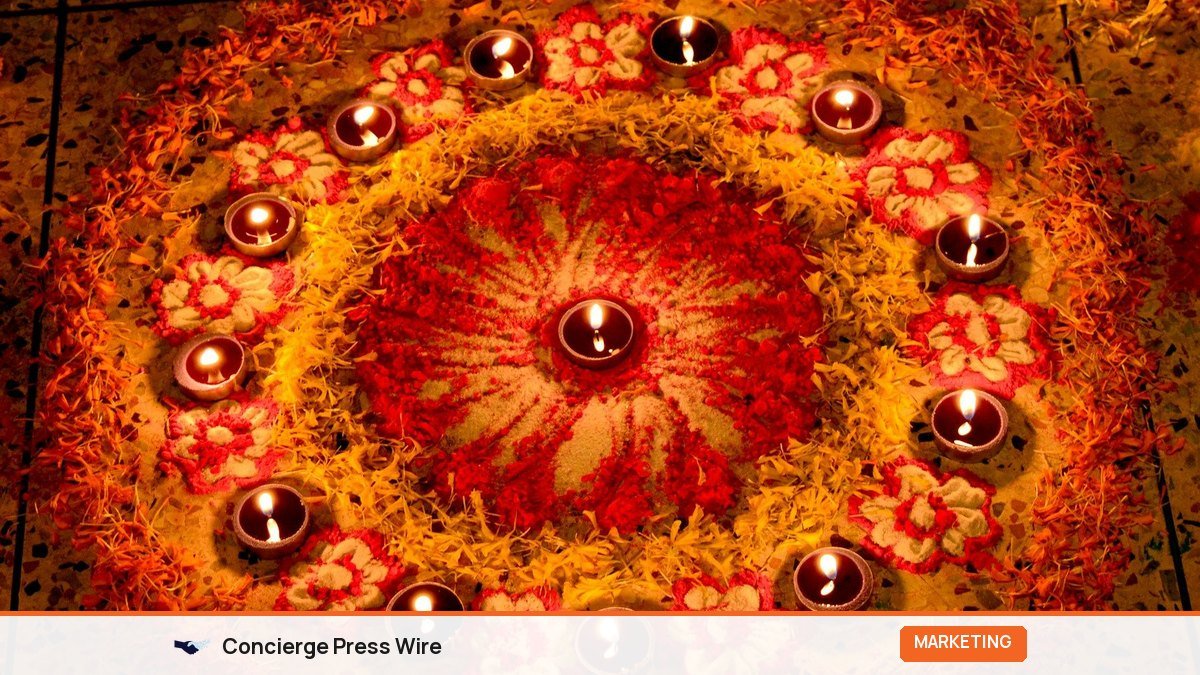
- Rangoli or diya-painting competitions in a residential area or school, judged by local artists. A Diwali-week story with colourful pictures.
- Heritage walks around old markets during the festival season, with a local historian. Works well for hotels, cafes and travel startups.
- Craft melas giving free stalls to home-based sellers or SHGs for a weekend.
- Christmas carol evenings or bake-offs in cities with strong Christmas traditions, such as Goa, Kochi, Shillong, Bengaluru or Kolkata’s Park Street area.
- Chhath-season help desks near ghats in Bihar, eastern UP or Delhi, offering water, first aid or lost-and-found support with local authority permission.
Invite reporters at least a week ahead, send a reminder the morning before, and have one person at the venue to receive them. Morning events give TV and online desks time to file the same day.
Idea Bank 3: Data and Trend Stories
Journalists love numbers they cannot get elsewhere, as long as they are real. If you have customers, you probably have data.
- What your city is buying: an online grocer’s most-ordered sweets by city, a jeweller’s shift from heavy to lightweight designs, a gifting company’s average order value year-on-year.
- When people shop: a payments or POS startup sharing anonymised peak hours during Dhanteras.
- How habits are changing: more eco-friendly diyas, more experience gifts, more pre-booked home cleaning.
Rules for data stories:
- Use only your own data or properly cited public data. Never invent or round up numbers to make a better headline.
- State the sample: “based on 12,400 orders on our app across six cities between 1 and 10 November”.
- Anonymise customers completely.
- Offer the full table to the journalist and someone who can explain it.
- Behind-the-scenes: the night shift at a mithai kitchen during Diwali week, the delivery team that works through Bhai Dooj, the tailor finishing wedding orders.
- Family businesses: three generations running the same brass-lamp shop or Christmas bakery.
- Returning home: founders or employees from Bihar and eastern UP travelling for Chhath, and how your company supports that leave.
- Expert tips: offer a spokesperson who can give useful, non-promotional advice: a dietitian on festive eating, a CA on gifting and tax rules, a jeweller on checking hallmarks, a cyber expert on festive shopping scams.
- Avoid the festival days themselves. Newsrooms run thin, and pages are planned. Send at least a few working days before.
- Weekday mornings (roughly 9:30-11:30 AM IST) give reporters time to file the same day.
- One story, one release. Do not bundle your offer, your CSR work and your new store into one document.
- Lead with the human or community angle, keep product details short, and put any offer in a separate line or not at all.
- Visuals first: three or four good, well-lit photos with captions often decide whether a festive story runs.
- Follow up once. Then move on.
A small business can do this too. A sweet shop in Ahmedabad comparing how many kilograms of kaju katli versus dry-fruit boxes it sold this year and last is a perfectly good local story.
Idea Bank 4: Human-Interest and Expert Angles
Festivals are about people, and so are the best festive stories.
Expert pitches are often the easiest way into busy festive pages. Journalists need quotes for explainers, and a clear, quick, quotable expert gets called again. Make sure any advice is accurate and within the person’s real expertise.
Matching angles to newsroom desks
| Desk | What they want in the festive season | Your possible angle |
|---|---|---|
| City / local pages | Events, civic issues, local people | Clean-up drive, craft mela, local hiring for the rush |
| Business / SME | Demand trends, hiring, supply chains | Festive order data, seasonal hiring, artisan sourcing |
| Lifestyle / food | Recipes, trends, gifting, decor | Chef’s recipe, new craft, sustainable gifting trends |
| Consumer / personal finance | Smart buying, scams, gold, credit | Expert tips on hallmarking, safe online shopping |
| Regional language papers | Local festivals in local language | Chhath, Kartik Purnima, local melas and community work |
| TV / digital video | Visual, live, emotional | Workshops, kitchens, lit-up venues, people at work |
Press Release Timing and Pitching Tips
If you send a formal release, timing matters as much as content in the festive rush.
If you plan to use a distribution service alongside direct pitching, our guide to press release distribution in India explains what to expect, and the honest guide to free distribution covers no-cost options.
Influencer and paid tie-ups
If any part of the campaign involves paid creators or sponsored content, it is advertising, not PR, and should be disclosed clearly. The Advertising Standards Council of India (ASCI) publishes guidelines on influencer disclosure; follow them so your festive campaign does not become a complaint story instead.
A Six-Week Festive PR Plan (Illustrative)
Here is how a small brand, say a Jaipur block-print home textiles company, might run festive PR from mid-October to Christmas.
| Week | Action |
|---|---|
| Week 1 (mid-Oct) | Decide two stories: artisan advance payments for Diwali orders, and a December data story on gifting. Build a list of 25 journalists. |
| Week 2 | Pitch the artisan story to city and SME reporters with photos of printers at work and verified numbers. |
| Week 3 (late Oct) | Host a block-printing workshop for the public; invite city reporters and lifestyle writers. |
| Week 4 (early Nov) | Offer the founder as an expert on “how to tell hand block print from screen print” for gifting explainers. |
| Weeks 5-6 (mid-Nov) | Compile Diwali order data; pitch a short trends note to business and lifestyle desks for Christmas and wedding season. |
| December | Share results publicly: artisans paid, workshop attendance, and coverage won. Thank every journalist. |
Frequently Asked Questions
Is it too late to start Diwali PR in mid-October?
Long-lead magazine features are mostly closed, but daily papers, city pages, online desks and regional editions still take Diwali-week stories pitched one to two weeks ahead. You can also plan for Chhath, Kartik Purnima, the wedding season and Christmas.
What festive story ideas work for a very small business?
Local, specific ones: a craft workshop, a clean-up partnership with your ward, a family-business profile, or simple sales data from your own shop. City pages need exactly these stories.
Should I send journalists festive gifts?
Many newsrooms have rules on accepting gifts, and an expensive hamper can look like an attempt to buy coverage. A thank-you message or a small, inexpensive token sent after the season, not attached to a pitch, is safer.
Can I mention my festive discount in a press release?
You can, briefly, but it rarely helps coverage. Journalists cover news and people; offers are advertising. Keep the story on the community, data or human angle.
Does a small company need to follow CSR law for festive charity?
Statutory CSR under Section 135 of the Companies Act applies only to companies above certain net worth, turnover or profit thresholds. Voluntary community work is fine for anyone, but check with your CA before calling it CSR, as rules change.
How do I measure festive PR?
Track the stories published, where they appeared, referral visits to your website, enquiries mentioning the coverage, and any new partner or dealer conversations. Avoid inflated “advertising value” figures.
Pick Two Stories and Start This Week
Do not try every idea. Choose one community or human story for Diwali and Chhath, and one data or expert story for Christmas and year-end. Prepare the facts and photos properly, pitch the right desks at the right time, and you will finish the season with coverage that keeps working long after the lights come down.