How to Pitch Hindi and Regional-Language Media in India
A practical guide to earning coverage in Hindi and regional-language newspapers, TV and radio, from finding district reporters to rewriting releases for local readers.
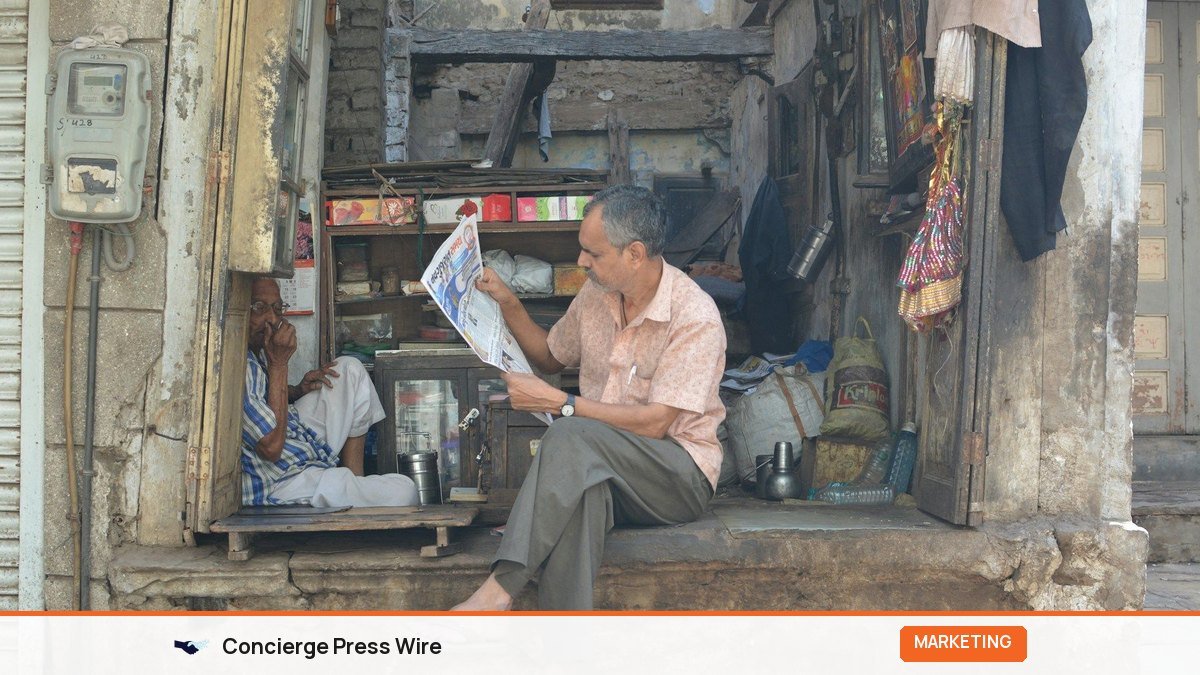
If your customers live in Indore, Coimbatore, Nashik or Siliguri, a story in the local Hindi, Tamil, Marathi or Bengali edition will often do more for you than a line in a national English daily. This guide shows you how to find the right regional reporters, prepare a pitch they can actually use, work with district editions, and get on regional TV and radio without a big agency budget.
Key Takeaways
- Regional media works on geography first: pitch the city or district edition that covers your customers, not the head office.
- Build a simple media map of 20-40 names: district reporters, city bureau chiefs, regional TV desks and local radio.
- Do not just translate your English release. Rewrite it in the reader’s language with a local angle, local names and local numbers.
- Phone and WhatsApp matter more in regional newsrooms than email, but keep messages short and send the full text as a document.
- Offer visuals, a local spokesperson who speaks the language, and a clear reason why the story matters to that district this week.
Why Regional-Language Coverage Deserves Its Own Plan
Most Indian founders start their PR thinking in English. They draft one release, send it to a list of national business journalists, and wait. For a fintech raising a Series A, that may be the right audience. For a solar installer in Jaipur, a dairy brand in Gujarat or a coaching institute in Patna, it usually is not.
Regional newspapers are organised around places. A large Hindi daily may print dozens of editions, and each city edition carries pages for its own district and even its own blocks and towns. That structure creates space for local business news that national papers simply do not have. A new cold-storage unit or a school launching scholarships is routine news for a district page.
The same is true on air. Akashvani, the public radio broadcaster, says its News Services Division runs 44 regional news units producing daily bulletins in many languages, as listed on the Prasar Bharati Akashvani page. Private regional news channels and local cable channels add more slots. None of them are waiting for your English release, but many of them need a steady flow of local stories.
So treat regional coverage as its own channel, not as a translation job tacked on at the end.
Step 1: Decide Where Your Story Is Actually Local
Before you look for a single journalist, write down the places where the story genuinely matters. Be strict. “All of Maharashtra” is not an answer. “Pune city, Pimpri-Chinchwad, and Satara district where our plant is” is.
Ask three questions:
- Where is the physical event? A new store, factory, office, clinic or camp gives the local edition an obvious hook.
- Where do the affected people live? Farmers you buy from, students you train, patients you serve, workers you hire.
- Where are your founders from? A “local boy or girl builds company” angle is still one of the most reliable regional stories, especially in the founder’s home district.
For example, a spice brand based in Rajkot that sources chillies from Guntur could have three separate local stories: a Gujarati story about a Rajkot company expanding, a Telugu story about Guntur farmers getting a new buyer, and a Hindi or English trade story about the brand’s growth. One announcement, three angles, three different reporters.
Step 2: Build a Regional Media Map
You do not need an expensive database to start. A spreadsheet and two or three focused hours per district are enough. The aim is 20 to 40 relevant names, not 500 random email addresses.
Where to find the names
- Read the local pages for two weeks. Buy or open the e-paper of the main two or three papers in your district. Note who writes business, civic, agriculture, health or education stories. Many regional papers carry bylines; where they do not, the dateline and section tell you which desk handled it.
- Check the e-paper imprint line. The printer line usually names the edition’s resident editor and office address, which helps you reach the right local office.
- Ask your local network. Chambers of commerce, trade associations, district industries centres and even your CA often know the reporters who cover business events in town.
- Watch regional TV and note the reporter names at the end of field reports from your city. They are often the district correspondents or stringers.
- Follow local journalists on social media. Many post their stories and share a WhatsApp number for news tips.
To confirm that a publication is a registered periodical, you can check details with the Press Registrar General of India, which registers print periodicals under the Press and Registration of Periodicals Act, 2023, as described on the Ministry of Information and Broadcasting PRGI page.
A simple media map template
| Column | What to record | Example entry (illustrative) |
|---|---|---|
| Outlet | Paper, channel or station name | Leading Hindi daily, Indore city edition |
| Language | Hindi, Marathi, Tamil, etc. | Hindi |
| Edition / area | City, district or region covered | Indore city + Dewas pullout |
| Name and role | Reporter, bureau chief, stringer, producer | Business reporter, city bureau |
| Beat | What they usually cover | Trade, industry, GST, markets |
| Contact | Email, phone, WhatsApp, office address | Email + WhatsApp shared on their public profile |
| Last story seen | Date and headline | Story on new industrial area allotment |
| Status | Pitched, replied, covered, not interested | Pitched 12 Oct, call back Friday |
Keep the “last story seen” column honest. It forces you to read before you pitch.
Step 3: Understand How a Regional Newsroom Works
Regional newsrooms are structured differently from metro English newspapers, and pitching them the same way wastes effort.
- District and tehsil reporters file most local copy. Some are full-time staff; many are stringers or part-time correspondents paid per story. They know the area deeply and value tips that save them legwork.
- City bureau chiefs or resident editors decide what goes on the city pages. For a bigger story, reach the bureau as well as the reporter.
- The desk edits and lays out pages in the evening. Stories reaching reporters after late afternoon may slip to the next day or get cut for space.
- Supplements and pullouts such as education, property, health and city lifestyle sections often have separate in-charges and longer lead times.
The lesson: send material early in the day and never assume one email to a central “news@” address will reach your district reporter.
Step 4: Rewrite, Don’t Translate
A literally translated English press release reads badly in Hindi or Kannada. Sentences become long and stiff, corporate terms like “synergy” or “omnichannel” have no natural equivalent, and the local angle is buried. Regional editors notice immediately.
Instead, brief a native writer to rewrite the story for local readers. If you have not yet drafted the core announcement, our guide on how to write a press release in India covers the structure; the regional version then reuses the facts, not the sentences.
Brief for your regional writer
- The local headline angle: what changes for people in this district.
- Local facts: exact address, ward or area name, number of local jobs, local suppliers, nearby landmarks.
- A quote in the language: ideally from a spokesperson who actually speaks it and can repeat it on camera.
- Numbers in Indian format: lakh and crore, rupees, dates written the way local papers write them.
- Plain words: keep brand names and technical terms in English only where readers already use them that way (UPI, GST, EV).
- Length: 250-400 words is plenty for a district page. Add a separate short note with background for the reporter.
Always get a second native speaker to check the final text. Mistakes in names, honorifics or place spellings are noticed by readers and can embarrass both you and the reporter.
Language-wise practical notes
| Language market | Practical tip |
|---|---|
| Hindi (UP, MP, Bihar, Rajasthan, Haryana, etc.) | Edition structure is very local; pitch the city and district office, not only the state capital. |
| Marathi | Separate Pune, Mumbai, Nashik, Kolhapur and Vidarbha angles; local business and civic stories travel well. |
| Gujarati | Trade, industry and community achievements get attention; Surat, Rajkot and Ahmedabad have distinct business news cultures. |
| Tamil, Telugu, Kannada, Malayalam | Use a fluent native spokesperson; English quotes are often rewritten anyway, so give them a proper local quote. |
| Bengali, Odia, Assamese | Cultural and community angles, especially around festivals, education and health, often fit local pages. |
These are working observations, not rules.
Step 5: Pitch the Way Regional Reporters Prefer
Email still matters because reporters need the text to file. But in many regional newsrooms, a short call or WhatsApp message is what makes them open that email.
A pitch sequence that works
- Morning WhatsApp (two to three lines): who you are, the local news in one sentence, and an offer: “Can I send the details and photos?”
- Send the pack on approval: the release as a Word document (not only a PDF, so they can copy text), three or four high-resolution photos, the spokesperson’s name and number, and the event address with a map pin.
- One polite follow-up: the next day or before the event. Not more than that.
- On the day: have someone at the venue who knows which reporters are coming, speaks the language and can arrange quick interviews.
- After publication: thank the reporter, share the clipping on your channels with credit, and update your media map.
Sample WhatsApp pitch (Hindi, Roman script)
Namaste Sharma ji, main Vidhaata Foods se bol raha hoon. Hum is Shanivaar Dewas Road par apni nayi packaging unit shuru kar rahe hain, jahan 60 local logon ko naukri mili hai. Kya main aapko press note aur photos bhej sakta hoon?
Short, local, specific. The number of local jobs, the road name and the day are what make a district reporter interested. Note that the company and numbers above are illustrative.
What not to do
- Do not mass-forward the same message to 200 numbers. Reporters talk to each other and will notice.
- Do not call the desk during evening page-making unless it is genuinely breaking news.
- Do not offer cash or gifts for coverage. Paid placements must be clearly marked as advertising or advertorial, and asking a reporter for “paid news” damages your reputation.
If your releases keep going unanswered, the reasons are often the same as for English media; our list of why press releases get rejected applies equally to regional desks.
Timing around the local calendar
Regional pages fill up fast during elections, major festivals, exam results and local melas.
- Check local calendars for big events such as civic elections, state budget days and large religious gatherings, and avoid those days.
- Festival-linked stories need to reach reporters before the festival, not on the day.
- Weekday mornings are usually the best time to reach district reporters.
- Sunday and supplement pages work for softer human-interest stories and are planned earlier.
Step 6: Regional TV and Radio
Television and radio need different raw material from print. A TV reporter needs pictures and a person to speak on camera; a radio producer needs a clear voice and a story that can be told in under two minutes.
Regional TV
- Find the district reporter or stringer for each regional channel. Many file visuals from smaller cities on their phones.
- Offer visuals, not just words: machines running, a live demonstration, a ribbon-cutting by a local figure, students or customers using the service.
- Prepare a 20-second spoken statement in the local language for your spokesperson. Practise it.
Akashvani, FM and community radio
- Akashvani regional news units and local stations air bulletins and programmes on agriculture, health, youth and women’s issues. Stories with genuine public-interest value, such as a free health camp, a farmer training session or a skilling programme, fit these formats best.
- Community radio stations, typically run by NGOs, educational institutions and Krishi Vigyan Kendras, serve very small areas. They are useful if your work involves farmers, rural women or students in that area.
Offer radio a guest who can speak usefully on a topic, not a product announcement. A dairy brand’s vet on winter cattle care is a programme; a new milk pack is an advert.
Step 7: Track What You Get
Keep a simple record of every story: date, outlet, edition, page or programme, language, and a photo or link. Regional e-papers often allow you to clip and share a single story, which is useful for your website’s “in the news” page and for sales conversations with local dealers or distributors.
Over a few months you will see which districts, outlets and angles respond. That record is worth more than any purchased media list. If you also distribute your announcement through wire services, compare what that delivers against direct regional pitching; our guide to press release distribution in India explains what wire distribution does and does not do.
Regional pitch checklist
| Before you pitch | Done? |
|---|---|
| Local angle written in one sentence for each district | Yes / No |
| Media map with at least 20 named contacts and a “last story seen” | Yes / No |
| Release rewritten (not translated) by a native writer and proofread by a second person | Yes / No |
| Quote from a spokesperson who speaks the language | Yes / No |
| 3-4 photos at high resolution, captions in the language | Yes / No |
| Word file and plain-text version ready for WhatsApp | Yes / No |
| Event time suits TV and print deadlines | Yes / No |
| Person at the venue to receive media and arrange interviews | Yes / No |
Frequently Asked Questions
Should I send the same release to Hindi and English papers?
Send the same facts but not the same text. The English version can carry business context for trade readers, while the Hindi version should lead with what changes for people in the district. Keep names, numbers and dates identical across versions.
Is it acceptable to pitch regional journalists on WhatsApp?
Yes, many regional reporters prefer it, especially those who share their number publicly for news tips. Keep the first message to two or three lines, ask before sending files, and do not add them to broadcast groups without permission.
Do I need to pay for coverage in regional newspapers?
Editorial coverage should not be paid for. Newspapers do sell advertisements and clearly marked advertorials, which is a separate commercial decision. If someone offers “guaranteed news” for money, treat it as advertising and expect it to be labelled as such.
How many districts should a small business target at once?
Start with one to three districts where you have real activity, such as your store, plant or customer base. It is better to build strong relationships with ten reporters in two districts than to send releases to an entire state with no local hook.
Who should be the spokesperson for regional media?
Choose someone who speaks the language naturally and knows the local operation, such as a plant head, branch manager or a founder from that region. Fluency and local credibility matter more than seniority.
How long does it take to see results?
A strong local story can appear within a day or two. Building a reliable network of regional contacts usually takes a few months of consistent, useful pitching and prompt follow-up.
Start With One District This Month
Pick the single district where your business has the most genuine local news, spend two weeks reading its papers, build a list of 20 names and prepare one properly rewritten story. Do that well once, and you will have a repeatable system you can extend to the next district and the next language.