Tulsi Vivah 2026: Date, Dev Uthani Ekadashi and Puja Vidhi
Tulsi Vivah 2026 falls on 21 November, a day after Dev Uthani Ekadashi on 20 November. Here are the tithi timings, parana window, puja vidhi and customs.
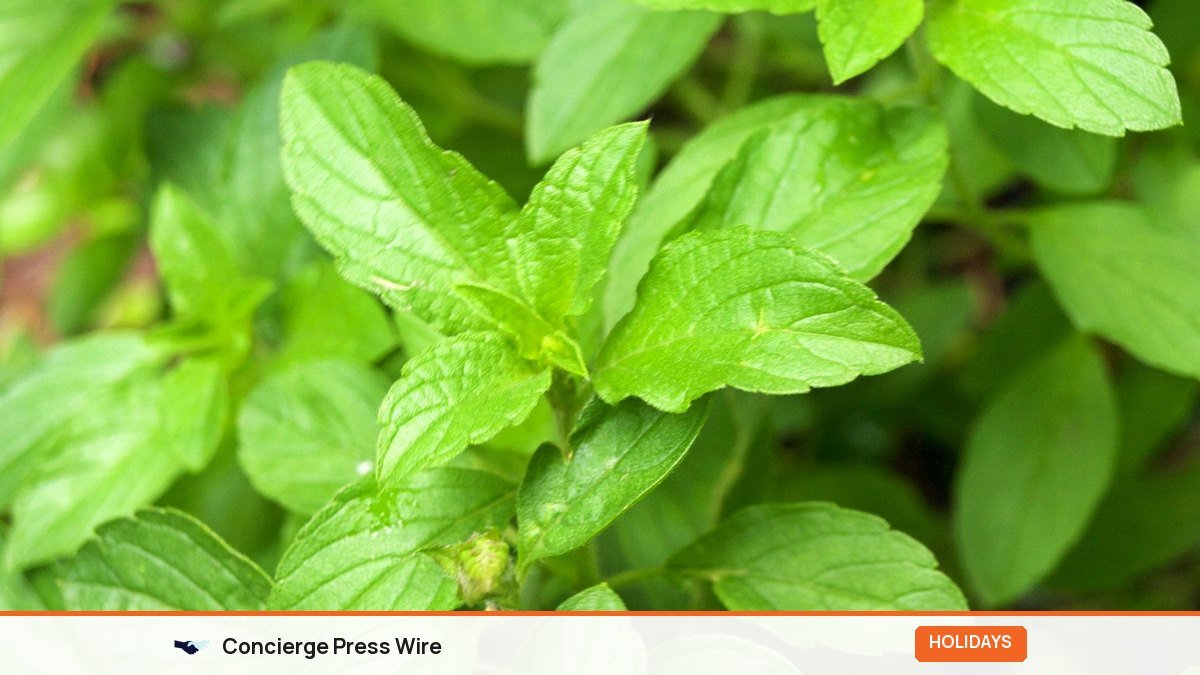
Tulsi Vivah 2026 falls on Saturday, 21 November 2026, on Kartik Shukla Dwadashi, and Dev Uthani (Prabodhini) Ekadashi is the day before, on Friday, 20 November 2026, according to Drik Panchang. This guide (updated October 2026) gives you the tithi timings and parana time, a simple step-by-step puja vidhi for home, the samagri list, the story and significance, regional customs, and what the start of the wedding season means for families and businesses.
Key Takeaways
- Dev Uthani Ekadashi: Friday, 20 November 2026; Ekadashi tithi from 7:15 AM on 20 November to 6:31 AM on 21 November (New Delhi).
- Parana (breaking the fast): 21 November 2026, 1:11 PM to 3:18 PM (New Delhi), after Hari Vasara ends at 12:07 PM.
- Tulsi Vivah: Saturday, 21 November 2026; Dwadashi tithi from 6:31 AM on 21 November to 4:56 AM on 22 November.
- Many families perform Tulsi Vivah on the evening of Ekadashi itself, and some traditions treat any day up to Kartik Purnima as auspicious for it.
- Dev Uthani Ekadashi marks the end of Chaturmas, and Hindu wedding muhurats resume after it.
Tulsi Vivah and Dev Uthani Ekadashi 2026: dates and timings
The timings below are for New Delhi from Drik Panchang’s Prabodhini Ekadashi page and its Tulasi Vivah page. Timings shift by a few minutes in other cities, so check your city on the same pages or your local panchang.
| Observance | Date | Timing (New Delhi) |
|---|---|---|
| Ekadashi tithi begins | Fri, 20 Nov 2026 | 7:15 AM |
| Dev Uthani / Prabodhini Ekadashi fast (Smarta) | Fri, 20 Nov 2026 | Full day |
| Ekadashi tithi ends | Sat, 21 Nov 2026 | 6:31 AM |
| Hari Vasara ends | Sat, 21 Nov 2026 | 12:07 PM |
| Parana (break fast) | Sat, 21 Nov 2026 | 1:11 PM to 3:18 PM |
| Dwadashi tithi (Tulsi Vivah) | Sat, 21 Nov 2026 | 6:31 AM to 4:56 AM on 22 Nov |
| Gauna Ekadashi (alternate fast) | Sat, 21 Nov 2026 | Parana 22 Nov, 6:49 AM to 8:56 AM |
Which day should you fast?
Drik Panchang lists two Ekadashi dates this year. It advises families following the Smarta tradition (most grihastha households) to fast on the first date, Friday 20 November. The second date, Saturday 21 November, is the Gauna Ekadashi, which the page describes as meant for sannyasis, widows and those seeking moksha. Some Vaishnava calendars may list the later date, so check the one your temple follows. If your family follows a particular sampradaya or temple calendar, go with it.
Which day for Tulsi Vivah?
Drik Panchang gives Saturday, 21 November (Dwadashi) as the Tulsi Vivah date. In practice, customs differ:
- Many households in Gujarat, Maharashtra and north India perform the vivah on the evening of Dev Uthani Ekadashi (20 November) after the deities are “woken”.
- Others hold it on Dwadashi (21 November), which Drik Panchang lists.
- Some families and temples choose any evening in the five days from Prabodhini Ekadashi to Kartik Purnima. Kartik Purnima (Dev Deepawali) is expected on Tuesday, 24 November 2026; confirm the date in your panchang.
Drik Panchang also notes that the Padma Purana places Tulsi Vivah on Kartika Shukla Navami, which is why a few communities begin even earlier.
Significance: why Tulsi is married to Vishnu
Tulsi (holy basil) is worshipped in most Hindu homes as a form of the Goddess. In the best-known story, Vrinda was the devoted wife of the demon king Jalandhar, whose power came from her chastity. To defeat him, Vishnu took Jalandhar’s form and broke Vrinda’s vow. When she realised what had happened, she cursed Vishnu to become a stone, the Shaligram. Vishnu blessed her in turn, saying she would be worshipped as the Tulsi plant and that he would marry her in his Shaligram form. Tulsi Vivah re-enacts that marriage.
The festival also marks a change in the religious calendar. According to tradition, Vishnu sleeps for four months from Devshayani Ekadashi in Ashadha to Prabodhini Ekadashi in Kartik. This period, Chaturmas, is considered unsuitable for weddings and similar ceremonies. When Vishnu “wakes” on Dev Uthani Ekadashi, the auspicious season returns, and Tulsi Vivah is often seen as the first wedding of the season.
In 2026, the Hindu calendar has an extra month (Adhik Jyeshtha, mid-May to mid-June), which is why Diwali and Dev Uthani Ekadashi fall in November this year, later than in 2025.
Tulsi Vivah puja vidhi at home: step by step
This is a simple home version. Temples and families with a purohit may follow a fuller ritual including havan and kanyadaan; follow your family custom where it differs.
- Clean and decorate the Tulsi. Clean the area around the Tulsi plant or tulsi vrindavan (planter). Draw a rangoli and decorate with flowers, a small mandap of sugarcane stalks, and mango leaves.
- Dress the bride. Drape a red chunri or small saree on the plant and adorn it with bangles, bindi, sindoor and a small mangalsutra or ornaments, as you would a bride.
- Prepare the groom. Place the Shaligram stone, or an idol or picture of Vishnu or Krishna, on a small wooden seat beside the Tulsi. Bathe the Shaligram with water and panchamrit and dress it in yellow cloth.
- Ganesh puja and sankalpa. Begin with a prayer to Ganesha, then state the sankalpa with the date and family name.
- Offerings. Offer haldi, kumkum, rice, flowers, fruits (especially amla, sugarcane, ber, sweet potato and water chestnut, which are seasonal), sweets and a ghee lamp.
- The wedding. Tie the Tulsi’s chunri to Vishnu’s yellow cloth to make the knot (gathbandhan). A family member, often the woman of the house, carries the Shaligram around the Tulsi seven times for the pheras while the others sing mangal geet or chant.
- Kanyadaan. In many homes, a couple acts as Tulsi’s parents and performs kanyadaan.
- Aarti and prasad. Perform aarti, then share prasad, often sweets, panchamrit and the seasonal fruits.
Samagri checklist
| For Tulsi (bride) | For Vishnu / Shaligram (groom) | Puja items |
|---|---|---|
| Red chunri or small saree | Shaligram stone or Vishnu/Krishna idol | Ghee lamp, incense, camphor |
| Bangles, bindi, sindoor | Yellow cloth, sacred thread | Haldi, kumkum, rice (akshat) |
| Mehendi, small ornaments | Sandalwood paste | Flowers and garlands |
| Small mangalsutra (optional) | Tulsi leaves for offering | Sugarcane stalks for the mandap |
| Flowers for the plant | Panchamrit | Seasonal fruits, sweets, coconut |
Dev Uthani Ekadashi fast: rules most families follow
- The fast begins at sunrise on Ekadashi and is broken during the parana window the next day.
- Grains, rice and pulses are avoided. Many people take fruits, milk, sabudana, singhara (water chestnut) flour, and potatoes; some keep a nirjala (waterless) fast.
- In the evening, devotees perform the “waking” ritual for Vishnu with a conch or bells and songs such as “Utho Dev, baitho Dev”.
- Parana should not be done during Hari Vasara (until 12:07 PM on 21 November in New Delhi). Drik Panchang lists 1:11 PM to 3:18 PM as the parana window.
Fasting is a personal choice. Anyone who is pregnant, diabetic, elderly, or on medication should consult a doctor before fasting.
Things families traditionally avoid on Ekadashi and Tulsi Vivah
Customs vary, but these are the practices most households follow around Dev Uthani Ekadashi and the Tulsi Vivah:
- Do not pluck tulsi leaves on Ekadashi. Many families pluck the leaves needed for the puja a day earlier, on Dashami, and keep them fresh in water.
- No grains or rice on Ekadashi for those fasting, and many households avoid onion and garlic for the whole day.
- Avoid cutting or uprooting the tulsi plant during the festival. If an old plant has dried, many families replace it after the vivah rather than before.
- Do not offer tulsi to Ganesha. By tradition, tulsi is not used in Ganesha’s worship, so keep it for Vishnu and Krishna during the combined puja.
- Keep the puja area clean and lit through the evening; a ghee or oil lamp near the tulsi is customary throughout Kartik month.
If you are unsure about any of these, follow what your elders or family priest advise. These are traditions rather than fixed rules, and practice differs between communities.
Regional customs across India
Tulsi Vivah is celebrated widely, with local touches. A few examples documented by Drik Panchang and widely practised:
- Gujarat and Saurashtra: in some Ram temples, an invitation is sent from the bride’s temple to the groom’s temple, and the deity (Lalji) is taken in a procession for the wedding. Couples without children sometimes take on the role of Tulsi’s parents.
- Maharashtra: a white cloth called the antarpat is held between the deities during the ceremony and removed at the end, followed by the showering of akshat, just like a Marathi wedding. Many families eat the season’s first amla and sugarcane after the vivah.
- Vrindavan, Mathura and Braj: devotees fast all day and celebrate the wedding in the evening with haldi, mehendi, jaimala, pheras and baraat.
- Andhra Pradesh and Telangana: the ritual is often called Tulasi Kalyanam, and in some homes an amla branch represents Vishnu.
- Bihar and eastern Uttar Pradesh: Dev Uthani Ekadashi is a major day; houses are cleaned, sugarcane is offered, and the season’s new produce is shared.
The wedding season begins: what it means for families and businesses
For many Indian families, Dev Uthani Ekadashi is the green light for weddings, griha pravesh, engagements and other ceremonies that were put on hold during Chaturmas. Expect the first big cluster of wedding muhurats in the last week of November and December 2026, though exact dates vary by panchang and region.
If you run a business connected to weddings, the weeks after Tulsi Vivah are a peak period:
- Caterers, decorators, photographers and banquet halls: confirm bookings and advance payments in writing, and keep GST invoices ready for clients who need them.
- Jewellers and apparel stores: stock up after Diwali; footfall usually rises again after Dev Uthani.
- Nurseries and puja shops: tulsi plants, sugarcane, chunris, Shaligram and samagri kits sell fast in the week before Ekadashi.
- Messaging: simple greetings such as “Wishing you a blessed Tulsi Vivah and Dev Uthani Ekadashi” work; avoid turning deity images into discount banners.
Caring for your Tulsi plant through winter
Since the plant is the centre of the festival, a few practical tips help it survive the north Indian winter:
- Keep it where it gets at least four to five hours of sunlight.
- Reduce watering in winter; soggy soil kills tulsi faster than dry soil.
- Pinch off the manjari (flower spikes) regularly to keep the plant bushy.
- Move pots away from cold winds on open terraces in December and January.
- Remove the decorations a day or two after the vivah so the leaves can breathe.
Frequently Asked Questions
When is Tulsi Vivah in 2026?
Tulsi Vivah is on Saturday, 21 November 2026, on Kartik Shukla Dwadashi, according to Drik Panchang. Many families perform it on the evening of Dev Uthani Ekadashi, Friday 20 November.
When is Dev Uthani Ekadashi in 2026?
Dev Uthani (Prabodhini) Ekadashi is on Friday, 20 November 2026 for Smarta households. The alternate Gauna Ekadashi is on Saturday, 21 November 2026.
What is the parana time for Dev Uthani Ekadashi 2026?
For New Delhi, the parana window is 1:11 PM to 3:18 PM on 21 November 2026. Those who fast on the Gauna Ekadashi break the fast on 22 November between 6:49 AM and 8:56 AM.
Can unmarried girls perform Tulsi Vivah?
Yes. In many families, unmarried girls take part or lead the puja, and it is traditionally believed to bless them with a good marriage. Customs vary, so follow your family’s practice.
Can Tulsi Vivah be done without a Shaligram?
Yes. If you do not have a Shaligram, use an idol or picture of Vishnu or Krishna. In parts of Andhra Pradesh and Telangana, an amla branch is used to represent Vishnu.
Do weddings start after Dev Uthani Ekadashi?
Traditionally, yes. Chaturmas ends on Dev Uthani Ekadashi, and wedding muhurats resume after it. Check exact muhurat dates with your family priest or panchang.
Mark both evenings on your calendar
For 2026, the dates to remember are Friday 20 November for Dev Uthani Ekadashi and Saturday 21 November for Tulsi Vivah, with parana on the afternoon of the 21st. Keep the samagri ready a day early, decide with your family whether the vivah happens on Ekadashi evening or Dwadashi, and check local timings on Drik Panchang or your own panchang. Dates and timings in this guide were checked in October 2026.