Indian Wedding Budget Planner 2026: Cost Breakdown and Gift Tax
Build a realistic Indian wedding budget with a category-wise breakdown, sample plans, saving ideas, a loan-versus-savings comparison and the tax rules on wedding gifts.
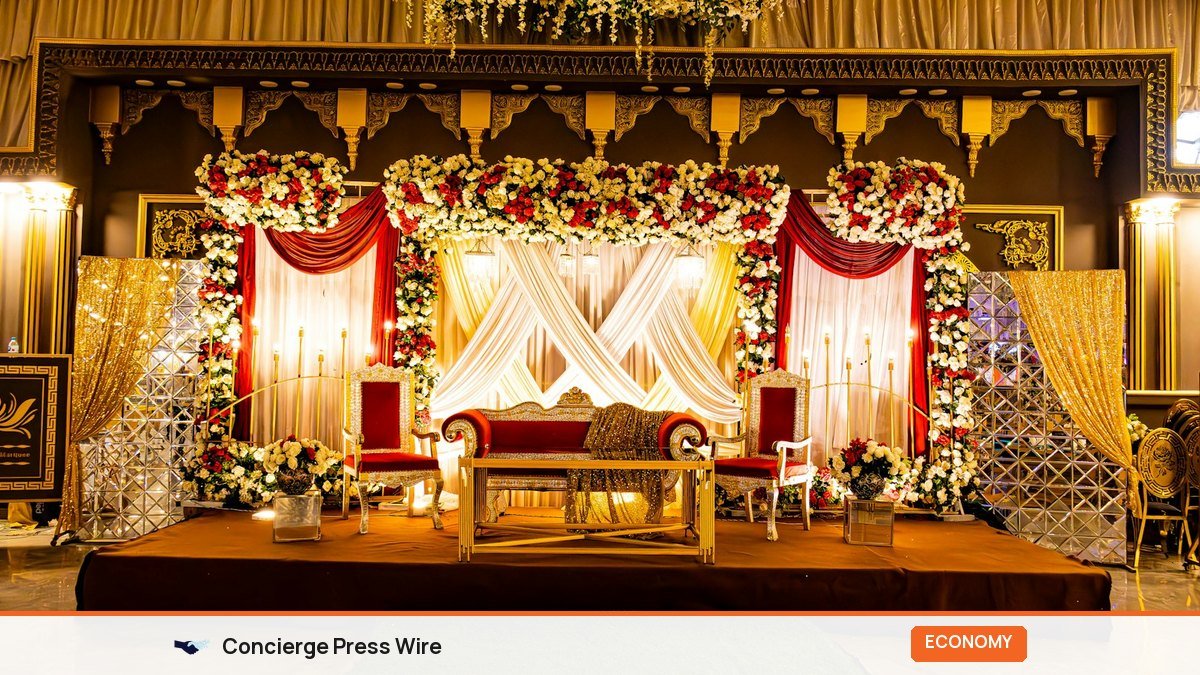
A realistic Indian wedding budget starts with one number you can afford without stress, then splits it across venue and food, clothes and jewellery, décor, photography and the smaller costs that quietly add up, with 10% kept aside for surprises. This planner gives you a category-wise breakdown table, sample budgets for Rs 10 lakh and Rs 25 lakh weddings, practical ways to save, a clear comparison of a loan versus savings, and the income tax rules on wedding gifts from relatives and friends.
Updated November 2026. Prices vary widely by city, season and family customs; use the percentages as a starting point, not a quote. Tax rules change, so confirm gift and cash rules with the official income tax portal or a chartered accountant.
Key Takeaways
- Fix the total first, then the guest count; the guest count drives venue, food and return gifts, which are usually the biggest costs.
- Keep a contingency of about 10% and track every payment in one sheet shared by both families.
- Borrowing for a wedding is costly: a Rs 5 lakh personal loan at 12% for three years costs about Rs 98,000 in interest.
- Gifts the bride or groom receive on their own marriage are not taxed, and gifts from defined relatives are exempt at any time.
- Gifts from non-relatives to the parents are not covered by the marriage exemption once they cross Rs 50,000 in a year, so keep records.
Step 1: Set the Number Before You Book Anything
Most wedding budgets go wrong because the venue is booked before anyone agrees on the total. Sit down with both families early and settle three things:
- Total budget: what can be spent from savings without touching emergency funds or retirement money.
- Who pays for what: many families split by event (for example, one side hosts the sangeet, the other the reception) or by category. Write it down to avoid awkward moments later.
- Guest count range: a firm upper limit for each event. Every extra 100 guests changes the venue size, plates, return gifts and transport.
If you have not chosen dates yet, our list of wedding muhurat dates for November and December 2026 helps; popular dates cost more, so a less crowded muhurat can save real money.
Wedding Budget Breakdown by Category
The percentages below are an illustrative split that many planners use as a starting point. Your family’s priorities will move them: some spend more on jewellery, others on the reception.
| Category | Typical share of budget | What it includes |
|---|---|---|
| Venue and catering | 35 to 45% | Hall or lawn rent, food per plate, service staff, taxes |
| Jewellery | 10 to 20% | Bridal set, rings, family gold gifts |
| Clothes and styling | 8 to 12% | Bridal lehenga or saree, groom’s outfits, family outfits, makeup, mehendi artist |
| Décor, lighting and sound | 8 to 12% | Stage, mandap, flowers, lights, DJ or band |
| Photography and video | 5 to 8% | Photographers, videographer, album, pre-wedding shoot |
| Guest stay and transport | 4 to 8% | Rooms for out-of-town guests, cars, baraat arrangements |
| Invitations, gifts and return gifts | 3 to 6% | Cards or e-invites, shagun envelopes, return gifts |
| Rituals and priest | 1 to 3% | Pandit dakshina, puja samagri, haldi and mehendi supplies |
| Contingency | About 10% | Last-minute guests, overtime, price changes, extra trips |
Sample Budgets: Rs 10 Lakh and Rs 25 Lakh
Two illustrative plans using the split above. These are examples to help you think, not market rates for any particular city.
| Category | Rs 10 lakh wedding (about 250 guests) | Rs 25 lakh wedding (about 500 guests) |
|---|---|---|
| Venue and catering | Rs 4,00,000 | Rs 10,00,000 |
| Jewellery | Rs 1,50,000 | Rs 3,50,000 |
| Clothes and styling | Rs 1,00,000 | Rs 2,50,000 |
| Décor, lighting and sound | Rs 90,000 | Rs 2,00,000 |
| Photography and video | Rs 60,000 | Rs 1,50,000 |
| Guest stay and transport | Rs 50,000 | Rs 1,50,000 |
| Invitations and gifts | Rs 40,000 | Rs 1,00,000 |
| Rituals | Rs 10,000 | Rs 50,000 |
| Contingency | Rs 1,00,000 | Rs 2,50,000 |
| Total | Rs 10,00,000 | Rs 25,00,000 |
How to use this table
- Get two or three quotes for each line and write the lowest acceptable one next to it.
- If one category goes over, cut another immediately rather than hoping the contingency will cover it.
- Remember GST: most vendor quotes are exclusive of tax. Ask every vendor whether the price includes GST.
Where the Money Leaks: Hidden Costs to Plan For
- Per-plate creep: live counters, welcome drinks and dessert stations are often priced separately.
- Venue extras: generator backup, extra hours, cleaning charges, corkage or outside-vendor fees.
- Alterations and accessories: blouse stitching, dupattas, footwear, safas, clutches.
- Tips and staff food: drivers, band, decorators’ helpers and photographers’ assistants.
- Travel for shopping and trials: multiple trips to the jeweller and tailor add up.
- Post-wedding: reception for one side, griha pravesh rituals, thank-you visits and the honeymoon.
12 Practical Ways to Save Without Looking Cheap
- Trim the guest list first. It is the only lever that reduces almost every category at once.
- Choose a less in-demand muhurat or a weekday. Venues and vendors quote lower when they are not fully booked.
- Combine functions. Mehendi and sangeet on the same evening saves one venue, one décor setup and one meal.
- Book a venue with in-house décor or catering and negotiate a package rather than paying each separately.
- Limit menu items. Ten excellent dishes beat thirty average ones, and wastage falls too.
- Use digital invitations for most guests; print a small number of cards for elders.
- Buy gold in stages over the months before the wedding to spread out the cost, and consider exchanging old family jewellery. Always ask for a hallmarked piece and an itemised bill.
- Rent or re-use outfits for some functions. Designer rentals are now common in big cities.
- Pick one strong photographer team instead of separate teams for each event, and agree on deliverables in writing.
- Use seasonal, local flowers and reuse ceremony décor at the reception where possible.
- Ask relatives to host out-of-town guests or block rooms at one nearby hotel with a group rate.
- Pay vendors in milestones linked to delivery, and get every agreement in writing with cancellation terms.
Loan vs Savings: How to Fund the Wedding
Paying from savings is almost always cheaper. If you must borrow, compare the real cost first.
| Option | Pros | Cons |
|---|---|---|
| Savings and planned investments | No interest, no repayment stress | Needs early planning; may delay other goals |
| Personal loan | Quick approval, no collateral | Higher interest; EMIs start right after the wedding |
| Gold loan | Usually cheaper than a personal loan; fast | Family gold is at risk if repayments are missed |
| Loan against FD or other investments | Lower rates; investments keep earning | Locks up the investment until repaid |
| Credit card or “buy now, pay later” | Convenient for small purchases | Very expensive if not repaid within the free period |
What a wedding loan really costs: worked example
Suppose a family borrows Rs 5,00,000 as a personal loan at an illustrative 12% a year for three years. The EMI comes to about Rs 16,600 a month and the total interest to about Rs 98,000. The same amount at 10% for one year means an EMI of about Rs 44,000 but only about Rs 27,500 in interest. Shorter loans cost less in total but need a much bigger monthly payment. Run your own numbers with an EMI calculator before you sign, and check processing fees and foreclosure charges.
If you are a parent saving for a child’s wedding a few years away, a recurring deposit or a systematic investment plan started now usually beats a loan later, because you earn returns instead of paying interest. Match the product to the time left: safer options for money needed within two to three years, and only money with a longer horizon in market-linked investments.
A simple rule: if the EMI would be more than a fifth of the household’s monthly take-home income, reduce the wedding, not your financial safety.
Wedding Gifts and Income Tax: The Rules for Relatives and Friends
Since 1 April 2026 the Income-tax Act, 2025 applies. Gift taxation moved from section 56(2)(x) of the old Act to section 92 of the new Act, and tax commentators, including this explainer on gift tax under the new Act, say the core rules are the same as before.
| Who receives | From whom | Tax treatment |
|---|---|---|
| Bride or groom | Anyone, on the occasion of their own marriage | Exempt, whatever the amount |
| Anyone | A “relative” as defined in the Act | Exempt, at any time, any amount |
| Parents of the bride or groom | Non-relatives (friends, colleagues, business contacts) | Taxable as income if the total from all non-relatives in the year exceeds Rs 50,000 |
| Anyone | Non-relatives, not on own marriage | Taxable if the total exceeds Rs 50,000 in the year |
Who counts as a relative?
The definition covers your spouse, your brothers and sisters, your spouse’s brothers and sisters, the brothers and sisters of your parents, your lineal ascendants and descendants (parents, grandparents, children, grandchildren), the lineal ascendants and descendants of your spouse, and the spouses of all these people. Cousins, friends and colleagues are not relatives under this definition.
Practical points
- Keep a gift register. Note who gave what, especially cheques, transfers and jewellery. It helps if questions are ever raised.
- Prefer bank transfers for large amounts. The old Act barred receiving Rs 2 lakh or more in cash from one person in a day, for one transaction or for one event, with a penalty equal to the amount. Check how this applies under the 2025 Act with your CA before accepting large cash gifts.
- Jewellery records: keep bills and any gift deeds for significant gold gifts. Old CBDT guidance has long allowed officers not to seize up to 500 g of gold jewellery for a married woman during searches, but this is a search guideline, not a tax-free limit.
- Dowry is illegal. Giving or taking dowry is an offence under the Dowry Prohibition Act, 1961. Voluntary gifts to the couple are different, and a written list of such gifts is a sensible record.
For forms and filings, the income tax e-filing portal is the official source. Taxable gifts must be shown in the return of the person who received them.
A Simple Wedding Budget Tracker
Create a shared sheet with these columns and update it after every payment:
| Column | Why it matters |
|---|---|
| Category and vendor | Shows where the money is going |
| Quoted amount (with or without GST) | Prevents surprises at final billing |
| Advance paid and date | Proof if there is a dispute |
| Balance due and due date | Avoids last-minute cash crunch |
| Paid by (which family) | Keeps the split clear |
| Notes and cancellation terms | Useful if dates change |
Frequently Asked Questions
What is the average cost of an Indian wedding?
There is no reliable single figure because costs vary by city, community and guest count. Build your own number from quotes for your guest count instead of relying on headline averages.
Are cash gifts received at a wedding taxable?
Gifts the bride or groom receive on their own marriage are exempt. Gifts to parents or others from non-relatives are taxable if the total crosses Rs 50,000 in a year. Large cash receipts carry separate restrictions, so prefer bank transfers.
Is it wise to take a personal loan for a wedding?
Only as a last resort and for a small amount. Compare total interest, fees and EMI against your monthly income, and consider cheaper options such as a loan against FD.
How much should I keep for contingency?
About 10% of the total budget. Weddings almost always run over in food, guest count and transport.
How early should we start planning the budget?
Ideally six to twelve months before the wedding. That gives time to save, buy gold in stages and book vendors before peak demand.
Do we need to pay GST on wedding services?
Most vendors such as venues, caterers and decorators charge GST on their bills. Ask each one whether the quoted price includes GST so your totals are accurate.
A Wedding You Can Enjoy and Afford
Agree on the number, cap the guest list, track every rupee in one sheet and keep 10% aside. Fund it from savings wherever you can, borrow only after you have checked the total interest, and keep simple records of gifts. Do that, and the bills will not follow you into married life. For tax questions specific to your family, speak to a chartered accountant.