How to Write CEO Quotes for a Press Release Journalists Use
A practical guide to press release quotes: what reporters lift, a three-part formula, illustrative rewrites for launches, funding and bad news, and an approval workflow.
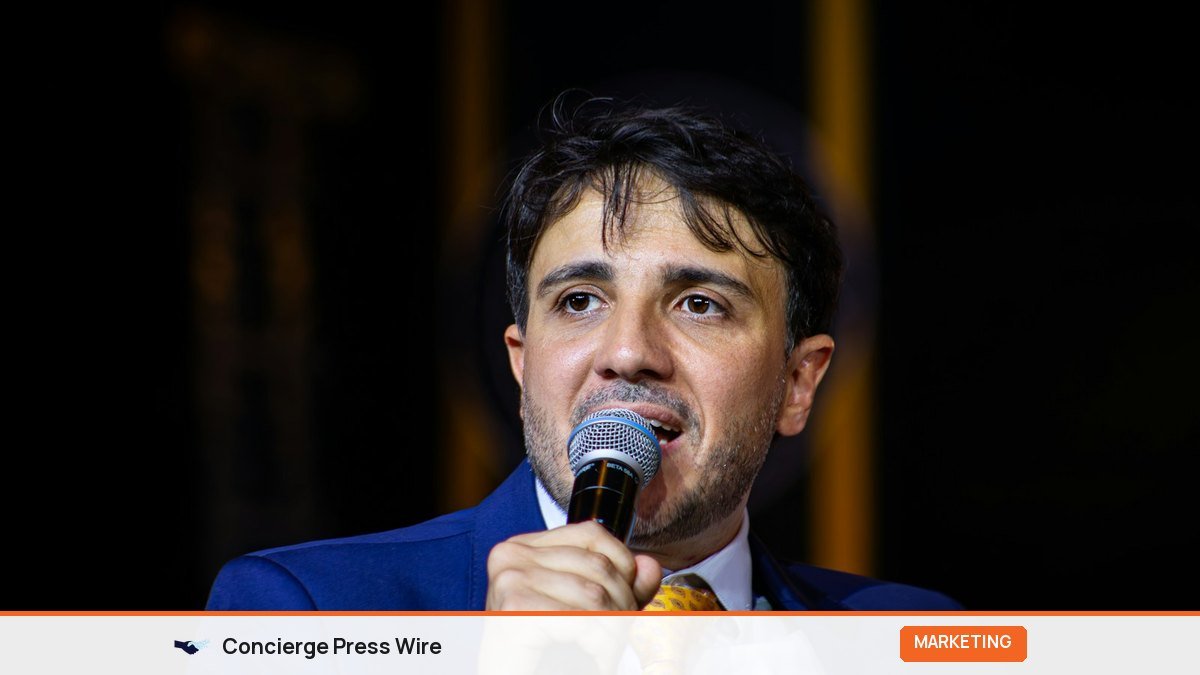
A good CEO quote in a press release says something the facts cannot: why the news matters, what the leader believes, or what happens next, in words a real person would say aloud. Most quotes fail because they repeat the headline in corporate language that no journalist will use. This guide shows what reporters actually lift from a release, a simple formula for writing quotes that get used, before-and-after examples (all illustrative), and an approval process that keeps the quote sharp instead of letting five reviewers sand it down.
Key Takeaways
- A quote should add opinion, context or emotion, never restate facts already in the release.
- Use the “why, so what, what next” formula and keep each quote to two or three sentences.
- Write the way the CEO talks. Read it aloud; if it sounds like a brochure, rewrite it.
- Avoid unprovable superlatives such as “India’s No. 1” or “best-in-class”. Claims need evidence, and the ASCI Code expects advertising claims to be substantiated.
- Agree a two-step approval: the CEO approves the substance and wording, legal or compliance checks facts and claims. Fewer reviewers means better quotes.
What journalists actually do with your quote
Reporters and editors receive far more releases than they can use. A press release is still valuable to them: Cision’s 2025 State of the Media survey of over 3,000 journalists found that 72% still cite press releases as the most useful resource PR teams offer. But when a reporter writes a story from your release, the quote is the part they are most likely to cut.
Here is what usually happens:
- The facts get rewritten. Funding amount, launch date, city, product features: the journalist paraphrases these in their own words.
- The quote gets judged. If it says something new and human, it may run word for word with the CEO’s name. If it is generic, it is deleted.
- A strong quote can lead to a call. A sharp opinion makes a reporter want to interview the CEO for a bigger story.
So the quote is not decoration. It is the one part of the release that can carry your leader’s voice into the final story, and it is your best chance of an interview.
The five quotes journalists ignore
| Type | Illustrative example | Why it fails |
|---|---|---|
| The echo | “We are pleased to announce the launch of our new app in Pune.” | Repeats the headline. Adds nothing. |
| The adjective pile | “This innovative, cutting-edge, best-in-class solution will transform the industry.” | Unprovable claims, no specifics. |
| The thank-you speech | “We thank our investors, partners, team and customers for their continued support.” | Polite but not news. |
| The mission statement | “Our vision is to empower every Indian with world-class solutions.” | Could belong to any company. |
| The 90-word monologue | A paragraph covering market size, features, team, vision and gratitude. | Too long to lift; reporters will not edit it down. |
If your draft quote fits any of these, rewrite it before anyone approves it.
The formula: why, so what, what next
A quote that gets used usually answers one or more of three questions that the facts cannot:
- Why are we doing this? The problem the leader saw, the customer insight, the moment that triggered the decision.
- So what? What changes for customers, the industry, the city or employees.
- What next? The plan, the next market, the next milestone, stated specifically.
Pick one or two. Trying to cover all three in one quote usually produces the 90-word monologue.
Rules that make a quote usable
- Two or three sentences, 30 to 60 words. Short enough to lift whole.
- One idea per quote. If you have two ideas, use two quotes or two speakers.
- Specific nouns and numbers. “Kirana owners in Indore” beats “small businesses”; “within 90 days” beats “soon”.
- Spoken language. Contractions, plain verbs, short words. The CEO should be able to say it on a phone call without sounding scripted.
- An opinion or feeling. “I was surprised”, “we got this wrong at first”, “the hardest part was”. Facts belong in the body.
- Full attribution. Name, designation and company, the first time: “said Priya Shah, Co-founder and CEO, Example Foods.”
Before and after: illustrative examples
These are invented examples for illustration only. Company and person names are placeholders.
Product launch
Before: “We are delighted to launch our innovative new millet snack range, which reflects our commitment to health and quality.”
After: “Parents kept telling us their children would eat millets only if they did not taste like millets. We spent eight months on recipes before a class of Std 5 students in Nagpur finally asked for seconds.”
Why it works: a real customer problem, a specific detail, and a small story a journalist can repeat.
Funding announcement
Before: “This funding is a testament to our strong fundamentals and will help us scale to new heights.”
After: “Most of this money goes into one thing: getting delivery in tier-2 towns under 48 hours. Today it takes us four days, and that is the main reason customers there do not reorder.”
Why it works: it tells the reader exactly where the money goes and admits a current weakness, which builds credibility.
New office or expansion
Before: “We are excited to expand our footprint to Coimbatore, a key market for us.”
After: “A third of our textile clients are within two hours of Coimbatore, and until now they had to wait for someone to fly in from Bengaluru. We plan to hire 40 people locally by March.”
Why it works: a reason rooted in customers, plus a concrete local number that a regional paper cares about.
Partnership
Before: “This strategic partnership brings together two industry leaders to create synergies and deliver value.”
After: “Their cold chain reaches places our trucks cannot. For a dairy brand, that is the difference between a 300-km and a 900-km market.”
Why it works: it explains the partnership in one clear benefit.
Difficult news (recall, outage, delay)
Before: “We regret any inconvenience caused and remain committed to the highest standards.”
After: “We let customers down last week, and I am sorry. Every affected order will be refunded in full by Friday, and we have added a second quality check at the Vapi plant so this does not happen again.”
Why it works: a clear apology, a specific remedy with a date, and a concrete fix. Have legal review any quote on a sensitive issue before release.
Using a second quote: customers, partners and experts
Many strong releases carry two quotes: one from the company’s leader and one from a partner, customer, investor or independent voice. The second quote adds credibility because someone outside the company is vouching for the news.
- Partner or investor: why they chose you, in their words. Get their written approval and their own communications team’s sign-off.
- Customer: a specific result, such as time saved or orders increased. Get written consent to use their name and designation.
- Government or association official: only if they actually said it and have approved its use in your release. Never paraphrase a speech into a quote.
Never invent a quote and attribute it to someone, and never put words in a customer’s mouth. If a journalist calls that person to check, your credibility with that reporter is finished.
Claims and compliance: what to keep out
A quote is still part of a public statement. A few rules apply in India:
- Superlatives need proof. Phrases like “India’s largest”, “No. 1” or “fastest-growing” invite questions. If you use them, cite the source and date in the release. The ASCI Code expects claims of fact to be capable of substantiation and warns against misleading exaggeration in advertising, and journalists apply similar scepticism.
- No health or financial promises. A food, wellness or fintech CEO should not say a product “cures”, “guarantees returns” or is “risk-free”. Sector regulators have their own rules on such claims.
- Listed companies: disclosure first. If the news is material for a listed company, SEBI’s listing regulations require disclosure to the stock exchanges. A CEO quote with forward-looking numbers should be cleared by the company secretary and must not reveal price-sensitive information before the exchange filing.
- Forward-looking statements. If the CEO predicts revenue or user numbers, phrase them as targets or plans, not certainties.
- Competitors. Do not name or disparage competitors in a quote. It reads as petty and can create legal risk.
Our guide to why press releases get rejected covers more of the claims and formatting issues that stop a release from being published.
Getting the quote and getting it approved
Interview the CEO instead of emailing a blank document
The best quotes come from conversation, not from a blank document emailed to the CEO. Book 15 minutes and ask questions like:
- Why does this matter to you personally?
- What did customers tell you that made you do this?
- What was the hardest part of getting here?
- If a friend asked what changes now, what would you say?
- What do you want to have achieved a year from today?
Record the call with permission, or take careful notes. Then pick the most natural, specific line, tidy it lightly (grammar, filler words, length), and send it back for approval. You are shaping their words, not inventing new ones.
An approval process that protects the quote
Quotes usually die in approval. Five people each add a word like “innovative” or “leading”, and the result is mush. A simple process prevents that.
| Step | Who | What they check | Time |
|---|---|---|---|
| 1. Draft | PR or communications lead | Quote follows the formula, 30 to 60 words, one idea | Day 1 |
| 2. Voice approval | The CEO (the speaker) | “Would I actually say this?” Substance and wording | Within 24 hours |
| 3. Fact and claims check | Legal, compliance or company secretary | Numbers, claims, disclosure rules; changes only where there is a risk | Within 24 to 48 hours |
| 4. Partner sign-off | Partner’s communications team, if quoted | Their own quote and company description | Allow 2 to 5 working days |
| 5. Final read | PR lead | Names, designations, spelling, consistency with the release | Before release |
Approval tips
- Send the quote with a one-line note: “Please approve or suggest changes to meaning. Please avoid adding adjectives.”
- Name one final decision-maker for wording, usually the speaker.
- Keep an approval record (email is fine) showing who approved which version and when.
- Check the designation exactly as the person uses it on LinkedIn and the company website. Wrong titles are a common correction request.
- If legal changes the meaning, go back to the CEO rather than releasing a quote they did not approve.
Where the quote goes and how to format it
In a standard release, the main quote usually sits in the third or fourth paragraph, after the key facts. A second quote, from a partner or customer, can follow a paragraph later. Format points:
- Use double quotation marks and put the attribution after the first sentence or at the end: “Quote sentence one,” said Name, Designation, Company. “Quote sentence two.”
- Use “said”. Avoid “exclaimed”, “beamed” or “opined”.
- Use the full name and designation on first mention, surname only afterwards.
- For a Hindi or regional-language version, translate meaning naturally rather than word for word, and get the speaker’s approval of the translated quote too.
For the full release structure around the quote, see our guide on how to write a press release in India and the press release samples for Indian businesses.
Frequently Asked Questions
How long should a CEO quote in a press release be?
Aim for two or three sentences, roughly 30 to 60 words. That is long enough to carry one idea and short enough for a journalist to use without editing.
Can PR teams write quotes on behalf of the CEO?
Yes, drafting quotes is standard practice, but the CEO must genuinely agree with the words and approve them. The best drafts come from a short conversation with the CEO, so the quote reflects their real views and way of speaking.
How many quotes should a press release have?
One or two is typical: the company’s leader, and optionally a partner, customer or investor. More than that usually makes a release long and diluted.
Should the quote repeat the main news?
No. The facts belong in the opening paragraphs. The quote should add why the news matters, what it means for people, or what comes next.
Can I quote a government official or celebrity in my release?
Only if they actually made the statement and have approved its use in your release, ideally in writing. Never adapt a speech or social media post into a quote without permission.
Who should approve a press release quote?
The person being quoted approves the wording; legal or compliance checks facts, claims and any disclosure rules. Limit the number of reviewers so the quote does not lose its meaning.
Write one better quote today
Take the quote from your last release and test it: does it repeat the headline, pile up adjectives, or run past 60 words? Rewrite it with the “why, so what, what next” formula, read it aloud, and see if it sounds like your CEO. Before your next release goes out, run the draft through our free press release checker and put the approval steps above into your team’s checklist.