Surti Undhiyu Recipe: Step by Step, Pot and Cooker Method
A complete Surti undhiyu recipe with methi muthiya, green masala and both the pot and pressure-cooker methods, plus a timeline for Uttarayan 2027.
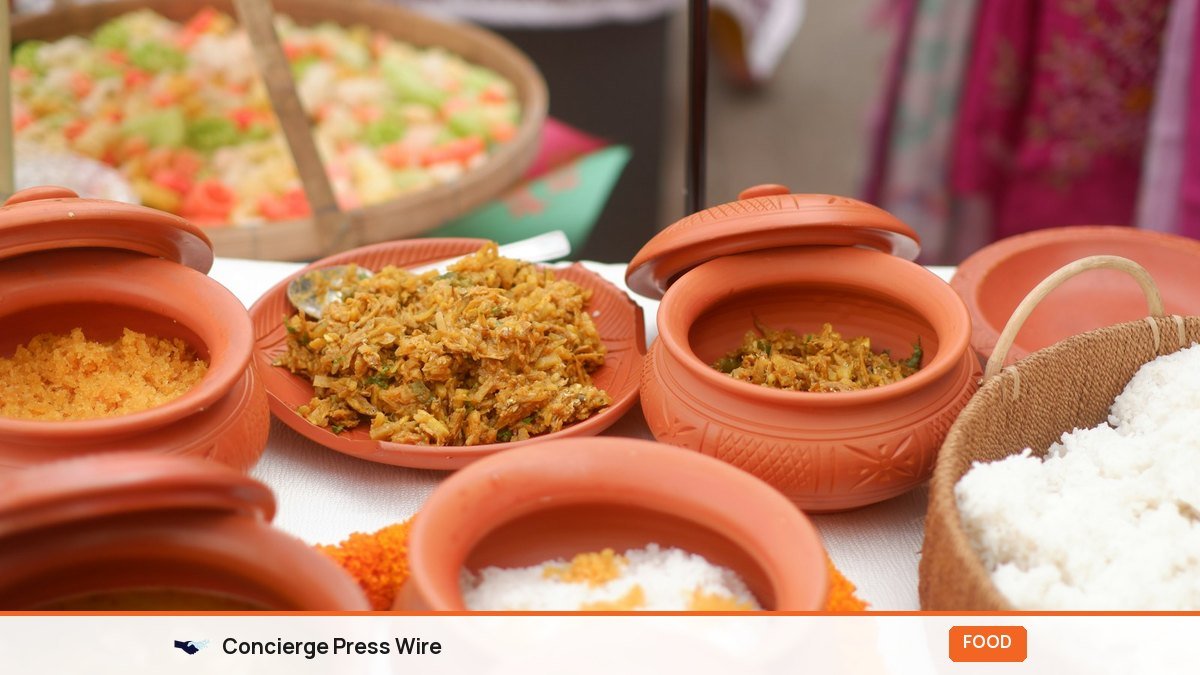
Surti undhiyu is a slow-cooked Gujarati winter dish of mixed beans, baby brinjals, potatoes, yam and sweet potato, stuffed and coated with a fresh green masala and finished with fried methi muthiya. This guide gives you the full recipe for about 6 to 8 people, the vegetable list with Hindi and Gujarati names, the muthiya and masala step by step, and both the pot (tapeli) method and the faster pressure-cooker method, so you can have it ready for Uttarayan.
Key Takeaways
- Good undhiyu depends on fresh winter vegetables: surti papdi, tuver lilva, small brinjals, baby potatoes, purple yam (kand) and sweet potato.
- The green masala (coconut, coriander, green garlic, ginger-chilli, sesame, sugar, lemon) goes both inside the stuffed vegetables and over the beans.
- Methi muthiya are fried separately and added in the last 10 minutes so they stay soft, not mushy.
- A heavy pot on low flame takes 45 to 60 minutes; a pressure cooker does it in 2 whistles plus resting time.
- Makar Sankranti 2027 falls on Friday, 15 January per Drik Panchang, with Gujarat flying kites on 14 and 15 January.
Updated November 2026.
Quick answer: what undhiyu is and when Gujarat eats it
The name comes from the Gujarati word “undhu”, meaning upside down. In the traditional village method, vegetables were packed into an earthen pot (matlu), the mouth sealed, and the pot turned upside down into a pit of burning embers. The version most families cook today is the Surti undhiyu from Surat, made in a pot on the stove with plenty of oil and a bright green masala. There is also a Kathiyawadi style that leans on red chilli powder, and the Valsad “umbadiyu”, which is still cooked in buried pots and sold at roadside stalls along the highway in winter.
Undhiyu is the signature dish of Uttarayan (Makar Sankranti) in Gujarat, eaten after a morning on the terrace flying kites, usually with puri, jalebi and shrikhand or with hot rotlas. Families also make it through December and January whenever the winter vegetables are cheap at the sabzi mandi.
| Festival detail | 2027 date |
|---|---|
| Makar Sankranti moment (Sun enters Makar) | 9:14 PM on Thursday, 14 January 2027 (New Delhi) |
| Makar Sankranti observed | Friday, 15 January 2027 |
| Punya kaal | 7:15 AM to 5:46 PM on 15 January |
| Kite flying in Gujarat | Uttarayan and Vasi Uttarayan, 14 and 15 January |
The times above are from the Drik Panchang Makar Sankranti 2027 page for New Delhi. Times shift by a few minutes for Ahmedabad or Surat, and some calendars and offices may list the holiday on 14 January, so check your local panchang or your employer’s holiday list.
Ingredients for Surti undhiyu (serves 6 to 8)
Buy the vegetables a day ahead if you can, and do the peeling and cutting the night before. On the day, you then only need to make muthiya and masala.
Vegetables
| Vegetable | Gujarati / Hindi name | Quantity | Prep |
|---|---|---|---|
| Flat beans | Surti papdi | 250 g | String, break into 2 pieces |
| Fresh pigeon peas | Tuver lilva / hara toor dana | 1 cup (about 150 g shelled) | Shell, rinse |
| Fresh field beans (optional) | Val papdi / lilva vaal | 1/2 cup | Shell, rinse |
| Small round brinjals | Ravaiya / chhota baingan | 8 to 10 | Slit in a plus shape, keep stalk |
| Baby potatoes | Nana bataka | 10 to 12 | Peel, slit like the brinjals |
| Purple yam | Kand / ratalu | 200 g | Peel, cube 1.5 inch |
| Sweet potato | Shakkariya | 200 g | Peel, cube 1.5 inch |
| Raw banana (optional) | Kacha kela | 1 | Cut with skin into 2-inch pieces |
Purple yam and sweet potato cook faster than potato, so cut them into larger pieces. Keep yam in water after peeling, and oil your hands or wear gloves if yam makes your skin itch.
Methi muthiya
- 1 cup tightly packed fresh methi leaves, finely chopped
- 1/2 cup besan (gram flour)
- 1/4 cup coarse wheat flour (bhakri or rava-style atta)
- 1 tsp ginger-green chilli paste
- 1/4 tsp turmeric, 1/2 tsp red chilli powder, 1 tsp dhana-jeeru powder
- 1 tsp sugar, 1 tsp lemon juice, salt to taste
- 1 tbsp oil, a pinch of baking soda
- Oil for deep frying
Green masala
- 1 cup fresh grated coconut
- 1 cup chopped coriander with tender stems
- 1/2 cup chopped green garlic (lilu lasan) with leaves; use 6 to 8 regular garlic cloves if you can’t find it
- 1 tbsp ginger-green chilli paste (adjust to heat)
- 2 tbsp roasted sesame seeds (til)
- 2 tbsp roasted peanuts, coarsely crushed
- 1 tbsp sugar, 1 tbsp lemon juice
- 1 tsp dhana-jeeru powder, 1/2 tsp turmeric, 1 tsp red chilli powder
- 1/2 tsp garam masala, salt to taste, 2 tbsp oil
For cooking
- 1/2 cup groundnut oil (traditional undhiyu uses more; you can cut it down)
- 1 tsp ajwain (carom seeds), a generous pinch of hing
- 1/4 tsp baking soda (helps papdi and lilva soften; optional)
- About 1 cup water
Step 1: Make and fry the methi muthiya
- Rub salt into the chopped methi and keep it for 10 minutes. This draws out water and some bitterness.
- Add besan, wheat flour, the spices, sugar, lemon juice, 1 tbsp oil and the soda. Mix with your fingers. The methi water is usually enough; add a teaspoon of water only if the mix will not hold.
- Oil your palms and shape small oval dumplings, about the size of your thumb. You should get 18 to 22.
- Heat oil in a kadhai on medium. Fry the muthiya in batches for 4 to 5 minutes, turning, until deep golden. Too hot and the outside browns while the centre stays raw.
- Drain on paper. Keep 4 or 5 aside for snacking, because someone will ask.
A lower-oil option: steam the muthiya for 15 minutes, then shallow-fry them in 2 tablespoons of oil. They absorb the gravy better and are lighter, though the texture is less crisp.
Step 2: Prepare the green masala
Mix all the green masala ingredients in a bowl with your hands. Do not grind it to a paste; the coarse texture is what you want. Taste it. It should be sweet, sour, salty and hot in balance. Surti households usually keep it on the sweeter side, and that sweetness carries through the whole dish.
Divide it into two parts: about one-third for stuffing the brinjals and potatoes, and two-thirds to mix with the beans and the other vegetables.
Step 3: Stuff and fry the vegetables
- Fill each slit brinjal and baby potato with the green masala, pressing it in firmly.
- Many cooks shallow-fry the stuffed brinjals, potatoes, yam, sweet potato and banana for 3 to 4 minutes before they go into the pot. This gives a slight crust, holds the pieces together, and is the main reason restaurant undhiyu does not turn into a mash. You can skip this to save oil, but stir more gently later.
- Toss the papdi and lilva with the remaining masala and a pinch of soda if you are using it.
Step 4A: The pot (tapeli) method
This is closest to the slow, layered cooking of the original and gives the best flavour.
- Heat 1/2 cup oil in a heavy-bottomed pot or deep kadhai. Add ajwain and hing and let them sizzle for a few seconds.
- Spread the papdi and lilva mixture as the bottom layer. These need the most heat and the most time.
- Layer the yam, sweet potato and banana on top, then the stuffed potatoes and brinjals.
- Sprinkle 1/2 cup water around the edges. Do not stir.
- Cover with a tight lid. Many cooks place a steel plate with a little water on top as a lid, which traps steam and stops sticking.
- Cook on low flame for 45 to 60 minutes. Every 15 minutes, shake the pot or gently lift from the bottom with a flat spatula. Add a splash of water if the base looks dry.
- When a knife slides easily through the yam and potato, add the fried muthiya on top, cover, and cook 8 to 10 minutes more.
- Rest for 10 minutes off the flame before serving. Finish with coriander, fresh coconut and a squeeze of lemon.
Step 4B: The pressure-cooker method
If you are cooking for a terrace full of people and also flying kites, the cooker is the practical choice.
- Heat 4 to 5 tbsp oil in a 5-litre cooker. Add ajwain and hing.
- Add the papdi-lilva mix first, then the yam and sweet potato, and the stuffed potatoes and brinjals on top. Add 1/2 cup water.
- Close and cook on medium for 2 whistles. Switch off and let the pressure release on its own.
- Open, add the muthiya, cover with a normal lid and simmer 5 to 7 minutes so they soak up the masala.
- Rest for 5 minutes. Garnish and serve.
The trade-off: the cooker version is quicker and uses less oil, but the vegetables break down a little more and the masala is less roasted. Some cooks use a hybrid: cook the beans alone in the cooker for 1 whistle, then layer everything in a kadhai for 20 minutes.
| Method | Active time | Cooking time | Oil used | Texture |
|---|---|---|---|---|
| Pot / tapeli | 20 min | 45 to 60 min | Higher | Pieces hold shape, roasted masala |
| Pressure cooker | 15 min | 2 whistles plus resting | Lower | Softer, more mixed |
| Hybrid | 20 min | About 30 min | Medium | Good middle ground |
| Matla (earthen pot in embers) | 30 min plus fire | 2 to 3 hours | Low | Smoky, dry style |
Common undhiyu problems and how to fix them
- Beans still hard while potatoes are mushy. The beans were not at the bottom, or the flame was too high. Next time, give papdi and lilva a 5-minute head start before layering.
- Bitter undhiyu. Too much methi or skipping the salt-rest step. A little extra sugar and lemon will balance it.
- Burnt bottom. The pan is too thin. Use a heavy pot, keep the flame low, and use the steel-plate-with-water lid.
- Muthiya fell apart. They went in too early or the dough had too much soda. Add them only in the last 10 minutes.
- Dull flavour. Not enough green garlic or sweet-sour balance. Taste the masala before it goes in, not after.
Planning undhiyu for Uttarayan: a simple timeline
For example, a family in Ahmedabad cooking for 12 on the terrace on 14 January might plan like this:
| When | Task |
|---|---|
| 12 January | Buy papdi, lilva, yam, sweet potato, brinjals, coconut, green garlic |
| 13 January evening | Shell lilva, string papdi, peel yam and potatoes (store yam in water in the fridge) |
| 13 January night | Make and fry the muthiya; store in an airtight box |
| 14 January, 9 AM | Make green masala, stuff vegetables, start the pot |
| 14 January, 10:30 AM | Add muthiya, rest, pack in a casserole for the terrace |
For 12 people, double the recipe and cook in two pots rather than one giant one. A crowded pot steams instead of roasting and the bottom layer overcooks.
What to serve with undhiyu
- Puri, the classic pairing for a festive spread.
- Bajra rotla with white butter and jaggery, common in Kathiyawadi homes.
- Jalebi from the local farsan shop. Expect queues on Uttarayan morning.
- Kadhi and khichdi for a lighter evening meal with leftover undhiyu.
- Til chikki and sing chikki for the terrace.
Storage, reheating and portion note
Undhiyu keeps 2 days in the fridge in a covered steel or glass container. Reheat in a kadhai with a tablespoon of water on low flame rather than in a microwave, which dries out the yam. Do not freeze it; potatoes and yam turn grainy. Muthiya can be fried a day ahead and kept at room temperature in an airtight box.
This is a rich dish. A typical festive helping is about one katori, alongside puris or rotla. If you are watching oil, the steamed-muthiya option and the cooker method together cut the oil by roughly half. The WHO’s healthy diet guidance suggests keeping saturated fat under 10% of daily energy and salt under 5 g a day, which is worth keeping in mind on a day of puri, jalebi and farsan.
Frequently Asked Questions
What is the difference between Surti and Kathiyawadi undhiyu?
Surti undhiyu uses a green masala of coconut, coriander, green garlic and ginger-chilli, and tends to be slightly sweet. Kathiyawadi undhiyu uses more red chilli powder and garlic, and is spicier and darker in colour. Both use the same core winter vegetables and methi muthiya.
Can I make undhiyu without green garlic?
Yes. Use 6 to 8 crushed regular garlic cloves plus extra coriander. Green garlic gives a fresher, milder flavour, so you will notice a difference, but the dish still works. For a no-onion-no-garlic version, increase ginger and add a little extra hing.
Can I use frozen tuver lilva?
Yes. Frozen lilva is a good substitute outside the season. Thaw it and pat it dry before mixing with masala, and reduce the cooking water slightly because frozen beans release moisture.
How long does undhiyu take from start to finish?
About 2 to 2.5 hours in total with the pot method: 45 minutes of prep, 30 minutes for muthiya, and 45 to 60 minutes of cooking. With prep done the night before and a pressure cooker, you can serve within an hour.
When is Uttarayan in 2027?
According to Drik Panchang, Makar Sankranti 2027 is on Friday, 15 January, with the Sun entering Makar at 9:14 PM on 14 January (New Delhi time). In Gujarat, kites fly on both 14 January (Uttarayan) and 15 January (Vasi Uttarayan). Check your local calendar for the official holiday.
Is undhiyu healthy?
The vegetables, beans and greens are nutritious, but the fried muthiya and generous oil make the traditional version heavy. Steaming the muthiya, skipping the pre-fry of vegetables and using the cooker cut the oil a lot while keeping the flavour.
Make it your own this winter
Undhiyu is forgiving once you understand the logic: hard beans at the bottom, stuffed vegetables in the middle, muthiya at the end, low flame throughout, and a masala you have tasted before it goes in. Cook it once in December for practice, note how sweet and how hot your family likes it, and by Uttarayan you will have your own house version ready for the terrace.