Til Chikki, Peanut Chikki and Gud Recipes: Syrup Test and Storage
Make crisp peanut and til chikki, soft til-gud laddoos and gud papdi at home, with a clear jaggery syrup test and storage tips ahead of Makar Sankranti 2027.
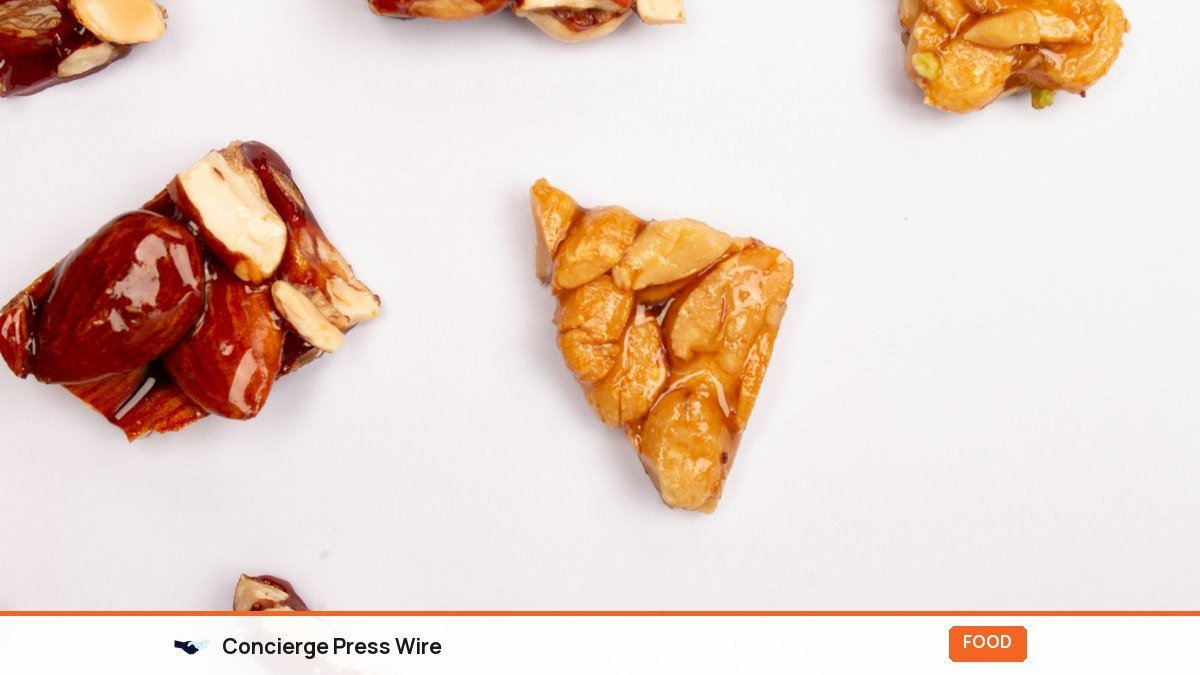
Good chikki snaps cleanly, tastes of toasted nuts and caramelised jaggery, and does not stick to your teeth. The secret is one thing: cooking the jaggery syrup to the right stage. This guide gives you step-by-step recipes for peanut chikki, til chikki, til-gud laddoos and Gujarati gud papdi, explains the cold-water test for jaggery syrup in plain words, and tells you how to store each one so the batch you make for Makar Sankranti stays crisp.
Updated November 2026. Makar Sankranti 2027 falls on Friday, 15 January, so you have plenty of time to practise.
Key Takeaways
- For chikki, cook jaggery to the hard-crack stage: a drop in cold water should set instantly and snap with a crack. On a thermometer that is about 149–154°C.
- For til-gud laddoos, stop earlier, at the soft-to-firm ball stage, so the mixture can be shaped while warm.
- Use dark, dry “chikki gud” if you can find it. Wet or very pale jaggery makes sticky chikki.
- Have everything greased and ready before the syrup starts. You get about a minute to spread chikki before it sets.
- Store in an airtight steel or glass jar with a butter paper layer between pieces. Humidity is the main enemy.
When to make chikki: Makar Sankranti 2027 and the winter season
Til and gud sweets are tied to Makar Sankranti across India: til-gul ghya, god god bola in Maharashtra, til laddoos in Uttar Pradesh and Bihar, chikki and uttarayan kites in Gujarat, and ellu bella in Karnataka. According to Drik Panchang, the Sun enters Makara at 9:14 pm on Thursday, 14 January 2027 (New Delhi time), so Makar Sankranti is observed on Friday, 15 January 2027, with punya kaal from 7:15 am to 5:46 pm. Many families also make these sweets throughout winter, because sesame, peanuts and jaggery are traditional cold-weather foods.
Understanding jaggery syrup stages (the part that decides everything)
As jaggery melts and cooks, water evaporates and the syrup gets hotter and thicker. Each stage sets differently when it cools. Sugar confectioners describe these stages by temperature and by how a drop of syrup behaves in cold water; the standard chart, such as the one from the Exploratorium’s science of cooking pages, works for jaggery too, although jaggery’s impurities and moisture make it a little less precise than white sugar.
| Stage | Approx. temperature | Cold-water test | Use it for |
|---|---|---|---|
| One-string (thread) | About 105–110°C | Syrup between finger and thumb forms one thin thread | Shakarpara coating, some mithai |
| Soft ball | About 112–116°C | Forms a soft ball that flattens when lifted out | Soft til-gud laddoos |
| Hard ball | About 121–130°C | Forms a firm ball that holds its shape | Firm laddoos, gud chana |
| Soft crack | About 132–143°C | Sets into threads that bend before breaking | Chewy chikki (usually a mistake) |
| Hard crack | About 149–154°C | Sets instantly into brittle threads that snap with a crack | Peanut chikki, til chikki, dry fruit chikki |
How to do the cold-water test at home
- Keep a small steel bowl of cold water next to the stove.
- Once the jaggery is frothy and darker (usually 4–7 minutes after melting, on medium-low heat), drop half a teaspoon of syrup into the water.
- Wait two or three seconds, then gather it with your fingers.
- If it is soft or chewy, keep cooking and test every 30 seconds.
- When it hardens instantly and breaks with a clean snap, and you can hear a slight crack against the bowl, the syrup is ready for chikki. Turn off the heat immediately.
Use fresh cold water for each test and let the drop cool for a moment before touching. Jaggery syrup at this stage is far hotter than boiling water and causes serious burns, so keep children well away from the stove.
Recipe 1: Classic peanut chikki
Makes: about 16 pieces. Time: 25 minutes.
Ingredients
- 1 cup (about 150 g) raw peanuts
- ¾ cup (about 150 g) grated or chopped dark jaggery
- 1 teaspoon ghee, plus extra for greasing
- 1 tablespoon water (optional, helps jaggery melt evenly)
- A pinch of cardamom powder (optional)
- A small pinch of baking soda (optional, for a lighter, more porous chikki)
Method
- Roast the peanuts. Dry-roast on medium-low heat for 8–10 minutes, stirring, until the skins crack and the nuts smell toasty. Cool, rub off the skins between your palms, and halve them by pressing lightly with a rolling pin.
- Prepare the setting area. Grease the back of a steel thali or a sheet of butter paper, and a rolling pin. Keep a knife greased too.
- Melt the jaggery. In a heavy kadai, heat the ghee, add jaggery and water, and melt on low heat, stirring.
- Cook to hard crack. Let it bubble on medium-low. It will turn frothy, then darker. Start the cold-water test after about four minutes.
- Finish. When it reaches hard crack, switch off the heat, add cardamom and baking soda (it will froth up), then the peanuts. Mix fast so every nut is coated.
- Spread. Tip onto the greased surface, flatten with the greased rolling pin to about 5–6 mm thick, and shape the edges with a spatula.
- Cut while warm. Mark squares within a minute or two, while it is still slightly soft. Break along the lines once fully cool, about 15 minutes.
Recipe 2: Til (sesame) chikki
Makes: about 20 thin pieces. Time: 20 minutes.
Ingredients
- 1 cup (about 140 g) white sesame seeds
- ¾ cup (about 130 g) grated dark jaggery
- 1 teaspoon ghee
- A pinch of cardamom powder (optional)
Method
- Dry-roast sesame on low heat for 4–5 minutes until the seeds puff slightly and turn a shade darker. Do not let them brown; burnt til tastes bitter. Transfer to a plate.
- Grease your thali or butter paper and rolling pin.
- Melt ghee and jaggery in the same kadai on low heat. Cook until it reaches hard crack (cold-water test).
- Switch off the heat, add the sesame and cardamom, and mix quickly.
- Spread thinly, 3–4 mm, because til chikki tastes best thin. Roll fast.
- Cut into diamonds or squares while warm and break once cool.
Tip: If the mixture hardens in the kadai before you finish rolling, place the kadai back on very low heat for 10–15 seconds to soften it slightly.
Recipe 3: Soft til-gud laddoos
Makes: about 15 laddoos. Time: 30 minutes.
Ingredients
- 1 cup white sesame seeds, roasted
- ½ cup roasted peanuts, coarsely crushed
- 2 tablespoons desiccated coconut, lightly roasted
- ¾ cup grated jaggery
- 1 tablespoon ghee
- ¼ teaspoon cardamom powder
Method
- Mix roasted sesame, peanuts and coconut in a bowl.
- Melt ghee and jaggery on low heat. Cook only to the soft-to-firm ball stage: a drop in water should form a ball you can press, not one that cracks. This usually takes 2–3 minutes after the jaggery melts.
- Switch off the heat, add the dry mix and cardamom, and combine.
- Let it cool for a minute until you can handle it. Grease your palms with ghee or dip them in cold water.
- Shape small laddoos quickly. If the mixture sets, warm it on low heat for a few seconds.
If your laddoos turn rock hard, the syrup went too far. If they will not hold shape, the syrup was undercooked; return the mixture to low heat for a minute.
Recipe 4: Gud papdi (sukhdi), the Gujarati winter staple
Gud papdi needs no syrup stage at all, which makes it the easiest recipe here.
Ingredients
- 1 cup whole wheat flour (atta)
- ½ cup ghee
- ½ cup grated jaggery (packed), or a little more for sweeter papdi
- 2 tablespoons desiccated coconut or chopped nuts for topping (optional)
Method
- Heat ghee in a heavy kadai, add atta and roast on low heat, stirring continuously, for 10–12 minutes until it turns light golden and smells nutty.
- Switch off the heat and let the kadai cool for about a minute. This step matters: if the pan is too hot, the jaggery caramelises and the sukhdi turns hard.
- Add the jaggery and mix until it melts into the flour.
- Pour immediately into a greased tray, spread evenly, sprinkle coconut or nuts, and press lightly.
- Cut into squares while warm. It firms up as it cools.
Variations to try
| Variation | Change | Syrup stage |
|---|---|---|
| Dry fruit chikki | Swap peanuts for chopped almonds, cashews and pistachios | Hard crack |
| Rajgira (amaranth) chikki | Use puffed rajgira instead of peanuts; popular for fasting days | Hard crack, spread thin |
| Coconut chikki | Use dry coconut flakes, lightly toasted | Hard crack |
| Kurmura (puffed rice) chikki or laddoo | Use crisp puffed rice; cool syrup a few seconds before mixing | Hard ball to hard crack |
| Black til laddoo | Use black sesame; slightly more bitter and earthy | Soft to firm ball |
Troubleshooting: why chikki goes wrong
| Problem | Likely cause | Fix next time |
|---|---|---|
| Chikki is chewy or sticks to teeth | Syrup not cooked to hard crack, or jaggery was moist | Cook longer and test again; use dry, dark chikki gud |
| Chikki tastes bitter | Syrup or sesame burnt | Use lower heat and a heavy kadai; take off heat as soon as it cracks |
| Mixture set before spreading | Too slow after adding nuts | Keep the greased surface ready; warm the kadai for a few seconds |
| Chikki turned soft after a day | Humidity or a loose lid | Store in a clean, dry airtight jar away from the stove |
| Laddoos too hard to bite | Syrup cooked to crack stage | Stop at soft or firm ball for laddoos |
| Grainy texture | Stirring too much while the syrup boils | Stir to melt, then swirl gently rather than beating |
Choosing the right jaggery
- Dark and dry is best for chikki. In Maharashtra and Gujarat, shops sell “chikki gud”, which has lower moisture and gives a glossy, crisp chikki.
- Avoid very pale, sticky jaggery. It often contains more moisture and may have been processed to lighten its colour.
- Check for grit. Melt a small piece in water; if sediment settles, strain the melted jaggery through a fine sieve before cooking further.
- Powdered jaggery melts faster but can scorch quickly. Use slightly lower heat.
Storage: how long each sweet lasts
| Sweet | Room temperature (airtight) | Tips |
|---|---|---|
| Peanut chikki | About 2–3 weeks | Layer with butter paper; keep away from moisture |
| Til chikki | About 2–3 weeks | Thin pieces absorb moisture faster; seal well |
| Til-gud laddoos | About 2 weeks | Cool fully before storing to prevent sweating |
| Gud papdi (sukhdi) | About 1–2 weeks | Store in a steel dabba; ghee keeps it soft |
These are home-kitchen estimates. In humid coastal cities such as Mumbai, Chennai or Kolkata, expect a shorter crisp life; a jar kept in a cool cupboard helps. If you plan to gift chikki, pack it the day before in small airtight boxes rather than plastic bags.
A note on portions
Jaggery is less refined than white sugar but it is still mostly sugar, and chikki is calorie-dense. One or two pieces after a meal is a sensible winter treat. Anyone with diabetes should treat these as sweets and follow their doctor’s advice on portions.
Frequently Asked Questions
How do I know the jaggery syrup is ready for chikki?
Drop a little into cold water. If it sets instantly and snaps with a crack, it has reached hard crack (about 149–154°C) and is ready. If it bends or feels chewy, cook a little longer.
Why is my chikki sticky and not crisp?
Usually the syrup was undercooked or the jaggery had too much moisture. Cook to hard crack and use dark, dry jaggery. Store it airtight so it does not absorb moisture.
Can I make chikki with sugar instead of jaggery?
Yes. Sugar brittle is cooked to the same hard-crack stage, but it tastes different and lacks jaggery’s caramel depth. Many families mix both.
Why add baking soda to chikki?
A small pinch makes the syrup foam, creating tiny air pockets that give a lighter, easier-to-bite chikki. Too much leaves a soapy taste.
When is Makar Sankranti 2027?
Makar Sankranti is observed on Friday, 15 January 2027, according to Drik Panchang for New Delhi. The Sun enters Makara at 9:14 pm on 14 January.
How long does homemade chikki last?
About two to three weeks in an airtight jar at room temperature, less in humid weather.
Start with one small batch
Make a half batch of peanut chikki this weekend and practise the cold-water test until you can recognise hard crack by sight and sound. Once you have that, every other recipe here is a variation, and your Sankranti tray will be ready well before 15 January.