Sarson Ka Saag and Makki Ki Roti: Authentic Punjabi Recipe
An authentic Punjabi recipe for sarson ka saag and makki ki roti, with quantities for four, step-by-step method, troubleshooting tips and a full winter thali menu.
Authentic sarson ka saag is mustard greens slow-cooked with spinach and bathua, mashed coarsely, thickened with a spoon of makki atta and finished with a ghee tadka of garlic, ginger and onion. Makki ki roti is a hand-patted maize flour flatbread cooked on a tawa. This guide gives you exact quantities for four people, a step-by-step method for both, the small tricks Punjabi homes use to fix bitterness and cracking rotis, and a complete winter Punjabi thali menu around them.
Key Takeaways
- Use roughly two parts sarson to one part palak, plus a handful of bathua; spinach softens the mustard’s sharpness.
- Cook the greens until completely soft, mash them coarsely (not a smooth puree), then thicken with makki atta and simmer at least 15 minutes.
- Knead makki atta with warm water in small batches only; it has no gluten and dries out fast.
- Pat the roti between your palms or on a sheet of butter paper, and cook it on a medium-hot tawa.
- Serve with white butter, jaggery, onion-mooli salad and a glass of lassi or chaas for a classic winter thali.
Ingredients for Sarson Ka Saag (Serves 4)
| Ingredient | Quantity | Notes |
|---|---|---|
| Sarson (mustard greens) | 500 g (1 large bunch) | Tender leaves and soft stems |
| Palak (spinach) | 250 g | Balances bitterness |
| Bathua (chenopodium) | 100 g | Optional but traditional; use more palak if unavailable |
| Mooli (radish) with a few leaves | 1 small, chopped | Optional; adds sweetness and body |
| Ginger | 2-inch piece | Half for cooking, half for tadka |
| Garlic | 10 to 12 cloves | Half for cooking, half for tadka |
| Green chillies | 2 to 4 | To taste |
| Makki ka atta (maize flour) | 2 to 3 tbsp | Thickens and binds the saag |
| Onion | 1 large, finely chopped | For tadka |
| Tomato | 1 small, chopped | Optional; many homes skip it |
| Ghee or mustard oil | 3 to 4 tbsp | Mustard oil should be heated till it smokes lightly, then cooled a little |
| Salt | To taste | |
| Red chilli powder, a pinch of hing | To taste | For tadka |
| White butter (makkhan) | To serve | The classic finish |
How to Make Sarson Ka Saag: Step by Step
Step 1: Clean and chop the greens properly
Good saag starts at the sink. Mustard greens trap a lot of soil.
- Pick the leaves and tender stems. Peel thick sarson stems with a knife and keep them; they add body. Discard yellow or damaged leaves.
- Soak everything in a large basin of water for 10 minutes, lift the greens out (do not pour, or the grit goes back on them), and repeat two or three times until no soil settles at the bottom.
- Drain well and chop roughly. There is no need for fine chopping because everything gets mashed later.
Step 2: Cook the saag
Pressure cooker method (about 40 minutes)
- Put the chopped sarson, palak, bathua, mooli, half the ginger, half the garlic, the green chillies and salt into a pressure cooker.
- Add about half a cup of water. Greens release a lot of water, so do not add more.
- Cook on high for one whistle, then on low for 15 to 20 minutes. Let the pressure release naturally.
Traditional slow method (1.5 to 2 hours)
In village kitchens the saag is cooked in a heavy pot, often an earthen handi, on a low fire for a long time, stirring now and then. If you have the time, this gives a deeper flavour. Cover, cook on a low flame with a little water, and keep going until the stems are soft enough to crush between your fingers.
Step 3: Mash and thicken
- Mash the cooked greens with a wooden ghotna (masher) or pulse two or three times in a blender. You want a coarse, slightly grainy texture, not a smooth green paste.
- Return to the pan on a low flame.
- Mix 2 to 3 tablespoons of makki atta with a little water to a lump-free slurry and stir it in.
- Simmer uncovered for 15 to 20 minutes, stirring often. The saag will thicken and the raw taste of the flour will cook out. Partly cover the pan, because thick saag splutters.
Step 4: The tadka
- Heat ghee (or smoked mustard oil) in a small pan.
- Add a pinch of hing and the remaining chopped garlic and ginger. Fry until the garlic turns light golden.
- Add the onion and cook until golden brown. Add tomato if using, and cook until soft.
- Switch off the heat, add red chilli powder, and pour the tadka over the saag. Stir, check salt and simmer for 5 more minutes.
- Serve hot with a generous spoon of white butter on top.
Makki Ki Roti: Ingredients and Method
Ingredients (8 rotis)
- 2 cups makki ka atta (fine maize flour)
- Warm water, as needed (roughly 3/4 to 1 cup)
- Salt to taste
- Optional: 2 tbsp finely chopped methi or grated mooli, a little ajwain
- Ghee or white butter for cooking and serving
Step by step
- Knead in small batches. Take enough flour for two rotis, add salt and warm water little by little, and knead with the heel of your palm for 2 to 3 minutes until the dough is soft and smooth with no cracks. Maize flour has no gluten, so the warmth and kneading are what hold it together.
- Shape a ball. Take a lemon-sized portion and smooth it between wet palms.
- Pat, do not roll. The traditional way is to pat it into a disc between your palms. Beginners can place the ball on a sheet of butter paper or a cut plastic sheet, cover with another sheet, and press gently with a flat plate or the palm until it is about 5 mm thick.
- Transfer to the tawa. Peel off the top sheet, flip the roti onto your palm, peel the bottom sheet and lay it on a medium-hot tawa.
- Cook slowly. Cook for about a minute until the underside sets, flip, cook the second side, then spread a little ghee and cook both sides until golden-brown spots appear. Some homes finish it directly on the flame for a few seconds.
- Serve immediately with butter. Makki rotis harden as they cool.
Troubleshooting: Fixes That Actually Work
| Problem | Likely cause | Fix |
|---|---|---|
| Saag tastes bitter | Too much sarson or mature leaves | Add more palak or bathua, a small piece of jaggery, or a little extra butter |
| Saag is watery | Too much water or not simmered long enough | Simmer uncovered longer; add another spoon of makki atta slurry |
| Raw flour taste | Makki atta added too late or undercooked | Simmer for 10 more minutes, stirring |
| Gritty texture | Greens not washed enough | Wash in more changes of water next time; lift greens out instead of draining |
| Roti cracks at the edges | Dough too dry or cold | Use warmer water, knead longer, keep dough covered, knead small batches |
| Roti breaks while flipping | Too thin or tawa too cool | Make it a little thicker and heat the tawa well before placing the roti |
| Roti hard after cooking | Cooked too long on high heat | Cook on medium heat and serve straight off the tawa |
Buying and Storing Sarson
- Season: fresh mustard greens are at their best through North Indian winters, roughly November to February. Outside the season, quality falls and bitterness rises.
- What to look for: bright green, crisp leaves with thin stems. Avoid leaves with yellow spots or flowers forming.
- Make ahead: cooked, mashed saag (before the tadka) keeps in the fridge for 2 to 3 days. Many families freeze portions in airtight boxes for later; add a fresh tadka when reheating.
- Flour: buy makki atta in small packs and check the date. Stale maize flour tastes flat and the rotis crack more.
A Winter Punjabi Thali Menu
Sarson ka saag and makki ki roti are the heart of the meal, but a full Punjabi winter thali balances them with something cooling, something sweet and something sharp. Here is a menu for a Sunday lunch or a Lohri get-together.
| Part of the thali | Dish | Why it belongs |
|---|---|---|
| Main | Sarson ka saag with white butter | The centrepiece |
| Bread | Makki ki roti (plus a few wheat rotis for children or guests) | Traditional pairing |
| Dal | Dal makhani or a simple maah chholiyan di dal | Protein and richness |
| Salad | Sliced onion, mooli and green chilli with lemon | Crunch and freshness |
| Pickle | Gajar-gobhi-shalgam achar | Classic Punjabi winter pickle |
| Drink | Lassi or chaas | Cools the palate |
| Sweet | Gur (jaggery) pieces, gajar ka halwa or pinni | Winter sweets |
Timeline for a relaxed Sunday lunch
- Saturday evening: clean and cook the saag up to the mashing stage; refrigerate. Make the achar a few days ahead if possible.
- Sunday morning: make the halwa or pinni. Soak or set the dal.
- One hour before lunch: reheat and thicken the saag, cook the dal, cut the salad, set the lassi.
- At the table: make the tadka just before serving, and cook makki rotis two at a time so they reach the table hot.
Variations You Can Try
Once you have the classic version right, small changes can suit different kitchens and diets.
- No onion, no garlic (satvik) version: skip both in the cooking and the tadka. Use extra ginger, a pinch of hing and a little more ghee. The flavour leans on the greens themselves, so use the freshest sarson you can find.
- Vegan version: use smoked mustard oil instead of ghee and skip the white butter. A drizzle of raw mustard oil at the table is common in some Punjabi homes anyway.
- Lighter version: cut the tadka fat to one tablespoon and serve butter on the side so each person decides how much to add.
- Methi twist: add a small handful of fresh methi leaves with the palak for a gentle bitterness that many people like.
- Slow cooker or Instant Pot: both work well for the long cook. Keep the water minimal and finish the thickening and tadka on the stove.
- Makki roti stuffed with mooli: mix finely grated, squeezed radish, chopped coriander and green chilli into the dough. It softens the roti and adds flavour, but the dough tears more easily, so pat it slightly thicker.
- Leftover saag: mix with a little paneer for a quick saag paneer, or use it as a filling for parathas the next morning.
A Little Background
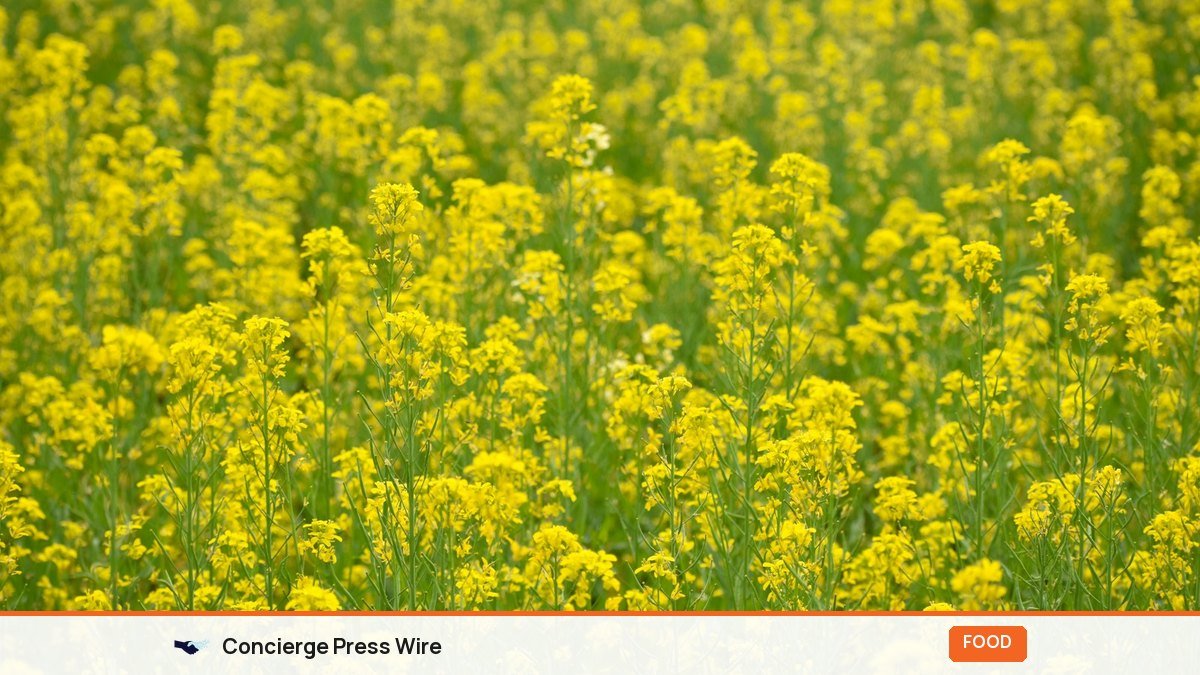
Sarson da saag is a winter staple of Punjab, on both sides of the border, and of neighbouring regions such as Haryana and parts of Himachal. Its Wikipedia entry describes it simply as a dish of mustard greens cooked with spices. The meal is tied to the rhythm of the farming year: mustard and maize, both grown in the region, come together on the plate when fields are green with sarson. It is a common sight at Lohri lunches in January and on dhaba menus along the highways through the cold months. If you are planning a winter trip to Punjab, the state’s official tourism site lists food and heritage trails.
For more seasonal cooking ideas, see our guide to a winter diet with Indian seasonal foods.
Frequently Asked Questions
Can I make sarson ka saag without bathua?
Yes. Replace bathua with extra palak. The taste will be slightly milder, but the dish works perfectly well.
Why is my makki ki roti breaking?
Usually the dough is too dry or has cooled. Knead small batches with warm water until smooth, and pat the roti on butter paper so you can lift it without tearing.
Can I add wheat flour to makki atta?
Many homes add a little wheat flour (two to three tablespoons per cup) to make rolling easier. It is not traditional, and it means the roti is no longer gluten-free.
How long does sarson ka saag last?
Two to three days in the fridge in a covered container. Frozen portions keep longer; add a fresh tadka after reheating for the best taste.
Is jaggery added to sarson ka saag?
Some families add a small piece of jaggery to balance bitterness, especially early in the season. Others serve gur on the side instead.
What is the best oil for the tadka?
Desi ghee is the classic choice. Mustard oil, heated until it smokes lightly and then cooled slightly, gives a more pungent, rustic flavour.
Bring the Fields to Your Table
The secret of great sarson ka saag is patience: clean greens, a long cook, coarse mashing, a proper simmer after the makki atta and a fresh tadka. Pair it with hot makki rotis patted in small batches, add white butter and gur, and you have one of the most satisfying winter meals in India. Try it this weekend while the sarson is fresh.