Hair Fall in Winter: Causes, Dandruff, Oiling Myths and Diet
Why hair seems to fall more in winter, what is normal, and the dandruff, oiling and diet fixes that actually help, plus clear signs to see a dermatologist.
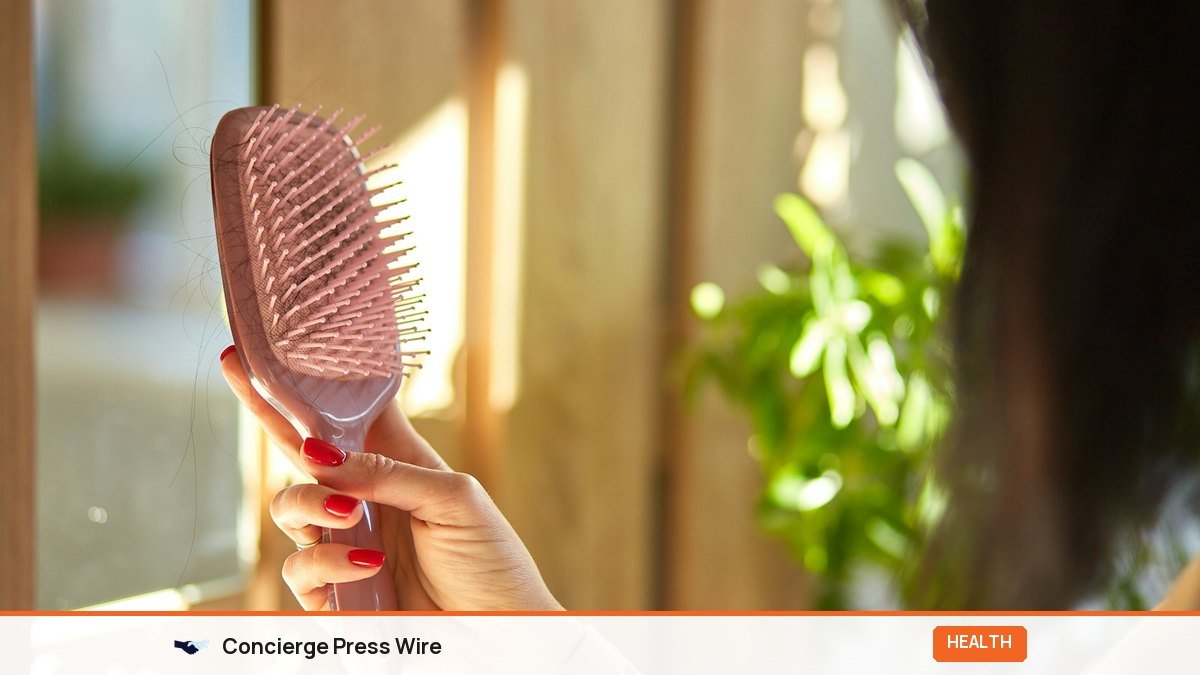
Hair fall in winter is common in India, and most of it is temporary shedding made worse by dry scalp, dandruff, hot-water baths and the stress or illness of the past few months. This guide explains what is normal, what actually causes the winter spike, which oiling and home-remedy beliefs hold up, what to eat, and the exact signs that mean you should stop experimenting and see a dermatologist.
Quick answer (updated November 2026): Losing roughly 50 to 100 hairs a day is normal. Winter hair fall is usually driven by a dry, flaky scalp, very hot showers, harsh shampooing and shedding that started two to three months after a fever, crash diet or stressful event. Wash with lukewarm water, treat dandruff with a medicated shampoo, oil lightly (if at all) and wash it off, eat enough protein and iron, and see a dermatologist if you see bald patches, a widening parting, scalp pain or shedding that lasts more than three months.
Key Takeaways
- Shedding 50 to 100 hairs a day is normal; winter often just makes it more visible on combs and pillows.
- Dandruff and dry scalp are the most fixable winter triggers, and a medicated shampoo does more than any oil.
- Heavy overnight oiling does not stop hair fall and can worsen dandruff for some people.
- Protein, iron, vitamin D and B12 gaps are common in Indian diets and worth checking with a blood test if shedding is heavy.
- Patches, scarring, itching with redness or shedding beyond three months need a dermatologist, not another home remedy.
How Much Hair Fall Is Normal?
Every hair on your head grows for a few years, rests, and then falls out so a new hair can replace it. Because this cycle runs on thousands of follicles at different times, some shedding happens every single day. The American Academy of Dermatology puts normal shedding at 50 to 100 hairs a day.
That number surprises people, because 80 hairs on a bathroom floor looks alarming. The trouble in winter is that you notice more. You wear woollen caps and mufflers that pull hair out, you wash less often so two or three days of shed hair comes out in one wash, and dry hair tangles and breaks during combing. A lot of “winter hair fall” is ordinary shedding collected in one place.
A simple home check
Do this for a week rather than panicking over one bad day:
- Before washing, run your fingers through dry hair and gently pull a small bunch of about 50 to 60 hairs. If only a few come out, your shedding is probably within the normal range.
- Collect the hair from your comb and shower drain for three days. Look at the ends. Hair with a small white bulb at the root has shed from the follicle. Short pieces with no bulb are breakage, which is a hair-care problem, not a growth problem.
- Take a photo of your parting and hairline in daylight, from the same angle, once a week. Photos show real change better than memory.
Why Hair Fall Feels Worse in Winter
There is no single “winter hair fall” disease. Instead, several small triggers stack up between November and February. Knowing which ones apply to you tells you what to fix.
| Trigger | What happens | What to do |
|---|---|---|
| Dry, cold air and room heaters | Scalp loses moisture, flakes, itches; hair becomes brittle and snaps | Lukewarm water, conditioner on lengths, a bowl of water near the heater or a humidifier |
| Very hot water baths | Strips scalp oils, worsens flaking and itching | Keep water warm, not steaming, especially on the scalp |
| Dandruff (seborrhoeic dermatitis) | Flaking and inflammation, scratching damages hair | Medicated anti-dandruff shampoo two or three times a week |
| Less frequent washing | Oil, flakes and shed hair build up; washes then look dramatic | Wash at least two or three times a week with a mild shampoo |
| Caps, mufflers, tight buns | Friction and pulling cause breakage at the hairline | Cotton or satin lining under woollen caps, looser hairstyles |
| Shedding after illness or stress | Hair shifts into resting phase and falls two to three months later | Usually settles on its own; see a doctor if it does not |
| Low sun exposure and diet gaps | Low vitamin D, iron or protein can contribute to thinning | Diet changes and a blood test before supplements |
The delayed-shedding effect
This is the part most people miss. When the body goes through a shock, such as high fever, dengue or typhoid, a crash diet, surgery, childbirth or severe stress, many hairs move into the resting phase together. They fall out weeks later. The AAD notes that this kind of excessive shedding, called telogen effluvium, usually shows up a few months after the trigger and that hair often returns to normal fullness within six to nine months once the trigger is gone.
For Indian readers this timing matters. The monsoon brings fevers, and festival season from Navratri to Diwali brings late nights, travel and erratic eating. Shedding that starts in December may be the bill for a September fever, not the cold weather itself. If you can link your hair fall to an event two to four months back, you can usually stop worrying and focus on gentle care while it settles.
Dandruff: The Winter Problem You Can Actually Fix
Dandruff does not directly kill hair follicles, but an itchy, inflamed scalp leads to scratching, breakage and a scalp environment that is hard on hair. It is also the trigger people treat wrongly most often, usually with more oil.
What works
- Medicated shampoos: look for ketoconazole, zinc pyrithione, selenium sulphide, ciclopirox or salicylic acid on the label. These are sold at any chemist in India.
- Contact time: lather on the scalp, not the lengths, and leave it for three to five minutes before rinsing. Most people rinse too fast for the active ingredient to work.
- Frequency: two or three times a week until flaking settles, then once a week to maintain. Use your regular mild shampoo on other days.
- Conditioner on lengths only: keep it off the scalp if you are prone to dandruff.
What usually does not help
- Leaving coconut or mustard oil on a flaky scalp overnight. Dandruff is linked to a yeast that feeds on scalp oils, so heavy oiling can make flaking worse for some people.
- Lemon juice rubbed on the scalp. It stings, irritates and can worsen redness.
- Scratching flakes off with a comb. It breaks the skin and hair.
If a medicated shampoo used properly for four weeks does not help, or the flakes are thick, yellow, greasy, spread to the face and ears, or come with red patches, see a dermatologist. Conditions such as psoriasis and fungal infections can look like dandruff and need different treatment.
Oiling Myths Indian Families Still Believe
Champi is part of Indian childhood, and a warm-oil head massage feels wonderful. The question is what oil actually does for hair fall. Here is a fair look at common beliefs.
| Belief | Reality |
|---|---|
| “Oiling stops hair fall” | Oil coats the hair shaft and reduces friction and breakage. It does not change the growth cycle of the follicle, so it will not stop shedding from the root. |
| “More oil, left longer, works better” | An hour or two before washing is plenty. Overnight oil on a dandruff-prone scalp can increase flaking. |
| “Onion juice or rosemary oil regrows hair” | Evidence is limited and small-scale. Onion juice can irritate the scalp. Treat these as optional extras, not treatment. |
| “Massage increases blood flow and cures thinning” | Gentle massage is relaxing and harmless, but there is no strong evidence it reverses pattern hair loss. |
| “Shaving the head makes hair grow thicker” | It does not change follicle count or thickness. Regrown hair only feels coarser because of the blunt cut ends. |
| “Hair fall means you will go bald” | Shedding and pattern baldness are different. Most winter shedding is temporary. |
A sensible way to oil
If you enjoy oiling, keep doing it this way: warm a small amount of coconut oil, apply mainly to the lengths and ends, massage the scalp gently with fingertips (not nails), leave it for 30 to 60 minutes, and wash it out with a mild shampoo. Skip oiling on days your scalp is itchy or flaky.
Winter Hair-Care Routine That Reduces Breakage
Breakage is the hair fall you control fully. Use this routine through the cold months:
- Wash two or three times a week with lukewarm water. On the scalp, cooler is better.
- Condition the lengths every wash. Even a basic conditioner reduces tangles a lot.
- Pat dry with a cotton T-shirt or soft towel. Rubbing wet hair roughly snaps it.
- Detangle from the ends up with a wide-tooth comb, never from the root down.
- Air-dry where possible. If you use a dryer in a cold Delhi or Lucknow morning, keep it on medium heat and hold it at a distance.
- Line your woollen cap with a cotton or satin scarf so it does not drag on the hair.
- Loosen hairstyles. Tight ponytails, buns and braids pull at the hairline and can cause traction hair loss over time.
- Sleep on a cotton or satin pillow cover and tie long hair in a loose plait.
If you live in an apartment with heaters running all night, a humidifier or even a bucket of water in the room helps both your scalp and your skin.
Diet: What Your Hair Needs From Food
Hair is made mostly of a protein called keratin, and the follicles are among the fastest-growing cells in the body. When the diet is short on protein, iron or certain vitamins, hair is one of the first places it shows. Many Indian vegetarian diets lean heavily on rice, roti and sabzi, with too little protein.
| Nutrient | Why it matters | Indian food sources |
|---|---|---|
| Protein | Raw material for hair | Dal, rajma, chana, paneer, curd, milk, eggs, soy chunks, chicken, fish |
| Iron | Low iron stores are linked to shedding, especially in women | Green leafy vegetables, bajra, ragi, rajma, jaggery in moderation, eggs, meat; pair with lemon or amla for absorption |
| Vitamin D | Low levels are common in India and in winter | Morning sun, eggs, fatty fish, fortified foods |
| Vitamin B12 | Deficiency is common in vegetarians | Milk, curd, paneer, eggs, meat, fortified foods |
| Zinc | Supports tissue growth and repair | Pumpkin seeds, til, nuts, whole grains, legumes |
| Omega-3 fats | Part of a healthy scalp and skin | Flaxseed (alsi), walnuts, fish |
Winter is a good season to get this right: methi, palak, sarson and bathua are cheap, and til, gud and bajra are part of many regional winter diets. For more on the sun-and-diet side, our guide to vitamin D deficiency in winter covers food sources and safe sun exposure.
Be careful with supplements
Biotin, “hair vitamin” gummies and high-dose zinc are heavily advertised. Biotin deficiency is rare, and high doses can interfere with some blood test results, including thyroid tests. Excess zinc can lower copper levels. The safer route is a blood test first (a doctor may order haemoglobin, ferritin, vitamin D, B12 and thyroid), then targeted supplements only if something is low.
Other Causes That Need Medical Attention
Not all hair fall is seasonal. These conditions often first get noticed in winter simply because people start paying attention:
- Pattern hair loss (androgenetic alopecia): a slowly receding hairline or thinning crown in men, and a widening centre parting in women. It is common, often runs in families and is treatable when started early.
- Thyroid disorders: both underactive and overactive thyroid can cause diffuse thinning.
- PCOS: can cause scalp thinning alongside irregular periods, acne or excess facial hair.
- Alopecia areata: round, smooth bald patches that appear suddenly.
- Fungal scalp infection (tinea capitis): scaly patches with broken hairs, more common in children.
- Medicines: some drugs list hair loss as a side effect. Never stop a prescribed medicine on your own; ask your doctor.
The NHS overview of hair loss is a useful plain-language reference for the different types and when to see a GP.
When to See a Dermatologist
Use this checklist. If any line applies, book an appointment with a dermatologist (skin and hair specialist), not a salon or “hair clinic” that sells packages before a diagnosis.
- Shedding is heavy and has continued for more than three months.
- You see round bald patches, a visibly wider parting or a receding hairline.
- The scalp is red, painful, burning, scaly in patches or has pus bumps.
- Hair fall comes with tiredness, weight change, irregular periods, feeling cold all the time or other new symptoms.
- A child has patchy hair loss or a scaly scalp.
- Over-the-counter anti-dandruff shampoo has not helped after four weeks of correct use.
Expect the doctor to look at your scalp, possibly use a dermoscope, do a gentle pull test, and order blood tests. Treatment depends entirely on the cause, which is why self-treating with random serums can waste months.
Frequently Asked Questions
Is hair fall in winter normal?
Some extra visible shedding in winter is common and usually harmless. Dry scalp, dandruff, hot water, less frequent washing and shedding from an illness or stress a few months earlier are the usual reasons. It should settle within a few months with gentle care.
Should I oil my hair every day in winter?
No. Daily oiling is not needed and heavy oil left on a flaky scalp can worsen dandruff. Oiling once or twice a week for 30 to 60 minutes before a wash, mainly on the lengths, is enough if you enjoy it.
Does hot water cause hair fall?
Very hot water does not make hair fall from the root, but it dries the scalp, increases flaking and makes hair brittle, which leads to breakage. Lukewarm water is better for both scalp and skin.
Which shampoo is best for winter dandruff?
A medicated anti-dandruff shampoo containing ketoconazole, zinc pyrithione, selenium sulphide or ciclopirox, left on the scalp for three to five minutes, two or three times a week. If it does not work in about four weeks, see a dermatologist.
Can a vitamin deficiency cause hair fall?
Low iron, vitamin D, B12 and inadequate protein are linked to hair shedding and are common in India. Get a blood test before taking supplements, because the right fix depends on what is actually low.
How long does hair take to grow back after heavy shedding?
Shedding after an illness or stressful event usually stops once the trigger is gone, and hair often returns to normal fullness over six to nine months. Pattern hair loss does not recover on its own and needs a doctor’s treatment plan.
A Calm Plan for This Winter
Start with what you control: lukewarm water, a proper anti-dandruff routine, gentle detangling, lined caps, enough dal, paneer, eggs or other protein, and some morning sun. Track your shedding and parting with weekly photos for a month. If things improve, keep going. If you see patches, a widening parting or no change after three months, book a dermatologist and take your photos along.
This article is general information, not medical advice. Please consult a doctor or dermatologist about hair loss, especially if it is sudden, patchy or comes with other symptoms.