PCOS Diet for Indian Women: Plate Method, Menu and Exercise
A practical Indian PCOS diet: rebuild your thali with the plate method, follow a sample day menu, add 150 minutes of activity a week and skip the hype.
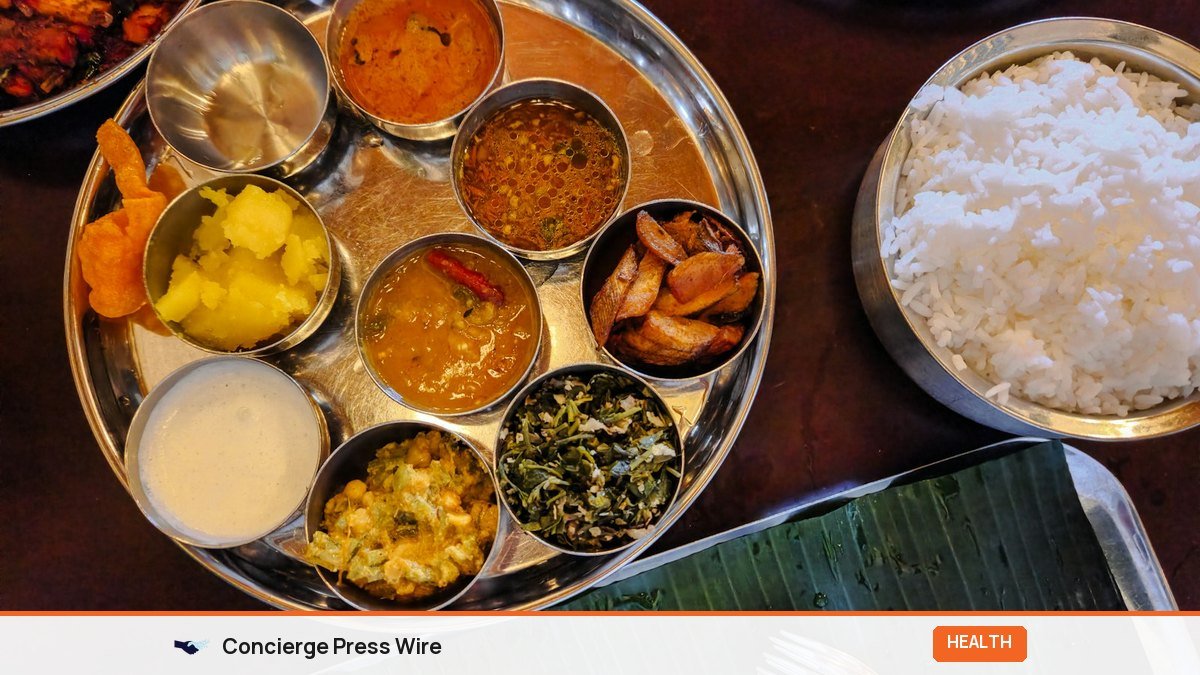
A good PCOS diet for Indian women is not a special “PCOS food list”. It is a regular Indian thali rebuilt so that half the plate is vegetables, a quarter is protein and a quarter is whole grains, eaten at steady times, together with regular exercise. This guide shows you the plate method with Indian foods, a full sample day menu (vegetarian and non-vegetarian), an exercise plan and what research actually supports.
Updated November 2026. This article is general health information, not medical advice. Please consult a doctor or a registered dietitian before changing your diet, especially if you take medicines, are pregnant or trying to conceive, or have diabetes or thyroid problems.
Key Takeaways
- Quick answer: build each meal as half non-starchy vegetables, one quarter protein (dal, paneer, eggs, fish, chicken, curd) and one quarter whole grains or millets, with a small amount of fat.
- The World Health Organization estimates that 10 to 13% of women worldwide have PCOS, and that up to 70% of them are undiagnosed.
- Research does not show that any one named diet works best for PCOS. Healthy eating and physical activity help even without weight loss.
- Aim for at least 150 minutes of moderate activity a week (for example brisk walking), plus muscle-strengthening exercise twice a week.
- Indian staples like rajma, chana, moong, curd, millets and seasonal sabzi fit a PCOS-friendly plate well. The main changes are portion of rice and rotis, fried snacks, sweets and sugary chai.
What PCOS is, in two minutes
Polycystic ovary syndrome is a hormonal condition that can cause irregular or missed periods, difficulty conceiving, extra hair on the face or body, acne, and hair thinning. According to the WHO fact sheet on PCOS, it is also linked with a higher risk of type 2 diabetes, high blood pressure, high cholesterol, heart disease, sleep apnoea and problems with the lining of the womb. There is no cure, but symptoms can be managed.
You may also see a new name. The UK’s NHS now calls the condition PMOS, short for polyendocrine metabolic ovarian syndrome, and notes that it used to be called PCOS. Most Indian doctors and labs still use “PCOS” or “PCOD”, so this article uses PCOS.
Insulin resistance is common in PCOS. When the body does not respond well to insulin, it makes more of it, and high insulin can push the ovaries to make more androgens (male-type hormones). That is why food choices that keep blood sugar steadier are central to most PCOS diet advice.
The PCOS plate method, Indian style
The plate method is the easiest tool because it works with what your family already cooks. You do not need separate meals. Take a standard 9-inch plate (or a regular steel thali) and divide it like this:
| Part of plate | Share | Indian examples |
|---|---|---|
| Non-starchy vegetables | Half | Palak, methi, lauki, tinda, bhindi, cabbage, cauliflower, beans, capsicum, cucumber-tomato salad, kachumber |
| Protein | One quarter | Dal, rajma, chole, moong sprouts, paneer, tofu, curd, eggs, fish, chicken |
| Whole grains or millets | One quarter | 1 to 2 phulkas (whole wheat or multigrain), jowar or bajra roti, a small katori of brown or regular rice, ragi, dalia |
| Fat | Small amount | 1 to 2 teaspoons of oil or ghee for cooking, a few nuts or seeds |
The typical Indian meal has the proportions reversed: a big mound of rice or three or four rotis, a small katori of dal and a spoon of sabzi. Simply flipping those proportions does most of the work.
Simple swaps that keep the taste
- Rice: keep it if you love it, but serve one katori instead of a heaped plate, and pair it with more dal and sabzi.
- Roti: mix besan, jowar or bajra into wheat flour. Keep to 1 to 2 rotis per meal unless your dietitian advises more.
- Breakfast: choose besan chilla, moong dal chilla, vegetable upma with extra veg, or eggs, instead of only bread-jam or sugary cereal.
- Chai: reduce sugar step by step. Two cups with less sugar beat four cups with two spoons each.
- Snacks: roasted chana, makhana, a fruit with a few nuts, or buttermilk instead of namkeen and biscuits.
- Sweets: keep them for festivals and occasions, in small portions, ideally after a meal rather than on an empty stomach.
Sample one-day PCOS diet menu (Indian)
This is an example only. Portions depend on your age, height, weight, activity, medicines and goals, which is why a dietitian should personalise it.
| Time | Vegetarian option | Non-vegetarian option |
|---|---|---|
| Early morning (7 am) | Warm water; 5 to 6 soaked almonds or 2 walnut halves | Same |
| Breakfast (8 to 9 am) | 2 moong dal chillas with mint chutney and a small bowl of curd | 2-egg vegetable omelette with 1 multigrain toast |
| Mid-morning (11 am) | 1 guava, apple or orange | Same |
| Lunch (1 to 2 pm) | Half plate palak-paneer or mixed sabzi plus salad; 1 katori rajma; 1 jowar roti or 1 small katori rice | Half plate sabzi plus salad; 1 katori chicken or fish curry; 1 roti or small katori rice |
| Evening (5 pm) | Chai with less sugar plus a handful of roasted chana or makhana | Same |
| Dinner (7:30 to 8:30 pm) | Vegetable dalia khichdi with extra veg, kadhi or curd | Grilled fish or chicken tikka, sauteed vegetables, 1 roti |
| If hungry later | Glass of warm milk (no sugar) or a small bowl of curd | Same |
Why this menu is built this way
- Protein at every meal helps you stay full and slows the rise in blood sugar.
- Whole fruit instead of juice keeps the fibre.
- Early, lighter dinner suits most people’s routines and avoids late-night heavy meals, but meal timing should fit your work and sleep.
- Familiar food makes it something you can follow for years, which matters more than any short “PCOS detox”.
Foods to eat more often and less often
| Eat more often | Eat less often |
|---|---|
| Green leafy vegetables, gourds, beans, salads | Maida items: white bread, biscuits, pav, naan |
| Dals, rajma, chole, sprouts, soya | Deep-fried snacks: samosa, pakoda, bhajia, chips |
| Curd, buttermilk, paneer in sensible portions | Sugary drinks: colas, packaged juices, sweetened lassi |
| Millets: jowar, bajra, ragi, foxtail | Mithai and desserts as daily habit |
| Eggs, fish, chicken (if you eat them) | Processed meats and frequent restaurant gravies |
| Nuts and seeds in small handfuls | Large portions of white rice with little dal or sabzi |
“Less often” does not mean never. Food rules that are too strict tend to fail, especially around Diwali, weddings and family functions. A plan you can follow 80% of the time is better than one you abandon in two weeks.
What research says (and what it does not)
Here is an honest summary of the evidence, without the hype you may see on social media.
- No single best diet. The 2023 International Evidence-based Guideline for PCOS, led by Monash University and endorsed by many medical societies, did not find that any specific diet type (low-carb, keto, Mediterranean and so on) is better than another for PCOS. It recommends general healthy eating that you can sustain.
- Lifestyle helps even without weight loss. The WHO notes that healthy eating and physical activity are important for all women with PCOS, including those whose weight does not change.
- Modest weight loss can help those carrying extra weight. International guidance suggests that losing around 5% of body weight, for women who are above a healthy weight, can improve symptoms and metabolic health. Women with PCOS at a normal weight should not be pushed to lose weight.
- Supplements are not a shortcut. Inositol, cinnamon, spearmint tea and similar products are widely marketed. Evidence is limited or mixed. Ask your doctor before taking any supplement, especially alongside medicines like metformin.
- Medicines have a role. Doctors may prescribe oral contraceptive pills, metformin or other treatment depending on your symptoms and plans for pregnancy. Diet works alongside medical care, not instead of it.
For general Indian diet guidance (portions, food groups, cooking oils), the ICMR-National Institute of Nutrition Dietary Guidelines for Indians are a reliable, free reference.
Exercise plan for PCOS
Physical activity improves insulin sensitivity, mood and sleep, and it helps with weight management. The 2023 international guideline broadly follows general adult activity recommendations: at least 150 minutes a week of moderate activity or 75 minutes of vigorous activity, plus muscle-strengthening on two days a week, and less time sitting.
| Day | Activity (example) | Time |
|---|---|---|
| Monday | Brisk walk | 30 to 40 min |
| Tuesday | Bodyweight strength: squats, lunges, wall push-ups, planks | 25 to 30 min |
| Wednesday | Yoga (surya namaskar, standing poses) or cycling | 30 min |
| Thursday | Brisk walk or dance workout | 30 to 40 min |
| Friday | Strength with dumbbells or resistance bands | 25 to 30 min |
| Saturday | Longer walk, swim, or sport (badminton) | 45 min |
| Sunday | Rest or gentle stretching | 15 min |
Start smaller if you are new to exercise, for example 15 minutes a day, and build up. A 10-minute walk after lunch and dinner is an easy habit with real value. If you have joint pain, a heart condition or are pregnant, check with your doctor first.
Daily habits that make the diet work
- Eat at fairly regular times. Long gaps often end in overeating at night.
- Sleep 7 to 8 hours. Poor sleep is linked with cravings and higher blood sugar.
- Manage stress. Walking, breathing exercises, yoga, talking to a friend or counsellor. Anxiety and depression are more common in women with PCOS, and it is fine to ask for help.
- Cook at home most days. Restaurant food often has more oil, salt and sugar than you think.
- Read labels. “Multigrain” or “atta” biscuits can still be mostly maida and sugar.
- Track your cycle. Note period dates, symptoms and weight monthly to discuss with your doctor.
Festivals and family functions are part of life. On those days, eat a protein-rich snack before going, take a smaller plate, fill half of it with salad and sabzi, and enjoy one sweet slowly instead of sampling every item. Go back to your usual routine the next day without guilt.
A weekly grocery list for a PCOS-friendly Indian kitchen
- Vegetables: palak, methi, lauki, tinda, bhindi, beans, cabbage, cauliflower, capsicum, tomatoes, onions, cucumber, carrots
- Fruits: guava, apple, orange, papaya, pear, seasonal berries (2 to 3 servings a day)
- Pulses: moong (whole and dal), masoor, toor, rajma, kabuli and kala chana
- Grains and millets: whole wheat atta, jowar, bajra, ragi, dalia, rice in measured portions
- Protein: curd, paneer, tofu, eggs, fish or chicken if you eat them
- Nuts and seeds: almonds, walnuts, flaxseed, pumpkin seeds
- Pantry: roasted chana, makhana, spices, a measured amount of cooking oil or ghee
Frequently Asked Questions
Can PCOS be cured with diet?
No. There is no cure for PCOS. A healthy diet and regular exercise can improve symptoms, cycle regularity and long-term health, often alongside medicines your doctor prescribes.
Should I stop eating rice and roti completely?
Not necessary. Research does not show that cutting carbohydrates completely works better for PCOS. Control the portion, choose whole grains and millets more often, and fill the rest of the plate with vegetables and protein.
Is dairy bad for PCOS?
There is no strong evidence that you must avoid dairy. Curd, buttermilk and paneer are good protein sources in Indian diets. If you suspect dairy worsens your acne or digestion, discuss it with your doctor or dietitian.
How much weight should I lose with PCOS?
Only if you are above a healthy weight. International guidance suggests that losing about 5% of body weight can improve symptoms for such women. A doctor can help set a realistic target.
Is a vegetarian diet enough for PCOS?
Yes, a well-planned vegetarian diet works. Make sure every meal has a protein source such as dal, chana, rajma, sprouts, paneer, tofu or curd, and check vitamin B12 and vitamin D levels with your doctor.
How long before I see changes?
It varies. Some women notice better energy within weeks, while changes in periods, skin or hair usually take a few months. Track your cycle and review progress with your doctor.
Your next step
Pick one change for this week, for example rebuilding lunch with the plate method or adding a 10-minute walk after dinner, and keep it going before adding the next one. Bring this plan to your gynaecologist or a registered dietitian, ask for tests if you have not had them, and adjust the menu to your body, budget and family’s cooking. Small, steady changes are what make a PCOS diet work in a real Indian home.