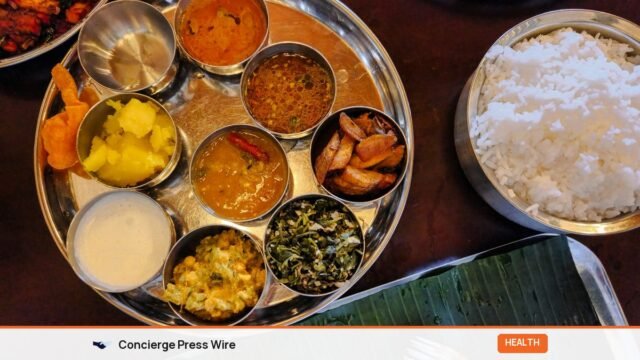
Winter Immunity for Kids: Indian Foods, Sleep and Vaccines
Practical ways to help children through winter colds and flu: Indian foods and a sample menu, sleep targets, vaccine reminders and honest advice on kadha.
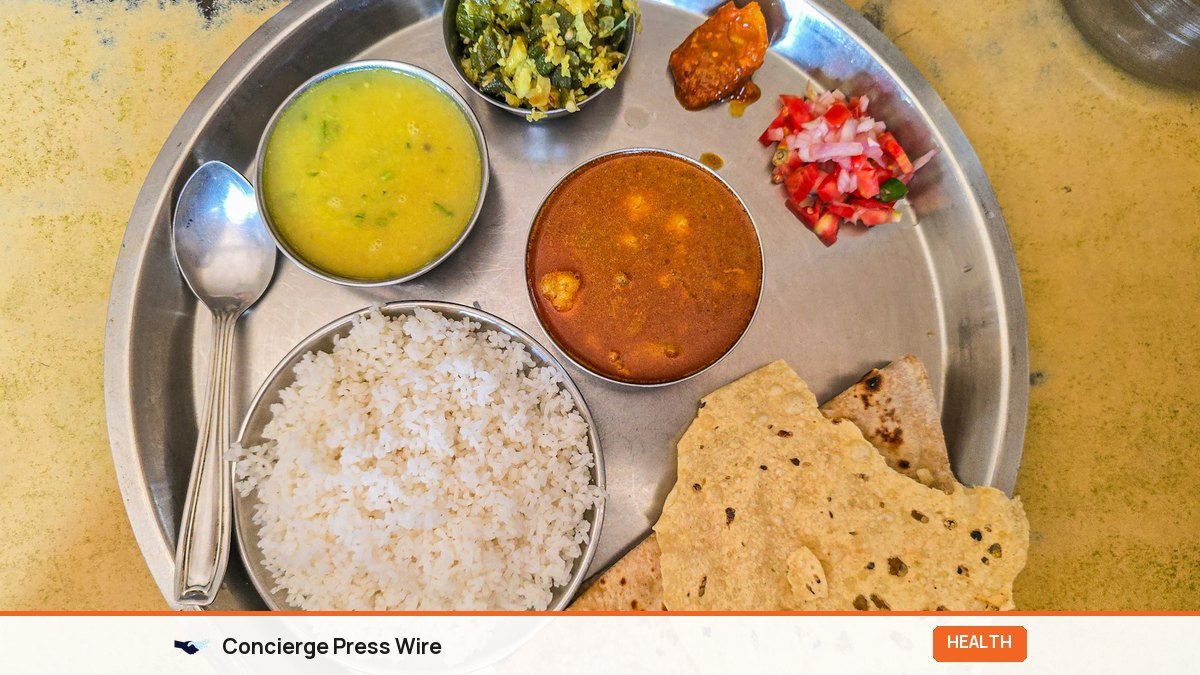
There is no single food, kadha or syrup that “boosts” a child’s immunity overnight, but a few steady habits do help children handle winter coughs, colds and flu better: balanced Indian meals, enough sleep, outdoor play, hand washing and up-to-date vaccines. This guide gives you a practical winter food list, a sample day’s menu, sleep targets by age, a vaccine reminder based on Indian Academy of Pediatrics (IAP) advice, and an honest look at kadha and other home remedies.
Quick answer (updated November 2026): Feed children regular home meals with dal or other protein, seasonal vegetables and fruit (amla, oranges, guava), curd, and whole grains like bajra and ragi; make sure they sleep enough for their age; keep them playing outdoors in daytime sun; teach hand washing; and ask your paediatrician about the annual flu vaccine, which IAP recommends every year for children from 6 months to 5 years. Kadha is not a vaccine or medicine; keep it mild if you use it, skip it for babies, and see a doctor for warning signs.
Key Takeaways
- Several colds a year are normal for young children, especially in their first years at playschool or school.
- Regular meals with protein, fruit, vegetables and curd matter more than any special “immunity” product.
- Sleep is one of the most overlooked supports for a child’s immune system.
- IAP advises an annual influenza vaccine for children aged 6 months to 5 years; ask your paediatrician before the season.
- Strong kadha, honey for babies under one, and unprescribed antibiotics can do more harm than good.
First, What Is Normal in Winter?
Parents often feel a child is “always sick” between November and February. Young children catch more viral infections than adults because their immune system is still meeting most common viruses for the first time. Playschool, crowded school vans, closed windows and family functions all help viruses spread. Several mild colds a year is a normal part of growing up and slowly builds immunity.
What you want to reduce is how often colds turn into something heavier, like flu, ear infections, wheezing or pneumonia, and how many school days are lost. That is where food, sleep, vaccines and hygiene make a real difference. For managing the cold itself, our guide to winter cold and cough home care covers what to do and when to see a doctor.
Winter Foods That Support a Child’s Immunity
No food works like a medicine. The goal is a diet that does not leave gaps in protein, iron, zinc, vitamins A, C and D, and fibre, because deficiencies weaken the body’s defences. The good news: Indian winter produce covers almost all of it cheaply.
| Food group | What it adds | Child-friendly ways to serve |
|---|---|---|
| Dal, rajma, chana, moong | Protein, iron, zinc | Thin dal with ghee and rice, moong dal chilla, chana chaat (mashed for toddlers) |
| Curd, milk, paneer | Protein, calcium, B12; curd adds live cultures | Raita, paneer bhurji, lassi at lunch, milk with a pinch of haldi |
| Eggs, fish, chicken (if your family eats them) | Protein, B12, zinc, vitamin D in eggs and fish | Egg bhurji, boiled egg, fish curry with rice |
| Amla, oranges, kinnow, guava | Vitamin C | Orange segments, guava slices, amla murabba in small amounts |
| Carrots, sweet potato, pumpkin, palak, methi, sarson | Vitamin A (as beta-carotene), folate, iron, fibre | Gajar halwa with less sugar, palak paratha, methi thepla, shakarkandi chaat |
| Bajra, ragi, jowar | Iron, fibre, minerals | Ragi porridge, bajra roti with ghee, ragi dosa |
| Til, peanuts, almonds, walnuts | Zinc, healthy fats, vitamin E | Til-gud chikki in small pieces, peanut chutney, ground nut powder in porridge |
| Soups and khichdi | Warm fluids, easy nutrition when appetite is low | Tomato, palak or mixed vegetable soup, moong dal khichdi with vegetables |
Choking warning: whole nuts, whole peanuts, chikki chunks and hard raw carrot pieces are choking hazards for children under five. Grind, mash, or serve as powder or paste.
Foods to keep small in winter
- Packaged chips, biscuits and namkeen, which fill small stomachs without nutrients
- Sugary drinks and packaged juices; whole fruit is better
- Too much tea or coffee for older children; caffeine can disturb sleep
- Deep-fried festive snacks every day during the wedding season
Cold food does not cause colds; viruses do. A child can still have curd, fruit or room-temperature milk in winter unless your doctor advises otherwise for a specific condition.
A Sample Winter Day’s Menu (Ages 3 to 10)
Adjust portions to your child’s age and appetite. This is an illustrative day, not a prescription.
| Time | Vegetarian option | With eggs or non-veg |
|---|---|---|
| Early morning | Warm milk, a few soaked and peeled almonds (ground for toddlers) | Same |
| Breakfast | Ragi porridge with jaggery, or methi thepla with curd | Egg bhurji with a roti and a few tomato slices |
| Mid-morning (school snack) | Orange or guava slices, roasted chana | Same |
| Lunch | Dal, rice, palak or mixed sabzi, raita, a few carrot sticks | Chicken or fish curry, rice, sabzi, curd |
| Evening | Shakarkandi chaat or a small til-gud ladoo, plus outdoor play | Boiled egg or the same |
| Dinner | Vegetable soup and moong dal khichdi with ghee | Same, or roti with dal and egg curry |
| Bedtime (if hungry) | Small cup of warm milk | Same |
For more soup ideas that children usually accept, see our list of Indian winter soup recipes.
Sleep: The Free Immunity Support
Children who sleep too little tend to fall sick more and recover more slowly. Winter weddings, late dinners and screen time push bedtimes later just when sleep matters most. Widely used paediatric sleep guidance recommends roughly these totals in 24 hours, including naps:
| Age | Recommended sleep per 24 hours |
|---|---|
| 1 to 2 years | 11 to 14 hours |
| 3 to 5 years | 10 to 13 hours |
| 6 to 12 years | 9 to 12 hours |
| 13 to 18 years | 8 to 10 hours |
Simple ways to protect sleep in winter
- Fix a bedtime and wake time, even on holidays, with no more than an hour’s difference.
- Switch off screens at least an hour before bed.
- Keep the room warm but not stuffy; overheated rooms with heaters dry the nose and throat.
- Avoid heavy fried dinners just before bed.
Sun, Play and Fresh Air
Many Indian children get little sun in winter, especially in north Indian cities where foggy, polluted mornings keep them indoors. Vitamin D is made in the skin from sunlight, and low levels are common in India. Aim for daily outdoor play in the late morning or afternoon when the sun is out and air quality is reasonable. Check your city’s AQI; on “very poor” or “severe” days, keep strenuous outdoor play short and follow local advisories. Our guide on vitamin D deficiency in winter explains sun timing and foods. Do not give vitamin D drops or tablets without a doctor’s advice, because overdosing is possible.
Vaccines: A Winter Reminder for Parents
Food and sleep cannot replace vaccines. Before winter, open your child’s vaccination card and check two things with your paediatrician.
1. Is the routine schedule up to date?
Missed or delayed doses of vaccines that protect against pneumococcal disease, Hib, measles, whooping cough (pertussis) and others leave a child exposed to serious infections that spread more easily when people crowd indoors. The Indian Academy of Pediatrics publishes the recommended schedule, and the government’s Universal Immunisation Programme provides many vaccines free at public health centres. If a dose was missed, ask about catch-up; you usually do not need to restart the series.
2. Has your child had this year’s flu vaccine?
IAP recommends influenza vaccination every year for children from 6 months to 5 years of age, and for older children with conditions such as asthma, heart disease or diabetes that raise the risk of complications. Children receiving the flu vaccine for the first time usually need two doses at least four weeks apart; after that, one dose a year. The World Health Organization’s influenza fact sheet lists young children among the groups at higher risk of severe illness.
Flu seasons differ across India: in many northern states activity rises in winter, while parts of the south see more flu during the monsoon. Your paediatrician will advise the best timing for your region. Do not assume last year’s shot still protects; the vaccine is updated for the strains expected each season.
Kadha and Other Home Remedies: Myths and Facts
Almost every Indian family has a kadha recipe, and many parents started giving it daily during the pandemic. Warm drinks can soothe a sore throat, and tulsi, ginger, cinnamon and black pepper are ordinary kitchen spices. But here is what the evidence and common sense say.
| Belief | Fact |
|---|---|
| “Daily kadha prevents all infections” | There is no good evidence that kadha prevents colds or flu in children. It is not a substitute for vaccines. |
| “Stronger is better” | Concentrated kadha with lots of black pepper, clove, ginger or giloy can cause acidity, mouth ulcers, stomach upset or nosebleeds in some children. |
| “Kadha is natural, so it is safe for babies” | Infants should not be given kadha or herbal decoctions. Under six months, babies need only breast milk or formula unless a doctor says otherwise. |
| “Honey in kadha helps cough” | Honey can soothe cough in children over one year, but must never be given to babies under 12 months because of the risk of infant botulism. |
| “Haldi doodh cures cough” | A pinch of haldi in warm milk is harmless and comforting for most children, but it does not cure infections. |
| “Chyawanprash protects against flu” | It is a food supplement with sugar and calories. Evidence for preventing infections in children is limited. Small amounts are fine if your child likes it. |
If you use kadha, keep it mild
- Only for children over one year, and preferably over two.
- Use a few tulsi leaves, a thin slice of ginger and a small piece of cinnamon in a cup of water, boiled and diluted.
- Limit to a few spoons to half a cup, not several cups a day.
- Stop if your child gets acidity, rashes, loose motions or mouth sores.
- Avoid giloy and other herbal products for children unless prescribed, since some herbal products have been linked to liver problems.
Hygiene Habits That Cut Winter Infections
- Hand washing with soap for 20 seconds before meals, after the toilet and after coming home from school.
- Cough and sneeze into the elbow, not the palm.
- No sharing of water bottles and tiffin spoons at school; label them.
- Keep sick children at home when they have fever, so they rest and do not spread it.
- Ventilate rooms for a few minutes daily even in cold weather.
- Keep smoke away from children, including cigarette smoke, mosquito coils and angithi or coal heaters in closed rooms, which can also cause dangerous carbon monoxide build-up.
When to See a Doctor Immediately
Most colds settle in a week to ten days. Take your child to a doctor promptly if you notice:
- Fast or difficult breathing, chest indrawing, wheezing or grunting
- Fever in a baby under three months, or fever lasting more than two to three days in an older child
- Drowsiness, unusual irritability or difficulty waking
- Refusing feeds or fluids, very few wet nappies, or signs of dehydration
- Ear pain, ear discharge, or a cough lasting longer than two to three weeks
- Bluish lips, seizures or a rash that does not fade when pressed
Do not give leftover antibiotics or adult cough syrups. Most winter infections are viral, and antibiotics do not help them.
Frequently Asked Questions
Which Indian foods boost kids’ immunity in winter?
No food boosts immunity on its own, but a balanced diet supports it. Dal and other protein, curd and milk, eggs or fish if eaten, amla, oranges and guava for vitamin C, carrots and leafy greens, and millets like bajra and ragi together cover most of what a child needs.
Is kadha safe for children?
Mild, diluted kadha in small amounts is usually tolerated by children over one or two years, but it does not prevent infections and strong versions can upset the stomach. Do not give it to infants. Ask your paediatrician if your child has any health condition.
Does my child need the flu vaccine every year?
IAP recommends an annual flu vaccine for all children aged 6 months to 5 years, and for older children with certain health conditions. First-timers usually need two doses a month apart. Ask your paediatrician about the timing for your region.
How many colds a year are normal for a child?
Young children commonly get several colds a year, more in their first years of playschool or school. Frequent colds alone are usually not a sign of weak immunity, but recurrent pneumonia, ear infections or poor growth should be discussed with a doctor.
Should I give my child vitamin C or multivitamin syrups in winter?
A child who eats a varied diet with fruit and vegetables usually gets enough vitamin C. Give supplements only if your doctor finds a deficiency or recommends them.
Can children drink cold milk or eat curd in winter?
Yes. Colds are caused by viruses, not cold food. Room-temperature curd and milk are fine for most children unless a doctor advises otherwise.
Your Winter Checklist
Check the vaccination card and book the flu shot if due. Plan meals around dal, curd, seasonal greens, millets and citrus. Protect bedtime. Get your child outdoors in the sun when air quality allows. Teach hand washing. Keep home remedies mild and never let them delay a doctor’s visit when warning signs appear.
This article is general information, not medical advice. Please consult a paediatrician about your child’s diet, supplements, vaccines and any illness.