Manali Snowfall Trip: Best Time, Permits, 4-Day Plan, Budget
Plan a Manali snow trip that works: the best months for snowfall, how Solang, Atal Tunnel, Sissu and Rohtang work in winter, a 4-day plan and a rupee budget.
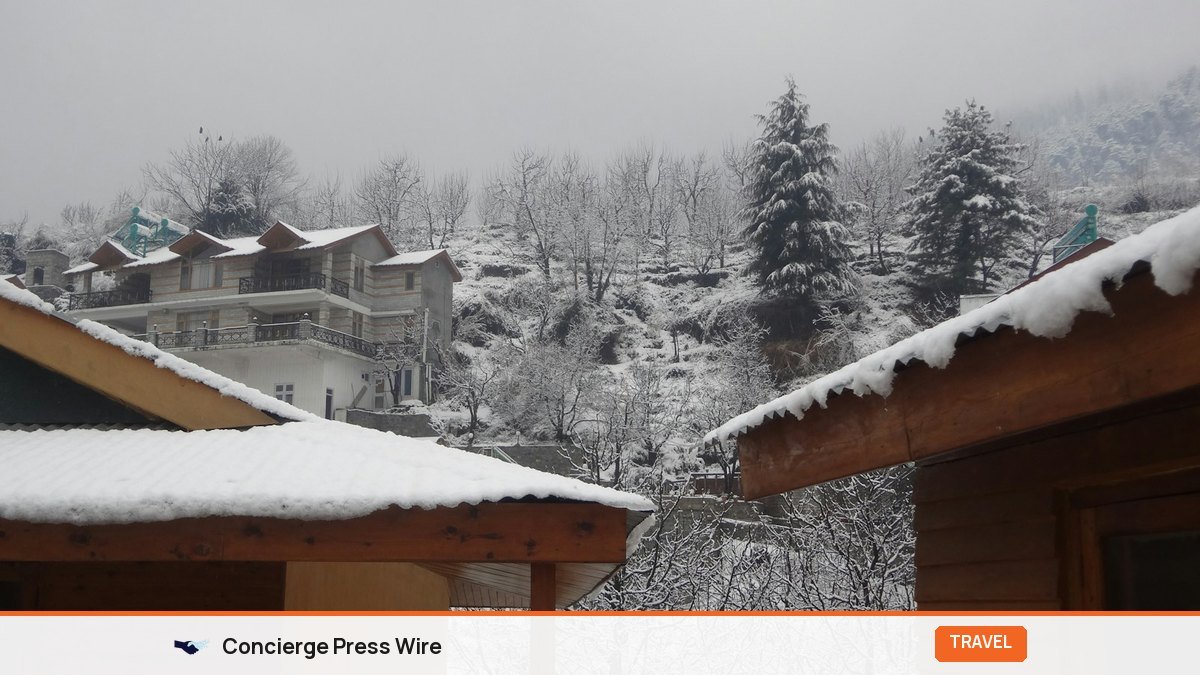
If you want to see snow in Manali, plan for late December to February, stay flexible on dates, and expect most of your snow at Solang Valley and around the Atal Tunnel rather than on Mall Road. This guide covers when it usually snows, how Solang, Atal Tunnel, Sissu and Rohtang Pass actually work in winter (including permits), a 4-day itinerary, a budget table in rupees, and the safety rules that matter on icy Himalayan roads.
Quick answer (updated November 2026): Fresh snowfall in Manali town is most likely from late December to February, with January the best bet, while higher spots such as Solang Valley and the Atal Tunnel area often have snow from December to March. Rohtang Pass is normally closed to tourists in winter and needs a paid online permit (reported at Rs 550 for the tourism permit) when it is open. Solang needs no permit. For Atal Tunnel and Sissu there is no Rohtang permit, but roads are often closed after heavy snowfall. Keep one buffer day, use a local snow-experienced driver, and check Kullu district and police updates daily.
Key Takeaways
- Snowfall is never guaranteed on specific dates; January gives the best odds, and higher points get snow more reliably than Manali town.
- Solang Valley (about 14 km from Manali) is the main winter snow playground and needs no permit.
- Rohtang Pass is usually shut to tourist traffic through winter; do not book a trip around it between December and April.
- Atal Tunnel (9.02 km) is the winter gateway to Sissu and Lahaul, but police often stop traffic after snowfall.
- Carry warm layers, waterproof shoes, cash and medicines, and always keep a buffer day for road closures.
When Does It Snow in Manali?
Manali town sits a little above 2,000 m. Snow there depends on western disturbances, the winter weather systems that bring rain and snow to the western Himalaya. Some winters bring several heavy spells; some bring very little. Use this as a guide, not a promise.
| Month | Manali town | Solang Valley / Atal Tunnel area | What to expect |
|---|---|---|---|
| November | Rare; cold and dry | Occasional early snow | Clear views, quiet, very cold nights |
| December | Possible, more likely late in the month | Snow likely in many years | Christmas and New Year crowds and price surge |
| January | Best chance of fresh snowfall | Usually snow-covered | Coldest month; frequent road closures after heavy spells |
| February | Good chance | Usually snow-covered | Fewer crowds than January, good for skiing at Solang |
| March | Occasional late snow | Snow often remains at higher points | Snow melting lower down; pleasant days |
In the last winter season, for example, heavy snowfall across Manali, Solang Valley, Atal Tunnel and Lahaul was widely reported in late January 2026. Check the India Meteorological Department forecast and Himachal weather updates a week before travel, and again daily during the trip.
Snow-chasing tip
If your dates are fixed and the forecast shows no snowfall, you can still see old snow at Solang Valley, Atal Tunnel’s south portal area and Sissu in most of January and February. If you want to watch snow actually falling, book flexible, refundable stays and keep watching forecasts for a western disturbance.
Solang, Atal Tunnel, Sissu and Rohtang: How Each Works in Winter
| Place | Distance from Manali (approx.) | Permit | Winter status |
|---|---|---|---|
| Solang Valley | About 14 km | No permit needed | Main winter snow point; skiing, snow tubing, ropeway rides when weather allows |
| Atal Tunnel (south portal) | About 25 km | No Rohtang permit | Open year-round in principle, but traffic is often restricted or stopped after heavy snow |
| Sissu (Lahaul, beyond the tunnel) | About 40 km | No Rohtang permit; a local entry fee and online vehicle registration for Lahaul have been reported, so check the latest rules | Frozen waterfall and snowfields; access depends on daily road status |
| Rohtang Pass | About 51 km | Online permit required when open | Normally closed to tourists through winter; reopens around May or later depending on snow clearance |
Atal Tunnel facts
The Atal Tunnel is 9.02 km long, sits at roughly 3,000 m, and opened in October 2020. It connects the Manali side to Lahaul and cuts the Manali to Keylong route by roughly 45 km compared with the old road over Rohtang. In winter it is the only practical way for tourists to reach Sissu. After snowfall, police and administration may stop tourist vehicles at points like Solang Nala or Palchan until the road is cleared. When that happens, you simply cannot go further that day.
Rohtang Pass permits
Rohtang permits are issued online on the official Rohtang Permits portal run under the Kullu district administration, which offers a tourism permit, a special permit for private vehicles, and a Hamta Pass permit. Travel guides report the tourism permit at Rs 500 plus a Rs 50 congestion charge (Rs 550) for cars, with daily vehicle quotas, and the need to carry vehicle RC, valid PUC and ID. The portal home page does not list fees, so confirm on the portal when you book. Remember: in winter, this is mostly irrelevant because the pass is shut to tourists. Ignore anyone selling “Rohtang winter packages”.
How to Reach Manali in Winter
- By road from Delhi: roughly 530 to 550 km, usually 12 to 14 hours by overnight Volvo or by car. HRTC and private operators run overnight buses from Delhi and Chandigarh.
- By air: the nearest airport is Bhuntar near Kullu, around 50 km away. Winter flights are limited and can be cancelled in bad weather. Chandigarh is a more reliable airport, about 300 km away.
- By train: take a train to Chandigarh or Kalka, then continue by road.
If you are driving your own car from the plains, know your limits. Black ice above Manali catches out experienced plains drivers. Many travellers park in Manali and hire a local 4×4 with snow chains for Solang and the Atal Tunnel.
4-Day Manali Snow Itinerary
This plan assumes you arrive by overnight bus on the morning of Day 1. It keeps the high-altitude trip for Day 3 so you have Day 4 as a buffer if roads close.
Day 1: Arrive, rest, explore Old Manali
- Check in, sleep a couple of hours, have a hot breakfast.
- Afternoon: Hadimba Devi Temple in the cedar forest, Vashisht village and its hot springs (follow local customs), and Manu Temple in Old Manali.
- Evening: Mall Road walk, early dinner. Hire or confirm your snow clothing and driver for the next days.
Day 2: Solang Valley snow day
- Leave early, around 8 am, to beat traffic jams.
- Rent snow boots and a waterproof suit at the shops on the way (agree the price before trying them on).
- Activities depend on weather: snow tubing, a beginner ski lesson, the ropeway when it is running, or simply playing in the snow.
- Be back before dark; roads freeze quickly after sunset.
Day 3: Atal Tunnel and Sissu (if open)
- Check road status the night before and at 7 am with your driver and local police updates.
- If open, cross the Atal Tunnel to Sissu: snowfields, views of the Chandra river valley and the frozen waterfall in deep winter.
- If closed, swap with a lower-level plan: Naggar Castle and the Roerich Art Gallery, or a second Solang day.
Day 4: Buffer day, then depart
- Use this for anything missed because of snow or closures.
- Otherwise, a gentle walk to Jogini Falls (if the trail is safe), cafe time in Old Manali, and shopping for shawls.
- Take the evening Volvo back. Expect delays near Kullu and Mandi in heavy traffic.
Budget Table for 4 Days (Per Person)
These are illustrative ranges for two people sharing, based on typical winter prices; peak dates around Christmas and New Year cost more. Check live prices before booking.
| Item | Budget (Rs) | Mid-range (Rs) | Notes |
|---|---|---|---|
| Delhi to Manali return bus | 2,000 to 3,500 | 3,500 to 5,000 | Ordinary to Volvo sleeper/semi-sleeper |
| Stay, 3 nights (shared room) | 2,500 to 5,000 | 6,000 to 12,000 | Homestay or hostel vs hotel with heating |
| Food, 4 days | 2,000 to 3,000 | 3,500 to 6,000 | Dhabas vs cafes and restaurants |
| Local taxi (Solang, Atal Tunnel), shared | 2,000 to 3,500 | 3,500 to 5,000 | 4×4 with chains costs more after snowfall |
| Snow gear rental | 300 to 600 | 500 to 1,000 | Boots and suit per day |
| Activities (tubing, ski lesson, ropeway) | 500 to 1,500 | 2,000 to 4,000 | Depends on weather and what is running |
| Local entry fees and miscellaneous | 500 to 1,000 | 1,000 to 2,000 | Temples, museums, parking, tips |
| Approx. total | 9,800 to 18,100 | 20,000 to 35,000 | Excluding flights and shopping |
Ways to save money
- Avoid 20 December to 5 January; prices for stays and taxis jump.
- Travel mid-week and book refundable stays near Old Manali or Vashisht.
- Rent snow gear once on the day you need it, not as a full-trip package.
- Share a taxi with other travellers from your hostel for Solang and Sissu.
What to Pack
- Thermal inner layers (top and bottom), a fleece, and a down or padded jacket
- Waterproof gloves, woollen cap, neck warmer, and two pairs of woollen socks per day
- Waterproof shoes with good grip; rent snow boots for snow days
- Sunglasses and sunscreen; snow glare causes sunburn and eye strain
- Lip balm and moisturiser; the air is very dry
- Personal medicines, a basic first-aid kit, and any prescription for altitude or chronic conditions
- Power bank (cold drains batteries fast) and some cash, since networks and card machines can fail after snowfall
Safety Rules for a Snow Trip
- Follow police and administration orders. When traffic is stopped beyond a point, do not try to sneak past. Check the Kullu district website and local news for advisories.
- Hire a local driver experienced in snow and make sure the vehicle carries snow chains.
- Start early and return before dark. Melted snow refreezes into black ice after sunset.
- Do not walk onto frozen lakes, streams or cornices, and stay away from slopes after fresh snowfall, which can slide.
- Watch for cold injuries. Numb, white or waxy fingers and toes, uncontrolled shivering, confusion or slurred speech need urgent warm shelter and medical help.
- Altitude: Sissu and the Atal Tunnel area are much higher than Manali. If you get a severe headache, breathlessness at rest or vomiting, go back down and see a doctor.
- Heaters in rooms: never sleep with a coal angithi or gas heater running in a closed room; carbon monoxide can kill.
- Adventure activities: use registered operators and wear the safety gear given. Ask about insurance.
- Keep the mountains clean. Carry your waste back; plastic is a big problem at Solang and Sissu.
Families with small children, elderly travellers and anyone with heart or lung conditions should consult a doctor before a high-altitude winter trip.
Frequently Asked Questions
Which is the best month to see snowfall in Manali?
January gives the best chance of fresh snowfall in Manali town, followed by late December and February. Solang Valley and the Atal Tunnel area usually have snow from December to March, but every winter is different.
Is Rohtang Pass open in winter?
Rohtang Pass is normally closed to tourist traffic through winter and reopens around May or later once the road is cleared. In winter, Solang Valley and the Atal Tunnel to Sissu are the alternatives.
Do I need a permit for Atal Tunnel or Solang Valley?
No Rohtang permit is needed for Solang Valley or the Atal Tunnel route. Travel guides report a local entry fee and online vehicle registration for vehicles entering Lahaul, so check the latest rules before going to Sissu.
How much does a Rohtang permit cost?
Travel guides report Rs 550 for the tourism permit (Rs 500 fee plus Rs 50 congestion charge) for cars, issued online through the official portal. Confirm the amount on rohtangpermits.hp.gov.in when booking.
Is a 4-day trip enough for Manali in winter?
Four days is enough for Old Manali, a Solang snow day and an Atal Tunnel or Sissu trip, provided you keep one day as a buffer for road closures. Add a day if you also want Kullu, Naggar or Kasol.
Can I drive my own car to Solang in snow?
You can if roads are open and you are confident on snow and ice with chains fitted, but many visitors from the plains prefer hiring a local driver with a 4×4. Police may stop non-4×4 vehicles after heavy snowfall.
Book Flexible, Pack Warm
Pick a window between late December and February, book refundable stays, and plan Solang and the Atal Tunnel for different days with a buffer in between. Watch the weather a week out, check road advisories each morning, and keep Rohtang for a summer trip. For more winter destinations beyond Himachal, see our list of best hill stations in India for a winter trip, and browse Himachal Tourism’s Manali page for official information on stays and sights.