14 Best Hill Stations in India for a Winter Trip
A shortlist of 14 Indian hill stations for December to February, with snow chances, how to reach, permits like Tawang's ILP and winter safety tips.
The best hill stations in India for a winter trip depend on one question: do you want snow, or do you want crisp, sunny cold without the hassle of blocked roads? This guide covers 14 hill stations across the Himalaya, the North-East and the South, with the months when snow is most likely, how to reach each one, and the permits and road closures that catch first-timers out. Use the comparison table to shortlist, then read the details for the two or three that fit your dates and budget.
Key Takeaways
- For reliable snow, head to Gulmarg, Auli, Manali (Solang and Sissu side) or Tawang between late December and February.
- Shimla, Mussoorie, Nainital and Dalhousie get occasional snowfall but are mainly about cold, clear views and easy access.
- South Indian hill stations such as Ooty, Munnar and Kodaikanal never get snow but offer pleasant, dry winter weather.
- Rohtang Pass is usually closed in winter, but the Atal Tunnel lets you reach Sissu from Manali when the weather allows. Tawang needs an Inner Line Permit for Indian visitors.
- Build one buffer day into any Himalayan winter trip; heavy snowfall can shut roads for a day or more.
How to Choose a Winter Hill Station
Winter in the Indian hills runs roughly from December to February, with November and March as shoulder months. Before you pick a destination, be honest about three things.
- Snow or no snow. Snowfall is never guaranteed, even in Gulmarg. Higher altitude and a January to February trip give you the best odds.
- Who is travelling. Infants, elderly parents and anyone with heart or breathing problems will be more comfortable below 2,300 m or so, and in places with good road access and hospitals. Speak to a doctor before taking vulnerable family members to high altitude in winter.
- How many days you have. Tawang or Gulmarg need five to seven days to be worth it. Mussoorie, Nainital or Shimla work as a long weekend from Delhi and nearby cities.
Winter Hill Stations at a Glance
| Hill station | State / UT | Approx. altitude | Snow chances | Nearest airport / railhead | Best for |
|---|---|---|---|---|---|
| Gulmarg | Jammu and Kashmir | About 2,650 m | High (Dec to Feb) | Srinagar airport | Skiing, gondola, deep snow |
| Auli | Uttarakhand | About 2,500 to 3,000 m | High (Jan to Feb) | Dehradun airport; Rishikesh / Haridwar rail | Skiing slopes, Nanda Devi views |
| Manali | Himachal Pradesh | About 2,050 m | Moderate in town, high at Solang and Sissu | Bhuntar (Kullu) airport | Snow play, families, honeymoon |
| Shimla and Kufri | Himachal Pradesh | About 2,200 m | Occasional | Kalka (toy train); Shimla airport | Easy access, colonial town |
| Dalhousie and Khajjiar | Himachal Pradesh | About 2,000 m | Occasional | Pathankot | Quiet walks, pine forests |
| Mussoorie | Uttarakhand | About 2,000 m | Occasional | Dehradun | Short trips from Delhi |
| Nainital | Uttarakhand | About 2,000 m | Occasional | Kathgodam rail; Pantnagar airport | Lakes, families |
| Darjeeling | West Bengal | About 2,000 m | Rare | Bagdogra airport; New Jalpaiguri rail | Kanchenjunga views, tea estates |
| Gangtok | Sikkim | About 1,650 m | Rare in town; common at Tsomgo and beyond | Bagdogra; Pakyong airport | Monasteries, snow day trips |
| Tawang | Arunachal Pradesh | About 3,000 m | High (Dec to Feb) | Guwahati / Tezpur | Adventure, monastery, snowy passes |
| Shillong | Meghalaya | About 1,500 m | None | Guwahati airport | Mild cold, cafes, waterfalls nearby |
| Ooty | Tamil Nadu | About 2,200 m | None (frost possible) | Coimbatore airport; Mettupalayam rail | Toy train, gardens |
| Munnar | Kerala | About 1,500 m | None | Kochi airport | Tea gardens, misty mornings |
| Mount Abu | Rajasthan | About 1,200 m | None | Abu Road station | Short break from Gujarat and Rajasthan |
Altitudes are approximate and vary across each town.
For Guaranteed-ish Snow: The High Himalaya
1. Gulmarg, Jammu and Kashmir
Gulmarg is India’s best-known ski destination, and from late December through February the meadow is usually buried under snow. The Gulmarg Gondola is the main attraction. Phase 1 goes to Kongdoori, and Phase 2 climbs to near Apharwat Peak at close to 4,000 m. Tickets are sold in time slots on the official online portal and sell out in peak weeks, so book before you travel. Phase 2 closes often in bad weather.
Plan: Fly to Srinagar, spend a night on a houseboat or in the city, then drive about two hours to Gulmarg. Ski equipment and instructors can be hired locally; beginners should stick to the lower slopes with an instructor.
2. Auli, Uttarakhand
Auli’s open slopes, oak and deodar forests and views of Nanda Devi make it Uttarakhand’s winter sports hub. Snow usually settles from January. The Joshimath to Auli ropeway has been shut since the 2023 land-subsidence problems in Joshimath, so plan to go up by road and check the current status with the Garhwal Mandal Vikas Nigam (GMVN) before counting on it.
Plan: Reach Rishikesh or Haridwar by train, or Dehradun by air, then drive roughly 10 hours via Joshimath. Break the journey overnight at a town such as Rudraprayag or Karnaprayag.
3. Manali, Solang and Sissu, Himachal Pradesh
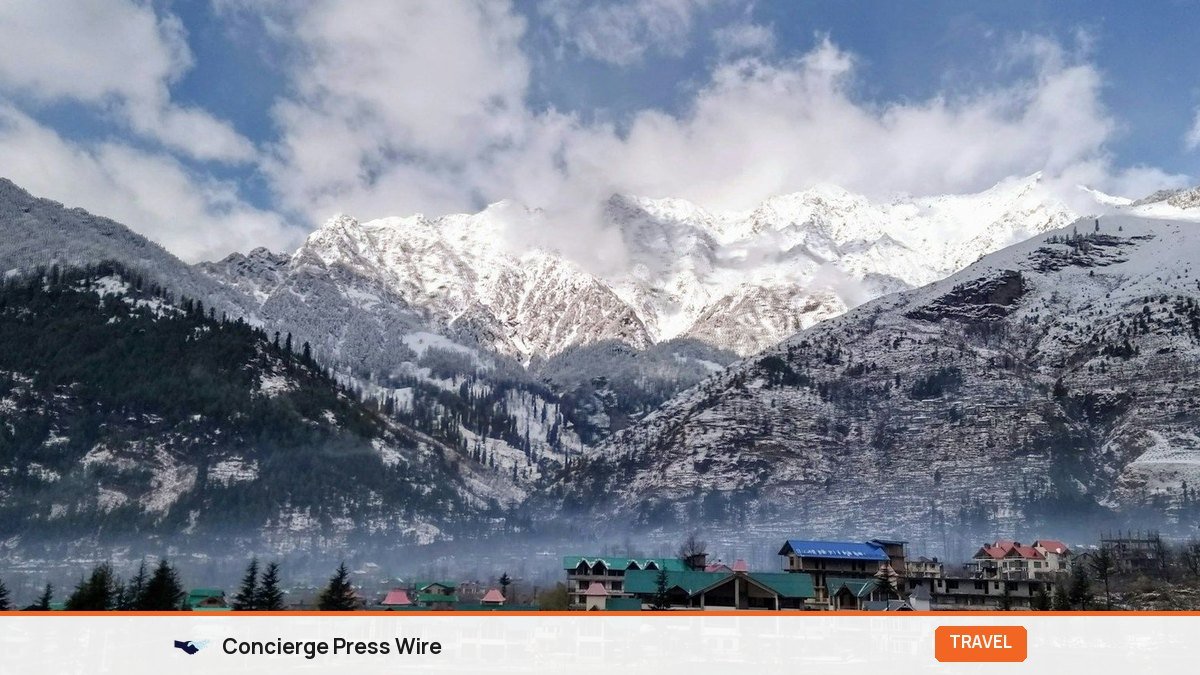
Manali town gets snow in some winters, but Solang Valley, about 14 km away, and Sissu, on the other side of the Atal Tunnel, are where the snow reliably is. The 9 km Atal Tunnel changed winter travel here: you can now drive through to Lahaul in winter when the weather permits, even though Rohtang Pass itself is usually closed from around November to May. The tunnel does close temporarily after heavy snowfall, so keep plans flexible. Rohtang, when open, needs a permit booked on the official Rohtang permit portal; the tunnel does not.
Plan: Overnight Volvo buses from Delhi reach Manali in about 12 to 14 hours. Flights to Bhuntar are limited and weather-dependent. Hire snow boots and jackets locally rather than buying them for a single trip.
4. Tawang, Arunachal Pradesh
Tawang is for travellers who want a real adventure. The 17th-century Tawang Monastery, frozen lakes and the snow around Sela Pass make it spectacular in winter. The Sela Tunnel now bypasses the highest stretch of the old pass road, which has made the drive more reliable. Indian visitors from outside Arunachal need an Inner Line Permit, which you can apply for on the Arunachal Pradesh ILP portal before you travel.
Plan: Fly to Guwahati, then drive via Bhalukpong, Dirang and Sela. The trip takes two days each way, so allow at least six to seven days in total. Carry your ILP copies and ID at all times.
Classic Hill Stations With a Chance of Snow
5. Shimla and Kufri, Himachal Pradesh
Shimla’s Mall Road and Ridge are lovely on a clear winter day, and Kufri, about 15 km up the road, gets snow more often than Shimla itself. The Kalka-Shimla toy train, part of the UNESCO-listed Mountain Railways of India, is worth doing once. When snow falls, traffic between Shimla and Kufri can crawl, so leave early.
6. Dalhousie and Khajjiar, Himachal Pradesh
Quieter than Shimla and Manali, Dalhousie is spread over several hills with old churches and pine-lined walks. Khajjiar, a meadow surrounded by deodar forest nearby, looks very different under a light snow cover. Good for couples and families who want a slower trip.
7. Mussoorie, Uttarakhand
Easily the most convenient winter getaway from Delhi. Drive or take a train to Dehradun, then it is about an hour uphill. Snow is occasional and usually light. Lal Tibba and Landour offer clear Himalayan views on winter mornings, and Landour’s quieter lanes are a good escape from Mall Road crowds.
8. Nainital, Uttarakhand
Nainital’s lake, boating and Snow View point make it a family favourite. The Kathgodam railhead is close, and winter crowds are thinner than in May and June. Nearby Mukteshwar and Bhimtal are quieter options if Nainital feels too busy.
The North-East: Cold, Clear and Uncrowded
9. Darjeeling, West Bengal
Winter is the best season for clear views of Kanchenjunga from Tiger Hill at sunrise. Snow in Darjeeling town is rare, but the cold is sharp. Ride the Darjeeling Himalayan Railway, another part of the UNESCO Mountain Railways listing, and visit a tea estate.
10. Gangtok, Sikkim
Gangtok is mild compared with the high Himalaya, but day trips to Tsomgo Lake and Nathu La take you into snow. These areas need permits, usually arranged through registered local tour operators, and roads close when snowfall is heavy. Rumtek Monastery and MG Marg fill the rest of your days.
11. Shillong, Meghalaya
Shillong does not get snow, but winter brings cold nights and clear, dry days, ideal for visiting Cherrapunji (Sohra), Dawki and the living root bridges without monsoon rain. It is also one of India’s most relaxed cities for music and cafes.
South Indian Hill Stations: Winter Without the Freeze
12. Ooty, Tamil Nadu
Ooty’s winter days are pleasant and nights can drop close to freezing, with frost on the grass in some areas. The Nilgiri Mountain Railway from Mettupalayam, also UNESCO-listed, is the highlight; book seats well in advance. Coonoor, lower down, is a calmer base.
13. Munnar, Kerala
Endless tea gardens, misty mornings and waterfalls. Winter is Munnar’s peak season because the monsoon has passed and the air is dry and cool. Eravikulam National Park and the Top Station viewpoint are the main draws.
14. Mount Abu, Rajasthan
Rajasthan’s only hill station is a convenient winter weekend for families from Gujarat and Rajasthan. Nakki Lake, the Dilwara Temples and sunset point are the classics. Nights get cold in December and January.
Winter Travel Safety and Packing Tips
Most winter trip problems in the hills come from roads and clothing, not the destination itself.
- Layer, don’t bulk. Thermal inners, a fleece, a windproof jacket, woollen socks, gloves and a cap. Cotton gets cold when wet; avoid it as a base layer.
- Waterproof footwear. Snow boots can be hired at Solang, Gulmarg and Auli. Normal sports shoes soak through quickly.
- Hire local drivers on snow routes. Driving on black ice needs experience. Many taxi operators fit snow chains when needed.
- Carry cash. ATMs and card machines can fail when power and networks go down in snowstorms.
- Watch for altitude sickness. Headache, nausea and breathlessness above 2,500 m are warning signs. Rest, drink water and descend if symptoms worsen. Consult a doctor before travel if anyone has heart or lung conditions.
- Keep a buffer day. Especially before a flight home. Roads to Gulmarg, Tawang and Lahaul can close for a day or more after heavy snowfall.
- Don’t light heaters or angithis in closed rooms. Carbon monoxide poisoning from charcoal heaters in sealed rooms is a real and sometimes fatal risk in winter.
Frequently Asked Questions
Which hill station in India has the most snow in winter?
Gulmarg in Jammu and Kashmir and Auli in Uttarakhand usually have the deepest and most reliable snow from late December to February. Tawang and the Lahaul side of Manali (Sissu) also get heavy snow.
When is the best time to see snow in Manali?
January and early February give the best chance. Manali town gets snow in some years, but Solang Valley and Sissu, beyond the Atal Tunnel, are more reliable. Snowfall varies every season, so check forecasts close to your dates.
Is Rohtang Pass open in winter?
Usually not. Rohtang is typically closed from around November to May because of snow. You can still reach Sissu and Lahaul through the Atal Tunnel when the weather permits, and the tunnel does not require the Rohtang permit.
Do Indians need a permit to visit Tawang?
Yes. Indian citizens from outside Arunachal Pradesh need an Inner Line Permit. You can apply online on the official ILP portal before your trip or get one from designated offices, and must carry it while travelling in the state.
Which hill stations are good for a winter trip with elderly parents?
Lower, well-connected places such as Mussoorie, Nainital, Shimla, Ooty, Munnar and Mount Abu are more comfortable than high-altitude destinations. Check with a doctor before travel if your parents have heart, lung or blood pressure issues.
Which South Indian hill station is best in winter?
Munnar and Ooty are both at their best from December to February, with dry, cool weather. Choose Ooty for the toy train and gardens, and Munnar for tea estates and wildlife at Eravikulam.
Book Early, Pack Smart, Stay Flexible
Winter is peak season in most Himalayan hill stations, especially around Christmas and New Year, so book stays and gondola or train tickets early. Pick a destination that matches your group’s comfort with cold and altitude, keep a spare day for weather, and check road status on the morning you travel. Do that, and a winter hill station trip is one of the best holidays India offers.