Board Exam Stress: Tips for Students and Parents (2027 Exams)
Practical ways for students to manage board exam stress, a realistic study timetable, advice for parents, and the free helplines to call when worry becomes too much.
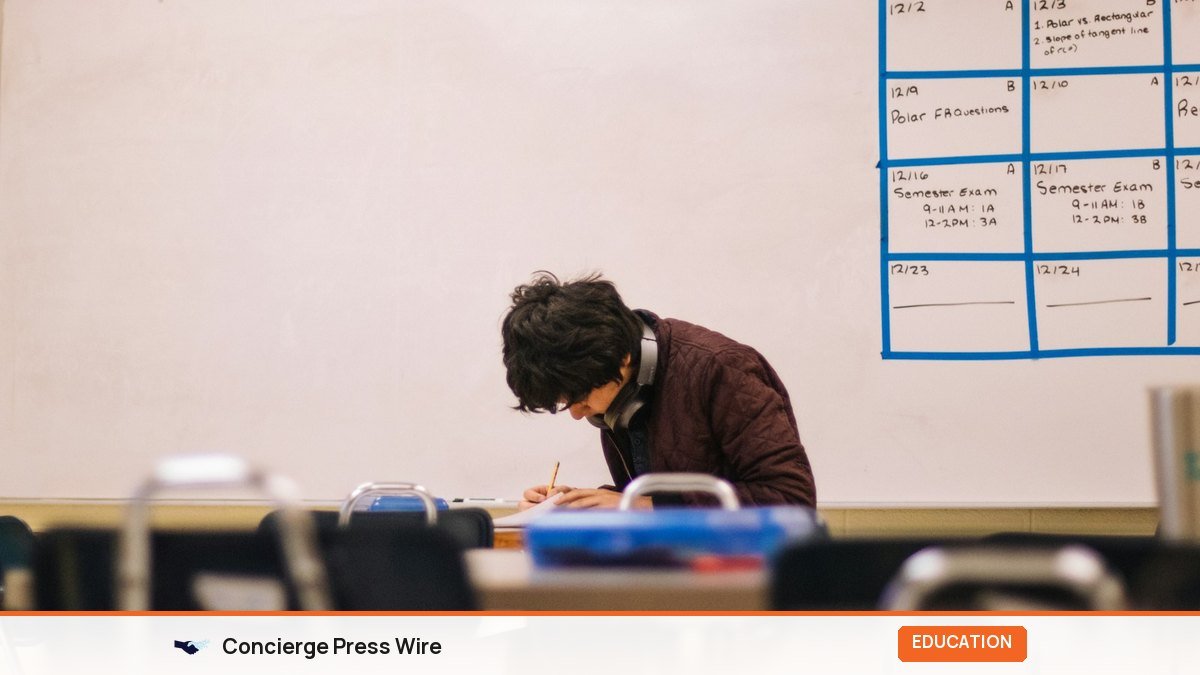
Some nervousness before board exams is normal and can even help you focus. It becomes a problem when it stops you sleeping, eating or studying. This guide gives students a realistic study schedule, sleep and food habits that protect memory, and quick techniques for exam-day panic, plus a section for parents on what helps and what makes things worse, and the free helplines to call when worry becomes too much.
Updated November 2026. This article is general guidance, not medical advice. If stress, low mood or anxiety lasts for weeks or affects daily life, please talk to a doctor or a qualified counsellor. In an emergency, call 112.
Key Takeaways
- Tele-MANAS, the government’s free mental health helpline, is reachable 24×7 on 14416. CBSE also runs a psycho-social counselling service in the exam season; check cbse.gov.in for the 2027 schedule.
- Teenagers need about 8 to 10 hours of sleep a night. Cutting sleep to study usually lowers marks, because memory is consolidated during sleep.
- Study in focused blocks of 45 to 50 minutes with short breaks, and spend more time on past papers than on re-reading notes.
- Parents help most by keeping home calm, keeping routines steady and not comparing children with siblings, cousins or toppers.
- Warning signs such as weeks of poor sleep, withdrawal, crying spells, panic attacks or talk of hopelessness need professional help, not more motivation.
Quick help list: Tele-MANAS (free, 24×7): 14416. CBSE counselling: details are published on cbse.gov.in each exam season (for the 2026 exams it ran from January). Emergency: 112. CBSE 2027 board exams: February to March 2027, date sheet to be announced on cbse.gov.in.
Why board exams feel so stressful
Board exams carry more weight in Indian families than almost any other test. Relatives ask about marks, college admissions seem to hinge on them, and social media is full of 99% toppers. Add a syllabus that feels endless and you get a pressure cooker.
A moderate amount of stress is useful. It makes you start revising, sit through a mock paper and check your answers. Too much stress does the opposite. Concentration drops, sleep breaks down, and you re-read the same page five times without remembering it.
The aim of this guide is not to make stress disappear. It is to keep it in the useful zone.
Signs that stress has gone too far
- Trouble falling asleep, or waking in the night thinking about exams
- Headaches, stomach aches or nausea, especially on study days
- Eating much less or much more than usual
- Irritability, crying easily, or snapping at family
- Avoiding studying altogether, or studying all night without retaining anything
- Losing interest in things you normally enjoy
- Feeling hopeless about the future
The UK’s NHS lists very similar signs in its advice for parents on exam stress, and suggests seeing a doctor if anxiety or low mood is severe or does not go away.
Where things stand for 2027
For CBSE students, the main board exams are expected in February and March 2027, as stated in CBSE’s list-of-candidates circular. As of early November 2026, the official 2027 date sheet had not been released. Only trust a date sheet published on cbse.gov.in; PDFs circulating on WhatsApp before that are often fake. State boards publish their own timetables, usually on their official board websites.
From 2026, Class 10 students also have a second, optional board exam to improve marks in a limited number of subjects. Knowing there is a safety net can take some pressure off, but plan to do your best in the first attempt.
A study schedule that does not burn you out
The biggest source of stress is the feeling that there is too much to do and no plan. A written plan fixes that. Here is a framework for the months before the exams; adjust dates once your board’s date sheet is out.
| Period | Focus | Daily study |
|---|---|---|
| November | Finish remaining chapters, note weak topics | 4 to 5 hours on school days, 6 to 7 on holidays |
| December | First full revision, one sample paper per subject per week | 5 to 6 hours |
| January | Pre-boards, practicals, error correction | 6 hours plus pre-board days |
| February to exams | Timed past papers, formula and diagram revision | 6 to 7 hours, with fixed sleep time |
| Between papers | Light revision of the next subject, no new topics | Follow the gap: revise key points, rest well |
How to structure a study day
- Work in blocks. Study for 45 to 50 minutes, then take a 10-minute break away from the desk and phone. After three or four blocks, take a longer break.
- Hardest subject first. Do the subject you dread when your mind is fresh, usually the morning.
- Test, do not just read. Close the book and write what you remember, solve questions, or explain a topic aloud. Re-reading feels productive but sticks poorly.
- Keep an error notebook. Every mistake from a mock or sample paper goes into one notebook. Revise it every week.
- Plan the next day before you sleep. Write three tasks for tomorrow. You will sleep better knowing the plan is on paper.
A sample weekday for a Class 12 student
| Time | Activity |
|---|---|
| 6:30 am | Wake up, water, 10 minutes of stretching or a short walk |
| 7:00 to 8:30 am | Hardest subject: problem practice |
| 8:30 am to 2:30 pm | School or coaching |
| 2:30 to 4:00 pm | Lunch and rest; a short nap of 20 minutes at most if needed |
| 4:00 to 6:00 pm | Second subject, two 50-minute blocks |
| 6:00 to 7:00 pm | Outdoor play, walk or exercise |
| 7:00 to 9:00 pm | Revision, error notebook, sample paper sections |
| 9:00 to 9:45 pm | Dinner with family, no screens |
| 9:45 to 10:15 pm | Light reading or flashcards, plan tomorrow |
| 10:30 pm | Lights out |
This is an example, not a prescription. If your school or coaching hours differ, keep the principles: hard work in the fresh hours, movement every day, and a fixed bedtime. For a subject-by-subject plan and sample paper sources, see our CBSE Board Exam 2027 preparation guide.
Sleep, food and exercise: the exam basics
Sleep
The NHS advises that teenagers need 8 to 10 hours of sleep a night and suggests about half an hour to wind down between studying or screens and bedtime. Sleep is when the brain files away what you learned during the day. All-night study sessions before an exam feel heroic but usually leave you slower and more error-prone in the hall.
- Fix a bedtime and wake time, and keep them on weekends too.
- Keep the phone outside the bedroom or on the other side of the room.
- Avoid tea, coffee and energy drinks after late afternoon.
- If you cannot sleep after 20 minutes, get up, read something light under dim light, and return when sleepy.
Food
- Eat proper meals at regular times. Skipping breakfast before a morning study block is a common mistake.
- Keep simple snacks within reach: fruit, roasted chana, peanuts, curd, sprouts, poha.
- Drink water through the day. Mild dehydration can cause headaches and tiredness.
- Go easy on sugary snacks and energy drinks; they can leave you jittery and then flat.
- On exam day, eat a familiar, light meal. Not the day to try new street food.
Movement
Even 20 to 30 minutes of walking, cycling, skipping, dancing or a game of cricket in the building compound clears the head and helps sleep. Do not drop all physical activity in exam season; it is part of studying well.
Quick techniques for panic and exam-day nerves
Box breathing (one minute)
- Breathe in slowly through the nose for a count of 4.
- Hold for 4.
- Breathe out through the mouth for 4.
- Hold for 4. Repeat four to six times.
The 5-4-3-2-1 grounding exercise
When your mind races, name 5 things you can see, 4 you can touch, 3 you can hear, 2 you can smell and 1 you can taste. It pulls attention back to the present in about a minute.
Exam-hall routine
- Pack your bag, admit card, ID and stationery the night before.
- Reach the centre early, but avoid last-minute group discussions about “important questions”; they mostly raise panic.
- Use the reading time to plan: which questions first, how much time for each section.
- If you blank on a question, mark it, move on and come back. Memory often returns once you relax.
- Keep the last 10 to 15 minutes to check answers and question numbers.
After each paper
Do not post-mortem the paper with friends for hours. Note what went well, eat, rest for an hour, then start on the next subject. The paper is done; the next one is still in your hands.
For parents: what helps and what hurts
Parents often want to help but end up adding pressure without meaning to. A few changes make a big difference.
| Helps | Hurts |
|---|---|
| Asking “How are you feeling about it?” | Asking “How many marks will you get?” every day |
| Keeping home calm, quiet hours and regular meals | Loud TV, frequent guests and family arguments at home |
| Praising effort and consistency | Comparing with siblings, cousins, neighbours or toppers |
| Agreeing small rewards for finishing revision goals | Threats about phones, outings or “what people will say” |
| Being flexible about chores in exam months | Adding errands and family functions during peak revision |
| Saying “Your result does not decide your worth” | Linking marks to the family’s honour |
| Noticing changes in sleep, food or mood | Dismissing worries as “drama” or “laziness” |
The NHS guidance also suggests agreeing small rewards for finishing revision and each exam, being relaxed about tidiness during revision, and staying calm yourself. Children read parents’ anxiety very quickly.
For an illustrative example, a family in Lucknow might agree that the TV stays off from 7 to 9 pm on weekdays for everyone, not just the student, and that relatives are told politely that results will be shared when they come. Small household rules like these remove a lot of background pressure.
When to involve a professional
Talk to the school counsellor or a doctor if your child:
- has slept badly for more than a couple of weeks
- has stopped eating properly or has frequent physical complaints with no clear cause
- withdraws from family and friends, or cries often
- has panic attacks
- says things like “there is no point” or talks about harming themselves
The last point is an emergency. Stay with your child, remove anything they could hurt themselves with, and call Tele-MANAS on 14416 or emergency services on 112.
Helplines and support you can use
| Service | How to reach | What it offers |
|---|---|---|
| Tele-MANAS (Government of India) | Call 14416, free, 24×7 | Mental health counselling in multiple Indian languages, routed to your state’s cell, with referral to specialists if needed |
| CBSE psycho-social counselling | Details on cbse.gov.in each exam season | For the 2026 exams: a toll-free IVRS line (1800-11-8004) with tips, and tele-counselling on working days |
| School counsellor | Through your school | Face-to-face support, and liaison with teachers |
| Emergency services | Call 112 | Immediate help in a crisis |
You can find more about Tele-MANAS on its official website, run by the Ministry of Health and Family Welfare. Calling is free and confidential, and you do not need to be in a crisis to call; talking about exam worry is reason enough.
Frequently Asked Questions
How many hours should I study for board exams each day?
Quality matters more than hours. Many students do well with 5 to 7 focused hours in the final months, in 45 to 50 minute blocks with breaks, while protecting 8 or more hours of sleep. If you are studying 10 hours but remembering little, cut hours and add testing and rest.
Is it okay to study all night before an exam?
It usually backfires. Sleep helps lock in what you studied. A tired brain makes careless mistakes and recalls less. Revise key points in the evening, then sleep at your normal time.
What is the Tele-MANAS number?
Dial 14416. It is a free, 24×7 national mental health helpline run by the Ministry of Health and Family Welfare, with counselling in many Indian languages.
Does CBSE offer free counselling for board exam students?
Yes, CBSE has run psycho-social counselling for board students in past exam seasons. For the 2026 exams, it started in January 2026 with a toll-free IVRS line and tele-counselling. Check cbse.gov.in for the 2027 schedule and numbers.
How can parents reduce exam stress at home?
Keep routines and meals regular, reduce noise and visitors, praise effort, avoid comparisons, and watch for changes in sleep, appetite and mood. Make it clear that your love does not depend on marks.
What should I do if I blank out in the exam hall?
Put the pen down, do a minute of slow breathing, then move to a question you know. Come back to the difficult one later. Blanking out is common and usually passes once your body calms down.
One plan, one bedtime, one call if you need it
Write a weekly study plan tonight, fix your sleep time, and decide on one person you will talk to when worry builds up, whether a parent, teacher, friend or counsellor. Save 14416 in your phone. Marks matter, but they are one chapter in a long story, and you will write many better ones after this.