Children’s Day 2026 (14 November): History, Activities, Gifts
Bal Diwas falls on Saturday, 14 November 2026. Here is why India celebrates on Nehru's birthday, with activity ideas for schools and homes and gifts by age.
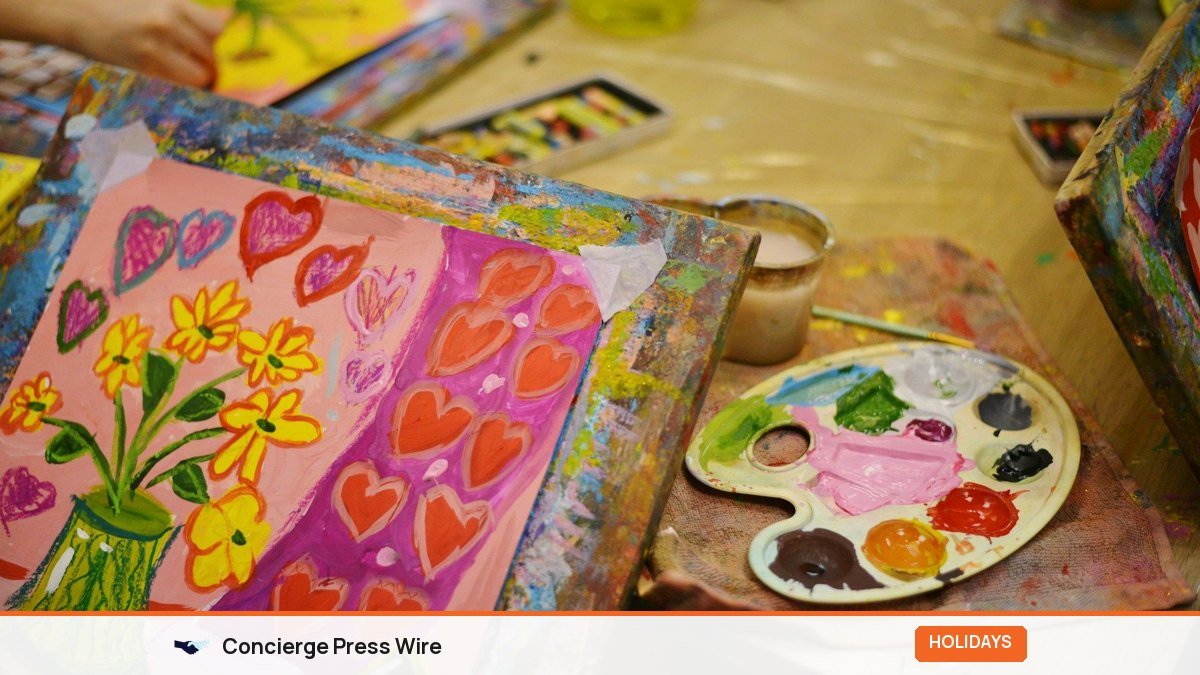
Children’s Day, or Bal Diwas, falls on Saturday, 14 November 2026, the birth anniversary of Jawaharlal Nehru. This guide covers why India celebrates it on 14 November, then gives you practical activity ideas for schools and homes and a gift list sorted by age, so you can plan something meaningful whether you are a teacher, a parent or a society committee member.
Key Takeaways
- India marks Children’s Day on 14 November, Jawaharlal Nehru’s birthday. He was born on 14 November 1889 in Allahabad (now Prayagraj).
- India earlier observed Children’s Day on 20 November along with the international day. After Nehru’s death in 1964, his birthday was chosen instead.
- In 2026, 14 November is a Saturday, so many schools will hold celebrations on Friday the 13th or on the day itself if it is a working Saturday.
- The best activities let children lead: role-reversal days, a kids’ market, storytelling, science experiments and outdoor games.
- Gifts work better when they match age and interests. Books, art supplies and experiences often outlast toys.
Why Children’s Day Is Celebrated on 14 November
Jawaharlal Nehru, India’s first Prime Minister, was born on 14 November 1889. Children called him “Chacha Nehru”, and he spoke often about children as the future of the country and about education as the way to build it. As Drishti IAS summarises, India designated his birthday as Children’s Day after his death in 1964 to honour his commitment to children’s welfare.
Before that, India marked Children’s Day on 20 November, the date the United Nations observes as World Children’s Day. The UN date marks the adoption of the Convention on the Rights of the Child. So if you see two dates online, both are correct: 14 November is India’s Bal Diwas, and 20 November is the international observance.
Nehru and children: one story worth sharing
In the summer of 1928, Nehru wrote a series of letters to his ten-year-old daughter Indira, who was in Mussoorie while he was in Allahabad. The letters explained natural and human history in simple language: how the earth formed, how early humans lived, how languages and civilisations grew. They were published in 1929 as Letters from a Father to His Daughter, and the Hindi translation was done by Munshi Premchand. Reading a letter or two aloud is a lovely Children’s Day activity for older kids, and it shows that history can be told as a story.
| Fact | Detail |
|---|---|
| Children’s Day 2026 | Saturday, 14 November 2026 |
| Also called | Bal Diwas |
| Marks | Birth anniversary of Jawaharlal Nehru (born 14 November 1889) |
| Earlier date in India | 20 November, the international Children’s Day |
| Changed after | Nehru’s death in 1964 |
| World Children’s Day (UN) | 20 November |
Children’s Day Activities for Schools
Most Indian schools mark the day with a special assembly, performances by teachers, and a relaxed timetable. Here are ideas that go a little further and give children a bigger role.
1. Teachers perform for students
A favourite in many schools. Teachers put up a skit, a song, a dance or a quiz where students judge them. Children love seeing their teachers be playful, and it flips the usual roles for a day.
2. Student-led assembly
Let a class from the senior section run the full assembly: thought for the day, news reading, a short talk on children’s rights, and the vote of thanks. Pick shy students for at least one role; this is a safe day to try.
3. Kids’ market (bal mela)
Each class sets up a stall with a small item they made: bookmarks, paper bags, lemonade, greeting cards, simple snacks. Use coupons instead of real money, or keep prices tiny and donate the proceeds to a local cause chosen by the children. It teaches pricing, counting change and teamwork.
4. Science fair, mini version
Short, safe experiments that children demonstrate to younger classes: baking soda volcano, a lemon battery, a paper bridge strength test, a static electricity balloon trick. Teachers should supervise anything involving heat, electricity or sharp tools.
5. Storytelling corner
Invite grandparents or community members to tell folk tales from their region: Panchatantra, Jataka tales, Tenali Raman, Akbar-Birbal, or local legends. Children then retell one story in their own words or draw it.
6. Sports and traditional games hour
Kho-kho, lagori (seven stones), kabaddi, langdi, tug of war and sack races need almost no equipment. Mixing age groups into teams builds friendships across classes.
7. “My dream for India” wall
Each child writes or draws one change they want to see in their city or country. Display it in the corridor for a week. It ties back neatly to Nehru’s focus on the future.
Practical tips for school organisers
A good Children’s Day at school is mostly about planning the boring parts well, so the fun parts run smoothly.
- Fix the date early. With 14 November on a Saturday this year, decide by the end of October whether you will celebrate on Friday the 13th or on the Saturday, and tell parents in writing.
- Check food allergies. If snacks or sweets are being shared, ask parents in advance and keep a nut-free option. Label homemade food at stalls.
- Keep the mela cash-light. Coupons bought at a single counter are easier to manage than loose change at every stall, and reduce disputes.
- Plan for every child. Make sure children with disabilities, new students and quieter children have a clear, comfortable role. Not everyone wants the stage; some prefer to run the scoreboard or design posters.
- Get photo consent. If you post event photos on the school’s social media, follow your school’s consent policy and avoid sharing children’s full names with their pictures.
- Keep it short. Younger children tire quickly. Two to three hours of special activities is usually enough before regular routine resumes.
Children’s Day Activities at Home or in Your Society
Since 14 November 2026 is a Saturday, families and housing societies have a good chance to plan something on the day itself. These ideas work for one child or a group.
- Kids are in charge. Let the children plan the day’s menu (within reason), choose the outing and set the evening’s activity. Adults follow their plan.
- A cooking session. No-fire recipes for younger kids: bhel puri, fruit chaat, sandwiches, chocolate biscuit balls. Older children can make simple parathas or pasta with an adult nearby.
- Treasure hunt. Write clues that lead around the house or society garden. Make the clues match reading levels so younger kids get picture clues.
- Nature walk and leaf collection. November weather in most of India is pleasant. Visit a park and collect fallen leaves to make a leaf-print art piece at home.
- Movie and discussion. Watch an age-appropriate Indian children’s film together, then talk about what the characters did and why. Our list of Hindi family comedy movies has options the whole family can watch.
- Society talent show. Children sing, dance, recite poetry, do magic tricks or show their art. Give every participant a certificate, not just winners.
- Visit a planetarium, science centre or museum. Many Indian cities have one. Check timings in advance since weekends can be crowded.
- Give back. Children can sort their old toys and books and donate the good ones to a local school, anganwadi or NGO. Let them choose what to give and hand it over themselves.
A sample half-day plan for a housing society
| Time | Activity | Age group |
|---|---|---|
| 4:00 PM | Drawing competition on “My Favourite Place in India” | 4 to 8 years |
| 4:00 PM | Quiz on Indian scientists, sports stars and inventions | 9 to 14 years |
| 4:45 PM | Traditional games: lagori, kho-kho, musical chairs | All ages |
| 5:30 PM | Snacks prepared by parents, served by children | All ages |
| 6:00 PM | Talent show with certificates for everyone | All ages |
| 6:45 PM | Toy and book donation drive | All ages |
Children’s Day Gift Ideas by Age
The best gifts encourage curiosity or creativity and fit the child’s stage. Here is a quick guide. Prices vary across stores and cities, so treat these as categories rather than shopping lists.
Ages 2 to 4
- Board books with large pictures and simple words, in English and your home language
- Chunky wooden puzzles and stacking toys
- Washable crayons and a large drawing pad
- Soft toys that are safe and well-stitched, with no small detachable parts
For toddlers, always check that toys are age-appropriate and free of small parts that could be swallowed. Look for BIS certification marks on toys.
Ages 5 to 8
- Picture books and early readers: Panchatantra, Tinkle collections, regional folk tales
- Art kits: watercolours, clay, origami paper
- Simple board games: Ludo, snakes and ladders, memory card games
- A bicycle with training wheels or a skipping rope
Ages 9 to 12
- Chapter books and comics; series that hook a child into reading regularly
- Science kits: electronics, microscopes, crystal growing, simple robotics
- Strategy games: chess, carrom, Scrabble, Uno
- A sketchbook and good-quality pencils for budding artists
- Sports gear: badminton set, cricket bat, football
Ages 13 to 16
- Journals, planners and good pens
- Books on topics they care about: space, sport biographies, mysteries
- A beginner course or workshop: coding, photography, music, pottery
- Experience gifts: a trek, a concert, a day trip with friends (with supervision)
Gifts for a whole class (teachers and PTAs)
| Gift | Why it works |
|---|---|
| A bookmark with a handwritten note for each child | Personal and cheap, kids keep them for years |
| Seed paper pencils or small plant saplings | Teaches care for nature |
| A class library box with ten new books | Shared gift that keeps giving |
| Certificates for one positive quality of each child | “Most curious”, “Kindest friend”, “Best questions” |
| A small healthy snack pack | Better than a sugar rush; check for allergies first |
Making the Day Meaningful, Not Just Fun
Children’s Day is a good moment to talk with kids about their rights and responsibilities in simple language: the right to education, to play, to be safe and to be heard. You can keep it light. Ask them questions such as “If you were in charge of our school for a day, what would you change?” or “What makes a good friend?” and actually listen to the answers.
It is also a reminder that not all children in India have the same chances. If your family or school wants to help, consider supporting a reputable local organisation that works on education or nutrition, volunteering time at a learning centre, or sponsoring books for a government school library. Involve children in the choice so they understand why it matters.
Screen-free ideas for the day
- A family board-game tournament with a trophy made from a decorated steel glass
- Kite flying, where weather and local rules allow
- Building a fort from bedsheets and pillows, then reading inside it
- A “no-phone dinner” where children pick the conversation topics
Frequently Asked Questions
When is Children’s Day in 2026?
Children’s Day in India is on Saturday, 14 November 2026. The date is fixed every year as it marks Jawaharlal Nehru’s birth anniversary.
Why is Children’s Day celebrated on Nehru’s birthday?
Nehru was known for his affection for children and his emphasis on education. After his death in 1964, his birthday was chosen as India’s Children’s Day to honour that legacy.
Is Children’s Day a public holiday in India?
No, Children’s Day is not a national public holiday. Schools usually stay open and hold celebrations, though some may run a shorter or special timetable.
What is the difference between Bal Diwas and World Children’s Day?
Bal Diwas is India’s Children’s Day on 14 November. World Children’s Day, observed by the United Nations, is on 20 November and marks the adoption of the Convention on the Rights of the Child.
What can I gift a child on Children’s Day under a small budget?
Books, a set of colours, a skipping rope, a handwritten card or a small plant are all inexpensive and appreciated. Spending time doing an activity together is often the gift children remember most.
What are good Children’s Day activities for small kids?
For ages 3 to 6, try drawing and colouring, simple treasure hunts with picture clues, storytelling with puppets, musical chairs and no-fire cooking like fruit chaat. Keep each activity short.
Let the Children Lead
Whatever you plan for Bal Diwas on 14 November 2026, the simplest rule is to hand the day over to the children as much as you safely can. Let them choose, perform, cook, play and give. Share a little about Chacha Nehru and his letters to Indira, keep gifts thoughtful rather than costly, and spend unhurried time together. That is what they will remember long after the sweets are gone.