Electric Scooter Buying Guide India 2026: Range, Battery, Subsidy
What to check before buying an electric scooter in 2026, including real-world range, battery chemistry and the extended PM E-DRIVE subsidy.
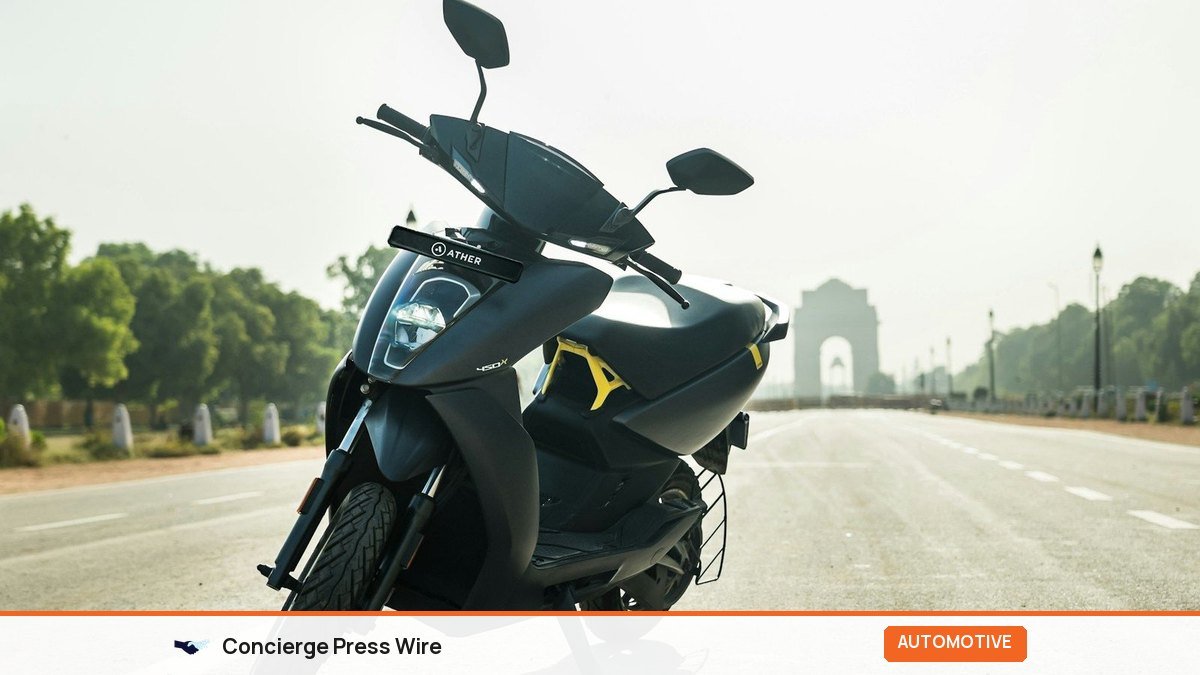
If you are buying an electric scooter in India in 2026, the four things that decide whether you will be happy with it are real-world range, battery size and chemistry, charging convenience and after-sales service. This guide explains each one in plain terms, shows how to compare running costs with a petrol scooter, and sets out exactly where the PM E-DRIVE subsidy stands now: it has been extended to 31 March 2028, at Rs 2,500 per kWh and up to Rs 5,000 per vehicle.
Key Takeaways
- PM E-DRIVE support for electric two-wheelers now runs until 31 March 2028: Rs 2,500 per kWh of battery, capped at Rs 5,000, only on models with an ex-factory price up to Rs 1.5 lakh. It is fund-limited and can close early.
- The claimed (certified) range is measured in test conditions. Expect noticeably less in daily riding, especially with a pillion, in Sport mode or on hilly roads.
- Choose battery size from your daily kilometres: add a comfortable margin so you are not charging to 100% and draining to 0% every day.
- Check battery warranty in both years and kilometres, whether a home charger is included, and how close the nearest service centre is.
- Low-speed scooters (up to 25 km/h and 250 W) need no registration or licence, but they are not a substitute for a regular scooter on city roads.
PM E-DRIVE Subsidy in 2026: Where It Stands
The subsidy has had a confusing year, so here is the current position.
PM E-DRIVE (PM Electric Drive Revolution in Innovative Vehicle Enhancement) replaced the earlier FAME-II scheme in October 2024. The two-wheeler demand incentive was originally set to end on 31 March 2026, was extended to 31 July 2026, and in August 2026 the Ministry of Heavy Industries extended it again to 31 March 2028, adding Rs 1,000 crore to the two-wheeler allocation, as reported by Autocar India.
| Subsidy detail | Current rule |
|---|---|
| Incentive rate | Rs 2,500 per kWh of battery capacity |
| Maximum per vehicle | Rs 5,000 (or 15% of ex-factory price, whichever is lower) |
| Eligible price | Ex-factory price up to Rs 1.5 lakh |
| Registration window | 1 April 2025 to 31 March 2028 |
| Two-wheeler allocation | Rs 2,767 crore; overall scheme outlay Rs 11,900 crore |
| How you get it | Upfront price reduction at the dealer through an Aadhaar-authenticated e-voucher |
Two practical points. First, the incentive in FY 2024-25 was higher (Rs 5,000 per kWh, capped at Rs 10,000), so older articles and dealer posters may still show bigger numbers. Second, the scheme is fund-limited: if the allocation runs out before March 2028, that component can close early. Scheme rules change, so check the official PIB note on PM E-DRIVE and your dealer’s latest price list before paying.
How to claim the subsidy
- Choose a model the manufacturer confirms is registered under PM E-DRIVE. Not every model or variant qualifies.
- At the dealership, the dealer completes Aadhaar e-KYC using face authentication on the PM E-DRIVE app. Carry your Aadhaar and the mobile number linked to it.
- An e-voucher is generated and a link is sent to your mobile. You sign it and hand it to the dealer.
- The subsidy is deducted from the on-road price upfront. Check that the invoice shows the incentive clearly.
Some states also offer their own benefits, such as road tax or registration fee waivers, under their EV policies. These vary by state and change often, so ask your RTO or check your state transport department’s website.
Range: Claimed vs Real-World
Every brochure shows a “certified range” or “IDC range”, measured under a standard test cycle at moderate speed with a light rider. Your daily range will be lower. How much lower depends on:
- Riding mode. Eco mode can stretch range considerably compared with Sport mode.
- Load. A pillion, shopping bags and a heavier rider all cut range.
- Terrain and traffic. Flyovers, hilly areas like Pune’s ghats or Bengaluru’s slopes, and constant stop-go traffic use more energy.
- Temperature. Lithium batteries give less range in the cold and degrade faster if regularly left in strong heat.
- Tyre pressure. Under-inflated tyres quietly eat range.
The most reliable guide is owner feedback. Ask two or three existing owners in your city, or read long-term owner reviews, for their “true range” in normal mode. Treat the brochure number as the ceiling.
How much range do you need?
Work out your longest regular day, not your average day. If your office round trip plus a grocery run is 40 km, a scooter with 80 to 100 km of real-world range lets you charge every second night and keeps the battery out of the extremes. As a rule of thumb, buy real-world range of at least one and a half to two times your daily need.
Battery: Size, Chemistry and Warranty
The battery is the most expensive part of an electric scooter. Get this decision right and most other things follow.
Battery size (kWh)
Capacity is measured in kilowatt-hours. More kWh means more range, more weight and a higher price. Many brands sell the same scooter in two or three battery sizes. Under PM E-DRIVE, the incentive is calculated on kWh but capped at Rs 5,000, so above 2 kWh the subsidy does not grow.
Battery chemistry
Most scooters use lithium-ion cells, typically either NMC (nickel manganese cobalt) or LFP (lithium iron phosphate). Broadly:
- NMC packs more energy into less weight, which helps range and performance.
- LFP is generally considered more thermally stable and tends to last more charge cycles, though it is heavier for the same capacity.
Both are fine when the pack is well engineered. What matters more is the battery management system, cooling, and the brand’s track record.
Safety standards
After a series of scooter fires in 2022, the government tightened battery safety rules under AIS-156, with amendments rolled out in two phases from December 2022 and March 2023. These added requirements such as cell-level testing, better battery management, thermal propagation tests and warning alerts. Any scooter sold as a registered vehicle today should comply. Ask the dealer to confirm it.
Battery warranty
Read the warranty in years and kilometres, and check what it actually covers. Questions to ask:
- How many years and kilometres, whichever comes first?
- Does it cover capacity loss, or only outright failure? At what percentage of original capacity is a replacement triggered?
- Is an extended battery warranty available, and what does it cost?
- What is the current price of a replacement pack out of warranty?
Charging at Home and Outside
For most buyers, charging will happen at home overnight. Before you book:
- Check where you will park. In apartments, you need a safe, covered spot with a dedicated socket. Talk to your society committee early; many now have EV charging rules.
- Use a properly earthed socket of the rating the manufacturer specifies, ideally on its own circuit. Avoid extension boards and multi-plugs.
- Know if the charger is included. Some brands price the portable charger separately. Add it to your comparison.
- Charge in a ventilated place, not inside a closed room or near the main exit of your home.
- Removable batteries let you carry the pack upstairs to charge in your flat, which helps if there is no socket in the parking area.
Public fast chargers are growing but are uneven between cities and brands, and many networks only work with their own scooters. Do not buy expecting to depend on them.
Running Cost: Electric vs Petrol
This is where electric scooters shine. An illustrative comparison (your numbers will differ):
| Item | Electric scooter | Petrol scooter |
|---|---|---|
| Energy use | About 3.3 units (kWh) from the wall for a 3 kWh battery, allowing for charging losses | 1 litre of petrol |
| Distance | Say 90 km real-world on a full charge | Say 45 km per litre |
| Energy price | Rs 8 per unit (varies by state and slab) | About Rs 100 per litre (varies by city) |
| Cost per km | Roughly Rs 0.30 | Roughly Rs 2.20 |
| At 1,000 km a month | About Rs 300 | About Rs 2,200 |
Maintenance is also usually lower: no engine oil, spark plug or clutch. You will still pay for tyres, brakes and periodic service. The big future cost is battery replacement, which is why the warranty matters so much.
Other Things to Check Before You Buy
- Service network. The nearest authorised service centre should be close to home. Ask local owners how long repairs take and whether spares are in stock.
- Software and connected features. Navigation, ride stats and remote locking are nice, but check whether any features need a paid subscription after the first year.
- Boot space and floorboard. Can a helmet fit under the seat? Is the floorboard flat for carrying a gas cylinder or grocery bags?
- Ground clearance and tyre size. Important on potholed or flooded roads. Ask about the water-wading rating of the motor and battery.
- Weight and seat height. Test ride with the person who will use the scooter most, including parking and turning in tight spaces.
- Insurance. Third-party insurance is mandatory for registered electric scooters, as for petrol ones. Compare comprehensive quotes; some insurers offer battery-specific add-ons.
- Resale value. The second-hand EV market is still developing. Buyers care about battery health, so keep service records.
Low-Speed Electric Scooters: Know the Rules
Scooters with a top speed of up to 25 km/h and a motor rated at 250 W or less are treated as low-speed vehicles under the Central Motor Vehicles Rules. They do not need registration, a number plate or a driving licence, which makes them popular with students and for short errands.
The catch: they are slow for mixed city traffic, and the government has warned about sellers passing off modified, faster scooters under the low-speed exemption. If a “no licence needed” scooter can clearly do 40 km/h or more, it is not legal as a low-speed vehicle, and your insurance and liability position may be at risk in an accident. They also do not get the PM E-DRIVE incentive, which covers registered models only.
Buying Checklist
- Calculate your longest regular daily distance and choose a battery with 1.5 to 2 times that in real-world range.
- Shortlist models under the Rs 1.5 lakh ex-factory limit if you want the PM E-DRIVE incentive, and confirm eligibility with the dealer.
- Take a test ride with a pillion, in Eco and Normal modes, including a flyover.
- Compare on-road price including charger, insurance, registration and accessories.
- Read the battery warranty terms and ask for the out-of-warranty replacement cost.
- Confirm your home or society charging setup before delivery.
- Check the invoice for the subsidy deduction and keep all documents.
Frequently Asked Questions
Is the PM E-DRIVE subsidy still available in 2026?
Yes. In August 2026 the government extended the electric two-wheeler incentive to 31 March 2028, at Rs 2,500 per kWh with a maximum of Rs 5,000 per vehicle, for models with an ex-factory price up to Rs 1.5 lakh. The scheme is fund-limited and can close early if the allocation runs out.
How is the electric scooter subsidy paid?
It is deducted upfront from the price at the dealership. The dealer completes Aadhaar face authentication on the PM E-DRIVE app, an e-voucher is generated and sent to your mobile, and you sign it to claim the incentive.
How much real-world range do electric scooters give?
Less than the certified figure on the brochure, which is measured in test conditions. The gap depends on riding mode, load, terrain and temperature. Ask local owners of the same model for their normal-mode range before buying.
Do I need a driving licence for an electric scooter?
Yes, for any registered electric scooter. Only low-speed models with a top speed up to 25 km/h and a motor of 250 W or less are exempt from registration and licence under the Central Motor Vehicles Rules.
Which battery is better, LFP or NMC?
Both work well in a properly engineered pack. NMC is lighter for the same energy, while LFP is generally more thermally stable and tends to last more cycles. The battery management system, cooling and warranty matter more than chemistry alone.
Is an electric scooter cheaper to run than a petrol scooter?
Usually, yes. Home charging often works out to well under Rs 1 per km, compared with around Rs 2 per km or more for a petrol scooter, and routine maintenance is simpler. Factor in the eventual cost of battery replacement when you compare.
Buy for Your Daily Ride, Not the Brochure
A good electric scooter purchase starts with your own numbers: daily distance, parking and charging setup, and budget. Pick a battery size with a comfortable margin, favour brands with a strong service network in your city, read the battery warranty line by line, and use the PM E-DRIVE incentive while it lasts. Subsidy amounts and eligibility can change, so confirm the latest rules with the Ministry of Heavy Industries and your dealer before you pay.