What Is Dropshipping and How to Start in India in 2026 Beginner Guide
New to dropshipping? This complete beginner guide explains what dropshipping is and how to launch a profitable store in India in 2026.
Understanding the Dropshipping Model
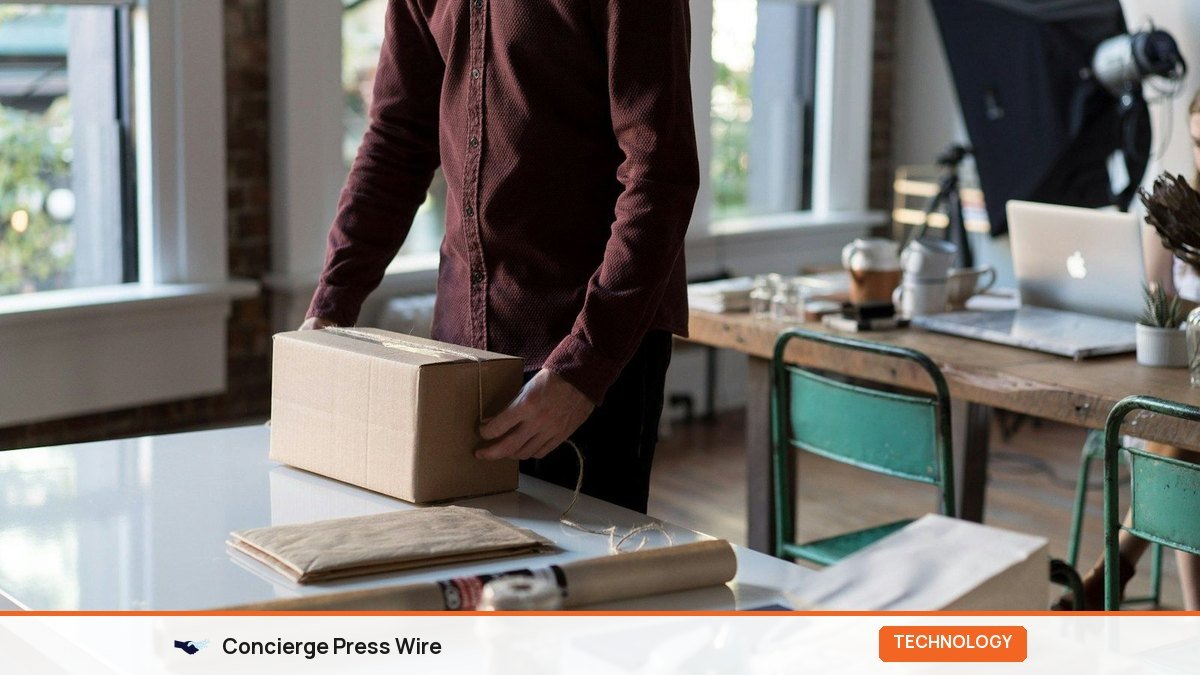
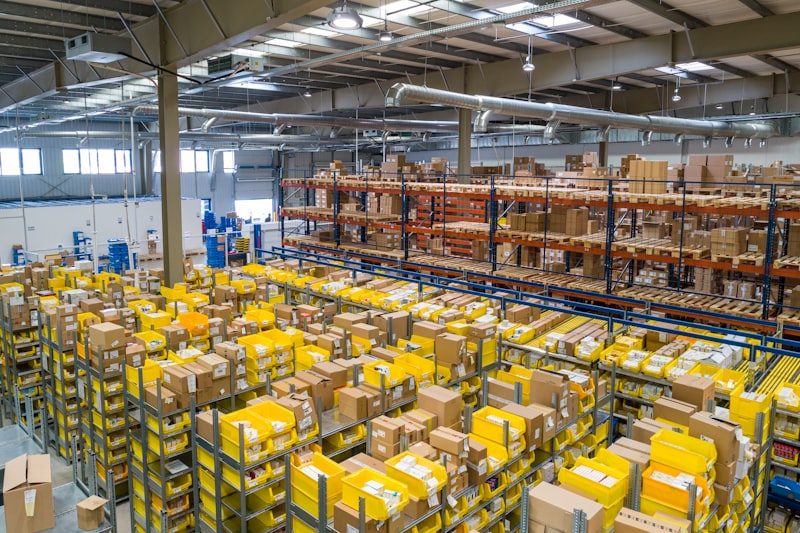
E-commerce is booming, but not everyone has the capital to stock up on inventory. That is where dropshipping comes in. If you are wondering how to start dropshipping India 2026, you are in the right place. Dropshipping is a retail fulfillment method where a store doesn’t keep the products it sells in stock. Instead, when a store sells a product, it purchases the item from a third party and has it shipped directly to the customer.
In India, the ecosystem for dropshipping has matured significantly. Better logistics, easier payment gateways, and reliable local suppliers have made it a viable business model. Let’s break down the step-by-step process of starting your dropshipping journey this year.
1. Market Research and Niche Selection
Don’t try to sell everything. Pick a specific niche like fitness gear, pet accessories, or smart home gadgets. A focused niche allows you to target your marketing effectively and build a loyal customer base in India.
2. Finding Reliable Suppliers in India
While AliExpress was the go-to in the past, finding local Indian suppliers is now better for faster shipping times. Platforms like IndiaMART, Udaan, and specialized dropshipping apps like Roposo Clout or GlowRoad connect you with local manufacturers.
3. Setting up Your Storefront (Shopify/WooCommerce)
Shopify is the easiest platform for beginners, offering drag-and-drop website builders. If you want more control and lower monthly fees, WooCommerce (on WordPress) is an excellent alternative. Ensure your site is mobile-friendly, as most Indians shop on their phones.
4. Legal Requirements and GST Registration
To operate smoothly and use Indian payment gateways like Razorpay or PayU, you will need to register for GST (Goods and Services Tax) in India. Also, consider registering as a Sole Proprietorship or an LLC.
5. Integrating Payment Gateways
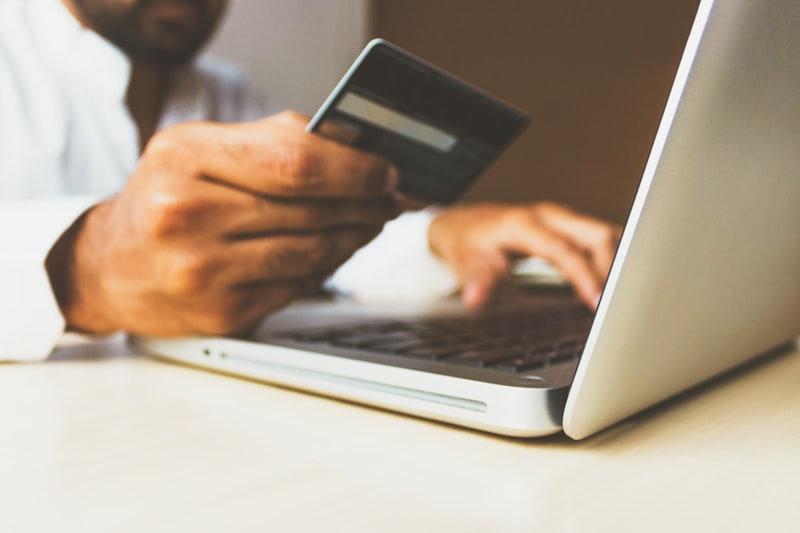
Trust is crucial in India. Offer multiple payment options, including UPI, Net Banking, and Credit/Debit cards. Cash on Delivery (COD) is highly preferred in India, so finding a courier partner that handles COD remits is vital.
6. Marketing and Customer Acquisition
Your store needs traffic. Use Facebook and Instagram Ads to target specific demographics in India. Influencer marketing and creating organic viral content on Instagram Reels can also drastically lower your customer acquisition costs.
7. Managing Customer Service
Since you don’t control shipping, delays can happen. Excellent customer service sets you apart. Be transparent about shipping times, handle refunds professionally, and use WhatsApp Business for quick customer support.
8. Optimizing for Conversions
Use high-quality product images, write compelling product descriptions, and display customer reviews. Features like countdown timers and scarcity alerts can help boost conversion rates.
9. Handling Returns and Refunds (RTOs)
Return to Origin (RTO) is a major challenge in Indian dropshipping, especially with COD orders. Implement strict order verification (like an automated WhatsApp confirmation message) before shipping to reduce RTOs.
10. Scaling the Business
Once you find a “winning product” that brings consistent profit, scale your ad budget. Eventually, you can transition from dropshipping to bulk-buying inventory and building your own D2C (Direct to Consumer) brand.
Conclusion
Dropshipping in India in 2026 is highly profitable if done with the right strategy. By focusing on local suppliers, optimizing for mobile users, and offering stellar customer support, you can build a sustainable e-commerce business with minimal upfront investment.
References
- GST portal — registration thresholds and returns.
- DGFT — rules for shipping outside India.
Frequently Asked Questions (FAQ)
1. Is dropshipping legal in India?
Yes, dropshipping is a completely legal business model in India. You simply act as a middleman between the supplier and the customer.
2. How much money do I need to start?
You can start with around Rs 10,000 to Rs 15,000, which covers Shopify subscription, a domain name, and initial ad spend.
3. Should I offer Cash on Delivery (COD)?
Yes, COD accounts for over 60% of e-commerce orders in India. Not offering it will severely limit your sales.
4. Can I dropship internationally from India?
Yes, you can target the US or UK markets while sitting in India, though you will need international payment gateways like PayPal or Stripe.
5. What happens if the supplier ships a defective product?
You are responsible for the customer’s experience. You must refund the customer or arrange a replacement, and then take up the issue with your supplier.