How to Start a Small Business in India With Low Investment
A practical 12-step plan to start a small business in India on a low budget, with registrations, a sample budget, a 90-day timeline and first-customer tactics.
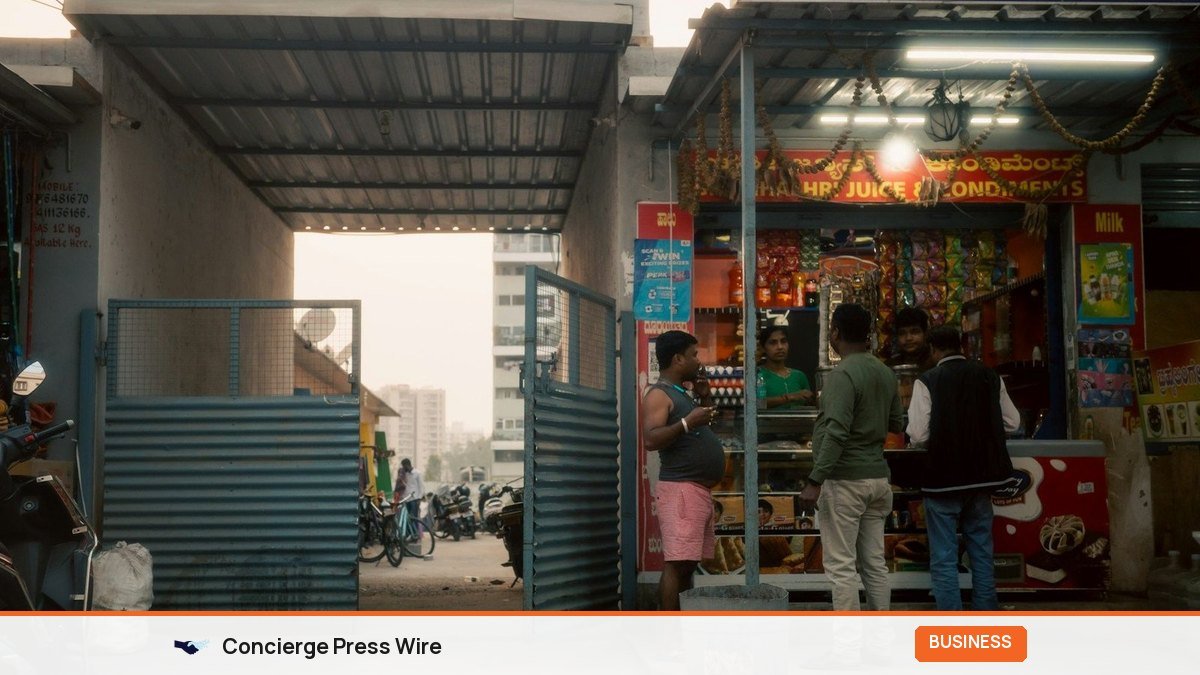
You can start a small business in India with low investment, often between Rs 20,000 and Rs 2 lakh, if you validate demand before you spend, begin from home or a shared space, register only what the law requires at your stage, and focus on getting your first 10 paying customers quickly. This guide gives you a 12-step plan with the key registrations, a sample startup budget, a 90-day timeline and practical ways to find your first customers.
Key Takeaways
- Test demand with pre-orders, a WhatsApp catalogue or a weekend stall before buying stock or equipment.
- Udyam registration is free and Aadhaar-based; food businesses with turnover up to Rs 12 lakh need FSSAI basic registration at Rs 100 a year.
- GST registration is generally mandatory above Rs 40 lakh turnover for goods and Rs 20 lakh for services in most states, with lower limits in some states and special cases such as online sales.
- Keep at least three to six months of running costs aside; most small businesses fail from cash shortage, not bad ideas.
- Your first customers usually come from people you already know, local WhatsApp groups and Google Business Profile.
What “Low Investment” Really Means
Low investment does not mean zero investment. It means spending as little as possible before you have proof that people will pay. For most Indian small businesses, the money goes into four buckets: registrations and basic compliance, initial stock or equipment, marketing, and a cash buffer to survive the first few months.
Businesses that fit a low-investment start usually share some traits:
- They can be run from home or a small shared space at first.
- They sell a skill or service, or products made in small batches.
- They do not need expensive machinery or large inventory.
- They can be sold locally or online without a big marketing budget.
Examples include home baking and tiffin services, tuition and coaching, tailoring and alterations, digital services such as social media management or bookkeeping, handmade products, reselling through WhatsApp or Instagram, and repair and maintenance services.
How to Compare Low-Investment Ideas
Before you pick, compare ideas on the same few points. The table below is a rough guide based on what each type of business typically needs; your actual costs will depend on your city, scale and quality level.
| Business type | Main upfront need | Key registration to check | How fast it can earn |
|---|---|---|---|
| Home bakery or tiffin service | Kitchen equipment, packaging, ingredients | FSSAI | Fast, if you have a local network |
| Tuition or skill coaching | Space, study material, a whiteboard | Local rules if running a centre | Fast, seasonal around exams |
| Tailoring and alterations | Sewing machine, supplies | Shop registration if you open a shop | Fast, steady demand |
| Digital services (social media, bookkeeping, design) | Laptop, software, internet | GST once above threshold or for certain clients | Medium; depends on first clients |
| Handmade products sold online | Materials, photography, packaging | GST rules for e-commerce sales | Medium; needs marketing |
| Repair and maintenance services | Tools, a two-wheeler for visits | Local trade licence if applicable | Fast, driven by word of mouth |
The 12-Step Plan to Start Your Small Business
Step 1: Pick a business that matches your skills and local demand
Start with what you already know. A person who has worked in a pharmacy has an edge in a medical supplies business; someone who cooks well for family functions has an edge in catering. Then look at demand around you. Which services do people in your area complain about? Which shops always have a queue? Write down three ideas and score each from 1 to 5 on your skill, local demand, investment needed and how quickly it can earn.
Step 2: Validate before you spend
This is the step most people skip, and it is the one that saves the most money. Before you buy equipment or stock:
- Talk to at least 20 potential customers. Ask what they buy now, from whom, and at what price.
- Take pre-orders. For example, a home baker in Lucknow could share a Diwali hamper menu in her society WhatsApp group and only buy ingredients once orders are in.
- Run a small test: a weekend stall, a trial batch, or three free sessions for a new service.
If you cannot get even five people to pay in a test, change the idea or the offer before investing more.
Step 3: Write a one-page business plan
You do not need a 40-page report. Answer these on one page: what you sell, who buys it, why they will buy from you, your price, your monthly costs, how many sales you need to break even, and how you will find customers. Keep it on your phone and update it every month.
Step 4: Choose a business structure
Most small businesses in India start as a sole proprietorship because it is simple and cheap. As you grow or add partners, you can move to a partnership, LLP or private limited company.
| Structure | Best for | Pros | Cons |
|---|---|---|---|
| Sole proprietorship | Single owner, small scale | Easiest to start, minimal compliance | Owner is personally liable for debts |
| Partnership firm | Two or more partners | Simple deed, shared capital | Partners share unlimited liability |
| LLP | Partners wanting limited liability | Limited liability, flexible | More filings and cost than a partnership |
| Private limited company | Businesses planning to raise investment | Limited liability, easier to raise funds | Highest compliance and cost |
Speak to a chartered accountant before choosing, especially if you expect to raise investment or have partners.
Step 5: Complete the registrations you actually need
Register only what applies to your business and stage, but do not skip what the law requires.
| Registration | Who needs it | Cost and notes |
|---|---|---|
| Udyam registration (MSME) | Any micro, small or medium enterprise that wants MSME benefits | Free, online, Aadhaar-based |
| Current bank account | Almost every business | Keeps business money separate; helps with loans later |
| GST registration | Businesses above the turnover threshold, and some others regardless of turnover | Generally above Rs 40 lakh for goods and Rs 20 lakh for services in most states; lower in some states |
| FSSAI registration or licence | Anyone making, selling or storing food | Basic registration for turnover up to Rs 12 lakh: Rs 100 a year |
| Shop and establishment registration | Shops and offices, as per state law | Rules and fees vary by state and municipality |
| Trade licence | Certain trades in many cities | Issued by the local municipal body |
| Professional tax | Applicable in some states | State-specific |
The official Udyam registration portal states that registration is free, paperless and needs only an Aadhaar number, and it warns that no one needs to be paid for it. Under the current criteria shown on the portal, a micro enterprise has investment up to Rs 2.5 crore and turnover up to Rs 10 crore. For food businesses, the FSSAI’s eligibility and fee chart on FoSCoS lists basic registration at Rs 100 a year for petty food businesses with annual turnover up to Rs 12 lakh.
GST deserves a special note. Some businesses must register regardless of turnover, for example those making certain inter-state supplies or selling through e-commerce operators in many cases. If you plan to sell on marketplaces, check with a CA before you list. Rules change, so confirm the current thresholds on the official GST portal or with a professional.
Step 6: Build a startup budget
Write every expected expense, even small ones. Here is an illustrative budget for a home-based tiffin service:
| Item | Estimated cost |
|---|---|
| FSSAI basic registration (one year) | Rs 100 |
| Additional utensils, burner, storage containers | Rs 15,000 |
| Packaging for the first month (containers, bags) | Rs 6,000 |
| Ingredients for the first two weeks | Rs 10,000 |
| Printing (menu cards, stickers) | Rs 2,000 |
| Small online ads and promotions | Rs 3,000 |
| Cash buffer for three months of fixed costs | Rs 30,000 |
| Total | about Rs 66,000 |
Prices vary by city, so replace these with your own quotes. The cash buffer is not optional. Most small businesses close because they run out of cash during slow months, not because the idea was bad.
Step 7: Set your price properly
Many first-time owners price too low because they fear losing customers. Work it out: add up direct costs per unit (materials, packaging, delivery), add a share of monthly fixed costs, then add your profit margin. Check competitors, but do not simply copy their prices. If you offer better quality, reliability or convenience, charge for it.
Break-even units per month = monthly fixed costs ÷ (price per unit − variable cost per unit)
For example, if your fixed costs are Rs 12,000 a month, you sell a tiffin at Rs 100 and each tiffin costs Rs 60 to make and deliver, you need 300 tiffins a month (about 10 a day) just to break even.
Step 8: Fund it smartly
Start with your own savings where possible, and keep borrowing modest. If you need a loan, a Mudra loan under PMMY offers collateral-free loans for micro enterprises through banks, NBFCs and MFIs, starting with the Shishu category for loans up to Rs 50,000. Avoid high-interest personal loans and informal moneylenders for business expenses.
Step 9: Set up simple systems
- Accounts: Use a simple bookkeeping app or a spreadsheet from day one. Record every sale and expense.
- Payments: Accept UPI through a business QR code linked to your current account.
- Orders: A WhatsApp Business account with a catalogue and quick replies is enough at the start.
- Invoices: Issue proper bills, especially for business customers.
Step 10: Get your first 10 customers
Your first customers rarely come from ads. They come from people and places you can reach directly:
- Your own network: Tell friends, family, former colleagues and neighbours what you now offer, with a clear price.
- Local WhatsApp and society groups: Share a short, useful post, not spam. Offer a launch price for the first week.
- Google Business Profile: Set it up free so people nearby can find you on Google Maps, and ask happy customers for reviews.
- Partnerships: A tiffin service can partner with PG hostels or coaching centres; a tailor with a nearby saree shop.
- Samples and referrals: Give free samples to people who talk to many others, and offer a small reward for referrals.
Step 11: Deliver well and collect feedback
Early customers decide your reputation. Deliver on time, keep quality consistent, and ask every customer one simple question after the first order: “What should we improve?” Fix problems quickly and thank customers publicly when they help.
Step 12: Review monthly and grow step by step
Once a month, check sales, costs, profit and cash in hand. Ask which products sell best, which customers come back, and where money is leaking. Grow only when the numbers support it: add a second product, hire a helper, or move to a small shop after you have steady demand.
A 90-Day Launch Timeline
| Period | Focus | Goal |
|---|---|---|
| Days 1 to 15 | Idea selection, customer conversations, one-page plan | Clear idea and price |
| Days 16 to 30 | Test sales, pre-orders, registrations, bank account | First 5 paying customers |
| Days 31 to 60 | Launch, WhatsApp catalogue, Google Business Profile, referrals | First 25 customers, first reviews |
| Days 61 to 90 | Improve product, track numbers, repeat customers | Break-even or clear path to it |
Common Mistakes to Avoid
- Spending on a fancy shop or website before testing demand. Start small, then upgrade.
- Mixing personal and business money. It makes profit hard to see and loans harder to get.
- Ignoring compliance. Operating a food business without FSSAI registration, for example, can lead to penalties.
- Underpricing. Low prices attract price-sensitive customers who leave for the next cheaper option.
- No cash buffer. One slow month should not force you to shut down.
- Trying to sell to everyone. A clear customer group makes marketing cheaper and easier.
Frequently Asked Questions
How much money do I need to start a small business in India?
Many home-based or service businesses can start with Rs 20,000 to Rs 2 lakh, depending on equipment, stock and city. Always keep a cash buffer of at least three months of fixed costs in addition to setup costs.
Is Udyam registration mandatory for a small business?
It is not required to run every business, but it is free and helps you access MSME benefits such as certain government schemes and priority lending. The official portal says it needs only an Aadhaar number and no fees.
When do I need GST registration?
In most states, when your turnover crosses Rs 40 lakh for goods or Rs 20 lakh for services, with lower thresholds in some states. Some businesses, such as those making certain inter-state or e-commerce sales, may need it earlier. Check with a CA.
Do home bakers and tiffin services need FSSAI registration?
Yes. Anyone making or selling food needs FSSAI registration or a licence. Small food businesses with annual turnover up to Rs 12 lakh can take basic registration for Rs 100 a year through the FoSCoS portal.
Can I get a loan to start a small business?
Yes. Mudra loans offer collateral-free credit to micro enterprises through banks, NBFCs and MFIs, starting with loans up to Rs 50,000 under Shishu. Borrow only what your business can repay.
How do I find my first customers with no marketing budget?
Start with your personal network, local WhatsApp and society groups, a free Google Business Profile, partnerships with nearby businesses, and referrals from happy customers.
Your First Move This Week
Pick one idea, talk to 20 potential customers, and try to get five paying orders before you buy anything big. Once people are paying, complete your registrations, set up a separate bank account and keep simple books. Rules, fees and thresholds change, so confirm them on official portals or with a chartered accountant. Start small, learn fast, and let real customers tell you where to grow.