WhatsApp Business for Small Shops: Setup, Catalogue and Broadcast Rules
A practical setup guide to the free WhatsApp Business app for Indian shops, covering catalogue, labels, quick replies, real broadcast limits, opt-in rules and when to move to the API.
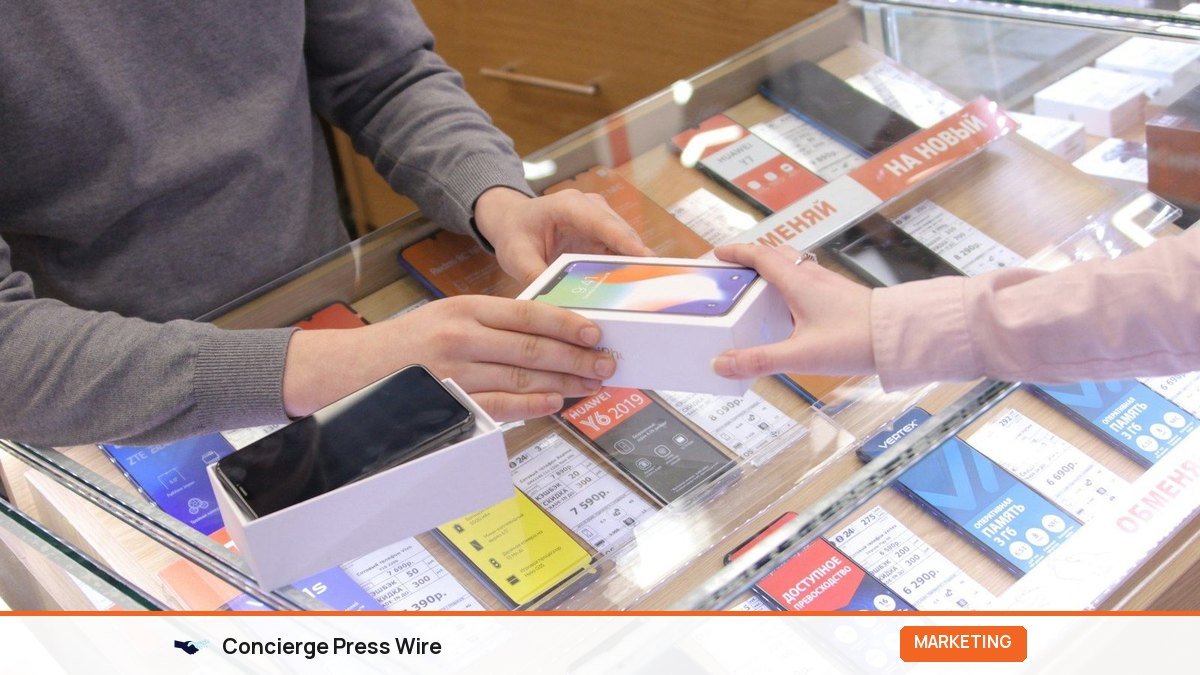
The free WhatsApp Business app lets a small shop set up a proper business profile, a product catalogue, labels, quick replies and automatic greeting messages in under an hour. This guide walks you through the setup step by step, shows how Indian shops actually use each feature, explains the real broadcast limits and anti-spam rules, and helps you decide when the paid WhatsApp Business Platform (API) is worth it. If you already sell on WhatsApp from a personal number, this is the upgrade that makes you look and work like a real business.
Key Takeaways
- The WhatsApp Business app is free and suits most shops; the WhatsApp Business Platform (API) is paid and suits businesses sending high volumes or needing automation and multiple agents.
- The app’s key limits: catalogue of up to 500 items, up to 20 labels, up to 50 quick replies, and broadcast lists of up to 256 contacts each.
- Broadcasts reach only people who have saved your number. WhatsApp has also been testing caps on broadcasts and a paid option for marketing messages, so check what your app currently allows.
- WhatsApp’s Business Messaging Policy requires opt-in before you message people, and you must honour opt-out requests. Too many blocks and reports can get your account limited.
- Since 1 July 2025, the API charges per delivered template message; replies inside the 24-hour customer service window are free.
WhatsApp Business app vs API: which one you need
Start by picking the right product. Most small shops never need the API.
| Point | WhatsApp Business app | WhatsApp Business Platform (API) |
|---|---|---|
| Cost | Free to download and use | Per-message charges for template messages, plus any fees from your provider |
| Setup | Install on a phone in minutes | Through Meta directly or a Business Solution Provider; needs a Meta Business account |
| Who replies | You and a few linked devices | Many agents through a shared inbox or software |
| Bulk messaging | Broadcast lists of up to 256 contacts, only to people who saved your number | Approved templates to opted-in customers at scale |
| Automation | Greeting, away messages, quick replies | Chatbots, CRM integration, order updates, payment reminders |
| Best for | Kirana, boutiques, salons, bakeries, repair shops, home businesses | D2C brands, clinics chains, coaching institutes, businesses with thousands of customers |
A simple rule: if one or two people can handle all your chats and you rarely need to message more than a few hundred customers at once, stay on the app.
Step-by-step: setting up the WhatsApp Business app
Step 1: Choose the right number
Use a number dedicated to the shop, ideally one printed on your board and bills. A number can be active on only one WhatsApp account at a time. If you move your existing personal WhatsApp number to the Business app, your chat history can be transferred, but you will then need a different number for personal WhatsApp. Many owners buy a separate SIM for the shop to keep family chats and customer chats apart.
Step 2: Install and verify
Download “WhatsApp Business” from the Play Store or App Store, verify the number with the SMS code, and enter your business name. Use the name customers know you by, such as “Sharma Sweets, Sector 14”, not a keyword-stuffed name.
Step 3: Complete the business profile
Go to Settings, then Business tools, then Business profile, and fill every field:
- Category (for example Grocery Store, Bakery, Clothing Store)
- Address with a map pin, so customers can tap to navigate
- Business hours, including weekly off day
- A one-line description: what you sell, your area, delivery details
- Email and website or Instagram link
- A clear profile photo: your logo or a clean photo of the shop front
Step 4: Set greeting and away messages
A greeting message goes automatically to a new customer or someone who has not messaged you in a while. An away message goes out when you are closed. Keep both short and useful:
Greeting: Namaste! Thanks for messaging Sharma Sweets. Type your order or see our catalogue here. Home delivery within 3 km, 10 AM to 8 PM.
Away: We are closed right now (open 9 AM to 9 PM, Monday off). We will reply first thing in the morning.
Step 5: Share your link and QR code
The app gives you a short link (wa.me followed by your number) and a QR code. Print the QR code at the counter, on your visiting card and on delivery bags, and add the link to your Google Business Profile and Instagram bio.
Building a catalogue that actually sells
The catalogue lets customers browse products inside WhatsApp and lets you send any item in two taps. The app supports up to 500 items. You do not need 500; you need your 20-50 best sellers presented well.
- One clear photo per item on a plain background in daylight. Add two or three angles for clothing and jewellery.
- Name, price and a short description with size, weight or quantity. “Kaju katli, 500 g, Rs 520” beats “Special sweet”.
- A product code in the description, so customers can order by code.
- Collections to group items: “Diwali hampers”, “Under Rs 499”, “New arrivals”.
- Update prices and hide sold-out items weekly. A wrong price in the catalogue creates arguments at the counter.
Catalogue items must follow WhatsApp’s commerce policy. Certain categories, such as medicines, alcohol, tobacco and weapons, are restricted, so read the policy if you sell anything regulated.
Labels and quick replies: the time savers
Labels
Labels colour-code chats so you can find people later. The app allows up to 20. A system that works for most shops:
| Label | Use it for |
|---|---|
| New order | Orders received but not confirmed |
| Pending payment | Confirmed orders waiting for UPI payment |
| Paid / to deliver | Orders to pack and dispatch |
| Delivered | Completed orders (clear weekly) |
| Regular customer | People who buy every month |
| Wholesale / bulk | Business buyers and bulk orders |
| Opted in for offers | Customers who agreed to receive promotions |
That last label matters. It is your clean list for broadcasts, and it keeps you on the right side of WhatsApp’s rules.
Quick replies
Quick replies are saved messages you insert by typing “/” and a shortcut. You can save up to 50. Create them for questions you answer ten times a day:
- /upi – your UPI ID and a line asking for a payment screenshot
- /delivery – delivery areas, charges and timings
- /address – address with Google Maps link
- /return – your exchange and return policy
- /thanks – thank-you message with a request for a Google review
Broadcast limits and anti-spam rules you must know
This is where many shops get into trouble. The rules are simple, but they are enforced.
How broadcast lists work
A broadcast list sends the same message to many contacts, and each person receives it as a normal one-to-one chat. Each list can include up to 256 contacts. Crucially, the message reaches only people who have saved your number in their phone. If a customer never saved your number, your broadcast silently never arrives.
That is why your first job is to get customers to save your number. Put “Save our number for offers and order updates” on your bills and counter card.
New limits and paid marketing messages
WhatsApp has been changing how bulk messages work. In June 2024 it announced an optional paid feature in the Business app for sending personalised marketing messages with buttons and scheduling to a larger audience. In March 2025, TechCrunch reported that WhatsApp would test monthly limits on broadcast messages for users and businesses, with businesses in the pilot getting a number of customised messages free before paying for more. These features roll out gradually, so what you see in your app may differ from another shop’s. Check the app’s broadcast screen and WhatsApp’s help centre for your current allowance.
The opt-in and opt-out rules
WhatsApp’s Business Messaging Policy is clear on three points:
- You may contact people only if they gave you their number and opted in to receive messages from you.
- You must respect every request to stop messaging, whether it comes on WhatsApp or elsewhere.
- You must not spam, mislead or surprise people with your messages.
WhatsApp can limit or remove accounts based on user reports and blocks. In practice, the quickest way to lose your shop’s number is to add hundreds of strangers from a purchased database and blast offers daily. Do not buy contact lists, do not add customers to groups without asking, and always tell people how to stop receiving offers.
A healthy broadcast routine
- Send promotions only to your “Opted in for offers” label.
- Keep it to one or two promotional messages a week at most; for many shops one a fortnight is plenty.
- Make every message useful: new stock, a real offer with dates, or a festival timing change.
- End with “Reply STOP to stop offers”, and remove anyone who replies STOP immediately.
When to move to the WhatsApp Business API
Consider the API when you hit one of these walls: several staff need to answer from the same number, you send order and delivery updates automatically from a website or billing software, or your opted-in list runs into thousands.
According to Meta’s pricing documentation, the platform moved to per-message pricing on 1 July 2025. Messages fall into marketing, utility, authentication and service categories:
- Marketing template messages are charged whenever they are delivered.
- Utility and authentication templates are charged outside the customer service window, and utility templates are free inside it.
- When a customer messages you, a 24-hour customer service window opens, and your non-template replies in that window are free.
Meta also notes that India moved to local-currency billing from 1 January 2026, and eligible Indian accounts must migrate to INR billing by 31 December 2026. Rates vary by category and change from time to time, so check the current rate card and your provider’s fees before you commit.
A worked example: one week at a small boutique
Here is an illustrative example of how a two-person boutique in Ahmedabad might use the app:
- Monday: photograph 12 new kurtis and add them to a “New arrivals” collection in the catalogue.
- Tuesday: send one broadcast to the “Opted in for offers” label with the collection link.
- Tuesday to Saturday: answer enquiries using quick replies for sizes, UPI and delivery; label each chat as it moves from “New order” to “Paid / to deliver”.
- Saturday: filter “Delivered”, send the /thanks quick reply asking for a Google review.
- Sunday: clear old labels and update catalogue stock.
Total extra time: about an hour a week, and every customer gets a faster, more consistent reply.
Frequently Asked Questions
Is the WhatsApp Business app free in India?
Yes, the app is free to download and use for chatting, catalogue and labels. Optional paid features, such as paid marketing messages where available, and the separate Business Platform (API) have charges.
How many people can I send a broadcast to on WhatsApp Business?
Each broadcast list can include up to 256 contacts, and messages reach only people who have saved your number. WhatsApp has been testing further monthly limits and a paid option for larger marketing messages, so check your app for current limits.
Can I use the same number on WhatsApp and WhatsApp Business?
No. A number can be registered on only one WhatsApp account at a time. You can move your number from WhatsApp to WhatsApp Business, but you will need another number for personal use.
Why are my broadcast messages not being delivered?
The most common reason is that the recipient has not saved your number. Ask customers to save it, for example with a note on your bills.
Can my WhatsApp Business account get banned?
Yes. WhatsApp can limit or remove accounts that break its Business Messaging Policy, especially after many user blocks and reports. Message only people who opted in and stop as soon as they ask.
Do I need the API to send order updates automatically?
Generally yes. Automated messages triggered by your website or billing software require the WhatsApp Business Platform through Meta or a provider. The free app is designed for manual chats.
Set it up before the festive rush
Spend one quiet afternoon on the profile, catalogue, labels and quick replies, then print your QR code for the counter. Features and limits on WhatsApp change often, so review the app’s settings and the official policy pages every few months rather than relying on old advice.