Best Winter Treks in India for Beginners 2026-27
Six beginner-friendly winter treks compared in one table, with the best months, permit basics, an 8-week fitness plan and a gear checklist for the 2026-27 season.
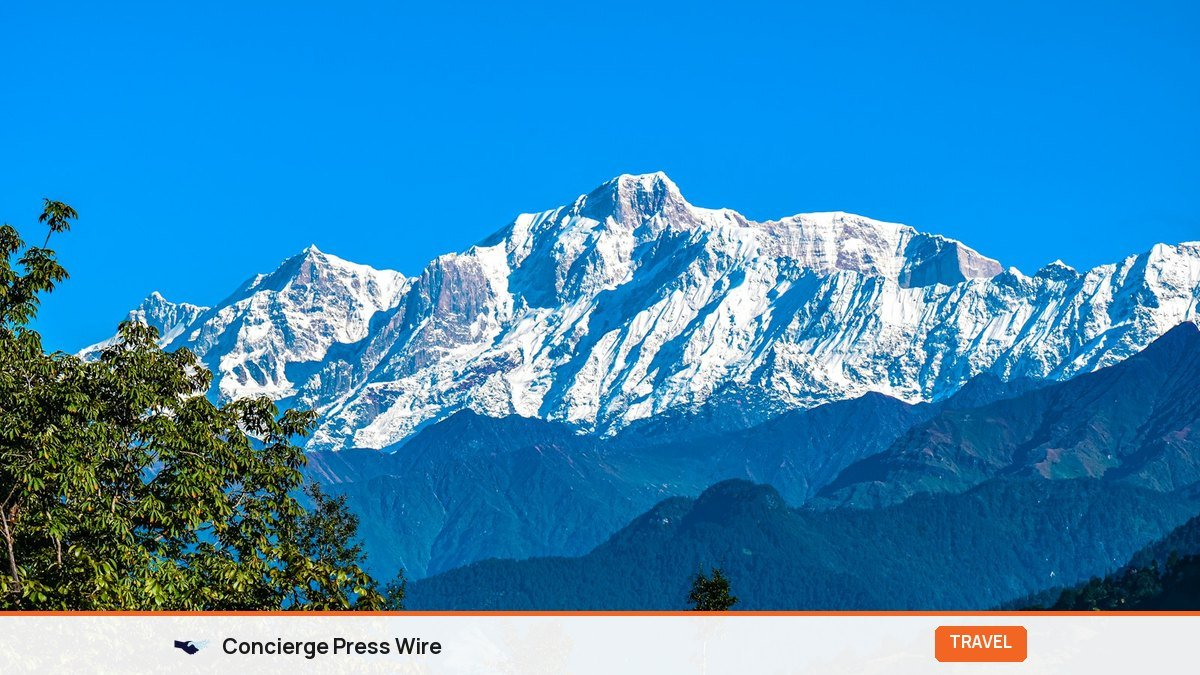
The best winter treks in India for beginners are Kedarkantha, Brahmatal, Dayara Bugyal and Nag Tibba in Uttarakhand, with Kuari Pass and Sandakphu as good second treks once you have some experience. Most run from December to March, take 2 to 6 days and top out between roughly 9,900 and 12,500 feet. This guide compares them in one table, explains which month suits whom, and covers the permits, fitness and safety basics a first-timer needs for the 2026-27 season.
Quick answer (Updated October 2026): For your first snow trek, pick Kedarkantha (classic summit, Dec to April) or Dayara Bugyal (gentlest, snow meadows). For a weekend, pick Nag Tibba. For frozen-lake views without the deepest snow, pick Brahmatal. Book with a registered operator, carry ID, and plan a buffer day for weather.
Key Takeaways
- Kedarkantha (about 12,500 ft, base Sankri) is the most popular first winter trek, with snow usually from December into April.
- Dayara Bugyal and Nag Tibba are the gentlest options; Brahmatal is longer but rewards you with frozen-lake and Himalayan-range views.
- Kuari Pass and Sandakphu suit beginners who are fit and have done one short trek before. Chadar (frozen Zanskar river) is not a beginner trek.
- Permits and forest entry fees are usually handled by your operator. Uttarakhand has draft trekking regulations in the works, so check the latest rules when you book.
- Start training 6 to 8 weeks before departure. Comfortable 5 km runs or long stair climbs with a light pack are a sensible baseline.
Beginner Winter Treks Compared
Altitudes and distances differ slightly between sources, so treat these as close approximations. Figures below draw on Outlook Traveller’s winter treks roundup and leading trek operators’ published itineraries.
| Trek | State | Max altitude (approx.) | Duration | Base | Best winter window | Difficulty |
|---|---|---|---|---|---|---|
| Kedarkantha | Uttarakhand | 12,500 ft (about 3,800 m) | 4 to 6 days, about 20 km | Sankri | December to April | Easy to moderate |
| Dayara Bugyal | Uttarakhand | About 11,800 to 12,300 ft | 3 to 5 days | Villages near Uttarkashi (about 35 km away) | December to March for snow | Easy to moderate |
| Brahmatal | Uttarakhand | About 12,100 to 12,250 ft | 5 to 6 days, 22 to 30 km | Lohajung, Chamoli | December to March | Easy to moderate |
| Nag Tibba | Uttarakhand | 9,915 ft (about 3,020 m) | 2 to 3 days, about 16 km round trip | Pantwari | Year-round; December to February for snow | Easy to moderate |
| Kuari Pass | Uttarakhand | About 12,500 ft | 5 to 6 days | Joshimath (Jyotirmath) area | December to March | Moderate |
| Sandakphu-Phalut | West Bengal | 11,930 ft at Sandakphu | About 6 trekking days | Manebhanjang or Dhotrey | October to February (also spring) | Moderate, some steep sections |
The Treks, One by One
Kedarkantha: the classic first summit
Kedarkantha starts from Sankri village in Uttarkashi district and climbs through pine and oak forest to campsites in snowy clearings, then to a summit at around 12,500 feet. Its popularity comes from the payoff: a real summit push on a trail that most reasonably fit beginners can manage. The summit day starts in the dark, usually well before sunrise, and is the hardest part of the trek.
Good for: first-timers who want a summit and proper snow. Watch out for: crowds on peak weekends around Christmas and New Year, and very cold nights at the higher camps. Early December often has thinner snow and fewer people. Snow usually deepens through late December and January.
Dayara Bugyal: the gentlest snow experience
Dayara is a vast high-altitude meadow (bugyal in Garhwali) that turns into a white plain in winter. The climb is steady rather than steep, and the views of the Garhwal peaks open up quickly. It suits families with older teenagers, people over 45 starting out, and anyone nervous about a summit day.
Note on camping: In 2018 the Uttarakhand High Court restricted overnight stays in high-altitude meadows after a public interest litigation about damage to bugyals, as Down To Earth reported. How the order applies today depends on the route and on forest department rules. Ask your operator exactly where they camp and confirm they follow current rules.
Brahmatal: frozen lake and big mountain views
Brahmatal starts from Lohajung in Chamoli district. It is longer than Kedarkantha but less crowded, and on clear days the ridge walks open up wide views of the big Garhwal peaks. The lake itself is often frozen in mid-winter. It makes a strong first or second winter trek for people who like long ridge walks more than one big summit push.
Nag Tibba: the weekend snow trek
Nag Tibba, in the lower Garhwal hills beyond Mussoorie, tops out at about 9,915 feet. Starting from Pantwari, the round trip is roughly 16 km, so it fits a long weekend from Delhi or Dehradun. Snow is less reliable than on the higher treks, but in a good winter you get a white summit and views of the higher Himalaya. It is the trek to do before committing to a 6-day expedition.
Kuari Pass: a step up
Kuari Pass, approached from the Joshimath (now officially Jyotirmath) side, is known for its wide panorama of the high Garhwal Himalaya. Expect longer days and more sustained climbing than Kedarkantha. Beginners who are genuinely fit can manage it, but it is a better second trek.
Sandakphu-Phalut: the eastern option
Sandakphu, at about 11,930 feet in West Bengal’s Darjeeling hills, is the highest point in the state and famous for the view of the Kanchenjunga massif, with Everest visible on clear days. The trail runs through Singalila National Park. Winter is cold and clear; snow is possible but not guaranteed. Some sections are steep, and there are rest-house and homestay options along the way.
Not for beginners: Chadar
The Chadar trek on the frozen Zanskar river in Ladakh usually runs in January and February. It involves about 105 km round trip in extreme cold, which is why Outlook Traveller rates it highly challenging. Do not make it your first trek.
Which Month Should You Go?
| Month | What to expect | Best picks |
|---|---|---|
| Early to mid December | Fewer crowds, clearer skies, lighter snow at first | Kedarkantha, Brahmatal, Sandakphu |
| Late December to early January | Holiday crowds, deeper snow, very cold nights | Book early for Kedarkantha; Dayara and Nag Tibba as alternatives |
| January to February | Peak snow season above about 10,000 ft; more chance of fresh snowfall and closed roads | Brahmatal, Kuari Pass, Dayara Bugyal |
| March | Days warm up, snow softens and starts to recede lower down | Kedarkantha, Dayara Bugyal |
Heavy snowfall can block the road to a base village for a day or two. Always keep one buffer day in your return plans, and do not book a non-refundable flight for the evening you finish.
Permits, Fees and the Rules You Should Know
- Forest permits and entry fees. Kedarkantha lies within the Govind wildlife protected area, and most Uttarakhand treks pass through forest land that charges entry and camping fees. Registered operators usually arrange these and include them in the package. If you trek independently, get the permit from the local forest office before you start.
- ID. Carry original government photo ID (Aadhaar, passport, voter ID or driving licence). You may need to show it at forest check posts.
- State rules in flux. In January 2026, Uttarakhand officials said draft trekking regulations had been prepared to set standards for agencies and trekkers, pending government approval. Mountaineering permissions already go through the state’s online mountaineering permission system. Ask your operator how they comply with whatever is notified when you travel.
- Pets and plastic. Protected areas typically do not permit pets, and many treks run carry-in, carry-out waste rules. Bring a small bag for your own trash.
- Insurance. Some operators require trek insurance. Even if yours does not, check whether your health policy covers adventure activities and emergency evacuation.
Fitness: An 8-Week Plan for Beginners
You do not need to be an athlete, but you do need to walk uphill for 5 to 7 hours carrying a day pack at altitude. Here is a simple build-up:
- Weeks 1 to 2: Brisk walk or easy jog 30 minutes, 5 days a week. Add 15 minutes of squats, lunges and planks on 3 days.
- Weeks 3 to 4: Build to jogging 3 to 4 km without stopping. Add stair climbing: 10 to 15 floors, twice a week.
- Weeks 5 to 6: Aim for 5 km in about 35 to 40 minutes. Do one long weekend walk of 2 to 3 hours with a 5 to 7 kg backpack.
- Weeks 7 to 8: Maintain, do not overdo it. Keep stretching and get good sleep in the final week.
If you have a heart condition, high blood pressure, asthma or any chronic illness, or if you are pregnant, consult a doctor before booking a high-altitude trek.
Gear Checklist for a Winter Trek
| Category | Must have | Tip |
|---|---|---|
| Footwear | Trekking shoes with ankle support and good grip; microspikes or gaiters if the operator does not provide them | Break shoes in for at least 2 weeks before the trek |
| Layers | 2 to 3 thermal base layers, fleece, a down or padded jacket, waterproof outer layer | Layers beat one thick jacket; avoid cotton next to skin |
| Extremities | Woollen cap, balaclava or neck gaiter, inner gloves plus waterproof outer gloves, 3 to 4 pairs of woollen socks | Keep one pair of socks only for sleeping |
| Eyes and skin | UV-protection sunglasses, sunscreen, lip balm | Snow glare causes snow blindness without proper glasses |
| Pack | 40 to 50 litre backpack with rain cover, 1 to 2 litre water bottles, headlamp | Insulate bottles so water does not freeze overnight |
| Health | Personal medicines, basic first aid, oral rehydration sachets | Ask a doctor about altitude medication before you go |
Many operators rent jackets, microspikes and trekking poles at the base camp. Ask in advance and compare that cost with buying.
Safety: What First-Timers Get Wrong
- Ignoring altitude symptoms. Headache, nausea, loss of appetite and unusual tiredness above about 8,000 ft can be acute mountain sickness. Tell your trek leader early. Descending is the cure; pushing on is how mild cases become serious.
- Not drinking enough water. Cold suppresses thirst. Aim for 3 to 4 litres a day.
- Trekking alone or with an unregistered guide. Choose an operator with a clear safety record, a ratio of trained leaders to trekkers, and oxygen and first-aid kits at camp.
- Chasing the summit in bad weather. Good leaders turn back when visibility or snow conditions are poor. Respect that call.
- Driving mountain roads at night. The drive from Dehradun to base villages such as Sankri is long. Start early and avoid driving after dark on icy roads.
Budget and Booking Tips
Package prices vary widely depending on group size, inclusions and season. Before you pay, ask what is included: transport from the railhead, meals, tents and sleeping bags, forest permits, insurance and porter charges for your backpack. A cheaper package that excludes transport and permits can cost more in the end.
- Book December holiday batches 6 to 8 weeks ahead.
- Check the cancellation policy for weather-related cancellations.
- Read recent reviews from the last season, not five-year-old ones.
- Prefer small batches. A group of 12 to 15 moves more safely than a group of 30.
Frequently Asked Questions
Which is the easiest winter trek in India for beginners?
Nag Tibba and Dayara Bugyal are the gentlest. Nag Tibba is short enough for a weekend, while Dayara offers wide snow meadows without a steep summit day. Kedarkantha is the most popular first multi-day snow trek.
Is Kedarkantha safe in December and January?
With a registered operator and proper gear, Kedarkantha is done by thousands of beginners every winter. The risks are cold, slippery snow and altitude, so follow your leader’s turnaround decisions and report altitude symptoms early.
Do I need a permit for Kedarkantha or Brahmatal?
Yes. Both pass through forest areas that require entry permits and fees. Operators usually include these. Independent trekkers should get them from the local forest office before starting.
What is the minimum age for these treks?
Operators set their own age limits, often allowing teenagers with a guardian. Fitness matters more than age. Older trekkers and anyone with health conditions should consult a doctor first.
Will there definitely be snow?
No trek can promise snow. January and February give the best odds above about 10,000 ft. Early December and late March can be patchy.
How do I reach Sankri for Kedarkantha?
Most trekkers take a train or flight to Dehradun and then a long road journey to Sankri. Many operators run a shared pickup from Dehradun early in the morning.
Plan Your First Snow Trek
Pick one trek from the table that matches your fitness and dates, start the 8-week plan this week, and book with an operator who answers your permit and safety questions clearly. Winter in the Himalaya is cold and demanding, but a well-chosen beginner trek is one of the best introductions to the mountains you can get.