Chhath Puja 2026 Date: 4-Day Calendar, Rituals and Prasad List
Chhath Puja 2026 dates from Nahay Khay on 13 November to Usha Arghya on 16 November, with rituals, arghya timing tips and a full prasad checklist.
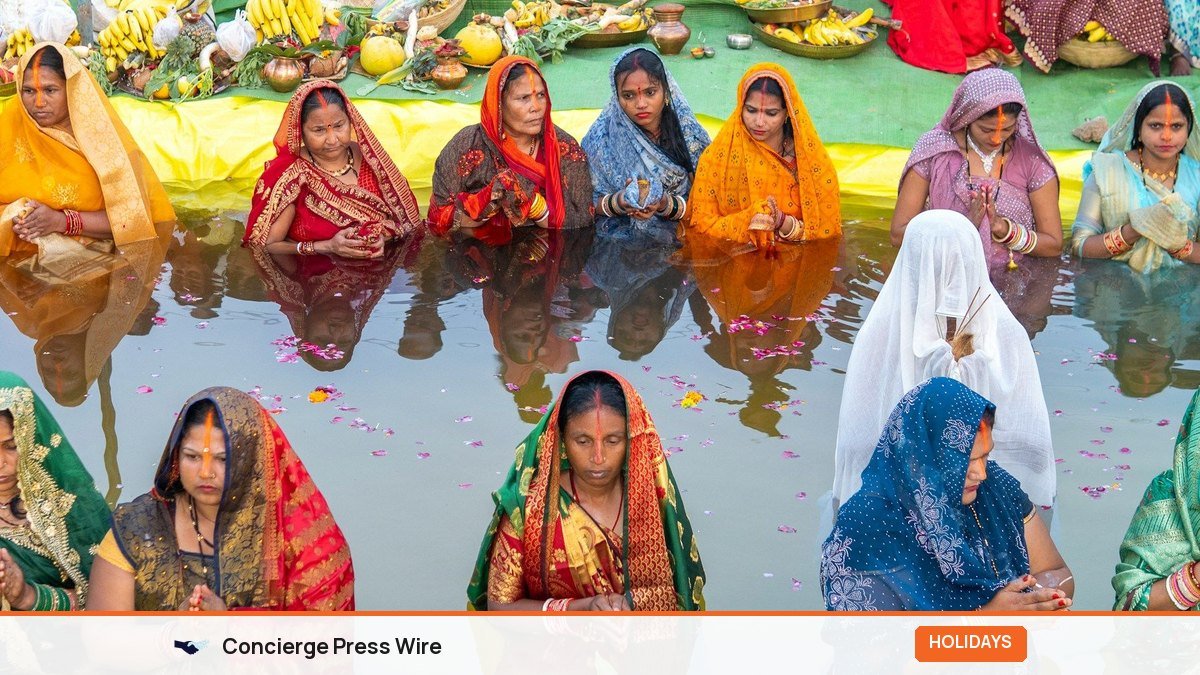
Chhath Puja 2026 runs over four days, from Friday, 13 November (Nahay Khay) to Monday, 16 November (Usha Arghya), with the main evening offering to the setting sun on Sunday, 15 November. This guide gives you the day-by-day calendar, what happens on each day, how arghya timings work in different cities, the traditional prasad and puja items, and practical tips for families observing the vrat at home or at a ghat.
Key Takeaways
- Chhath Puja 2026: Nahay Khay on 13 November, Kharna on 14 November, Sandhya Arghya on 15 November and Usha Arghya on 16 November.
- Drik Panchang lists the main Chhath Puja day as Sunday, 15 November 2026, with sunset at 5:28 PM in New Delhi. Arghya times follow local sunset and sunrise, so they differ by city.
- The vrat includes a nirjala (waterless) fast of about 36 hours, from after the Kharna meal until the morning arghya.
- Thekua, kasar, seasonal fruits, sugarcane and coconut are offered in a bamboo soop or daura.
- Anyone with a health condition, who is pregnant, or who is elderly should consult a doctor before keeping a long waterless fast.
Chhath Puja 2026 dates at a glance
Chhath falls on the sixth day (Shashthi) of the bright half of the Hindu month of Kartik, about a week after Diwali. In 2026, Lakshmi Puja (Diwali) is on Sunday, 8 November, and Drik Panchang’s Chhath Puja page lists the main day as Sunday, 15 November 2026, with Shashthi tithi from 11:23 PM on 14 November to 2:00 AM on 16 November.
| Day | Date | Ritual | What happens |
|---|---|---|---|
| Day 1 | Friday, 13 November 2026 | Nahay Khay | Holy bath, cleaning the home, a single sattvic meal (often lauki-chana dal and rice) |
| Day 2 | Saturday, 14 November 2026 | Kharna (Lohanda) | Day-long fast ended in the evening with gur kheer (rasiao) and roti; the nirjala fast begins after this |
| Day 3 | Sunday, 15 November 2026 | Sandhya Arghya | Evening offering to the setting sun, standing in water at a river, pond or ghat |
| Day 4 | Monday, 16 November 2026 | Usha Arghya and Parana | Offering to the rising sun, then breaking the fast |
Several panchang and festival calendars agree on these four dates. Small differences in muhurat times between sources are normal because they are calculated for different cities.
A note on arghya timings
Arghya is not tied to a fixed clock time but to the actual sunset (Sandhya Arghya) and sunrise (Usha Arghya) at your location. Drik Panchang gives sunset on 15 November 2026 as 5:28 PM and sunrise on that day as 6:44 AM for New Delhi; sunrise the next morning will be within a minute or so of that.
Cities further east see the sun earlier. Patna, Ranchi, Kolkata and Guwahati will have noticeably earlier sunset and sunrise than Delhi, while Mumbai and Ahmedabad will be later. Practical advice:
- Check a panchang or weather app for your own city’s sunset on 15 November and sunrise on 16 November.
- Reach the ghat at least 45 to 60 minutes before sunset for Sandhya Arghya. Crowds grow quickly, and you need time to set up the daura and enter the water.
- For Usha Arghya, families traditionally reach the ghat before dawn and wait in the water for the first rays.
- Local samitis and municipal bodies often announce ghat timings and arrangements; follow their instructions.
The four days in detail
Day 1: Nahay Khay (13 November)
“Nahay Khay” literally means “bathe and eat”. The vrati (the person keeping the vrat) bathes, ideally in a river or pond, or at home with Ganga jal added to the water. The house, especially the kitchen, is cleaned thoroughly. A single meal is cooked in pure conditions, traditionally on a mud chulha or a fresh, clean stove, without onion or garlic. Lauki (bottle gourd) with chana dal and arwa (sun-dried) rice is the classic menu. The vrati eats first, and then the family.
Day 2: Kharna (14 November)
On Kharna, the vrati fasts through the day without water. In the evening, after worship, they prepare rasiao, a kheer made with rice, milk and jaggery (gur), along with roti or puri and bananas. The prasad is offered, the vrati eats it in quiet, and it is then shared with family and neighbours. After this meal, the nirjala fast of roughly 36 hours begins.
Day 3: Sandhya Arghya (15 November)
This is the most visible day. The family prepares the prasad at home, especially thekua, and arranges fruits and offerings in bamboo soops and dauras. In the afternoon the family walks to the ghat, often with the head of the household carrying the daura on their head and women singing Chhath geet. At sunset the vrati stands waist-deep in water and offers arghya of milk or water to the setting sun, with the soop held up towards it. Many families then return home and, in some traditions, hold a “kosi” ritual with lamps and sugarcane in the courtyard.
Day 4: Usha Arghya and Parana (16 November)
Before dawn, the family returns to the ghat with fresh offerings. The vrati again stands in the water and offers arghya to the rising sun, praying to Surya Dev and Chhathi Maiya for the health and well-being of the family, especially children. After the arghya, prasad is distributed, elders bless the younger members, and the vrati breaks the fast (parana), usually with a little prasad, water or ginger and jaggery, before a proper meal.
The meaning behind Chhath
Chhath is dedicated to Surya, the sun god, and Chhathi Maiya (also called Shashthi Mata). As the Wikipedia entry on Chhath summarises, devotees believe Chhathi Maiya protects the health and long life of children. It is one of the few Hindu festivals in which both the setting and the rising sun are worshipped, a reminder that every ending is followed by a new beginning.
A few things make Chhath unusual:
- No priest is required. The vrati performs the worship directly, which makes the festival deeply personal and community-run.
- Nature is at the centre. Water, sun, seasonal produce, bamboo and earthen lamps are the main elements.
- Purity and discipline are emphasised: clean kitchens, sattvic food, and strict fasting.
- Everyone helps. Neighbours clean ghats, youth groups decorate paths, and families who are not fasting carry offerings and assist the vratis.
The festival is most widely celebrated in Bihar, Jharkhand and eastern Uttar Pradesh, and in Nepal’s southern plains. Migration has made it a major event in Delhi, Mumbai, Kolkata, Surat and many other cities, as well as among the diaspora abroad. If you are thinking of experiencing the festival in Bihar itself, the state’s official tourism site has an events calendar and destination guides to help plan a trip. There is also a second, smaller Chhath in spring, known as Chaiti Chhath, observed in the month of Chaitra.
Prasad and puja samagri checklist
Exact items vary by family and region. Use this as a starting list and ask an elder in your family for your own tradition.
| Category | Items |
|---|---|
| Homemade prasad | Thekua (wheat flour, jaggery, ghee), kasar or rice laddoo, rasiao kheer for Kharna, puri |
| Fruits and produce | Bananas (often a whole bunch), sugarcane stalks, coconut (with water), citrus such as gagal or big lemon, sweet potato, singhara (water chestnut), suthni, radish with leaves, fresh turmeric and ginger plants |
| Containers | Bamboo soop (winnowing fan) and daura or dauri (basket), or brass ones in some homes |
| Puja items | Earthen diyas, ghee, cotton wicks, sindoor, rice, flowers, incense, a lota for arghya, raw milk |
| For the vrati | New or freshly washed clothes, often a cotton saree or dhoti, and a dry change for after the water |
How to make thekua (basic method)
- Dissolve jaggery in a little warm water and cool it.
- Mix whole wheat flour with ghee until it feels like breadcrumbs. Add grated dry coconut, cardamom and a pinch of fennel if your family uses them.
- Knead a stiff dough with the jaggery water.
- Shape small discs and press each into a thekua mould or with a fork for the traditional pattern.
- Fry on low to medium heat in ghee or oil until deep golden and crisp. Cool fully before storing.
Prasad is usually cooked by the vrati or family members who have bathed, in a cleaned kitchen, and is not tasted before it is offered.
Practical tips for families
Preparing at home
- Shop early. Soops, dauras and sugarcane get expensive and scarce in the last two days, especially in metro cities. Buy non-perishables a week ahead.
- Plan the kitchen. Clean it fully before Nahay Khay and keep a separate set of utensils for prasad if that is your custom.
- Divide work. Let the vrati rest; others can handle shopping, carrying and crowd management.
At the ghat
- Use official or society ghats. Many cities set up artificial ponds and designated ghats with lighting, lifeguards and medical help.
- Watch children near water, and do not enter deep or fast-moving water.
- Carry warm clothes and a dry change. Mid-November mornings and evenings can be cool, and standing in water for long makes it colder.
- Keep the ghat clean. Avoid plastic bags and thermocol, collect leftover offerings, and use designated bins.
Fasting safely
A 36-hour waterless fast is demanding. People with diabetes, blood pressure or heart conditions, pregnant women, and the elderly should consult a doctor beforehand; many families let such members take a lighter vrat while others keep the full one. After parana, break the fast gently with water, a little prasad and light food rather than a heavy meal.
Celebrating away from home
If you live in a city without a nearby river, you still have options. Many housing societies build temporary ponds or tanks on terraces or open grounds. Some families perform arghya in a large tub filled with clean water at home, facing the sun. Regional associations in cities such as Bengaluru, Hyderabad and Pune often organise community ghats; check local community groups a few weeks ahead to register and learn the timings.
Travelling home for Chhath
For many families from Bihar, Jharkhand and eastern Uttar Pradesh, Chhath is the one time of year everyone tries to be home. Diwali and Chhath fall within the same week in 2026, so trains and flights towards Patna, Darbhanga, Gaya, Ranchi, Gorakhpur and Varanasi fill up early. If you are travelling, book as soon as reservations open, keep a flexible return date, and apply for leave covering both festivals together. If you are an employer with staff from these states, consider planning shifts now so that people who want to travel can go without leaving the team short-handed. A short, clear leave calendar shared in October avoids last-minute stress for everyone.
Frequently Asked Questions
When is Chhath Puja in 2026?
Chhath Puja 2026 begins with Nahay Khay on Friday, 13 November, followed by Kharna on 14 November, Sandhya Arghya on Sunday, 15 November, and Usha Arghya on Monday, 16 November.
What is the Sandhya Arghya time on 15 November 2026?
It is offered at sunset, which Drik Panchang lists as 5:28 PM in New Delhi. Sunset is earlier in eastern cities such as Patna and Kolkata, so check your local time.
How long is the Chhath fast?
The nirjala fast starts after the Kharna prasad on the evening of day two and ends after Usha Arghya on day four, around 36 hours in total.
What is offered in the Chhath soop?
Thekua, kasar, bananas, coconut, sugarcane, citrus fruits, sweet potato, singhara, radish, fresh turmeric and ginger, along with a lit diya. The exact items vary by family tradition.
Can Chhath be done at home without a river?
Yes. Many families use a clean tank, tub or society pond and face the sun for arghya. The intent and discipline of the vrat matter more than the water body itself.
Which god is worshipped in Chhath Puja?
Surya, the sun god, and Chhathi Maiya (Shashthi Mata), who devotees believe protects the health and long life of children.
Plan the four days early
Mark 13 to 16 November 2026 on the family calendar now, buy soops and samagri a week ahead, and confirm your local sunset and sunrise times a day or two before. With the work shared and the ghat chosen in advance, the vrati can focus on the prayer itself. Chhath Puja ki hardik shubhkamnayein.