Dussehra 2026: Date, Vijay Muhurat and Famous Celebrations
Dussehra 2026 is on Tuesday, 20 October. Here are the verified muhurat timings, why some regions celebrate on 21 October, and a guide to India's most famous celebrations.
Dussehra 2026 falls on Tuesday, 20 October 2026 according to the Drik Panchang calendar for New Delhi, with the Vijay Muhurat running from 1:59 PM to 2:45 PM. This guide gives you the verified date and timings, explains why some regions mark the festival on 21 October, and walks you through India’s most famous celebrations in Mysuru, Kullu, Kota and Delhi, with practical tips if you plan to travel.
Key Takeaways
- Vijayadashami (Dussehra) 2026 is on Tuesday, 20 October for New Delhi; the Dashami tithi begins at 12:50 PM on 20 October and ends at 2:11 PM on 21 October.
- Because Dashami spills into 21 October, some regions and events, including Bengal’s Vijaya Dashami and Mysuru’s Jamboo Savari, fall on 21 October.
- Mysuru Dasara runs from 11 to 21 October 2026, and Kota’s Dussehra fair is listed from 20 October to 6 November.
- Kullu Dussehra starts only when the rest of India finishes, and 2026 date reports differ by a day, so confirm locally before booking.
- Muhurat timings are city-specific. Always check a panchang calculated for your own city.
Dussehra 2026 Date and Muhurat at a Glance
Dussehra, also called Vijayadashami, is observed on the tenth lunar day (Dashami) of the bright half of the month of Ashwin. It comes right after the nine nights of Sharad Navratri, which begin on 11 October 2026 this year. The festival marks two victories that most Indians grew up hearing about: Lord Rama’s defeat of Ravana, and Goddess Durga’s victory over the buffalo demon Mahishasura.
Here are the key timings for New Delhi as published by Drik Panchang:
| Item | Date and time (New Delhi) |
|---|---|
| Vijayadashami / Dussehra | Tuesday, 20 October 2026 |
| Vijay Muhurat | 1:59 PM to 2:45 PM (about 45 minutes) |
| Dashami tithi begins | 12:50 PM, 20 October 2026 |
| Dashami tithi ends | 2:11 PM, 21 October 2026 |
| Shravana nakshatra | 3:38 PM, 19 October to 6:02 PM, 20 October |
| Bengal Aparahna puja time | 1:14 PM to 3:30 PM, 21 October 2026 |
A quick word on these numbers. Panchang timings are worked out from local sunrise and sunset, so a family in Chennai, Ahmedabad or Guwahati will see slightly different windows. If you are planning a griha pravesh, a vehicle purchase or the start of a new business on Dussehra, open a panchang for your own city, or ask your family pandit, rather than copying Delhi’s times.
Why some places celebrate on 21 October
The Dashami tithi starts in the early afternoon of 20 October and lasts until the early afternoon of 21 October. Different traditions pick the day differently. North Indian panchangs generally prefer the day when Dashami is present during the Aparahna (afternoon) period, which points to 20 October. Bengal’s Durga Puja calendar lists the Vijaya Dashami rituals, including the immersion of idols, for 21 October. The Mysuru Dasara organisers have also scheduled the Jamboo Savari procession for 21 October. None of these is “wrong”. They simply follow different rules for the same lunar day.
In practice, this means many Indian families will see Ravan Dahan grounds lit up on the evening of 20 October, while Kolkata’s pandals bid goodbye to Maa Durga on 21 October. If you have colleagues or relatives in different states, do not be surprised if their holiday falls on a different day. Check your employer’s or your state government’s holiday list for the official closure date.
What Dussehra Means: Two Stories, One Message
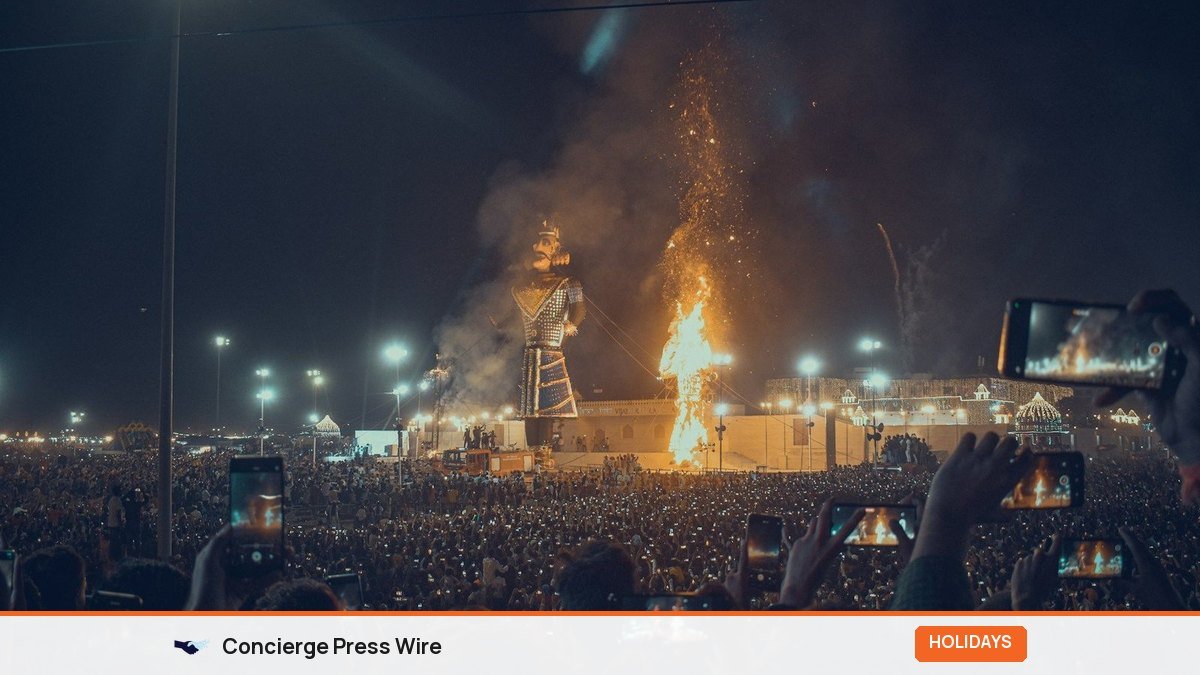
The Ramayana version is the one most North Indians associate with the festival. After Ravana abducted Sita, Rama, with Lakshmana, Hanuman and the vanar sena, fought a long war in Lanka. Tradition holds that Rama killed Ravana on Dashami, and so effigies of Ravana, his brother Kumbhakarna and son Meghnad are burned at sunset. The ten heads of the Ravana effigy are often explained as ten human weaknesses, such as anger, greed, ego and jealousy, that each of us has to overcome.
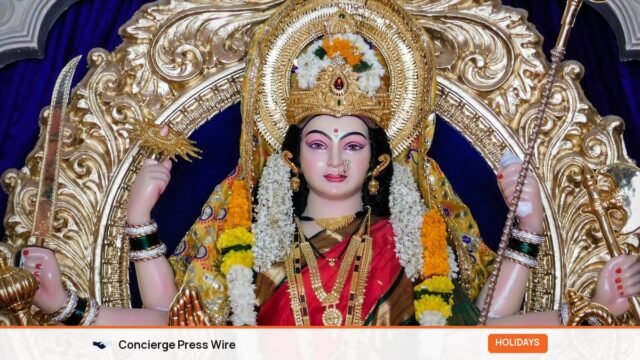
The Devi version dominates in Bengal, Assam, Odisha, Karnataka and parts of Gujarat. Here the nine nights of Navratri are a battle between Goddess Durga and Mahishasura, and Dashami is the day of her victory. In Bengal, Vijaya Dashami is emotional: married women play sindoor khela, idols are taken for immersion, and families visit elders to take blessings and exchange sweets.
A third thread runs through South and West India: Dussehra as a day of new beginnings. Ayudha Puja, where tools, vehicles, books and machines are cleaned and worshipped, is celebrated a day earlier on Navami in many southern homes. Vidyarambham, the ritual first writing lesson for small children, is done on Vijayadashami in Kerala and Karnataka. And across Maharashtra and Karnataka people exchange leaves of the apta or shami tree as “gold”, a custom linked to the Pandavas hiding their weapons in a shami tree during exile.
How Dussehra Is Celebrated Across India
The festival looks very different depending on where you stand. Here is a quick comparison before we go deeper into the four most famous celebrations.
| Region | What people do | What to look out for |
|---|---|---|
| Delhi, UP, Punjab, Haryana | Ramlila performances through Navratri, Ravan Dahan on Dussehra evening | Crowds and traffic diversions near big Ramlila grounds |
| West Bengal, Assam, Odisha, Tripura | Durga Puja ends with Vijaya Dashami, sindoor khela and immersion | Immersion processions, road closures near ghats |
| Karnataka | Mysuru Dasara, a state festival with palace lighting and the Jamboo Savari | Hotel prices in Mysuru rise sharply in Dasara week |
| Himachal Pradesh | Kullu Dussehra, a week-long gathering of village deities | Starts on or after Vijayadashami, not before |
| Rajasthan | Kota’s national Dussehra fair with giant effigies | Fair continues for more than two weeks |
| Gujarat, Maharashtra | End of garba nights, shami/apta leaf exchange, buying of vehicles and gold | Fafda-jalebi queues in Gujarat on Dussehra morning |
| Tamil Nadu, Kerala, Andhra | Golu doll displays, Saraswati and Ayudha Puja, Vidyarambham | Temple crowds for Vidyarambham on Dashami morning |
Mysuru Dasara 2026: The Royal Festival
Mysuru Dasara is Karnataka’s naada habba (state festival) and one of the few Dussehra celebrations in India that still carries the full weight of royal tradition. In 2026 it runs for 11 days, from 11 October to 21 October, with more than 100 programmes, according to a report in News Karnataka. The inauguration takes place at the Chamundeshwari temple on Chamundi Hill between 11:50 AM and 12:13 PM on 11 October, and the festival will be opened by Koppal Gavimath seer Sri Abhinava Gavisiddeshwara Mahaswamiji.
What not to miss in Mysuru
- Palace illumination: The Mysore Palace is lit with thousands of bulbs every evening of the festival. Plan to arrive before the lights come on so you are not stuck at the gate.
- Jamboo Savari (21 October 2026): The grand finale, where a decorated elephant carries the golden howdah with the idol of Goddess Chamundeshwari from the palace towards Bannimantap, followed by tableaux, folk troupes and bands.
- Torchlight parade: Traditionally held at Bannimantap on the evening of the procession.
- Side events: The 2026 schedule includes Yoga Dasara (14 to 19 October), Raitha Dasara for farmers (16 to 18 October), the Dasara Kavigoshti poetry meet (13 to 17 October) and an Aahara Mela food fair from 11 to 25 October.
Practical tip: Jamboo Savari viewing is easiest with a gold card or a pass to one of the seating enclosures. These are sold through the official Dasara channels in the weeks before. If you are going without a pass, reach your spot on the route very early and carry water. Bengaluru to Mysuru is roughly a three-hour drive in normal traffic, but expect much longer on the final day.
Kullu Dussehra: When the Gods Come to Town
Kullu’s festival is unusual because it starts when the rest of the country finishes. Its roots go back to the 17th century, when Raja Jagat Singh installed an idol of Lord Raghunath and made him the ruling deity of the valley. Every year, hundreds of village deities are carried on palanquins to Dhalpur Maidan to pay respects to Raghunath ji, whose rath is then pulled across the ground by hand. The festival closes with a procession to the banks of the Beas and a symbolic Lanka Dahan.
For 2026, reports differ by a day. A September 2026 report in Hill Post gives the dates as 21 to 27 October and says the organisers plan an international folk dance programme with the Indian Council for Cultural Relations, a drone show with around 500 drones, and 30 electric buses for visitors. Several travel sites instead list 20 to 26 October. Since the festival begins on Vijayadashami as observed locally, the local Dev Samiti and district administration have the final word. If you are booking a trip, keep one flexible night on either side.
Kullu travel checklist
- Book stays in Kullu, Bhuntar or Manali early. Rooms near Dhalpur fill up fast.
- October nights in the valley get cold. Pack a warm jacket even if the afternoon feels mild.
- The nearest airport is at Bhuntar, and flights are limited. Most visitors come by overnight Volvo from Delhi or Chandigarh.
- Respect the deities’ processions. Do not touch palanquins or step in front of them for photographs.
Kota Dussehra Mela: Rajasthan’s Giant Effigies
Kota on the banks of the Chambal hosts one of India’s biggest Dussehra fairs, organised by the district administration at the Dussehra Ground. The Incredible India listing for the 2026 fair gives the dates as 20 October to 6 November 2026 and notes that the Ravana effigies can tower up to 75 feet. Along with the effigy burning, the fair has folk music and dance, poetry evenings, processions and a long row of shopping and food stalls.
The fair’s length is what makes it special. Unlike most cities where the celebration ends on the night of Dussehra, Kota’s mela keeps going for more than two weeks, which gives families time to visit on a weekend rather than fighting the Dussehra-night crowd. If you want to see the Ravan Dahan itself, however, you will need to be there on Dussehra evening and arrive hours early.
Delhi’s Ramlilas and Ravan Dahan
In Delhi, Dussehra is the climax of ten nights of Ramlila. Stages go up in almost every colony, from small neighbourhood productions with local children in the cast to large ticketed shows with film actors and elaborate sets. The most famous grounds are in and around Old Delhi, including the historic Ramlila Maidan and the grounds near the Red Fort, where political leaders often attend the Ravan Dahan on Dussehra evening.
If you plan to watch a big Ravan Dahan in Delhi, keep these points in mind:
- Check traffic advisories. Delhi Traffic Police usually issues diversions around major Ramlila grounds on Dussehra evening. Use the Metro where you can.
- Arrive before sunset. The effigies are typically lit around dusk, and the best viewing spots go early.
- Keep a safe distance. Effigies are packed with firecrackers. Stay behind barricades, keep small children close and hold on to them in the crowd.
- Mind your hearing and lungs. Carry a mask if you are sensitive to smoke, and consider ear protection for young kids.
- Use neighbourhood Ramlilas. Smaller local events are calmer, safer for elders and often more fun for children.
How to Celebrate Dussehra at Home
Not everyone wants to fight crowds. A meaningful Dussehra at home can be simple.
A simple home checklist
- Clean and worship your tools: Laptops, account books, sewing machines, vehicles and shop equipment are traditionally cleaned and offered a tilak and flowers. Many small business owners in India do this for their shop or office.
- Shami or apta leaf exchange: Give leaves to elders and neighbours with the greeting of prosperity. It is an easy way to teach children about the festival.
- Start something new: Dussehra is considered an auspicious day to begin learning, sign up for a course, open an account or start a small project. Use your city’s muhurat if timing matters to you.
- Festive food: Gujarat has fafda and jalebi, Bengal has its bhog and sweets for Bijoya, Karnataka has holige and payasa. Pick one regional dish your family has never made and try it.
- Tell the story: Read a short Ramayana or Durga Saptashati story with children. Explain what the ten heads of Ravana stand for and ask them which “head” they want to beat this year.
Planning Your Dussehra Week: A Quick Calendar
Here is a simple planner that pulls together the verified 2026 dates mentioned in this article. Treat regional timings as provisional and confirm locally.
| Date (2026) | What happens |
|---|---|
| Sunday, 11 October | Sharad Navratri begins; Mysuru Dasara inauguration on Chamundi Hill |
| 11 to 21 October | Mysuru Dasara programmes and palace illumination |
| 18 to 19 October | Durga Ashtami and Maha Navami (exact day varies by panchang); Ayudha Puja in many southern homes on Navami |
| Tuesday, 20 October | Vijayadashami / Dussehra (New Delhi); Ravan Dahan across North India; Kota fair begins |
| Wednesday, 21 October | Mysuru Jamboo Savari; Vijaya Dashami rituals in Bengal; Kullu Dussehra start date per Hill Post |
| Up to 6 November | Kota Dussehra fair continues |
Diwali follows soon after, with Lakshmi Puja on Sunday, 8 November 2026. If you are a shop owner, the three weeks between Dussehra and Diwali are the busiest buying season of the year, so use Dussehra to finish your stock and staffing plans.
Frequently Asked Questions
What is the date of Dussehra in 2026?
Dussehra (Vijayadashami) is on Tuesday, 20 October 2026, according to Drik Panchang for New Delhi. Some regions, including West Bengal for Vijaya Dashami rituals, observe it on 21 October because the Dashami tithi continues until 2:11 PM that day.
What is the Vijay Muhurat on Dussehra 2026?
For New Delhi, the Vijay Muhurat is from 1:59 PM to 2:45 PM on 20 October 2026. The timing changes with your city’s sunrise and sunset, so check a panchang set to your own location.
Is Dussehra a bank holiday in 2026?
Dussehra is a gazetted holiday for central government offices, and banks in most states close for it, but the exact date and whether an extra day is given varies by state. Check the RBI holiday list for your state or your bank’s branch notice before planning any payments or cheque deposits.
When is the Mysuru Dasara Jamboo Savari in 2026?
The Jamboo Savari is scheduled for Wednesday, 21 October 2026, the final day of the 11-day Mysuru Dasara that begins on 11 October.
When does Kullu Dussehra start in 2026?
Kullu Dussehra begins on Vijayadashami as observed locally and runs for seven days. A September 2026 Hill Post report gives 21 to 27 October, while some travel sites list 20 to 26 October. Confirm with Himachal tourism or the Kullu district administration before you book.
Why are Ravana effigies burned on Dussehra?
The effigies of Ravana, Kumbhakarna and Meghnad represent the defeat of evil by Lord Rama. Burning them at sunset is a public reminder that arrogance and wrongdoing eventually fall, and the ten heads are often explained as ten personal weaknesses to overcome.
A Festival of Fresh Starts
Whether you spend Dussehra in a crowd at Dhalpur Maidan, on the route of the Jamboo Savari, or quietly doing Ayudha Puja on your shop counter, the idea is the same: clear out what holds you back and begin something good. Note the date, check your city’s muhurat, and if you are travelling, book early and keep a day of buffer. Happy Dussehra, and may your new beginnings this year go well.