How to Start a Business Podcast in India on a Rs 15,000 Budget
A practical guide to launching a business podcast in India: a kit under Rs 15,000, a 30-minute episode template, guest outreach and YouTube and Spotify distribution.
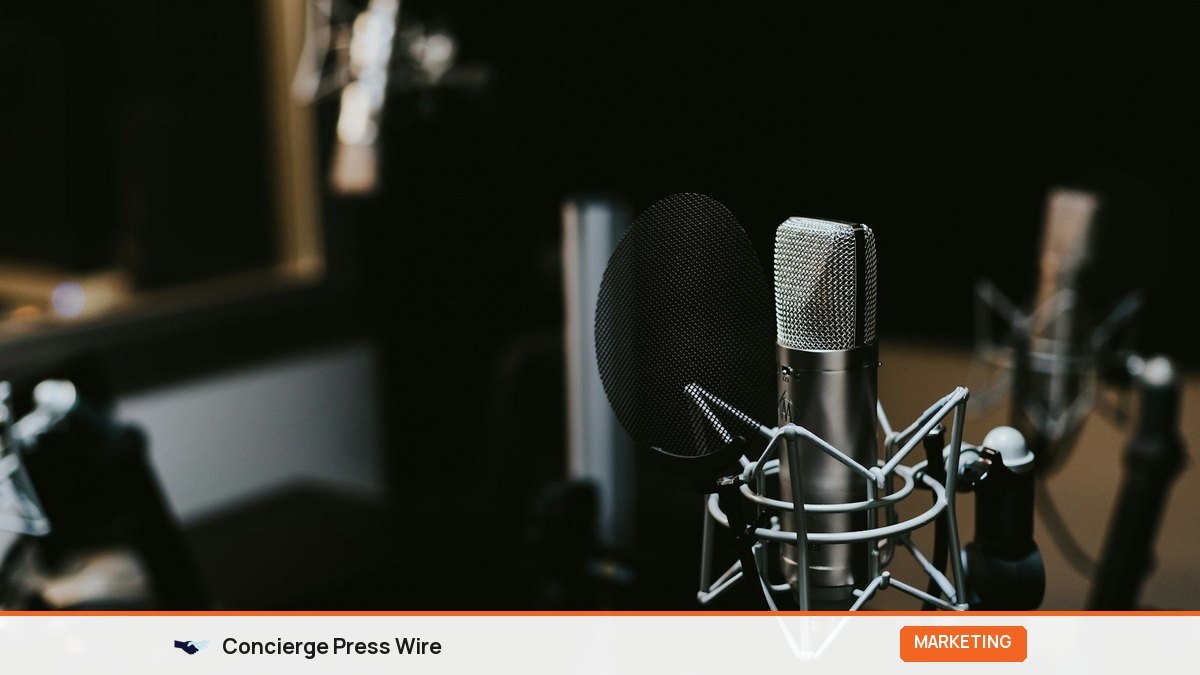
You can start a credible business podcast in India with a total kit budget under Rs 15,000, a free or low-cost hosting account, and a simple monthly routine of four episodes. This guide walks through the exact setup, how to choose a format, how to book guests, how to get on YouTube and Spotify, and how to promote each episode so it actually brings in customers or partners.
Key Takeaways
- Decide what the podcast is for (leads, hiring, authority or partner relationships) before you buy a microphone. The goal shapes the format.
- A dynamic USB microphone, closed-back headphones and a quiet room matter far more than an expensive camera.
- Publish video to YouTube and audio to Spotify, Apple Podcasts and others through one RSS host. YouTube now accepts RSS feeds from India.
- Guests are your best distribution channel. Give them ready-made clips and captions so they share the episode.
- Commit to a 12-episode season before judging results. Most business podcasts take months, not weeks, to find an audience.
Why a Podcast Works for an Indian Small Business
A podcast is a slow, compounding asset. It will not replace your sales team, but it does three things that ads cannot. First, it lets prospects spend 30 minutes with your thinking before they ever speak to you, so the first sales call starts warm. Second, every guest you invite becomes a relationship: a supplier, a potential client, a channel partner, a future hire. Third, each episode can be cut into 10 to 15 short clips, quotes and posts, which solves the “what do we post this week?” problem for months.
India is a good market for this because so much business learning already happens by ear and on YouTube. Founders listen on long commutes in Bengaluru and Mumbai, and small-town traders watch business explainers in Hindi and regional languages. A focused show in your niche, whether that is textile exports from Surat, dental practice management in Pune or D2C skincare, can become the default listen for a small but valuable audience.
Pick one goal
| Goal | Best format | Who you invite | Success sign after 3 months |
|---|---|---|---|
| Leads | Expert interviews on customer problems | Customers, adjacent experts | Prospects mention an episode on calls |
| Authority | Solo explainers, 15–20 min | None or occasional guest | Invites to speak, quotes in media |
| Partnerships | Founder conversations | Potential partners, suppliers | Two or three joint projects start |
| Hiring | Team and culture episodes | Your own staff | Candidates say they listened |
Equipment Under Rs 15,000: A Practical Kit
Audio quality is the one thing listeners will not forgive. A slightly soft video is fine; a hollow, echoing voice makes people leave in the first minute. Spend on sound first.
The ranges below are typical online prices in India in late 2026 for each category. Prices move with sales and stock, so treat them as a budgeting guide and compare on two or three marketplaces before you buy.
| Item | What to look for | Approx. budget |
|---|---|---|
| Microphone (x2 if you interview in person) | Dynamic, USB or USB + XLR, cardioid pattern | Rs 2,500 – 4,500 each |
| Headphones | Closed-back, wired, comfortable for an hour | Rs 1,500 – 3,000 |
| Mic arms or desk stands | Stable, keeps mic 8–10 cm from your mouth | Rs 600 – 1,200 each |
| Pop filters or foam covers | Reduces “p” and “b” blasts | Rs 200 – 400 |
| Room treatment | Curtains, rug, a bookshelf, soft furniture | Rs 0 – 2,000 |
| Camera | Your existing phone on a tripod, rear camera | Rs 500 – 1,500 for tripod and clamp |
| Light | One soft LED panel or a window in front of you | Rs 0 – 2,000 |
A two-person in-studio setup lands between roughly Rs 10,000 and Rs 15,000 using these ranges. If you only do remote interviews, one microphone and headphones will do, and you can be recording for under Rs 6,000.
Why dynamic, not condenser
Condenser microphones look impressive and are sensitive enough to pick up a pin drop. That is the problem. In a typical Indian office or flat they also pick up ceiling fans, pressure cookers, traffic horns and the neighbour’s TV. A dynamic microphone mainly hears what is right in front of it, which is your voice. For untreated rooms, it is almost always the better choice.
Fix the room before you upgrade gear
- Record in the smallest room with the most soft surfaces. A bedroom with a bed, curtains and a wardrobe beats an empty conference room.
- Switch off fans and AC during recording. Yes, even in May. Record in 20-minute blocks if you need breaks.
- Put a rug on tiled floors and hang a thick curtain or blanket behind the camera.
- Do a 30-second test with headphones on. If you hear echo, add more soft material.
Software: Recording, Editing and Remote Interviews
You do not need paid software to begin. A typical free workflow looks like this:
- Recording in person: plug both USB mics into a laptop through a simple audio interface, or record each person on their own laptop and sync later. Free tools such as Audacity handle this well.
- Recording remote guests: use a browser-based recording tool that captures each person’s audio locally and uploads it, rather than recording a regular video call. This avoids choppy audio when the guest’s internet drops.
- Editing: remove long pauses, false starts and off-topic tangents. Aim to cut 10–15% of the raw recording.
- Loudness: normalise the final file so it is roughly as loud as other podcasts. Most editing tools have a one-click option.
- Captions: generate subtitles for the YouTube version and for short clips. Many viewers watch on mute.
If you pay for anything, pay for a remote recording tool and a transcription service. Both save hours every week.
Format, Length and a Simple Episode Template
Business listeners want something useful and predictable. Pick one format and one length, and stick to it for a full season.
A 30-minute interview template
| Segment | Time | What happens |
|---|---|---|
| Cold open | 0:00–0:45 | Best 30–45 seconds from the interview, so listeners know why to stay |
| Intro | 0:45–1:30 | Who the guest is and the one problem this episode solves |
| Story | 1:30–8:00 | How the guest got here, with one specific failure |
| The how-to | 8:00–22:00 | Three to five concrete steps, numbers and mistakes |
| Rapid fire | 22:00–27:00 | Five quick questions (tools, books, hiring, first rupee earned) |
| Close | 27:00–30:00 | Where to find the guest, one action for the listener |
Language choice
Choose the language your buyers think in. A show for kirana distributors in Gujarat may do far better in Gujarati or Hinglish than in polished English. Mixed-language conversation is normal in Indian business and listeners do not mind it. What they mind is an unnatural, scripted tone. Write bullet points, not scripts.
How to Book Good Guests Without a Big Audience
New hosts worry that nobody will come on a show with 50 listeners. In practice, many people say yes because the podcast gives them a clean, shareable piece of content about their work. Make it easy for them.
Where to find guests
- Your own customers who have a strong result to talk about
- Suppliers, distributors and service partners in your value chain
- Speakers from local industry events, chambers of commerce and trade associations
- Founders who were recently featured in business news in your city
- Professionals who write regularly on LinkedIn about your niche
A guest invitation you can copy
Subject: Podcast invite: how [their company] cut delivery time in Tier 2 cities
Hi [Name], I host [Show], a podcast for [audience, e.g. D2C founders in India]. Your post on [specific thing] was the clearest explanation I have read of [topic]. Would you join us for a 30-minute recorded conversation, online, at a time that suits you in the next three weeks? We will send you the questions in advance, short clips for your own channels, and the final link before it goes live. Regards, [Your name], [Phone]
Keep it under 120 words, mention something specific they did, and say exactly how long it takes. Follow up once after five working days, then let it go.
Before the recording
- Share five or six questions, not twenty.
- Ask the guest to use earphones with a mic at minimum, sit in a quiet room and close other apps.
- Get written consent (an email reply is fine) to publish the recording and clips.
- Agree on anything off the record, such as revenue numbers or client names.
Hosting and Distribution: YouTube, Spotify and the Rest
Audio podcasts are distributed through an RSS feed. You upload each episode once to a podcast host, the host creates the feed, and platforms such as Spotify, Apple Podcasts and Amazon Music read from that feed. You submit your feed to each platform once; after that, new episodes appear automatically.
Spotify
Spotify runs its own creator platform, Spotify for Creators, which supports both audio and video podcasts and can also be used to manage a show hosted elsewhere. Check its current terms and features for India before deciding whether to host there or with an independent host.
YouTube
You have two options on YouTube. You can upload full video episodes yourself, which is best if you record on camera. Or, for audio-only shows, you can connect your RSS feed in YouTube Studio so that new episodes upload automatically with your show art as a static image. According to YouTube’s help page on RSS delivery, India is among the countries where this is available, episodes first upload as private so you can check for copyright or monetisation issues, and any branded content or sponsorship in the episode must be declared. The same page says podcast content delivered this way should not contain advertisements, so read the current rules if you plan to run sponsor reads.
A simple weekly publishing routine
- Monday: final edit, captions and thumbnail.
- Tuesday: upload to host and YouTube, schedule for Thursday morning.
- Wednesday: cut three to five short clips, write show notes with timestamps.
- Thursday: episode goes live; send guest the links and clip pack.
- Friday: post one clip on LinkedIn, one on Instagram Reels, one on YouTube Shorts.
Promotion: Turning One Episode Into Two Weeks of Content
Most new shows fail at distribution, not at recording. Plan promotion before you record.
| Asset | Where | Tip |
|---|---|---|
| 30–60 second vertical clip | Reels, Shorts, LinkedIn | Start with the strongest sentence, burn in captions |
| Quote card | LinkedIn, Instagram, WhatsApp status | One sentence, guest name and photo, your show logo |
| Show notes article | Your website blog | Turn the transcript into a 700–1,000 word summary with headings |
| Newsletter or WhatsApp broadcast | Customers and leads who opted in | Three bullet takeaways and the link |
| Guest share kit | Guest’s own channels | Send ready captions and two clips on release day |
When the show reaches a real milestone, such as a 25th episode with well-known guests or a season sponsored by an industry body, that milestone can be newsworthy for trade media. A short, factual announcement is enough; our guide on how to write a press release in India covers the structure, and the press release sample for India shows how a launch note reads.
Budget and Timeline for Your First Season
Here is a realistic plan for a 12-episode first season, assuming you do the editing yourself.
| Week | Task | Hours |
|---|---|---|
| 1 | Define goal, audience, name, artwork, trailer script | 6 |
| 2 | Buy kit, set up room, test recordings | 5 |
| 3–4 | Book first six guests, record three episodes in advance | 10 |
| 5 | Launch trailer plus first three episodes together | 6 |
| 6–16 | One episode a week, record two weeks ahead | 4–5 per week |
Launching with three episodes at once gives new listeners something to binge and makes the show look established. Recording two weeks ahead protects you from the inevitable week when a guest cancels or a client deadline eats your time.
Measuring whether it works
Downloads alone are a poor signal for a business podcast. Track these instead: how many sales conversations mention the show, how many guests turn into partners or customers, how many short clips get saved or shared, and how long people watch on YouTube. A show with 300 loyal listeners who are all potential buyers is worth more than one with 10,000 random plays.
Frequently Asked Questions
How much does it cost to start a podcast in India?
A good two-person setup typically costs Rs 10,000 to Rs 15,000 for microphones, headphones, stands and a phone tripod. Remote-only shows can start for around Rs 6,000. Hosting can be free or a few hundred rupees a month depending on the platform.
Should my business podcast be video or audio only?
If you can record video, do it. YouTube is a major podcast platform in India and video clips power your social media. If you are camera-shy, an audio-only show delivered to YouTube by RSS is a reasonable start.
How long should each episode be?
For business audiences, 20 to 40 minutes works well. Pick one length and keep it consistent so listeners know what to expect.
Do I need permission to publish a guest’s interview?
Get clear written consent from each guest to record, edit and publish the episode and clips. An email confirmation is usually enough for a small show; for sponsored or commercial shows, consult a lawyer about a simple release form.
Can I use popular songs as background music?
No, not without a licence. Use royalty-free music from a source that clearly allows commercial podcast use, or commission a short jingle.
How many episodes before I see results?
Plan for at least 12 episodes. Business podcasts usually show their value through relationships and sales conversations first, and audience numbers later.
Record the First Episode This Month
Buy one dynamic microphone and closed-back headphones, pick a quiet room, and record a 15-minute solo episode answering the question your customers ask most often. Listen back, fix the room, then invite your first guest. The first episode will not be your best, and that is fine; the twelfth will be far better, and by then you will have a library of conversations, clips and relationships that keep working for your business.