Facebook and Instagram Ads for Small Businesses in India: A Guide
A practical guide to Meta ads for Indian small businesses, from picking the right objective and rupee budget to WhatsApp ads, creative and measuring real sales.
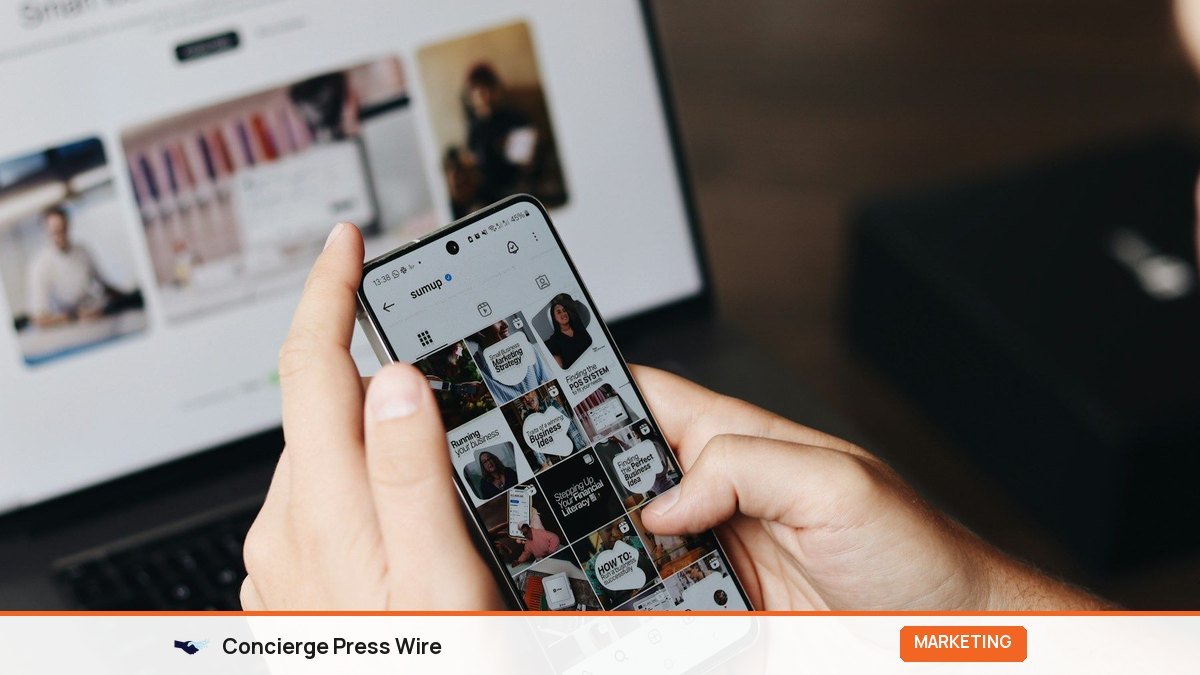
Facebook and Instagram ads can work for an Indian small business on a budget of a few hundred rupees a day, as long as you pick the right objective, aim at a tight local audience and measure real enquiries rather than likes. This guide shows you how to choose between Meta’s six campaign objectives, when click-to-WhatsApp ads make more sense than a website, how to set a sensible rupee budget, what creative works in India, and how to judge whether the money is paying back.
Key Takeaways
- Meta Ads Manager offers six objectives: Awareness, Traffic, Engagement, Leads, App Promotion and Sales. Most local businesses should start with Leads, Engagement (messages) or Sales.
- Click-to-WhatsApp ads suit Indian buyers who prefer to chat before they pay. They open a WhatsApp conversation with your business directly from the ad.
- A test budget of Rs 300 to Rs 500 a day for 10 to 14 days usually gives enough data to judge one ad set. Spread too thin and you learn nothing.
- Measure cost per enquiry and cost per sale, not reach or likes. Track every lead in a simple sheet.
- Ads must be honest. Avoid exaggerated claims, and be careful with health, finance and before-after promises.
Should Your Business Run Meta Ads at All?
Before spending a rupee, check whether Facebook and Instagram are where your buyers make decisions. Meta ads tend to work well for:
- Local services where people book after a chat: salons, clinics, coaching classes, gyms, interior designers, wedding photographers.
- D2C products that photograph well: clothing, jewellery, home decor, snacks, skincare.
- Events and launches with a date: workshops, exhibitions, store openings.
They work less well when people search with clear intent and want to buy immediately, such as “AC repair near me”. That is often a job for search ads. Our guide to Google Ads for small businesses in India explains that side. Many small businesses end up using both: Google to catch demand, Meta to create it.
The Six Campaign Objectives, in Plain Language
When you create a campaign, Meta asks you to pick an objective. This choice tells the system who to show the ad to, so it matters more than most beginners realise. Meta’s own ad objectives page describes them; here is what each means for a small Indian business.
| Objective | What Meta optimises for | Use it when |
|---|---|---|
| Awareness | Reach and ad recall | You are opening a new shop and want everyone within 3 km to know |
| Traffic | Clicks to a website, app or profile | Rarely the best first choice; clicks are cheap but often do not buy |
| Engagement | Messages, video views, post interactions | You want WhatsApp, Messenger or Instagram DM conversations |
| Leads | Form fills, calls or messages from likely prospects | Services that need a callback: coaching, real estate, clinics |
| App Promotion | App installs and in-app actions | Only if you have an app |
| Sales | Purchases and other conversion events | You sell online and have the Meta pixel or Conversions API set up |
Which one to choose first
- Local service, no website: Engagement with a WhatsApp destination, or Leads with an instant form.
- Online store with tracking set up: Sales.
- New shop opening: Awareness for one week, then switch to Engagement or Leads.
Avoid the Boost button on Instagram or Facebook posts for serious campaigns. It is convenient, but it gives you fewer options than Ads Manager and usually optimises for engagement, not enquiries.
Click-to-WhatsApp Ads: Built for How Indians Buy
Many Indian customers want to ask a question before they pay: “Is this available in XL?”, “Do you deliver to Thane?”, “What is the price for 50 pieces?” Click-to-WhatsApp ads meet that habit. A person taps the ad on Facebook or Instagram and a WhatsApp chat opens with your business, often with a pre-filled message.
According to WhatsApp Business’s page on these ads, they can run in Facebook and Instagram feeds, Stories and Marketplace, and support formats like images, video and carousels.
Setting one up
- Install WhatsApp Business on the number you will use and complete your profile, catalogue and greeting message. Our WhatsApp Business setup guide covers this.
- Link that WhatsApp number to your Facebook Page in the Page settings.
- In Ads Manager, choose Engagement (or Sales/Leads where offered) and set the conversion location to WhatsApp.
- Write a pre-filled message that tells you which ad the person came from, for example “Hi, I saw the Diwali hamper ad”.
- Decide who will reply and how fast. An ad that drives chats at 10 PM needs someone to answer by morning.
The hidden cost: slow replies
The biggest leak in WhatsApp ads is not the cost per chat, it is the chats nobody answers properly. Use quick replies for prices and FAQs, but always follow up personally. A conversation that ends with “ok” and no next step is a lost sale.
How Much Should You Spend? Budgets in Rupees
There is no magic figure, but there is a sensible way to start. Meta’s system needs data to learn who responds. If you split Rs 200 a day across five ad sets, each one gets too little to learn anything.
| Stage | Suggested daily budget | Duration | Goal |
|---|---|---|---|
| Test | Rs 300 to Rs 500, one ad set, 2-3 creatives | 10-14 days | Find a cost per enquiry you can live with |
| Improve | Same budget, replace the weakest creative | 2-3 weeks | Lower cost per enquiry |
| Scale | Raise budget gradually, about 20% every few days | Ongoing | More enquiries at a similar cost |
These are illustrative starting points, not rules. A salon in a tier-2 city may get messages far more cheaply than a Mumbai real estate project. Your numbers will vary by city, category and season, and costs typically rise during the festive season when big brands spend heavily.
Work backwards from your margin
Here is a worked example for an illustrative boutique in Jaipur selling kurta sets at Rs 1,800, with a gross margin of Rs 700 per sale.
- If one in five WhatsApp chats turns into a sale, and a chat costs Rs 40, each sale costs Rs 200 in ads.
- Rs 700 margin minus Rs 200 ad cost leaves Rs 500 before other expenses. That is workable.
- If chats cost Rs 120 and only one in ten buys, each sale costs Rs 1,200. The ads lose money on the first purchase, and only make sense if customers come back.
Taxes and billing
Digital advertising services in India attract GST, generally at 18%. How it shows up depends on how your account is billed and whether you have added a GSTIN, so check your Meta invoice and ask your CA how to account for it. Tax rules change, so confirm the current position before you file.
Targeting a Local Audience Without Wasting Money
- Location: Use a pin or a radius around your shop (for example 3 to 8 km for a salon) rather than the whole city.
- Age and gender: Set only if it really limits your buyers. A bridal makeup artist may target women 21 to 35; a sweet shop should not.
- Interests: Keep them broad at first. Meta’s delivery system often finds buyers better than narrow interest stacks.
- Custom audiences: Upload a list of past customers (with consent) and exclude them from acquisition ads, or target them with offers.
- Language: Run ads in Hindi or your regional language if your customers speak it. The difference in response can be large.
Creative That Works for Indian Audiences
Creative is where most small budgets are won or lost. Fancy agency work is not required, but clarity is.
What usually performs
- Short vertical video shot on a phone: the product in hand, the service being done, the owner talking to camera. Our Instagram Reels playbook has hook ideas that transfer straight to ads.
- Price in the first frame where it is a selling point. “Gold facial Rs 999 in Vashi” filters out people who would never pay.
- Local proof: the area name, a recognisable street, real customer reviews (with permission).
- One clear action: “Tap to WhatsApp for sizes” beats “Visit us today”.
A simple ad copy template
[Specific offer or result] in [area]. [One line on why you, with a number or proof]. [What to do next].
Example: Bridal mehendi packages from Rs 4,500 in Andheri West. 300+ brides since 2019, organic henna only. Tap to WhatsApp for dates in November.
Stay within advertising rules
Meta reviews ads against its own policies, and Indian advertising is also governed by consumer protection law and the self-regulatory code of the Advertising Standards Council of India. Avoid miracle claims, fake urgency, misleading before-after images, and anything that promises guaranteed income or cures. Health, finance and real estate ads attract extra scrutiny.
Measuring Results: What to Track
Ads Manager will show reach, impressions, clicks and cost per result. Those are useful, but your real question is simpler: did the money bring paying customers?
| Metric | Where to find it | What good looks like |
|---|---|---|
| Cost per result (chat, lead, purchase) | Ads Manager | Stable or falling over two weeks |
| Click-through rate | Ads Manager | Compare between your own creatives, not with “industry averages” |
| Lead-to-sale rate | Your own sheet or CRM | Known and improving |
| Cost per sale | Ad spend divided by sales from ads | Below your margin per sale |
| Frequency | Ads Manager | If the same people see an ad many times and results drop, refresh creative |
A lead sheet you can copy
Create a Google Sheet with these columns: date, name, phone, which ad, what they asked, follow-up date, status (new, quoted, won, lost), sale value. Fill it every day. After two weeks you will know which ad brings buyers, not just chats.
If your shop sells online, install the Meta pixel and, if your platform supports it, the Conversions API. Without them, the Sales objective is flying blind.
Seven Mistakes That Waste Small Budgets
- Boosting random posts instead of running planned campaigns.
- Choosing Traffic and celebrating cheap clicks that never buy.
- Targeting the whole country for a local shop.
- Changing budgets and audiences every day, so the system never settles.
- Running one creative for months until people tune it out.
- Not replying to WhatsApp or DM enquiries within hours.
- Judging ads in three days. Give a test at least 10 days unless it is clearly failing.
Ads work better alongside unpaid visibility. Local media coverage, a strong Google Business Profile and genuine reviews all make the same ad more believable. For a full-funnel view, see our 90-day digital marketing plan.
Frequently Asked Questions
What is the minimum budget for Facebook ads in India?
Meta lets you run ads on small daily budgets, and Ads Manager shows the minimum allowed for your setup. For learning anything useful, plan on roughly Rs 300 to Rs 500 a day for one ad set for 10 to 14 days.
Are Instagram ads and Facebook ads different?
Both are created in the same Meta Ads Manager. You choose placements, and Meta can show your ad across Facebook, Instagram, Messenger and other placements. Many small businesses leave placements on automatic at first.
Are click-to-WhatsApp ads better than lead forms?
It depends on your sales process. WhatsApp chats feel natural for product questions and quick bookings. Instant lead forms work for services where you call back, such as coaching admissions or property enquiries. Test both if you can.
Do I need a website to run Meta ads?
No. You can send people to WhatsApp, Messenger, Instagram DMs, a lead form or a call. A website helps with the Sales objective and tracking, but many local businesses start without one.
How long before Meta ads start working?
Give a new campaign about one to two weeks before judging it, unless costs are clearly unworkable. The system needs some results to learn who responds.
Is GST charged on Facebook ads in India?
Digital advertising generally attracts 18% GST, but the way it appears on your bill depends on your account and GSTIN setup. Check your invoice and confirm with a chartered accountant, as rules can change.
Start With One Ad Set This Week
Pick one offer, one objective, one local audience and two or three phone-shot creatives. Set a budget you can afford to learn with for two weeks, reply to every enquiry quickly, and log each lead in a sheet. By the end of the test you will know your real cost per customer, and that number tells you whether to scale, fix or stop.