Startup and MSME Awards in India: Which to Apply For and How to Win
Which government and private awards Indian startups and MSMEs should track, how to build a reusable application kit, and how to announce a win credibly.
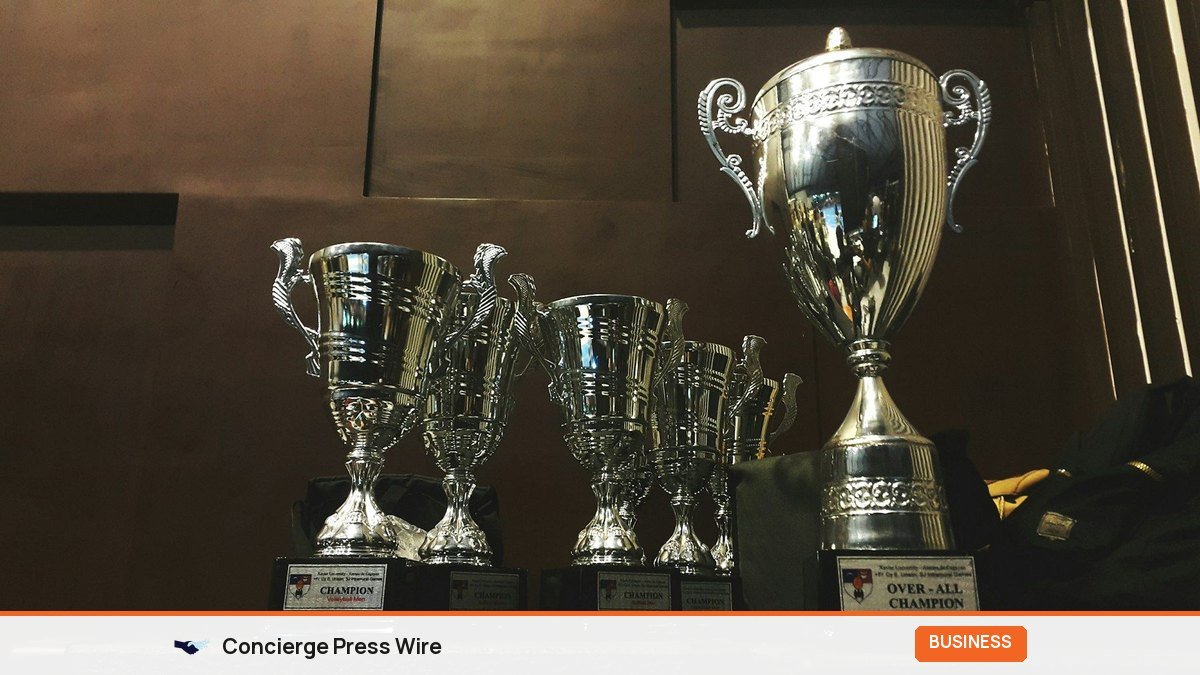
A credible award gives an Indian startup or MSME something money cannot easily buy: third-party proof that the business is real and doing well. This guide covers the government awards worth tracking, how to judge private awards, how to write an application that scores, and how to turn a win into lasting coverage and trust.
Key Takeaways
- The National Startup Awards (DPIIT) and the National MSME Awards (Ministry of MSME) are the two central-government awards most small businesses should watch. Neither was open for applications as of 10 October 2026.
- The fifth National Startup Awards offered Rs 10 lakh to the winner of each general category, across 20 categories, for DPIIT-recognised startups.
- The States’ Startup Ranking is a ranking of states, not an award startups apply for, so do not confuse the two.
- Avoid “awards” that charge large fees to win or to attend. A good award has a public jury, clear criteria and no pay-to-win packages.
- Prepare a reusable awards kit now: metrics sheet, two-minute video, 10-slide deck and proof documents. Most applications reuse 80% of the same material.
Why awards matter for small businesses
For a bootstrapped D2C brand in Indore or a manufacturing MSME in Coimbatore, an award does three practical jobs:
- Trust with buyers. Procurement teams, distributors and B2B customers look for signals that you are reliable. A government-recognised award is one.
- Access. Some programmes include mentoring, investor introductions, pilots with government bodies or priority at government events.
- A genuine news peg. Journalists rarely write about “a startup that is doing well”. They do report winners of national awards, especially in regional and trade media.
Awards will not fix a weak business, and applications take real time. Choose two or three good ones a year rather than chasing every listing.
Government awards worth tracking
National Startup Awards (DPIIT, Startup India)
Run by the Department for Promotion of Industry and Internal Trade, the National Startup Awards recognise startups across sectors. The fifth edition opened in July 2025. According to the official NSA 5.0 page, applications are now closed. Key points from that edition:
- 20 general categories, including the Women-led Innovator Award, Bootstrapped Startup Award, Make in India Excellence Award, Agri Innovation Award, Health-Tech Excellence Award, F&B Trailblazer Award and an award for innovators from the North-East and hilly states and UTs.
- Prize: Rs 10 lakh cash for the winner in each general category, plus handholding support such as mentorship, investor and corporate connections, and procurement support.
- Eligibility (fifth edition): DPIIT-recognised startup registered on the Startup India portal, a product or solution already in the market, relevant registrations such as GST or FSSAI where applicable, audited financials for the last three years (with exemptions for younger startups), no defaults, and not completing 10 years from incorporation before the deadline.
- Limits: a maximum of two categories per startup; past winners cannot apply again, but past finalists can.
- Documents: DPIIT certificate, financial statements, a pitch deck of up to 10 slides and a 120-second video file (not a YouTube link).
The sixth edition had not been announced when this article was written. Eligibility and categories can change between editions, so read the new rules carefully when they appear.
National MSME Awards (Ministry of MSME)
The Ministry of MSME recognises enterprises across manufacturing, services and special categories. In April 2026 the ministry reopened online applications for the National MSME Awards 2024, with a deadline of 20 April 2026, as announced in a Goa government notice dated 10 April 2026. Categories listed in that notice include:
- Manufacturing Entrepreneurship (technologically efficient)
- Service Entrepreneurship (medium enterprises)
- Export-oriented service enterprises
- Women Entrepreneurship (micro and small service enterprises)
- SC/ST Entrepreneurs (micro and small, manufacturing and services)
- Divyang Entrepreneurs (manufacturing and services)
- Entrepreneurs from the North-Eastern Region (micro and small)
A valid Udyam registration is essential for MSME schemes, so make sure yours is up to date. Your local MSME Development and Facilitation Office (MSME-DFO) can help with the application when the next round opens.
State-level awards and challenges
Most state startup missions and industries departments run their own awards, grand challenges or recognition events, often linked to state startup policies. They are usually less crowded than national awards and carry real weight with state procurement teams. Check your state startup portal and industries department every quarter, and register for their newsletters.
Not an award: the States’ Startup Ranking
DPIIT’s States’ Startup Ranking assesses states and union territories on how well they support startups. The fifth edition results cover 34 states and UTs, with Gujarat, Arunachal Pradesh and Goa among the Best Performers. Startups do not apply to it, but the state reports are useful to understand what support your state offers.
How to judge private and media awards
Private awards run by media houses, industry bodies and event companies range from excellent to worthless. Use this checklist before you apply.
| Question | Green flag | Red flag |
|---|---|---|
| Who judges? | Named jury of credible people, published in advance | No jury named, or “internal editorial team” only |
| What does it cost? | Free or a modest entry fee | Large “participation” or “felicitation” fee after you are told you have won |
| How many winners? | A few per category | Hundreds of “Top 50” and “Most Promising” titles |
| Criteria | Published scoring criteria | Vague “excellence” with no explanation |
| Past winners | Recognisable, credible businesses | Unknown firms that all seem to have paid for coverage packages |
| Coverage | Independent reporting of results | Only the organiser’s own sponsored content |
If an “award” arrives by cold email saying you have already been selected and asks for payment, treat it as an advertising sale, not recognition. Journalists and investors know the difference.
Build a reusable awards kit
Every application asks for similar things. Prepare them once and update every quarter.
- Metrics sheet: revenue for the last three years, customers, repeat rate, employees (including women and local hires), exports, patents or certifications. One page, dated, with sources.
- Problem-solution summary: 150 words, written for a non-specialist judge.
- Impact evidence: customer letters, case studies, pilot results, third-party test reports.
- Pitch deck: 10 slides maximum, matching the NSA format. Problem, solution, traction, business model, team, impact, scale plan.
- Two-minute video: founder on camera, product in use, one customer clip. Good audio matters more than fancy editing.
- Compliance folder: incorporation certificate, DPIIT certificate, Udyam registration, GST, audited financials, any sector licences.
- Photos: high-resolution founder and product images you own the rights to.
How to write an application that scores
Answer the criteria, in their words
Judges score against a rubric. If the criteria say “innovation, scalability, impact, sustainability”, use those exact words as sub-headings in long answers so judges can find what they are scoring.
Lead with numbers, then the story
Weak: “We are passionate about transforming agriculture.”
Strong: “Our solar cold rooms cut post-harvest losses for 1,800 farmers across 42 villages in Nashik district, measured over two seasons.” The second version gives the judge something to score. (Figures here are illustrative.)
Show evidence, not adjectives
Attach the test report, the purchase order, the customer letter. A claim backed by a document scores higher than a claim backed by enthusiasm.
Pick the right category
Most awards allow one or two categories. Choose where you are strongest, not where you would like to be seen. A bootstrapped food brand with strong margins will do better in a bootstrapped or F&B category than in a crowded deep-tech one.
Get a second reader
Ask a mentor, CA or friend outside your sector to read the application. If they cannot explain your business back to you in two sentences, simplify.
Application timeline: six weeks
| Week | Task |
|---|---|
| 1 | Read rules, confirm eligibility, choose categories, list required documents |
| 2 | Update metrics sheet and compliance folder; request customer letters |
| 3 | Draft written answers against each criterion |
| 4 | Record and edit the video; finalise deck |
| 5 | External review; fix gaps; check file formats and size limits |
| 6 | Submit at least three days before the deadline; save confirmation |
Government portals often slow down near deadlines, so never leave submission to the last day.
PR after winning (or being shortlisted)
Winning is only half the value. The other half comes from telling the right people, properly.
- Respect the embargo. Do not announce until the organiser does. Early announcements can embarrass the organiser and, in some cases, cost you the award.
- Prepare in advance. Draft a short announcement and social posts while you wait for results, with a version for “winner” and one for “finalist”.
- Write a news-style release. Headline with the award name and category, first paragraph with what you won and why, one quote from the founder, one from a customer or jury member if permitted, and the official result link. This press release sample for India shows a clean format.
- Target the right media. Your city’s newspapers, your sector’s trade publications, your alumni network and regional-language outlets are often more interested than national business dailies. Our guide to press release distribution in India explains how to reach them.
- Use it everywhere. Website header, LinkedIn banner, email signatures, sales decks, tender documents and packaging, following the organiser’s logo rules.
- Thank people publicly. Team, customers, mentors, incubator. It reads better than self-praise and gets shared more.
Being a finalist is also worth announcing. “Finalist, National Startup Awards” is a credible line in any pitch.
Common mistakes that sink applications
Judges in India often read hundreds of entries for a single category. Small errors push a good business out of the shortlist early. Avoid these:
- Missing eligibility documents. An expired DPIIT certificate, unaudited accounts or a lapsed licence can disqualify you before anyone reads your answers.
- Copy-pasting the website. Marketing copy full of “revolutionary” and “world-class” tells judges nothing they can score.
- Numbers without dates or sources. “50,000 happy customers” means little; “50,214 paying customers between April 2024 and March 2026, per our billing system” means a lot (both figures illustrative).
- Ignoring word limits and file formats. Portals may cut off text or reject large files. Check limits early, especially for the video.
- A video that is all slides. Judges want to see the founder, the product and a real user. A phone recording in good light with clear audio is fine.
- Applying to the wrong category. A strong business in a mismatched category scores lower than an average one in the right category.
- Last-minute submission. Government portals can slow down or time out near the deadline, and there is rarely an extension.
Keep a simple log of every application: award name, category, date submitted, documents sent and result. Next year, you will start from a finished draft instead of a blank page.
Frequently Asked Questions
Are the National Startup Awards 2026 open?
Not as of 10 October 2026. The fifth edition is closed and the next edition had not been announced. Watch the Startup India website and DPIIT announcements.
Do I need DPIIT recognition to apply for the National Startup Awards?
Yes, for the fifth edition the general categories required DPIIT recognition and registration on the Startup India portal. Apply for recognition well before any awards deadline.
Can an MSME that is not a startup win a national award?
Yes. The National MSME Awards from the Ministry of MSME are designed for enterprises with Udyam registration, regardless of startup status.
Is it worth paying to enter a private award?
A modest entry fee for a well-run award with a named jury can be worth it. Large fees charged after you are told you have won are usually a sign of a paid listing.
How do I announce an award without sounding boastful?
Lead with facts (award, category, organiser), credit your team and customers, and explain what the recognition means for the people you serve.
Can we apply in more than one category?
It depends on the award. The fifth National Startup Awards allowed a maximum of two categories per startup.
Start the kit before the call opens
The startups that win are rarely the ones that wrote fastest in the final week. They are the ones whose numbers, documents and video were ready before the call opened. Build your awards kit this month, keep it updated quarterly, and you will be able to apply to the right award the day it is announced.