Winter Air Pollution in India: Read AQI, Protect Your Family
Learn how to read India's AQI, what each GRAP stage means, and simple steps to protect children, elders and patients from winter air pollution.
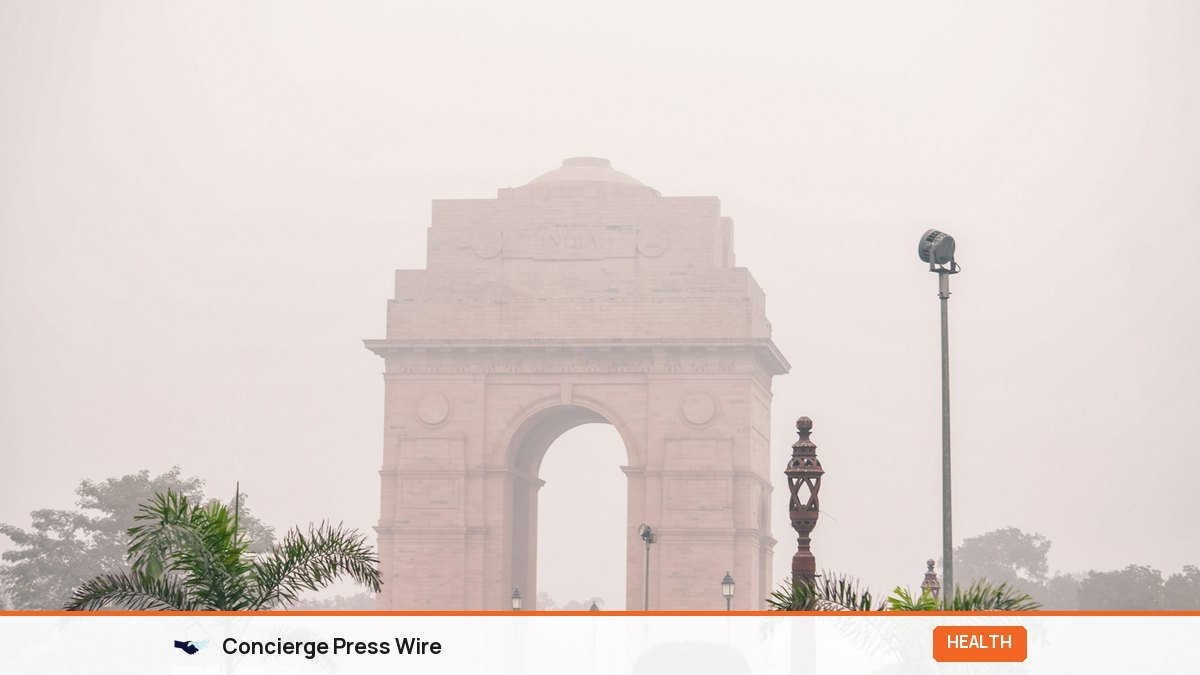
When the AQI in your city crosses 200, India’s official scale calls the air “Poor”, and that is the point where families should start changing daily habits. This guide explains how to read the CPCB Air Quality Index, what each GRAP stage means in Delhi-NCR, and practical steps to protect children, elderly parents and anyone with asthma or heart disease this winter, from masks that actually work to simple indoor habits.
Key Takeaways
- India’s National AQI has six bands: Good (0-50), Satisfactory (51-100), Moderate (101-200), Poor (201-300), Very Poor (301-400) and Severe (401-500).
- In Delhi-NCR, GRAP Stage I starts at Poor, Stage II at Very Poor, Stage III at Severe (401-450) and Stage IV at Severe+ (above 450). A November 2025 revision moved several actions to earlier stages.
- The Health Ministry’s advisory says that on days when the AQI is above 200, people should avoid early-morning and late-evening walks and strenuous outdoor exercise.
- If you use a mask, the ministry advises a well-fitted disposable N95 or N99. Cloth, paper masks and handkerchiefs are not effective.
- Indoor air matters too: skip incense, mosquito coils and any burning inside the house on bad days. If someone has breathing trouble, chest pain or worsening symptoms, see a doctor quickly.
Updated October 2026. This guide is general health information, not medical advice. Children with asthma, elderly people, pregnant women and anyone with heart or lung disease should consult their doctor for a personal plan before the winter peak.
Quick Answer: What to Do at Each AQI Level
This table combines the CPCB health categories with simple family actions. The health descriptions summarise CPCB’s AQI guidance; the actions draw on the Health Ministry’s air pollution advisory.
| AQI | Category | Possible health impact | What families should do |
|---|---|---|---|
| 0-50 | Good | Minimal impact | Normal routine, open windows, outdoor play is fine |
| 51-100 | Satisfactory | Minor breathing discomfort for sensitive people | Normal routine; asthma patients keep inhalers handy |
| 101-200 | Moderate | Breathing discomfort for people with lung or heart disease, children and older adults | Sensitive people cut down long or heavy outdoor exertion |
| 201-300 | Poor | Breathing discomfort for most people on long exposure | Skip early-morning and late-evening walks; move exercise indoors; keep windows shut at those hours |
| 301-400 | Very Poor | Respiratory illness on prolonged exposure | Minimise outdoor time for children and elders; N95 for necessary outings; watch for symptoms |
| 401-500 | Severe | Affects healthy people; serious impact on those with existing disease | Stay indoors as far as possible; avoid all outdoor exercise; follow school and office advisories |
How to Read the AQI the Right Way
The National Air Quality Index, published by the Central Pollution Control Board (CPCB), turns pollutant readings into one number from 0 to 500. It considers up to eight pollutants: PM2.5, PM10, nitrogen dioxide, sulphur dioxide, carbon monoxide, ozone, ammonia and lead. Each pollutant gets a sub-index, and the highest sub-index becomes the AQI. In winter, the deciding pollutant is usually PM2.5, the fine particles small enough to go deep into the lungs.
Where to check your city’s AQI
- CPCB’s official dashboard: The CPCB AQI India portal shows live readings from monitoring stations across the country.
- Sameer app: CPCB’s mobile app gives the AQI for your nearest station and the daily bulletin.
- The nearest station: AQI can vary a lot within one city. A station next to a highway may read far higher than one in a park. Use the station closest to your home and your child’s school.
Why your apps show different numbers
Many international weather apps use the US AQI scale, which has different breakpoints from India’s National AQI. The same air can produce noticeably different numbers on the two scales. Neither is “wrong”. Just compare like with like, and use the Indian scale when you read government advisories, school notices or GRAP orders.
Daily average versus live reading
The official AQI bulletin uses averages over the past 24 hours (8 hours for some gases). Live hourly readings can spike at night and early morning and drop by afternoon. For deciding when to step out, the hourly trend at your nearest station is more useful than yesterday’s average.
Why Air Gets Worse Every Winter
Winter pollution in north India is not one problem. It is several sources hitting at the same time as the weather stops clearing the air.
- Temperature inversion: On cold, still nights a layer of warm air sits above cooler air near the ground and traps pollution close to where we breathe.
- Low wind speed: Calm days mean smoke and dust do not disperse.
- Crop residue burning in parts of Punjab and Haryana after the kharif harvest.
- Vehicle exhaust and road dust, all year round but worse when trapped.
- Construction and demolition dust.
- Burning of garbage, wood and coal for heating, especially at night.
- Firecrackers around Diwali, which falls on Sunday, 8 November in 2026.
This is also why mornings and late evenings are usually the worst times of day, and why the advisory focuses on those hours.
GRAP Stages in Delhi-NCR, Explained
The Graded Response Action Plan (GRAP) is the emergency rulebook for Delhi and the National Capital Region. The Commission for Air Quality Management (CAQM) invokes each stage when Delhi’s AQI reaches, or is forecast to reach, the trigger level, and revokes it when air improves.
| Stage | AQI trigger | Examples of actions |
|---|---|---|
| Stage I | Poor (201-300) | Dust control at construction sites, no open burning of waste, checks on polluting vehicles, water sprinkling. Since the 2025 revision, also steady power supply to cut diesel generator use, extra traffic police at choke points, public pollution alerts and more frequent CNG and electric buses |
| Stage II | Very Poor (301-400) | Tighter limits on diesel generators, higher parking fees to discourage private cars, more metro and bus trips. Since the 2025 revision, staggered timings for government offices in Delhi and nearby NCR cities |
| Stage III | Severe (401-450) | Stop on most construction and demolition, curbs on older petrol and diesel cars in Delhi-NCR, possible hybrid classes for younger students. Since the 2025 revision, 50% staff in offices with the rest working from home |
| Stage IV | Severe+ (above 450) | Entry curbs on non-essential trucks, stop on public infrastructure construction, more classes moved online or hybrid, and further emergency steps decided by state governments |
Each stage adds to the actions of the stages below it. The exact list is long and changes from time to time, so check the current GRAP schedule on the CAQM website rather than relying on social media forwards. GRAP applies to the NCR only. Other cities have their own clean air plans under the National Clean Air Programme, and some issue their own advisories during bad spells.
What GRAP means for your family
- Expect school notices about hybrid or online classes once Stage III or IV is invoked.
- Check whether your car is affected by the vehicle curbs before you plan a drive.
- Offices may announce work from home or staggered timings. Plan childcare in advance.
- Construction work in your society may pause, which can delay home repairs.
Protecting Children
Children breathe faster than adults, spend more time outdoors and have developing lungs. The Health Ministry’s advisory lists children, especially those under five, among the most vulnerable groups.
- Move play indoors on Poor and worse days. Indoor games, dance, skipping in a hall or a covered area are good substitutes.
- Change school-run habits. Avoid waiting at bus stops beside heavy traffic. Wait inside the gate or a car with windows closed and air on recirculation.
- Talk to the school about outdoor assembly and sports on high AQI days. Many schools already follow AQI-based rules.
- Watch for warning signs: persistent cough, wheezing, fast breathing, complaints of chest tightness, or a child who gets tired easily.
- Children with asthma should have an updated action plan from their doctor and carry their inhaler and spacer to school.
- Masks for children: Small children struggle with tight-fitting masks, and masks are not suitable for infants and toddlers. Ask your paediatrician what is right for your child’s age, and focus on reducing exposure instead.
Protecting Elderly Parents and People with Health Conditions
Older adults and people with heart disease, COPD, asthma or diabetes face the highest risk on bad air days. The advisory also names pregnant women and outdoor workers such as traffic police and street vendors.
- Shift the morning walk. On days above AQI 200, walk indoors, in a mall or on a terrace in the afternoon when air is often slightly better.
- Keep medicines stocked and follow the doctor’s instructions on inhalers, nebulisers and heart medicines.
- Know the danger signs: breathlessness at rest, chest pain, palpitations, dizziness, confusion or bluish lips need urgent medical help.
- Keep a written list of medicines and the nearest hospital’s emergency number by the phone.
- Stay warm without smoke. Avoid angithi, coal or wood fires indoors. They add pollution and carry a risk of carbon monoxide poisoning.
Masks: What Works and What Does Not
The Ministry of Health and Family Welfare’s updated advisory on air pollution and health (November 2025) is clear on this. If you choose a mask, a disposable N95 or N99 is useful when used as instructed, mainly for short periods of exposure. Paper masks, handkerchiefs, scarves and cloth masks are not effective against fine particles.
| Option | Protection from PM2.5 | Notes |
|---|---|---|
| N95 or N99 respirator | Good, if it fits well | Must seal around nose and chin; replace as per maker’s instructions |
| Surgical mask | Limited | Gaps at the sides let air in |
| Cloth mask, scarf, dupatta, handkerchief | Not effective | Fine particles pass through or around |
Tips for using an N95 properly
- Choose the right size and press the metal strip to fit your nose.
- Do a fit check: breathe out sharply. If air leaks around the edges, adjust it.
- Men with thick beards will not get a good seal.
- Do not reuse a mask that is wet, damaged or hard to breathe through.
- People with heart or lung disease should ask their doctor before wearing one for long, since it makes breathing a little harder.
Cleaner Air Inside Your Home
Most families spend the majority of winter inside, so indoor air is where you have the most control. The advisory points out that household air pollution also comes from burning wood, coal and kerosene, mosquito coils, incense sticks, cigarettes and sprays.
- Close windows during bad hours, usually early morning and late evening, and open them briefly around midday if outdoor AQI is lower.
- Stop indoor burning on poor air days: agarbatti, dhoop, mosquito coils, candles and sigri. Use electric lamps or a plug-in repellent instead.
- No smoking indoors, not even on the balcony next to an open window.
- Clean with a damp cloth rather than a dry jhadu, which lifts settled dust back into the air.
- Use the kitchen chimney or exhaust fan while cooking, especially when frying.
- Consider an air purifier for the room where children or elders sleep. The advisory suggests following the maker’s guidance and taking expert advice on suitability. Size it to the room and keep the door closed.
- Keep the car on recirculation in heavy traffic and service the cabin air filter before winter.
A Simple Daily Routine for Bad-Air Weeks
| Time | What to do |
|---|---|
| Morning | Check the AQI at your nearest station. Keep windows shut. Skip the outdoor walk if AQI is above 200 |
| School and office travel | N95 for walking or two-wheeler rides; car windows up; avoid waiting next to traffic |
| Afternoon | Air often improves slightly. Ventilate briefly if AQI has dropped |
| Evening | Indoor exercise. No agarbatti or coils. Cook with the exhaust on |
| Night | Purifier in the bedroom if you have one; check medicines for elders |
Frequently Asked Questions
What AQI is safe for children to play outside?
On the Indian scale, Good (0-50) and Satisfactory (51-100) days are fine for normal play. At Moderate (101-200), keep long, heavy activity shorter for sensitive children. Once the AQI goes above 200, move play indoors.
Which mask is best for air pollution in India?
The Health Ministry’s advisory recommends a well-fitted disposable N95 or N99 if you choose to wear a mask. Cloth masks, paper masks, scarves and handkerchiefs are not effective against fine particles.
What are the GRAP stages?
GRAP has four stages for Delhi-NCR: Stage I at Poor AQI (201-300), Stage II at Very Poor (301-400), Stage III at Severe (401-450) and Stage IV at Severe+ (above 450). CAQM invokes and revokes them based on actual and forecast air quality.
Is morning walk safe in winter pollution?
On days when the AQI is above 200, the Health Ministry advises avoiding early-morning and late-evening walks, jogging and strenuous outdoor exercise. Walk indoors or later in the day instead.
Do indoor plants clean the air?
Plants make a room pleasant, but you would need an unrealistic number of them to remove meaningful amounts of PM2.5. Closing windows at bad hours, stopping indoor burning and using a properly sized purifier do far more.
When should I see a doctor?
See a doctor quickly if anyone has breathlessness, chest pain, wheezing that does not settle, persistent cough, or if existing asthma or heart symptoms get worse. Do not wait for the AQI to improve.
A Season to Plan For, Not Panic About
Winter air will not fix itself in a week, but your family’s exposure can drop a great deal with a few habits: check the AQI each morning, move exercise indoors on Poor days, use a proper N95 when you must go out, and keep indoor air free of smoke. Make a plan with your doctor for anyone vulnerable at home, and put it in place before the worst weeks of November and December arrive.