Winter Skin Care for Indian Skin: Dry Skin, Lips and Cracked Heels
A practical peak-winter routine for dry, oily, combination and sensitive Indian skin, with dermatologist-backed fixes for chapped lips and cracked heels.
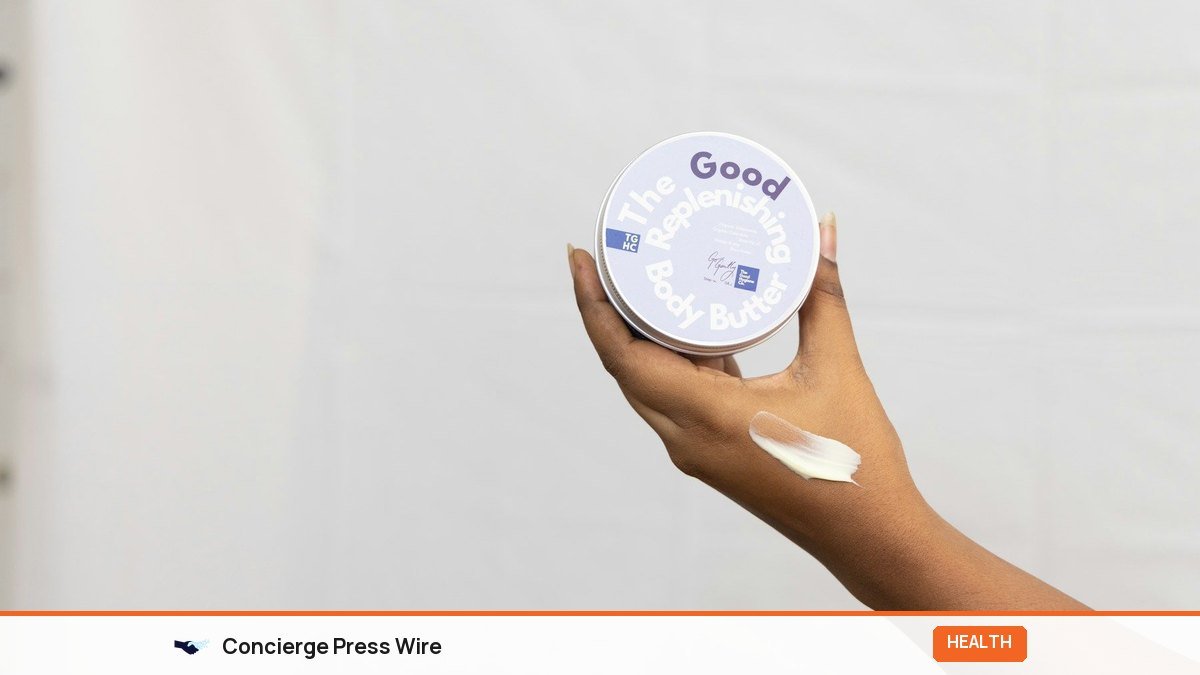
Peak winter is when Indian skin complains loudest: tight cheeks after a hot bath, flaky shins, lips that split at the corners and heels that crack until they hurt. This guide gives you a simple winter routine for each skin type, targeted fixes for lips, hands and heels, and an honest look at which home remedies help and which do more harm.
Updated October 2026.
Quick answer: Keep baths to 5 to 10 minutes in warm (not hot) water, apply a thick cream or ointment within a few minutes of drying off while skin is still damp, use a gentle fragrance-free cleanser, keep wearing sunscreen in the day, and treat lips and heels separately with petroleum jelly and a urea-based foot cream. See a dermatologist if cracks bleed, skin itches badly or nothing improves in two to three weeks.
Key Takeaways
- Hot water and long baths are the biggest winter skin mistake in Indian homes. Warm water and 5 to 10 minutes is enough.
- Moisturise within minutes of bathing, while skin is damp. Creams and ointments work better than thin lotions in cold, dry weather.
- Oily and acne-prone skin still needs a moisturiser in winter. Choose a light, non-comedogenic gel-cream rather than skipping it.
- For cracked heels, the American Academy of Dermatology suggests a cream with 10 to 25% urea after bathing and petroleum jelly at night.
- Lemon, toothpaste, raw garlic and undiluted essential oils are home remedies to avoid on dry or broken skin.
This article is general information, not medical advice. If you have eczema, psoriasis, diabetes or any skin condition, consult a doctor or dermatologist before changing your routine.
Why winter dries out Indian skin
Winter air holds less moisture, so water evaporates from your skin faster. In North India, cold mornings in Delhi, Lucknow, Jaipur or Chandigarh combine with room heaters and blowers that dry indoor air further. In hill towns the air is colder and drier still. Even in milder cities like Pune or Bengaluru, the drop in humidity from November onwards is enough to trigger flaking for people with dry or sensitive skin.
Habits make it worse. Many of us switch to very hot water, take longer baths, scrub harder with soap and stop using sunscreen because it is “not sunny”. Each of those strips the skin barrier, the thin outer layer that holds water in. Once that barrier is damaged, skin feels tight, itches and can crack.
Indian skin tones, from wheatish to deep brown, also have a specific concern: irritation and scratching can leave dark marks (post-inflammatory hyperpigmentation) that last for months. Preventing dryness is easier than fixing those marks later.
The basic winter routine (works for most skin types)
- Bath: 5 to 10 minutes, warm water, bathroom door closed to keep steam in. This is the advice the American Academy of Dermatology gives for relieving dry skin.
- Cleanser: a mild, fragrance-free cleanser, used mainly where needed (underarms, groin, feet). Skip harsh bathing bars on the shins and arms if they feel tight afterwards.
- Dry gently: pat with a towel, do not rub.
- Moisturise immediately: while skin is still slightly damp. Use a cream or ointment rather than a watery lotion.
- Daytime: sunscreen on face, neck and hands if you will be outdoors. Winter sun in India is still strong enough to tan and worsen pigmentation.
- Night: a slightly richer layer on face and any rough patches; lip balm or petroleum jelly on lips.
- Through the day: reapply hand cream after washing hands.
Ingredients worth looking for
Dermatologists commonly suggest moisturisers containing glycerin, hyaluronic acid, ceramides, dimethicone, shea butter, petrolatum, mineral oil or lactic acid. You do not need expensive products. A plain, fragrance-free cream from a pharmacy often works as well as a premium one.
Ingredients to go easy on in winter
Fragrance, alcohol-heavy toners and strong retinoids or acids can sting dry skin. If you use a retinoid for acne or ageing, reduce frequency in peak winter and buffer it with moisturiser, ideally on your dermatologist’s advice.
Winter care by skin type
| Skin type | Common winter problem | What to change |
|---|---|---|
| Dry | Flaking, tightness, itchy shins and arms | Switch to a thick cream or ointment; add petroleum jelly on rough patches at night; shorten baths |
| Oily / acne-prone | Oily T-zone but dry, flaky cheeks; acne treatments sting more | Keep a light, non-comedogenic gel-cream; do not skip moisturiser; reduce harsh scrubs |
| Combination | Dry cheeks, oily nose and forehead | Richer cream on cheeks only; lighter product on T-zone |
| Sensitive | Redness, stinging, rashes from new products | Fewer products, all fragrance-free; patch test anything new on the inner arm for a few days |
| Mature (40+) | Fine lines look deeper, skin feels rough | Richer night cream; gentle cleanser; consistent sunscreen |
A note on body skin
Shins, forearms and the back often get drier than the face, yet get the least care. A large tub of plain moisturising cream applied straight after the bath does more for winter itch than any face serum.
Cracked heels: what actually works
Cracked heels (bivaai in many homes) are partly a winter problem and partly a footwear one. Open-backed chappals, walking barefoot on stone floors and long periods of standing all make the skin on the heel thicken and split.
The American Academy of Dermatology’s advice for dry, cracked heels is straightforward:
- Keep baths to 5 to 10 minutes and use a gentle, fragrance-free cleanser.
- Within five minutes of bathing, apply a cream containing 10 to 25% urea, alpha hydroxy acid or salicylic acid, and reapply whenever heels feel dry.
- At night, apply plain petroleum jelly and consider wearing cotton socks to keep it off the bedsheet.
- During the day, a liquid bandage over deep cracks can reduce pain and keep germs out.
- Avoid open-heeled footwear, worn-down shoes and shoes that do not fit.
Simple 7-day heel routine
- Morning: urea cream after bathing, closed footwear or socks if you can.
- Evening: wash feet, pat dry, apply urea cream.
- Bedtime: petroleum jelly over the heels, cotton socks on.
- Do not cut or pick at hard skin. Do not use blades.
- Check daily for redness, swelling or discharge.
If you have diabetes, treat any heel crack as a medical issue. Reduced sensation and slower healing mean small cracks can become infected. Show your feet to your doctor rather than relying on home care.
Lips, hands, face and scalp
Dry, chapped lips
Lips have no oil glands of their own, which is why they split first. The AAD’s tips for healing chapped lips include:
- Apply a non-irritating lip balm several times a day and before bed; for very dry, cracked lips use a thick ointment such as petroleum jelly.
- Outdoors, use a lip balm with SPF 30 or higher and reapply every two hours.
- Stop licking, biting or peeling your lips. Saliva evaporates and leaves them drier.
- Avoid lip products that sting or tingle. Camphor, menthol, eucalyptus, peppermint, cinnamon and citrus flavours can irritate.
- Drink enough water, and use a humidifier in the bedroom if you breathe through your mouth at night.
Most chapped lips improve within two to three weeks with this routine. If cracks at the corners of the mouth keep coming back, see a doctor, as this can have other causes.
Hands
Frequent hand washing, washing utensils and handling cold water all dry the hands. Keep a small tube of hand cream near the sink and use it every time you wash. Wear rubber gloves for dishes and household cleaning.
Face
If your face feels tight after washing, your cleanser is too strong or the water too hot. Wash with lukewarm water, apply moisturiser on damp skin, and use sunscreen in the day. Avoid scrubbing flaky patches away. Let moisturiser soften them instead.
Scalp
Winter often brings flaking. Very hot water on the head and heavy oiling left on for days can make some scalps worse. If flaking is persistent or itchy, a dermatologist can tell you whether it is simple dryness or dandruff that needs a medicated shampoo.
Babies and older family members
Infants and elderly people have thinner, more fragile skin and feel winter dryness first. Keep their baths short and warm, use a plain fragrance-free moisturiser after every bath, and dress them in soft cotton under woollens. Traditional oil massages for babies are common in Indian homes; if your baby has eczema, rashes or very sensitive skin, ask your paediatrician which oil or cream to use rather than experimenting.
Home remedies: what to try and what to skip
Indian kitchens are full of traditional skin remedies. Some are reasonable emollients; others irritate. Patch test anything on a small area first, and stop if it stings, itches or turns red.
| Remedy | Verdict | Why |
|---|---|---|
| Plain coconut oil on body or lips | Usually fine | Works as an emollient for many people; some acne-prone faces may break out, so use on the body first |
| Malai or ghee on lips | Use with caution | Can soften lips but may go rancid; petroleum jelly is cleaner and cheaper |
| Aloe vera gel | Patch test first | Soothing for some, irritating for others; choose fragrance-free gel or plain plant gel |
| Besan or ubtan scrubs | Go gentle | Rubbing dry skin with any scrub can worsen flaking; use rarely and softly |
| Lemon juice | Avoid | Acidic and irritating, especially on cracked skin and lips, and can make skin more sensitive to sun |
| Toothpaste on cracks or spots | Avoid | Contains irritants not meant for skin |
| Raw garlic or undiluted essential oils | Avoid | Can cause burns and allergic rashes |
| Very hot oil massage | Avoid hot | Warm oil is fine; hot oil can burn and further dry the skin |
Lifestyle habits that make a difference
- Room heaters: do not sit too close, and keep a bowl of water in the room or use a humidifier if you can. Clean humidifiers regularly to prevent mould.
- Clothing: wool directly on skin can itch. Wear a soft cotton layer underneath.
- Water: people drink less in winter because they feel less thirsty. Keep a bottle nearby.
- Laundry: a strongly fragranced detergent can irritate sensitive skin. Try a milder one if you itch.
- Sleep and diet: a balanced diet with seasonal vegetables, nuts and seeds supports overall health, though no single food will cure dry skin.
When to see a dermatologist
- Cracks that bleed, ooze or show signs of infection.
- Itching that disturbs sleep, or red, scaly patches that spread.
- Dryness that does not improve after two to three weeks of a consistent routine.
- Any foot wound if you have diabetes.
- A product that burns or stings every time you use it.
Conditions like eczema (atopic dermatitis), psoriasis and fungal infections can look like simple winter dryness but need proper treatment.
Frequently Asked Questions
Is it okay to bathe with hot water in winter?
Warm water is fine; very hot water strips oils from the skin and worsens dryness. Keep baths short, around 5 to 10 minutes, and moisturise straight after.
Do I need sunscreen in winter in India?
Yes, if you spend time outdoors. Winter sun can still tan skin and worsen dark spots, and snow or water reflection in the hills adds more exposure. Use it on face, neck and the backs of hands.
Can oily skin skip moisturiser in winter?
No. Oily and acne-prone skin can still lose water and feel tight, especially with acne treatments. Use a light, non-comedogenic gel-cream instead of a heavy one.
What is the fastest way to heal cracked heels?
A cream with 10 to 25% urea after bathing, petroleum jelly with cotton socks at night, and closed footwear during the day. Most people see improvement within a couple of weeks. People with diabetes should see a doctor for any crack.
Is coconut oil good for winter dryness?
For many people it works well as a body and lip moisturiser. Patch test first, and be cautious on an acne-prone face.
Why do my lips crack at the corners every winter?
Dry air and licking the lips are common causes, but repeated splits at the corners can also come from infections or other issues. If they do not heal in two to three weeks, see a doctor.
Small habits, softer skin
Winter skin care does not need a ten-step routine. Shorter warm baths, moisturiser on damp skin, a lip ointment and a urea cream for heels solve most problems for most people. Start tonight, stay consistent through January, and get professional help early if anything bleeds, spreads or refuses to settle.