Diwali Safety Tips: Firecracker Burns, Eye Injuries, Pets and Asthma
What to do in the first ten minutes after a cracker burn or eye injury, plus how to protect children, asthma patients, pets and your home this Diwali.
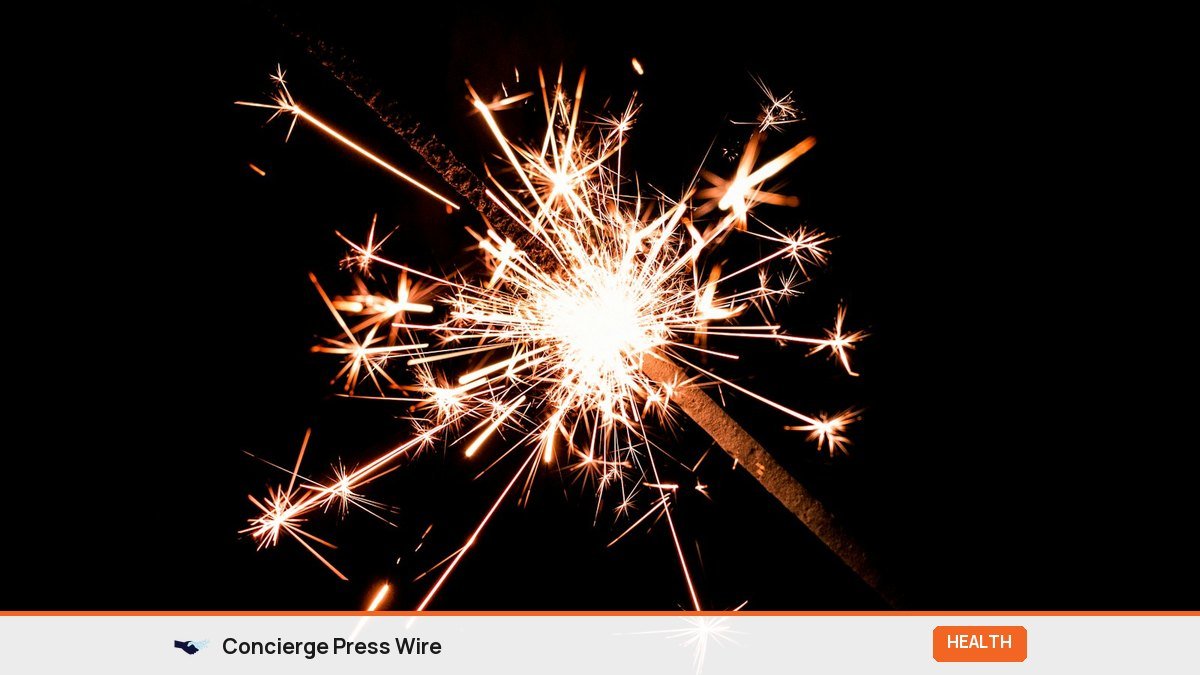
Most Diwali injuries happen in the same few ways every year: a sparkler held too close, a phuljhadi wire dropped barefoot, an anar that bursts at face level, a dupatta that touches a diya. This guide tells you exactly what to do in the first ten minutes after a burn or eye injury, how to protect children, elderly parents, people with asthma and pets, and how to fire-proof your home for Diwali on Sunday, 8 November 2026.
Key Takeaways
- For a burn, cool it under cool running tap water for about 20 minutes. Do not apply ice, toothpaste, butter, oil or haldi paste.
- For an eye injury from a cracker, do not rub the eye and do not try to remove anything stuck in it. Shield it and go to an eye emergency immediately.
- Keep a bucket of water, a bucket of sand and a first-aid box within reach wherever crackers are lit.
- People with asthma or COPD should keep inhalers handy, stay indoors with windows shut during peak bursting hours, and follow their doctor’s action plan.
- India’s single emergency number is 112. Fire is 101; ambulance is 108 or 102 in most states.
Updated October 2026. This is general safety information, not medical advice. For any serious burn, eye injury or breathing problem, consult a doctor or go to the nearest hospital immediately.
Diwali 2026 safety quick reference
| Situation | Do this first | Never do this |
|---|---|---|
| Small burn on hand or finger | Cool running water for about 20 minutes, remove rings | Ice, toothpaste, butter, oil, haldi |
| Clothes catch fire | Stop, drop and roll; smother with a blanket | Running, which fans the flames |
| Spark or dust in the eye | Blink, rinse gently with clean water | Rubbing the eye |
| Object stuck in the eye | Cover loosely with a paper cup, go to hospital | Pulling it out, pressing on the eye |
| Asthma attack | Reliever inhaler as per action plan, sit upright, move to clean air | Lying flat, waiting it out if not improving |
| Pet panicking | Quiet inner room, curtains closed, owner nearby | Tying the pet outside during bursting |
| Fire inside the house | Get everyone out, call 101 or 112 | Using water on an electrical or oil fire |
Before you light a single cracker
Most injuries are prevented in the ten minutes before bursting starts. Set up the space like this:
- Choose an open area: a terrace, an empty plot or the society’s designated spot, away from parked vehicles, dry leaves, hanging wires and building entrances.
- Keep two buckets ready: one with water (for dunking used sparklers and duds) and one with sand.
- Wear cotton: synthetic fabrics such as polyester and nylon melt onto skin when they catch fire. Loose dupattas and flared lehengas should be tucked or pinned.
- Wear closed footwear: hot sparkler wires and cracker debris on the ground cause many foot burns.
- Use a long agarbatti or a long-handled lighter, not a matchstick held close to the fuse.
- Read the label and buy only from a licensed shop. Green crackers carry a CSIR-NEERI logo and QR code; our guide to green crackers rules for Diwali 2026 explains what is allowed and the time windows in different states.
- Keep the first-aid box out, not in a cupboard: clean cling film, sterile gauze, a pair of scissors, paracetamol, and any inhalers family members use.
Rules while bursting
- Light one cracker at a time, then step back at least a few metres.
- Never bend over a cracker while lighting it. Light it at arm’s length, from the side.
- Never relight a dud. Wait several minutes, then pour water on it and leave it in the bucket.
- Never hold an anar (flower pot) or a rocket in your hand, and never point rockets at buildings or people.
- Never put crackers in tins, bottles or pipes “for a bigger sound”. This turns them into shrapnel.
- Put used sparklers wire-down into the water bucket. The wire stays hot long after the sparks stop.
- One sober adult should be in charge and not lighting anything themselves.
Firecracker burns: first aid step by step
The NHS and the World Health Organization give the same core advice: cool the burn with cool running water quickly and for long enough. The WHO burns fact sheet says about 20 minutes is commonly advised for smaller burns, and specifically warns against ice, oils, butter, toothpaste and traditional pastes. That last point matters in India, where toothpaste and haldi on burns are common household habits.
- Stop the burning. Move the person away from the source. If clothing is on fire: stop, drop and roll, or smother the flames with a blanket or a thick cotton bedsheet.
- Cool the burn. Hold it under cool (not ice-cold) running tap water for about 20 minutes. If there is no tap, pour clean water from a bottle or use a wet cloth, changing it often. The NHS burns guidance says cooling helps even if started up to three hours after the burn.
- Remove rings, bangles, watches and tight clothing near the burn before swelling starts. Do not pull off anything that is stuck to the skin.
- Keep the person warm. Cool the burn, not the whole body. Small children and elderly people chill quickly.
- Cover loosely. Lay clean cling film over the burn, or use a clean non-fluffy cloth. Do not wrap cling film tightly around a limb.
- Pain relief. Paracetamol can help adults. For children, check the dose with a doctor or pharmacist.
- Do not burst blisters, and do not apply creams until a doctor has seen any burn that is larger than a small coin.
When to go to hospital immediately
- The burn is larger than the person’s palm, or is deep (white, leathery or charred skin, sometimes with little pain).
- The burn is on the face, eyes, hands, feet, joints or genitals.
- The person is a young child, elderly, pregnant or has diabetes.
- There is any coughing, hoarse voice, soot around the nose or mouth, or difficulty breathing after smoke exposure.
- The burn was caused by electricity or chemicals.
Call 112 or 108 for an ambulance, or have someone else drive. The person with the burn should not drive themselves.
Eye injuries from crackers
Eye injuries are the most frightening Diwali emergencies because the damage can be permanent, and bystanders are hurt nearly as often as the people lighting crackers. The two rules are simple: do not rub, and do not remove.
| Type of injury | What to do |
|---|---|
| Smoke, ash or a speck of dust | Blink several times. Rinse gently with clean water, holding the eye open. If it still hurts or vision is blurred, see a doctor. |
| Chemical or powder from a cracker | Rinse with clean, lukewarm (not hot) water for at least 20 minutes, keeping the eye open, then go to an eye hospital. |
| Object stuck in the eye | Do not pull it out. Tape a paper cup or the bottom of a cut plastic glass over the eye without pressing. Go to an emergency room immediately. |
| Blow to the eye or cut eyelid | Do not press on the eye. Cover it lightly and go to hospital. |
The NHS eye injuries page also lists warning signs that need emergency care: changes in vision, severe pain, sensitivity to light, inability to open or move the eye, or blood or pus from the eye. Do not put ointments or eye drops in an injured eye unless a doctor tells you to. Most big cities have government eye hospitals with 24-hour emergency services during Diwali; save the number of the nearest one in advance.
Prevention tip: children and anyone standing close should wear plain safety glasses or even regular spectacles. They cost little and stop most flying debris.
Asthma, COPD and air quality during Diwali
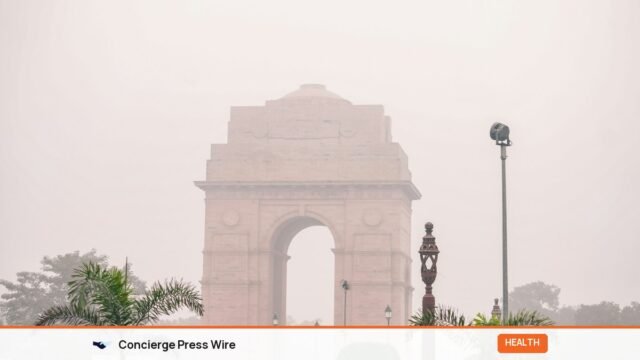
Air quality in many North Indian cities is already poor in early November because of winter conditions and crop residue burning, and cracker smoke adds a sharp spike on Diwali night. For people with asthma, COPD, heart disease, or for pregnant women, small children and the elderly, a few precautions help:
- Keep reliever inhalers and spacers in your pocket, not in a drawer, from Dhanteras to Bhai Dooj.
- Talk to your doctor before the festival if your asthma has been unstable. Ask whether your controller medicines need adjusting.
- Stay indoors with windows and doors shut during peak bursting hours, usually 7 PM to midnight.
- Run an air purifier in one room, if you have one, and keep that room as the “clean air room”.
- Avoid outdoor morning walks on the day after Diwali, when smoke often hangs low.
- Use an N95 mask if you must step out; cloth masks do little for fine particles.
Signs that need urgent care: breathlessness that does not improve with the reliever, lips turning bluish, inability to speak in full sentences, or chest pain. For a fuller household plan, see our guide on protecting your family from winter air pollution.
Keeping pets calm and safe
Dogs and cats hear sounds far more sharply than we do, and many panic during cracker bursts. Lost pets are common after Diwali night.
- Walk dogs early in the evening, before bursting starts, and keep them on a leash even in the society compound.
- Prepare a quiet inner room with curtains drawn, a fan or TV on for background noise, water and the pet’s bed.
- Make sure collars carry a tag with your phone number.
- Do not tie dogs outside or on the balcony during bursting.
- Never let children tie crackers to animals or throw them near street dogs and cows. It is cruel and is an offence under animal cruelty law.
- If your pet is severely anxious every year, talk to a vet a week before Diwali, not on the night.
- Check under parked cars before starting them: street cats and puppies often hide there when scared.
Fire safety at home: diyas, candles, lights and the kitchen
Not every Diwali fire starts with a cracker. Diyas, candles, electrical lighting and long hours of kitchen frying are equally common causes.
Diyas and candles
- Place diyas on a steel plate or brick, never directly on wooden furniture or near curtains.
- Keep diyas off staircases and narrow doorways where saris and dupattas brush past.
- Never leave diyas burning in an empty room or when everyone is asleep.
- Keep matchboxes and lighters out of children’s reach.
Electrical lighting
- Use ISI-marked serial lights and extension boards. Cheap unbranded strings are a frequent cause of short circuits.
- Do not plug several heavy loads (heater, iron, lights) into one extension board.
- Switch off decorative lights when you go out or go to sleep.
- Keep outdoor lights and connections away from rain and water tanks.
Kitchen
- Never leave a kadhai of hot oil unattended while making snacks.
- If oil catches fire, switch off the gas and cover the kadhai with a lid or a damp (not dripping) thick cloth. Never pour water on burning oil.
- Check the gas cylinder hose and regulator before the cooking marathon starts.
Fire extinguisher basics
A small ABC-type dry powder extinguisher handles most home fires. Remember PASS: Pull the pin, Aim at the base of the fire, Squeeze the handle, Sweep side to side. If the fire is bigger than a dustbin, or the room fills with smoke, get everyone out, close the door behind you, and call 101 or 112.
Diwali emergency numbers and a home first-aid kit
| Service | Number |
|---|---|
| National emergency (police, fire, ambulance) | 112 |
| Fire | 101 |
| Ambulance | 108 (most states) or 102 |
| Police | 100 (redirects to 112 in many states) |
Write these, plus your family doctor’s number and the nearest hospital with a burns unit and eye emergency, on a card stuck to the fridge. Your Diwali first-aid kit should hold: cling film, sterile gauze pads, a clean cotton bedsheet, medical tape, scissors, paracetamol, any regular inhalers, saline or clean bottled water, and a torch.
Frequently Asked Questions
Should I put toothpaste on a cracker burn?
No. Toothpaste, butter, oil, haldi and ice can all trap heat or irritate the skin and raise infection risk. The WHO advises cool running water for about 20 minutes instead.
How long should I keep a burn under water?
About 20 minutes of cool running water is the usual advice for smaller burns. Keep the rest of the body warm, especially for children.
What should I do if a spark goes into the eye?
Do not rub the eye. Rinse gently with clean water. If something is stuck in the eye, do not try to remove it; cover the eye loosely and go to an eye emergency at once.
Are sparklers safe for small children?
Sparkler tips burn extremely hot, and young children cannot judge distance well. If children hold one, an adult should stand beside them, they should wear closed shoes and cotton clothes, and used sparklers should go straight into a water bucket.
How can I protect someone with asthma during Diwali?
Keep their reliever inhaler at hand, keep them indoors with windows shut during peak bursting hours, run an air purifier if available, and follow the action plan their doctor has given. Seek urgent care if breathlessness does not settle.
What number should I call for a Diwali fire?
Call 101 for the fire brigade or 112, India’s single emergency number, which connects to police, fire and ambulance services.
A safer Diwali night, start to finish
Set up buckets before the first cracker, dress in cotton, keep one adult in charge, and treat every burn with water rather than home remedies. Put the emergency numbers on the fridge today and check where your nearest eye and burns emergency is. Diwali is on 8 November, which leaves enough time to buy safety glasses, an extinguisher and a proper first-aid kit. A few minutes of preparation is what keeps the night about lights, sweets and family.