Why Blood Pressure Rises in Winter and How to Manage It
Cold weather, less activity and salty festive food push blood pressure up in winter. Here is how to keep it in check, measure it at home and spot warning signs.
Blood pressure tends to rise in winter because cold makes blood vessels narrow, people move less, and winter food in India is saltier and heavier. This guide explains why it happens, who should be most careful, practical changes to salt, food and activity, how to measure BP correctly at home, and the warning signs that need urgent medical help.
Key Takeaways
- Cold temperatures make blood vessels constrict, which raises blood pressure; reduced activity, salty festive food and weight gain add to it.
- Older adults and people already on BP medicines are most likely to see their readings creep up between November and February.
- The WHO advises adults to keep salt below 5 g a day, about one level teaspoon in total, including salt in pickles, papad and namkeen.
- At home, a reading of 135/85 or higher on repeated measurements is generally considered high; clinics use 140/90.
- Severe headache with chest pain, breathlessness, one-sided weakness or slurred speech is an emergency: call 108 or 112.
Updated November 2026. This article is general information, not medical advice. Please consult your doctor before changing any medicine, diet or exercise plan, especially if you already have high blood pressure, heart disease, diabetes or kidney disease.
How common is high blood pressure?
According to the World Health Organization’s hypertension fact sheet, an estimated 1.4 billion adults aged 30 to 79 had hypertension in 2024, about a third of that age group. Roughly 44% of people with hypertension do not know they have it, and only about 23% have it under control. High blood pressure usually causes no symptoms, which is why it is called a silent condition, and why a winter rise often goes unnoticed until a check-up.
Why blood pressure rises in winter
Cold narrows blood vessels
When your skin senses cold, the body conserves heat by constricting the small blood vessels near the surface. Narrower vessels mean the heart has to push harder to move the same amount of blood, and pressure goes up. This is a normal response, but in someone whose BP is already borderline, it can tip readings into the high range. Early mornings, when temperatures are lowest and the body’s natural morning rise in BP also happens, are the most noticeable time.
Less movement
Morning walks get skipped when Delhi, Lucknow or Jaipur are foggy at 6 AM. Fewer steps, more time under a razai, and longer screen time all reduce the regular activity that helps keep blood pressure in check.
Winter food and festivals
The Indian winter calendar is full of food: weddings, Diwali leftovers, Christmas, New Year, Lohri, Makar Sankranti. Typical winter dishes such as parathas with butter, pakoras, sarson ka saag with extra salt, gajak, chikki, laddoos, and the steady supply of namkeen add salt, fat and calories. Pickles and papad, which are high in salt, appear at more meals.
Weight gain and drinking
Many people gain a kilo or two over the winter. Extra weight raises blood pressure. Alcohol intake also tends to rise in wedding and party season, and alcohol raises BP.
Less sunlight, more stress
Shorter days, poor sleep, year-end work deadlines and family events all add stress. Stress hormones push BP up temporarily, and poor sleep makes it harder to control.
Who should be most careful
- Adults over 60, whose blood vessels are stiffer and react more to cold.
- People already diagnosed with hypertension, especially if readings were only just controlled in summer.
- People with diabetes, kidney disease or a history of heart attack or stroke.
- Smokers and those who drink regularly.
- People with obesity or a family history of early heart disease.
- Outdoor workers and those living in unheated homes in North India and hill states.
If you are in any of these groups, ask your doctor at your next visit whether your medicine dose or monitoring plan should change in winter. Do not change the dose yourself.
If you already take BP medicines
Winter is a good time for a medicine review with your doctor rather than a reason to self-adjust. Take tablets at the same time every day, set a phone reminder, and carry enough stock when travelling for weddings or holidays, since a missed week of tablets is a common reason readings jump. Avoid over-the-counter cold and flu remedies that contain decongestants, and some painkillers, without asking your doctor or pharmacist first, because some of them can raise blood pressure. If you feel dizzy when standing up, especially in the morning, tell your doctor; that can mean the dose needs a review too, in either direction.
Cut salt without making food bland
The WHO’s healthy diet guidance recommends adults keep salt intake below 5 g a day, which corresponds to 2 g of sodium. That is about one level teaspoon in total for the whole day, including the salt already in packaged and restaurant food. Most Indian households exceed this easily.
| Swap this | For this | Why it helps |
|---|---|---|
| Achaar with every meal | Fresh chutney of mint, coriander, amla or tomato with little salt | Pickles are very high in salt |
| Fried papad | Roasted papad, occasionally, or a salad | Papad is salted dough; frying adds fat |
| Packaged namkeen and bhujia | Roasted chana, makhana or peanuts with no added salt | Namkeen is high in salt and fat |
| Extra salt at the table | Lemon, black pepper, amchur, jeera powder | Sour and spicy flavours reduce the urge for salt |
| Instant noodles and soups | Home-made vegetable soup or dal | Instant packets carry a lot of sodium |
| Processed cheese and sauces | Paneer, curd, home-made green chutney | Lower sodium per serving |
Practical habits that work in Indian kitchens:
- Add salt at the end of cooking, not at the start. You use less.
- Do not keep a salt shaker on the dining table.
- Read labels: sodium is listed per 100 g. Multiply by 2.5 to estimate salt.
- Rock salt (sendha namak) and black salt are still salt. They are not safe in larger amounts.
- Reduce salt gradually over two to three weeks; taste buds adjust.
Eat for steady blood pressure in winter
Winter is the best season for vegetables in India, which helps. Build plates around:
- Seasonal greens: palak, methi, bathua, sarson, cooked with less oil and salt.
- Vegetables and fruit: carrots, beetroot, peas, cauliflower, oranges, guava, amla. These provide potassium, which helps balance sodium (people with kidney disease should ask their doctor about potassium).
- Whole grains and millets: bajra, jowar, ragi rotis instead of only refined flour.
- Pulses: dal, rajma, chana, in normal portions.
- Healthy fats in moderation: a small handful of nuts rather than fried snacks.
Enjoy winter sweets such as gajak and laddoos, but treat them as a small portion, not a daily habit of several pieces.
Stay active when it is cold
- Move the walk later. If early mornings are very cold or foggy, walk at 9 or 10 AM, or after lunch in the sun. Sudden exposure to cold air during heavy effort strains the heart.
- Exercise indoors. Brisk walking inside the house, climbing stairs, skipping, yoga or a 20-minute home workout video all count.
- Aim for regular, moderate activity. A common target is 150 minutes a week of moderate activity such as brisk walking, spread over most days. Start lower if you are unfit and check with your doctor.
- Warm up longer. Spend 5 to 10 minutes warming up in winter before anything strenuous.
- Dress in layers. Cover your head, ears, neck and hands when you go out early.
- Avoid sudden heavy exertion in the cold. Lifting heavy loads or running hard on a cold morning without warming up is a known trigger for heart problems in at-risk people.
Keep the body warm at home
- Keep the bedroom reasonably warm. If you use a heater, ventilate the room and never use a coal angithi or sigri in a closed room, because of carbon monoxide risk.
- Wear socks and a warm layer at night, especially elderly family members.
- Do not step from a warm quilt straight into a cold bathroom. Wear a shawl and slippers, and use warm (not very hot) water for bathing.
- Drink enough water. People drink less in winter, and warm water, soups and herbal teas help.
How to measure blood pressure correctly at home
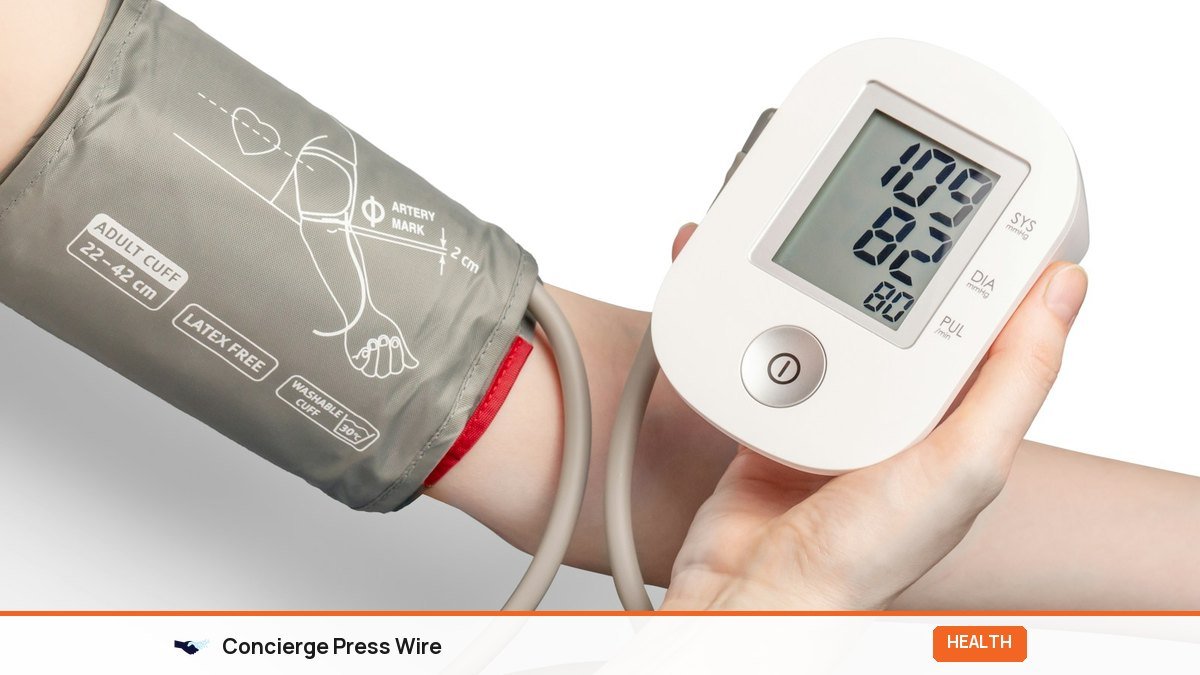
A home BP monitor is one of the most useful things a family with an elderly member can own. Choose an automatic upper-arm monitor with the right cuff size; wrist monitors are less reliable for most people. Then follow this routine:
- No tea, coffee, smoking or exercise for 30 minutes before.
- Empty your bladder and sit quietly for 5 minutes in a chair with back support.
- Feet flat on the floor, legs uncrossed.
- Rest your arm on a table so the cuff is at heart level. Put the cuff on bare skin, not over a sweater.
- Do not talk during the reading.
- Take 2 readings one minute apart and note both.
- Measure in the morning before medicines and breakfast, and in the evening, for 7 days before a doctor visit.
Keep a simple log like this and take it to your doctor:
| Date | Time | Reading 1 | Reading 2 | Notes |
|---|---|---|---|---|
| 15 Nov | 7:30 AM | 138/88 | 134/86 | Cold morning, before medicine |
| 15 Nov | 8:00 PM | 128/82 | 126/80 | After dinner walk |
The numbers above are only an example of how to fill the log.
What the numbers mean
| Reading | General meaning |
|---|---|
| Below 120/80 | Normal for most adults |
| 120-139 / 80-89 | Above normal; lifestyle changes and monitoring |
| 135/85 or higher at home (repeatedly) | Generally considered high on home readings |
| 140/90 or higher at a clinic, on two different days | Hypertension by WHO criteria |
| 180/120 or higher | Very high; contact a doctor promptly, urgently if there are symptoms |
Different guidelines draw these lines slightly differently, and your doctor may set a personal target based on your age and other conditions. The NHS high blood pressure page uses 140/90 for clinic readings and 135/85 for home readings, for example.
Warning signs that need urgent help
High BP usually has no symptoms. But some symptoms mean you should call an ambulance (108 or 112) or go to an emergency department immediately:
- Chest pain or pressure, especially spreading to the arm, neck, jaw or back, or with sweating or breathlessness
- Sudden weakness or numbness of the face, arm or leg, especially on one side
- Slurred speech, confusion or trouble understanding
- Sudden blurred or lost vision
- Sudden, severe headache unlike any before
- Severe breathlessness
Remember the stroke signs with FAST: Face drooping, Arm weakness, Speech difficulty, Time to call for help. Do not wait to “see if it settles”.
Frequently Asked Questions
Is it normal for BP to be higher in winter?
Yes, many people see somewhat higher readings in colder months. That does not mean it should be ignored. If your readings rise into the high range, talk to your doctor; some people need a medicine adjustment in winter.
Should I increase my BP medicine in winter on my own?
No. Never change the dose or stop a medicine without your doctor’s advice. Keep a home BP log and show it to your doctor, who can decide whether a change is needed.
Is morning walk bad for high BP in winter?
Walking is good for blood pressure. The concern is very cold, early outings with sudden effort. Walk a little later in the morning, dress warmly and warm up first. Ask your doctor if you have heart disease.
Does sendha namak raise BP less than normal salt?
Rock salt and black salt are still mostly sodium chloride. They do not make it safe to eat more salt. Keep total salt below about 5 g a day.
Are wrist BP monitors accurate?
Upper-arm monitors are generally preferred because they are more reliable for most people. Use a validated device with the right cuff size, and take it to your clinic once to compare with the doctor’s reading.
Can drinking more water lower blood pressure?
Staying hydrated helps your body work normally, but water alone does not treat hypertension. Salt reduction, activity, weight control, limiting alcohol and prescribed medicine are what make the real difference.
Small habits for a steadier winter
You cannot control the weather, but you can control the salt shaker, the timing of your walk, the warmth of your bedroom and whether you actually check your numbers. Put a BP monitor where the family can see it, log readings for a week each month this winter, and share the log with your doctor. A slow rise caught in December is far easier to manage than one found after a scare.