Creme Fraiche Guide: Definition, Uses, Recipes, and Expert Tips
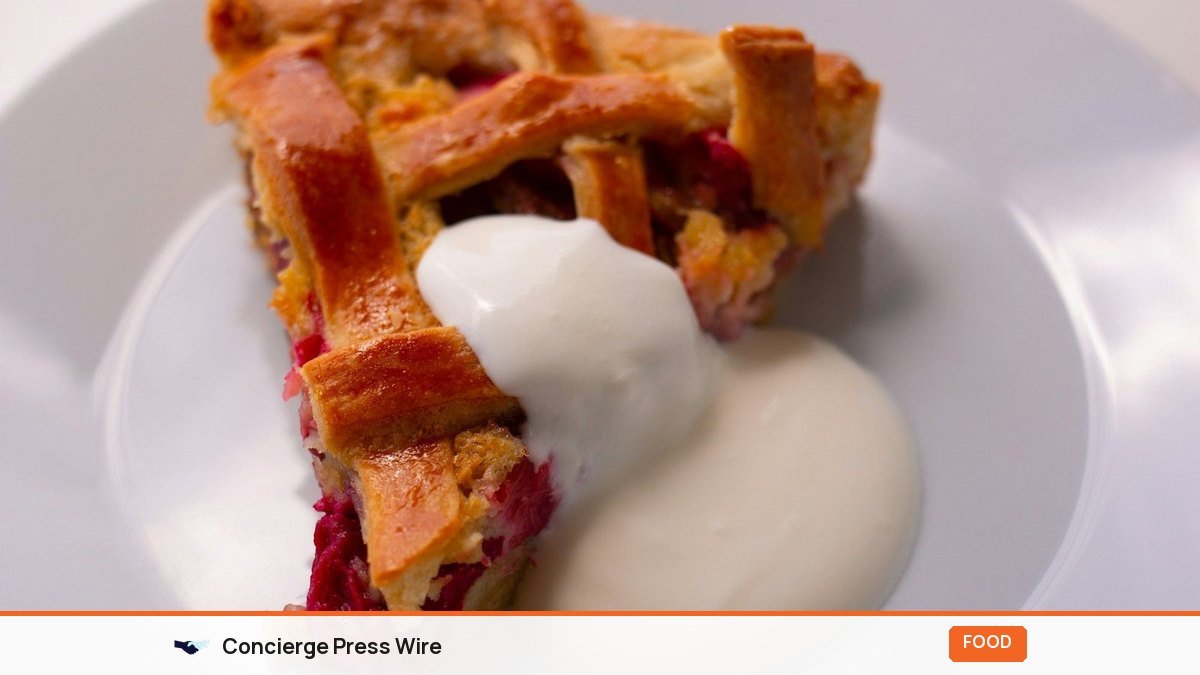
Creme fraiche is a luxurious, tangy, and creamy dairy product widely used in French cuisine and increasingly in home cooking worldwide. Often compared to sour cream but richer and milder, creme fraiche adds depth, creaminess, and culinary applications, health aspects, storage tips, and must-try recipes. By the end, you’ll understand why this creamy indulgence deserves a spot in your pantry and how to elevate everyday meals with its smooth, tangy flavor.
What Is Creme Fraiche?
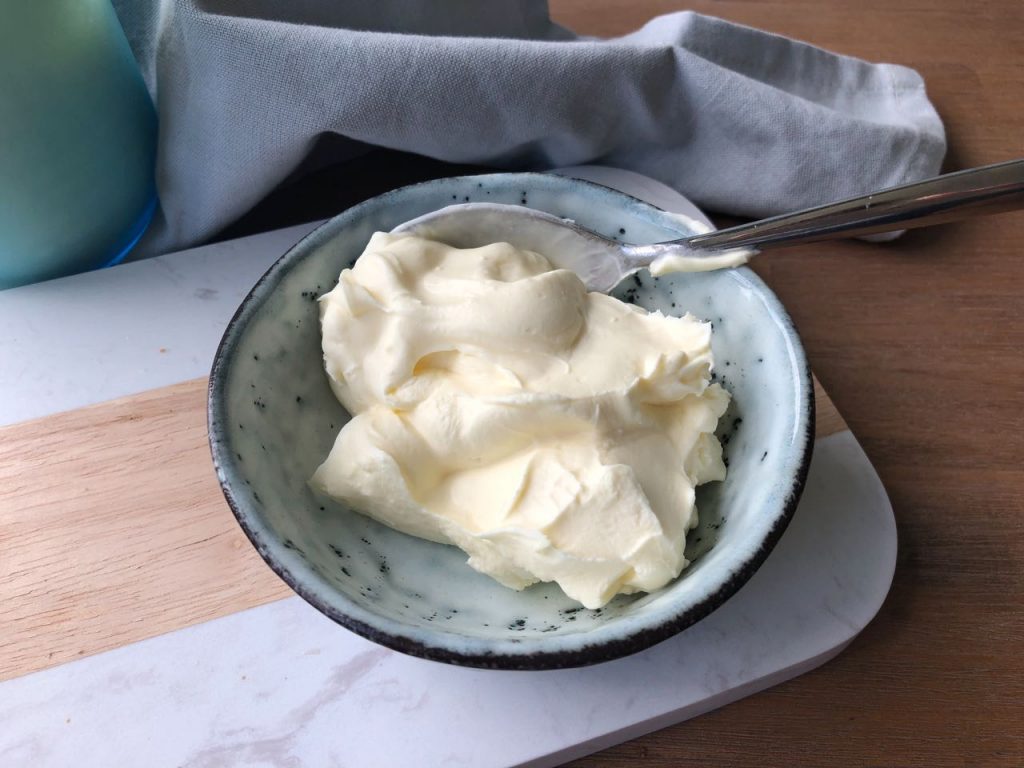
Creme fraiche is a cultured cream made by adding bacterial cultures to heavy cream, resulting in a rich, slightly tangy product with a high-fat content (30–40%). Unlike sour cream, it has a milder acidity, a thicker texture, and can withstand higher cooking temperatures without curdling, making it ideal for sauces, soups, and baking.
It is traditionally French but now widely available in supermarkets globally. Its smooth texture and subtle tang make it suitable for both finishing a dish or incorporating directly into recipes.
Pro Tip: If unavailable, a mixture of heavy cream and buttermilk can mimic creme fraiche at home.
History and Origins
Creme fraiche originated in France centuries ago as a way to preserve cream using natural fermentation. French cooks noticed that allowing fresh cream to naturally sour created a product with a longer shelf life and a unique flavor. Over time, it became a staple in both rustic and haute cuisine.
Its traditional method involves culturing heavy cream at room temperature until it thickens, giving it the distinct tang and velvety texture we love today.
Culinary Uses of Creme Fraiche
1. In Sauces and Soups
Creme fraiche can be stirred into hot soups or sauces without curdling due to its high-fat content.
Example:
- Add a dollop to mushroom soup for a creamy finish.
- Stir into pan sauces with wine or stock for richness.
Cooking Tip: Add creme fraiche off the heat to preserve its texture and tang.
2. As a Dessert Component
Creme fraiche pairs beautifully with fruits, desserts, and pastries. Its slight tang balances the sweetness in cakes, tarts, and chocolate desserts.
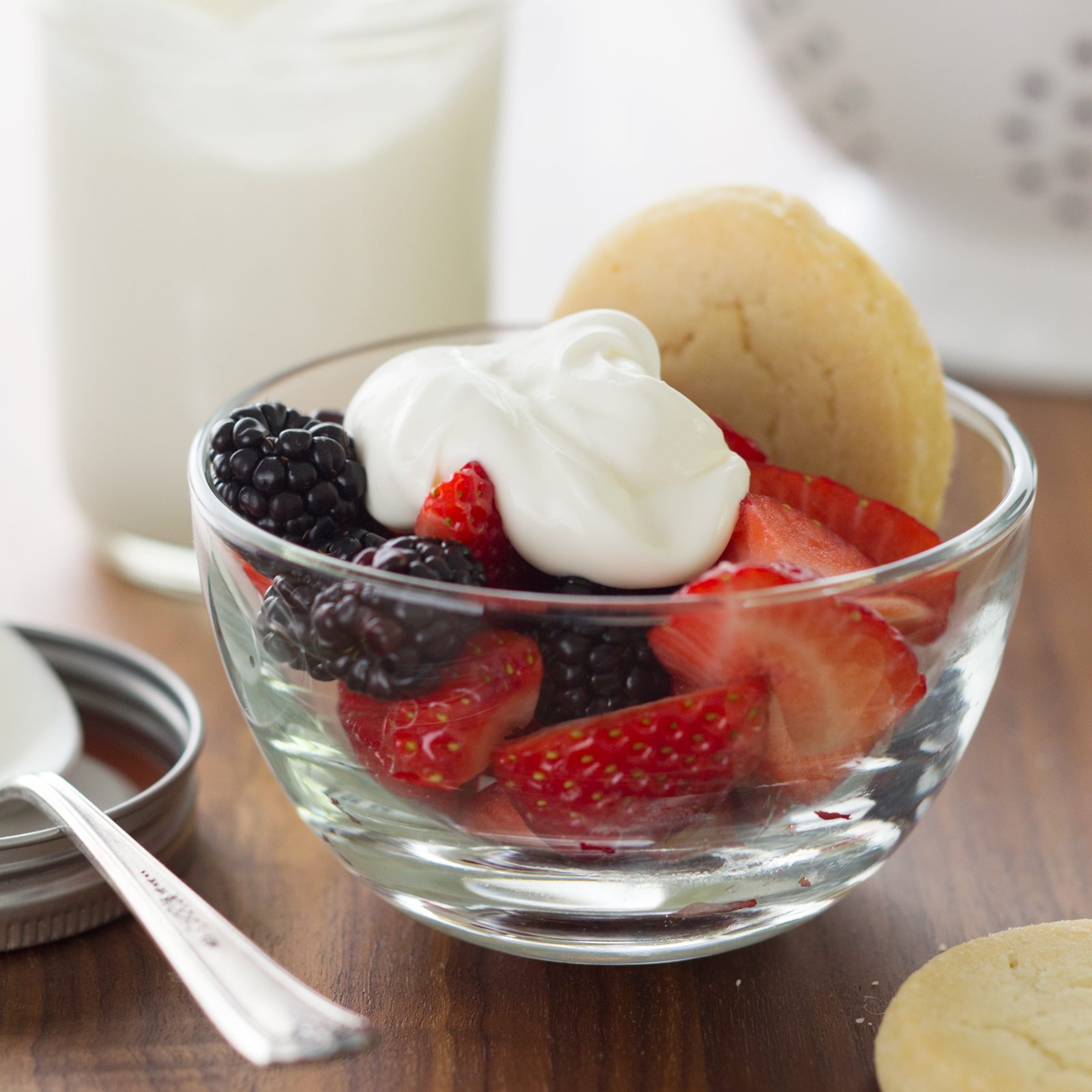
Example: Serve a spoonful over poached pears or alongside fresh berries.
3. In Baking
Substitute creme fraiche for butter or yogurt in baked goods to add moistness and richness.
Tip: Use creme in scones, pound cakes, and muffins for a soft, tender crumb.
4. In Savory Dishes
Creme fraiche is excellent in savory applications, from scrambled eggs to roasted vegetables, and can be used in dips or as a topping for baked potatoes.
Example: Mix fraiche with herbs for a tangy dip.
Health Benefits of Creme Fraiche
While creme fraiche is high in fat, it also contains beneficial nutrients:
- Calcium: Supports bone health.
- Protein: Contributes to muscle maintenance.
- Probiotics: Cultured creme fraiche may contain beneficial bacteria aiding digestion.
Note: Moderation is key due to its high-calorie content. Using small amounts can enhance flavor without excessive calories.
Creme Fraiche vs Sour Cream
| Fat Content | 30–40% | 18–20% |
| Taste | Mild, slightly tangy | Tangier, more acidic |
| Cooking Use | Can simmer, add to sauces | Can curdle if boiled |
| Texture | Thick, smooth | Softer, less stable |
Pro Tip: Choose creme fraiche for high-heat recipes and a milder flavor profile.
How to Store Creme Fraiche
- Keep refrigerated at 2–5°C (36–41°F).
- Typically lasts 2–3 weeks unopened.
- Once opened, consume within 5–7 days for best flavor and safety.
- Freeze only if necessary; texture may change slightly upon thawing.
Making Creme Fraiche at Home
Ingredients
- 1 cup heavy cream
- 2 tablespoons buttermilk
Instructions
- Combine cream and buttermilk in a clean jar.
- Refrigerate for 8 hours to thicken.
Pro Tip: Stir gently before use; flavor improves after a day or two in the fridge.
Top Creme Fraiche Recipes
1. Fraiche Pasta Sauce
- Heat creme fraiche with garlic, parmesan, and herbs for a creamy, tangy pasta sauce.
2. Herb and Creme Dip
- Mix creme fraiche with chives, dill, and lemon zest for a fresh dip.
3. Roasted Vegetables with Creme
- Toss roasted vegetables with a spoonful of creme fraiche for creaminess and subtle tang.
4. Cheesecake
- Replace some cream cheese with creme fraiche for a smoother, slightly tangy cheesecake.
5. Salmon with Creme Fraiche
- Serve poached or smoked salmon with a creme and dill sauce.
6. Fruit Tarts with Fraiche
- Use creme fraiche instead of custard for a rich, tangy filling in fruit tarts.
7. Soup Garnish
- Top pumpkin or carrot soup with a dollop of fraiche for creaminess and flavor contrast.
8. Scrambled Eggs
- Fold in creme fraiche at the end of cooking for velvety, creamy eggs.
9. Creme Mashed Potatoes
- Substitute butter or cream with fraiche for richer, tangy mashed potatoes.
10. Chocolate Mousse
- Fold creme fraiche into chocolate mousse for extra creaminess and subtle acidity.
Tips for Cooking with Fraiche
- Add at the End: To preserve texture and tang, add creme fraiche off-heat whenever possible.
- Balance Flavors: The mild tang complements both sweet and savory ingredients.
- Experiment with Herbs: Combine with fresh herbs like chives, tarragon, or dill for enhanced flavor.
- Substitute Wisely: Heavy cream or yogurt can replace creme fraiche in some recipes, but flavor and texture may differ.
- Use in Layers: For desserts, layer creme fraiche with fruit or sponge cake for a luxurious texture.
Mini-Summary
Creme fraiche is a versatile ingredient with a mild tang, rich texture, and applications across cooking, baking, and desserts. It can elevate dishes from simple roasted vegetables to gourmet desserts. Understanding its properties, storage, and cooking methods allows home cooks to harness its full potential.
Conclusion
creme fraiche is a kitchen essential that adds creaminess, flavor, and subtle tang. Its unique properties make it ideal for both sweet and savory applications. Whether purchased from a store or made at home, creme fraiche is a simple yet sophisticated way to enhance everyday meals. Incorporating it thoughtfully can transform ordinary dishes into memorable culinary experiences.
FAQs
- What is creme fraiche used for?
It is used in sauces, soups, desserts, dips, and baked goods to add creaminess and mild tang. - Can creme fraiche replace sour cream?
Yes, but it has a milder tang and higher fat content, making it suitable for cooking and baking. - How do I store creme fraiche?
Keep refrigerated, use within 5–7 days after opening, and avoid contamination with dirty utensils. - Can I make creme fraiche at home?
Yes, mix heavy cream with buttermilk and let it culture at room temperature for 12–24 hours. - Is creme fraiche healthy?
It provides calcium, protein, and potentially beneficial probiotics but is high in fat, so moderation is key. - Can creme fraiche be cooked without curdling?
Yes, due to its high-fat content, it withstands higher cooking temperatures better than sour cream.
Related guides
References
- the origins of creme fraiche — how it differs from sour cream.
- BBC Good Food — tested recipes using it.