Healthy Chinese Food: Delicious Choices for a Balanced Lifestyle
Healthy Chinese food is absolutely possible—with the right cooking techniques, menu choices, and portion strategies, Chinese cuisine can be both flavor-packed and nutrient-dense without excess oil, sugar, or sodium. Traditional Chinese eating patterns emphasize vegetables, tofu, seafood, and modest portions, aligning well with heart-healthy principles when prepared thoughtfully. This guide explains how to order and cook smarter, which dishes naturally fit a balanced lifestyle, how to keep sodium and calories in check, and how traditional dietary patterns can support overall well-being.
Why Chinese Food Can Be Healthy
Traditional Chinese diets focus on vegetables, soy foods like tofu, and seafood, all linked with lower cardiovascular risk when sodium and added fats are controlled. Research-inspired meal patterns adapted to Chinese cuisines have shown meaningful blood-pressure reductions when fiber goes up, potassium increases, and sodium comes down.
Is Chinese Food Healthy? Short Answer: Yes—If Prepared Right
Many restaurant versions add excessive oil, fried batters, and sugary sauces, but choosing steamed, boiled, baked, or lightly sautéed dishes flips the script. Portion awareness matters too, because a single takeout entrée can equal multiple servings, so plating one cup and saving the rest curbs calories and sodium.
Core Principles for Healthier Choices
- Prefer fast stir-fries, steaming, and boiling to retain nutrients with minimal oil and time on heat.
- Build flavor with garlic, ginger, and chili; they add aroma and nutrition without heavy sauces.
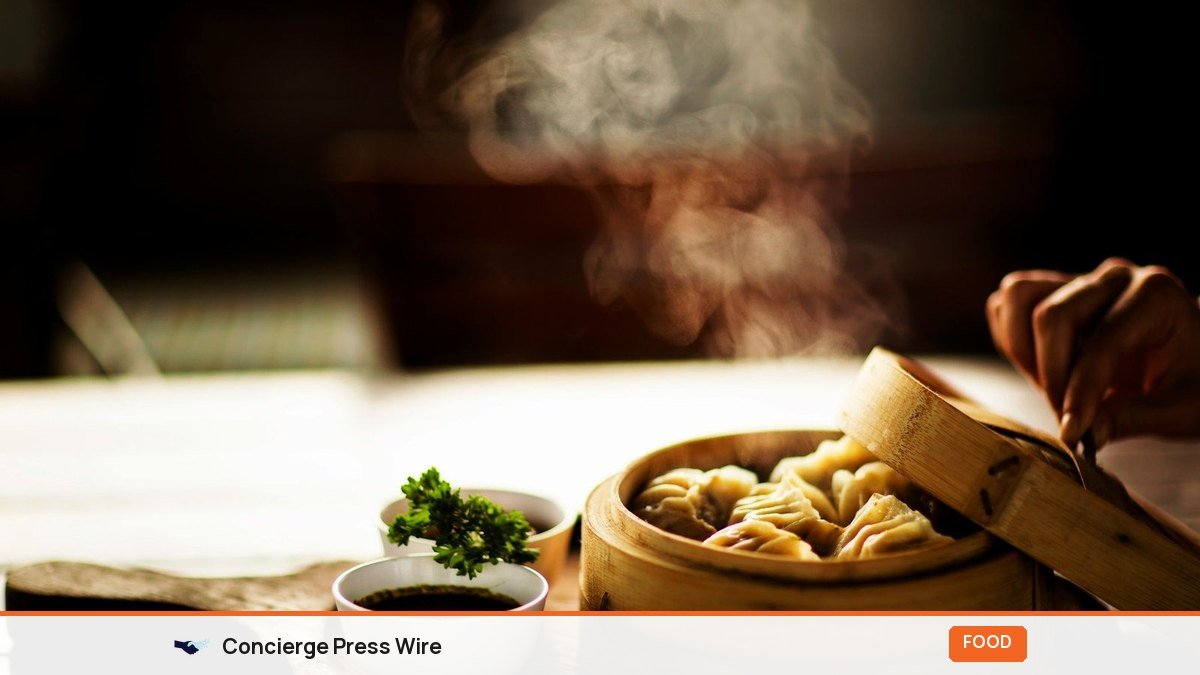
- Embrace dim sum and steamed options for satisfying bites with fewer fried calories.
Ordering Healthier Chinese Takeout: A Playbook
- Scan for steamed, baked, or sautéed dishes; avoid battered and deep-fried entrées to cut added fat and starch.
- Choose veggie-forward sides like steamed greens, egg drop or hot-and-sour soup, and brown rice instead of fried rice or lo mein.
- Plate about one cup of entrée and save the rest; most orders contain two to four servings.
Dietitian-Approved Dishes and Why They Work
- Shrimp with Broccoli: Lean protein plus crucifers for fiber and phytochemicals; add steamed vegetables to increase volume.
- Szechuan or Mapo Tofu: Protein-rich soy with anti-inflammatory aromatics like garlic, ginger, and chili; customize spice to preference.
- Steamed Fish and Vegetables: High-quality protein, gentle cooking, and light seasoning keep sodium and fat in check.
Seven Healthier Chinese Dishes to Consider
- Steamed Dumplings (Jiaozi): Lean fillings like chicken, shrimp, or tofu, and vegetables; steaming trims excess fat.
- Vegetable-Focused Stir-Fries: Quick-cook method preserves texture and nutrients; use modest oil.
- Steamed Greens with Garlic: Simple, mineral-rich sides that complement lean proteins without heavy sauces.
- Clear Soups (Egg Drop, Hot & Sour): Light starters that add protein and satiety with fewer calories.
- Moo Goo Gai Pan: Lean chicken with mixed vegetables offers volume and protein without heavy batter.
- Shrimp with Lobster Sauce: Protein-forward and often lighter than cream-based dishes; pair with extra veggies.
- Beef and Broccoli: Familiar, balanced; request light sauce and add steamed vegetables.
Cooking at Home: Health-First Techniques
- Stir-Fry Smarter: High heat and quick cooking mean crisp vegetables with less oil and better nutrient retention.
- Flavor Foundations: Garlic, ginger, and chilis create depth without relying on sugar or heavy sauces.
- Go Steamed: Fish, dumplings, and greens stay tender and clean-tasting, reducing fat and sodium by default.
Smart Sauce Strategy (Sodium and Sugar)
- Ask for light sauce or a smaller amount; even light soy is ~500 mg sodium per tablespoon, so use sparingly.
- Prioritize aromatics and vinegar for brightness; these reduce dependence on salt or sugar for flavor impact.
- Balance plates with steamed sides to dilute overall sodium per bite across the meal.
Portioning and Plate Math That Actually Helps
- Most takeout entrées contain two to four cups; plating one cup (about 200–240 g) reduces calorie and sodium load immediately.
- Pair one cup entrée with one cup steamed vegetables and a half-cup brown rice for a filling, balanced plate.
- Save leftovers for lunch to space out sodium intake across the day rather than in one meal.
Traditional Chinese Diet Patterns and Health
A systematic review notes that traditional Chinese diet features rice, leafy greens like bok choy and cabbage, with regional differences (more seafood and pork in the south; more wheat foods in the north). Overall, greater adherence tends to be inversely associated with obesity risk and weight gain, though results for other outcomes are mixed and definitions vary across studies.
Evidence Spotlight: Heart-Healthy Chinese Diet (CHH)
In a randomized feeding trial, a cuisine-based Chinese Heart-Healthy diet reduced sodium by about 2000 mg/day and doubled fiber, producing blood pressure reductions comparable to antihypertensives. The approach adjusted energy sources toward more protein, increased potassium, and more fruits and vegetables, all while maintaining familiar flavors and variety.
Building a Healthier Chinese Plate (At Home or Takeout)
- Half Plate Vegetables: Use mixed greens, bok choy, broccoli, or mushrooms to add fiber and micronutrients.
- Quarter Protein: Choose tofu, shrimp, fish, or lean chicken; skip battered proteins to avoid added starch and oil.
- Quarter Whole Grains: Opt for brown rice or a smaller portion of white rice; avoid fried rice to reduce oils and eggs.
Practical Flavor Swaps That Keep It Satisfying
- Use aromatics, black vinegar, and chili oil sparingly to lift flavor with minimal sodium.
- Thicken lightly with cornstarch only when needed; over-thickening adds unnecessary carbs.
- Build heat gradually; spiciness can enhance perceived flavor and satisfaction without more salt.
Healthiest Starters and Sides (What to Pick)
- Better Picks: Egg drop or hot-and-sour soup, steamed edamame, cucumber salad, steamed or sautéed greens.
- Rethink These: Fried rice, lo mein, crab rangoon, and egg rolls tend to stack calories and fat early in the meal.
- Brown Rice Advantage: More fiber and nutrients than white rice, supporting fullness and steady energy.
When to Choose Tofu, Fish, or Shrimp
- Tofu: Plant protein with favorable fats; works in spicy Szechuan styles or gentle braises.
- Fish: Steams beautifully with ginger and scallions, bringing protein with minimal fat and sodium.
- Shrimp: Lean protein rich in selenium; pair with broccoli or mixed vegetables for fiber.
Healthy Dim Sum and Small Bites
- Go Steamed: Har gow and vegetable dumplings satisfy without deep-frying.
- Fillings Matter: Lean meats, shrimp, and vegetables keep calories and saturated fat modest.
- Balance the Basket: Add steamed greens or a light soup to round out the meal without overload.
Sodium Smarts Without Losing Flavor
- Ask for light soy and use sparingly; swapping to light soy can cut sodium per tablespoon by roughly 40% versus regular.
- Seek naturally savory elements—mushrooms, fermented black beans in moderation, and sesame for aroma rather than salt.
- Spread sodium across the day; don’t stack a high-sodium takeout dinner on top of salty snacks or lunches.
Common Pitfalls (And Simple Fixes)
- Pitfall: Assuming “stir-fried” is always light; heavy velveting and sugary sauces can push calories up. Fix: Request minimal oil and avoid overly sweet sauces.
- Pitfall: Over-portioning by eating from the container. Fix: Plate one cup and add steamed vegetables.
- Pitfall: Defaulting to fried rice or lo mein. Fix: Choose steamed brown rice or extra greens.
Micro Case Notes: How Small Tweaks Add Up
- Switching regular to light soy and halving sauce can slash hundreds of milligrams of sodium in a single meal.
- Replacing lo mein with a double order of steamed greens often trims hundreds of calories while boosting fiber and potassium.
- Asking for extra vegetables in entrées like shrimp with broccoli increases volume and satiety for the same protein cost.
Healthy Chinese Cooking at Home: Recipe Ideas
- Mapo Tofu (Lean Version): Use less oil, lean ground meat or all-tofu, plus plenty of Sichuan peppercorns for punch without extra sodium.
- Five-Spice Pork Chops with Ginger Pan Sauce: Keep portions modest and pair with steamed greens and brown rice.
- Weeknight Stir-Fry: Pick a lean protein, two to three vegetables, and finish with ginger-garlic and a splash of vinegar.
Balanced Indulgence: Enjoying Favorites Mindfully
- If craving orange chicken or sweet-and-sour, split it across two to three meals and add a side of steamed vegetables.
- Choose one indulgence per meal—either a fried appetizer or a sweeter sauce, not both—to manage overall calories and sodium.
- Start with soup to improve fullness and naturally limit over-ordering.
Cultural Sensitivity in Ordering
Some restaurants may not prefer “sauce on the side”; consider asking for “light sauce” or “extra vegetables” to respect kitchen practices. Framing requests around more vegetables and modest oil keeps flavor integrity while aligning with health goals.
Mini Summary: What Works Best
- Use fast, high-heat techniques and steamed sides to keep nutrients and textures on point.
- Choose tofu, fish, or shrimp with lots of vegetables; be mindful about sauces and sodium.
- Plate sensible portions and stretch entrées across meals to manage calories and salt.
Conclusion: Healthy Chinese Food Is Flavor-First and Sustainable
With classic techniques, vegetable-forward dishes, and mindful sauces, healthy Chinese food can be deeply satisfying and nutritionally strong for everyday eating. Whether ordering in or cooking at home, small choices—steaming instead of frying, light sauce, extra greens—build a long-term pattern that supports heart health and weight management without sacrificing joy.
References
- background on Chinese regional cuisine — how the regional styles differ.
- USDA FoodData Central — verified nutrient data.
FAQs
- Is Chinese food healthy?
Yes—when choosing steamed, boiled, baked, or lightly sautéed dishes, emphasizing vegetables and lean proteins, and keeping portions and sauces in check, Chinese food can be very healthy. - What are the healthiest Chinese takeout options?
Steamed fish and vegetables, shrimp with broccoli, tofu-based dishes, egg drop or hot-and-sour soup, and steamed dumplings are strong choices that deliver protein and fiber with fewer fried calories. - How can sodium be reduced with Chinese food?
Ask for light or less sauce, use light soy sparingly, add extra vegetables, and spread intake by plating one serving and saving the rest; light soy can be roughly 500 mg sodium per tablespoon. - What sides pair best for healthy Chinese meals?
Steamed or sautéed vegetables, brown rice in modest portions, and light soups like egg drop or hot-and-sour support satiety and reduce added oils. - Are traditional Chinese diet patterns good for weight?
Greater adherence to traditional Chinese diet patterns is generally associated with lower obesity risk and less weight gain, though definitions vary across studies. - Healthy Chinese food for vegetarians or vegans?
Tofu dishes like Szechuan tofu or vegetable-forward stir-fries deliver plant protein and fiber; pair with steamed greens and manage sauce amounts for better balance. - Quick rule of thumb for healthy Chinese food?
Pick steamed or lightly sautéed entrées, pack the plate with vegetables, control sauce, and portion one cup of entrée per meal to keep calories and sodium reasonable.