Eggless Christmas Plum Cake Recipe (With or Without Rum)
A moist eggless plum cake for Christmas, with two ways to soak the fruit, oven and cooker methods, and clear storage times for each version.
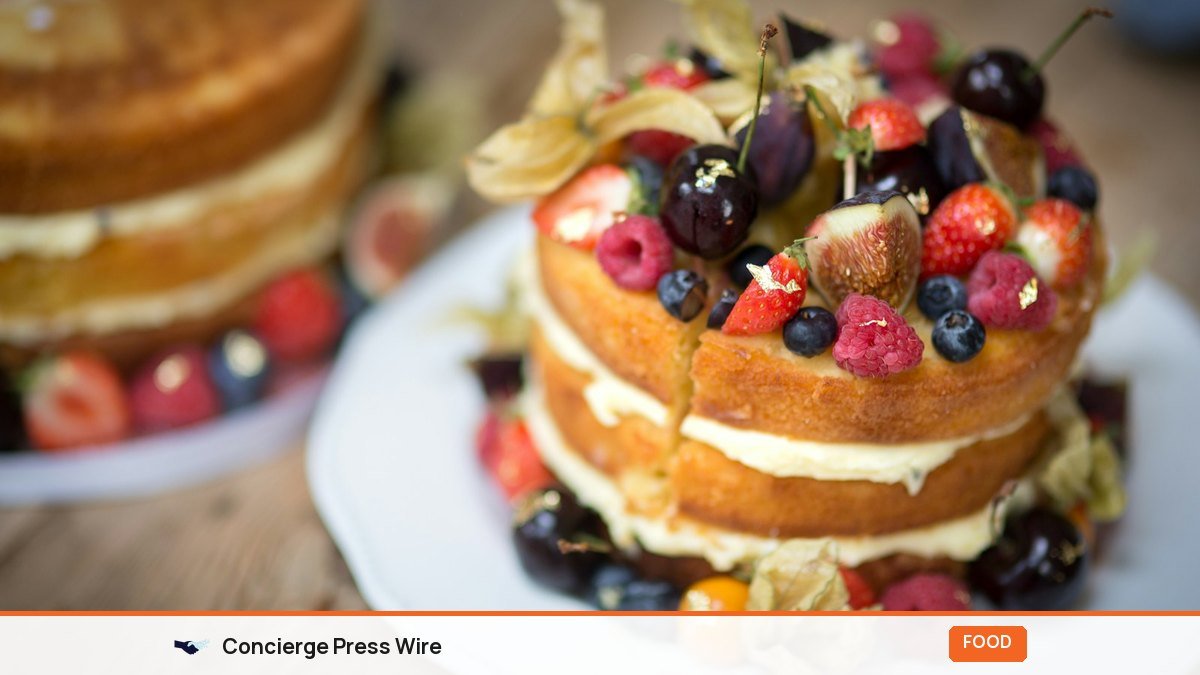
This eggless Christmas plum cake uses condensed milk and curd instead of eggs, a quick caramel for the dark colour, and dry fruits soaked either in rum or in orange and grape juice. You will find two soaking methods, exact quantities for one 8-inch cake, oven and pressure cooker methods, and clear storage times for both the alcohol and alcohol-free versions.
Key Takeaways
- Condensed milk plus curd gives a moist, tight crumb without eggs; baking powder and soda together give the lift.
- Soak fruit in rum or brandy for anywhere from 24 hours to several weeks, or in orange or grape juice for 8 to 24 hours in the fridge.
- A simple sugar caramel gives the deep brown colour that Kerala-style plum cakes are known for.
- Bake at 160°C for 55 to 65 minutes, or in a pressure cooker without the whistle and gasket for 60 to 75 minutes on low heat.
- An alcohol-fed cake keeps for a few weeks in a cool place; the juice version is best within 4 to 5 days at room temperature or about 10 days in the fridge.
Updated November 2026. If you want to serve this on 25 December, start soaking the fruit by the first week of December for the rum version, or two days before baking for the juice version.
Recipe at a glance
| Item | Detail |
|---|---|
| Makes | One 8-inch round cake or one 9 x 5 inch loaf, about 1.1 kg |
| Serves | 12 to 14 slices |
| Soaking time | 8 hours to 4 weeks, depending on method |
| Prep time | 30 minutes |
| Bake time | 55 to 65 minutes (oven); 60 to 75 minutes (cooker) |
| Oven temperature | 160°C (conventional); 150°C if fan-forced |
| Difficulty | Easy to moderate |
Ingredients
For soaking the dry fruits (300 g in total)
- 75 g golden raisins (kishmish)
- 50 g black raisins
- 50 g pitted dates, chopped
- 40 g tutti frutti
- 30 g dried figs (anjeer), chopped
- 30 g candied orange peel
- 25 g glace cherries, halved
- Soaking liquid: 150 ml dark rum or brandy, or 120 ml fresh orange juice plus 80 ml black grape juice
- Zest of 1 orange
For the caramel
- 80 g sugar
- 60 ml hot water
For the batter
- 190 g maida (or 120 g maida plus 70 g whole wheat atta)
- 1 teaspoon baking powder
- ½ teaspoon baking soda
- ¼ teaspoon salt
- 1½ teaspoons mixed spice (see below)
- 200 g sweetened condensed milk (half a standard 400 g tin)
- 100 g unsalted butter, softened (or 90 ml neutral oil)
- 50 g brown sugar or powdered jaggery
- 120 g thick curd, whisked smooth
- 60 ml milk, at room temperature
- 1 teaspoon vanilla extract
- 60 g chopped nuts: cashews, almonds and walnuts
Mixed spice
Grind together 1 teaspoon cinnamon, ½ teaspoon dry ginger powder (sonth), ¼ teaspoon nutmeg, 4 cloves and the seeds of 3 green cardamoms. Use 1½ teaspoons in the cake and keep the rest for the next batch. Freshly ground spice makes a noticeable difference to the aroma.
Step 1: Soak the dry fruits
With alcohol (rum or brandy)
- Put all the dry fruits and the orange zest in a clean, dry glass jar.
- Pour over 150 ml rum or brandy. The fruit should be just covered; add a little more if needed.
- Close tightly and keep in a cool, dark cupboard. Shake the jar every two or three days.
- Minimum soak: 24 hours. Best: one to four weeks. Many families soak fruit for Christmas from November, and some keep a jar going all year, topping it up.
Use a dry spoon every time you take fruit out. Moisture from a wet spoon is the main reason soaked fruit develops mould.
Without alcohol (juice soak)
- Warm 120 ml orange juice and 80 ml black grape juice until just hot, not boiling.
- Pour over the dry fruits and orange zest in a bowl and mix well.
- Cool, cover and refrigerate for 8 to 24 hours. The fruit will plump up and absorb most of the juice.
- Do not keep juice-soaked fruit for more than two days. Unlike alcohol, juice does not preserve fruit and it can start to ferment.
Short of time? Simmer the fruit with the juice for 5 minutes, cover and leave for 2 hours. It works, though the flavour is less deep.
Soaking methods compared
| Method | Soak time | Where to keep | Flavour | Cake keeps for |
|---|---|---|---|---|
| Rum or brandy | 24 hours to 4+ weeks | Cool cupboard | Deep, rich, slightly boozy | 3 to 4 weeks, longer if fed |
| Orange and grape juice | 8 to 24 hours | Fridge | Fruity, lighter, child-friendly | 4 to 5 days at room temperature; about 10 days in fridge |
| Quick simmer in juice | 2 hours | Counter, then use | Fresh, mild | Same as juice soak |
| Cold black tea | Overnight | Fridge | Slightly tannic, less sweet | Same as juice soak |
A note on alcohol: baking does not remove all the alcohol from a cake, and feeding afterwards adds more. If you are serving children, someone who avoids alcohol for religious or health reasons, or someone who is pregnant, make the juice version.
Step 2: Make the caramel
The caramel gives plum cake its dark colour and a gentle bitter-sweet edge.
- Put 80 g sugar in a heavy-bottomed pan on medium heat. Do not stir; swirl the pan instead.
- When the sugar melts and turns dark amber, like strong tea, take the pan off the heat.
- Stand back and slowly pour in 60 ml hot water. It will splutter.
- Return to low heat and stir until any hard bits dissolve. Cool completely.
Stop at dark amber. If it goes black and smells burnt, start again; burnt caramel will make the whole cake bitter.
Step 3: Prepare the tin and the batter
- Prepare the tin. Grease an 8-inch round tin (3 inches deep) or a 9 x 5 inch loaf tin and line the base and sides with butter paper. For a long bake, a double layer on the sides stops the edges from drying.
- Preheat the oven to 160°C for at least 15 minutes.
- Sift the dry ingredients. Sift maida, baking powder, baking soda, salt and mixed spice together twice.
- Coat the fruit. Drain the soaked fruit, keeping any leftover liquid. Toss the fruit and nuts with 2 tablespoons of the flour mixture. This helps stop them sinking.
- Cream butter and sugar. Beat the softened butter and brown sugar for 2 to 3 minutes until pale. If using oil, simply whisk it with the sugar.
- Add the wet ingredients. Beat in the condensed milk, then the whisked curd, vanilla and the cooled caramel. The mixture may look slightly split; that is fine.
- Combine. Fold in the flour in three parts, alternating with the milk and any leftover soaking liquid. Mix only until no dry flour shows. Overmixing makes the cake dense and tunnelled.
- Add the fruit and nuts. Fold them in evenly. The batter should be thick but drop off the spatula; add a spoon or two of milk if it is stiff.
- Fill the tin. Spread the batter evenly and tap the tin twice on the counter. Make a slight dip in the centre so the cake rises flat.
Step 4: Bake in the oven or a pressure cooker
Oven method
- Bake on the middle rack at 160°C for 55 to 65 minutes.
- After 35 to 40 minutes, if the top is browning too fast, cover it loosely with foil or butter paper.
- The cake is done when a skewer in the centre comes out clean (a little sticky fruit is fine, wet batter is not) and the top springs back.
- Cool in the tin for 20 minutes, then turn out onto a rack and cool completely before wrapping.
Ovens in Indian kitchens, particularly small OTGs, often run hotter or cooler than the dial shows. An inexpensive oven thermometer is the single best fix for cakes that burn outside and stay raw inside.
Pressure cooker or kadhai method
No oven? A 5-litre aluminium pressure cooker or a heavy kadhai works well for this cake.
- Remove the gasket (rubber ring) and whistle. You are using the cooker as a closed oven, not cooking under pressure.
- Create a base. Spread 1½ cups of salt or sand on the bottom and place a stand or ring on top. The tin must not touch the base directly.
- Preheat with the lid closed on medium heat for 10 minutes.
- Bake. Place the tin on the stand, close the lid and bake on the lowest flame for 60 to 75 minutes. Use a smaller tin (a 7-inch round that fits the cooker) and do not open the lid for the first 45 minutes.
- Test with a skewer. If the middle is still wet, continue in 10-minute bursts.
- Throw the salt away afterwards or keep it only for baking; do not cook food with it.
Cooker bakes do not brown the top as much. If you want colour, brush the top with a little warm jam or the leftover soaking liquid once the cake is out.
Step 5: Feed, wrap and store the cake
Feeding (alcohol version only)
Once the cake is completely cool, poke holes with a skewer and brush 1 to 2 tablespoons of rum or brandy over the top. Wrap and repeat every 5 to 7 days until you serve it. Two or three feedings over two weeks is plenty for most tastes.
Storage guide
| Version | Room temperature (cool, dry) | Fridge | Freezer |
|---|---|---|---|
| Rum-soaked and fed | 3 to 4 weeks, well wrapped | Up to 6 weeks | 2 to 3 months |
| Rum-soaked, not fed | About 2 weeks | 3 to 4 weeks | 2 to 3 months |
| Juice-soaked | 4 to 5 days | About 10 days | Up to 2 months |
Wrap the cake in butter paper and then foil, or keep it in an airtight steel or glass box. In humid coastal cities like Mumbai, Chennai or Kochi, the fridge is safer for the juice version. Bring refrigerated cake to room temperature before serving; it tastes much better. These are general home-kitchen guidelines; if the cake smells sour or shows any mould, throw it away. The Food Safety and Standards Authority of India publishes general food safety guidance for homes.
Troubleshooting and variations
Fixing common problems
- Fruit sank to the bottom: the batter was too thin, or the fruit was wet. Drain well, coat in flour and keep the batter thick.
- Dry, crumbly cake: overbaking or too much flour. Weigh the flour, and start checking 10 minutes before the stated time.
- Raw centre, burnt edges: oven too hot. Lower to 150°C, use a double layer of paper on the sides and bake longer.
- Cake domed and cracked: also usually oven heat. The dip in the centre before baking helps.
- Bitter taste: caramel was cooked too far, or there was too much soda. Stick to ½ teaspoon.
- Dense and gummy: overmixing after adding flour, or curd that was too sour and runny. Fold gently and use thick, fresh curd.
Variations
- Whole wheat version: use 100 g atta and 90 g maida, and add 2 extra tablespoons of milk.
- Jaggery version: replace brown sugar with powdered jaggery; the cake will be darker and slightly denser.
- Dates-only, no tutti frutti: replace tutti frutti and cherries with more dates and dried apricots for a less sugary, more natural flavour.
- Cupcakes: bake in paper cases at 170°C for 20 to 25 minutes. Good for gifting.
- Gift loaves: divide the batter between three small 6 x 3 inch loaf tins and bake for 35 to 40 minutes.
The deep, spiced plum cake is closely tied to Kerala’s Christmas, and travellers often bring back slabs from bakeries there. The Incredible India site has more on the regional festivals and food that make the season special.
Frequently Asked Questions
Can I make plum cake without soaking the fruit?
Yes, but soak for at least two hours using the quick simmer method. Unsoaked fruit pulls moisture from the batter and makes the cake dry.
What can I use instead of condensed milk?
Use 150 g curd plus 100 g sugar in total and 2 extra tablespoons of oil. The cake will be a little less rich but still moist.
How far in advance should I bake a Christmas plum cake?
The alcohol version improves if baked one to three weeks ahead and fed weekly. The juice version is best baked two to three days before you serve it.
Can I bake this in a microwave convection oven?
Yes, in convection mode at 160°C, preheated. Use a metal or glass tin as your microwave manual allows, and start checking at 45 minutes.
Why is my plum cake not dark enough?
The caramel was too light, or you skipped it. You can also add a tablespoon of cocoa powder, or use dark brown sugar or jaggery, for a deeper colour.
Is plum cake actually made with plums?
No. In older English usage, “plums” meant dried fruits such as raisins. The name stayed even though most recipes, including this one, contain no plums.
Your Christmas baking plan
Start the fruit this week if you want the rum version, or two days before baking for the juice one. Make the caramel first, weigh everything, keep the oven at 160°C and resist opening the door for the first 40 minutes. A well-wrapped slab of homemade plum cake, sliced thin with a cup of tea, is still the best part of December.