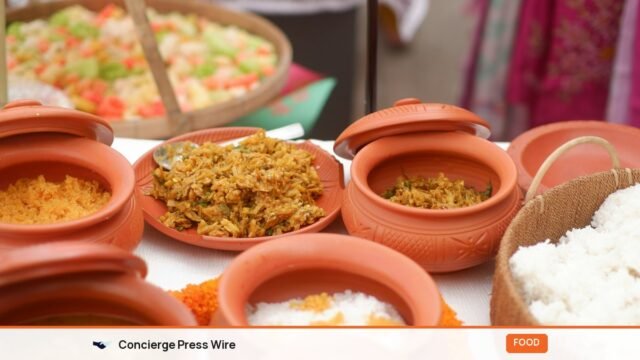
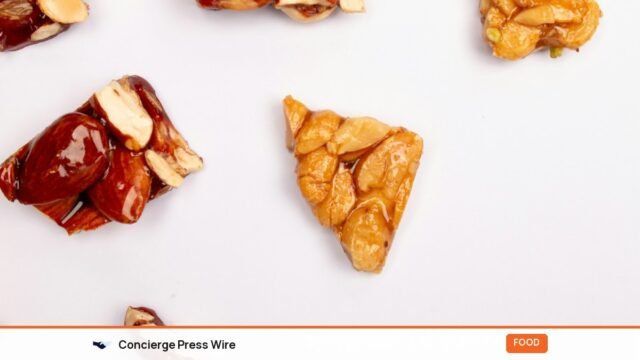
Gond Laddoo, Methi Laddoo and Panjiri: Winter Recipes
Three classic Indian winter sweets explained step by step, with quantities, fixes for crumbly or hard laddoos, storage times and a portion note.
Gond laddoo, methi laddoo and panjiri are the three classic North and West Indian winter sweets made with ghee, wheat flour, jaggery or sugar, and dry fruits. This guide gives you a tested-style step-by-step method for each, exact quantities for about 15 to 20 pieces, the mistakes that make laddoos crumble or turn hard, how long each keeps, and a sensible portion note so a winter treat stays a treat.
Key Takeaways
- Gond (edible gum) must be fried in hot ghee until it puffs fully; under-fried gond stays chewy and sticks to the teeth.
- Roast wheat flour slowly on low flame for 20 to 25 minutes until it smells nutty and turns light brown; rushing this is the most common failure.
- Methi laddoo needs methi seed powder soaked in milk or ghee overnight to soften the bitterness.
- Panjiri is the loose, unshaped cousin of the laddoo and keeps longest, about 4 to 6 weeks in an airtight jar.
- These are dense in calories; one small laddoo or 2 tablespoons of panjiri a day is a reasonable winter portion for most adults.
Updated November 2026.
Why these sweets are made in winter
In Punjab, Haryana, Rajasthan, Uttar Pradesh, Madhya Pradesh and Gujarat, the first cold weeks of November and December are when families make a batch of “winter laddoos” and store them in steel dabbas for the season. Gond laddoo and panjiri are also traditionally given to new mothers in many North Indian homes, and methi laddoo (methi na ladva in Gujarat) is a household staple for older family members who complain of stiff joints in the cold.
The ingredients are what you would expect from a cold-weather recipe: ghee, whole wheat flour, jaggery, nuts, seeds, dry ginger (sonth) and edible gum. Treat the traditional claims about warming the body or easing joint pain as household wisdom rather than medical fact. They are tasty, energy-dense sweets. If you have diabetes, heart disease or are recovering after childbirth, ask your doctor how much fits your diet.
Ingredients at a glance
| Ingredient | Gond laddoo | Methi laddoo | Panjiri |
|---|---|---|---|
| Whole wheat flour (atta) | 1.5 cups | 1.5 cups (coarse) | 1 cup |
| Ghee | 3/4 cup plus 1/4 cup for gond | 1 cup | 3/4 cup |
| Edible gum (gond) | 1/4 cup | 2 tbsp (optional) | 2 tbsp |
| Methi seed powder | None | 1/4 cup | None |
| Jaggery or sugar | 1 cup powdered jaggery or boora | 1 cup grated jaggery | 3/4 cup powdered sugar or boora |
| Mixed nuts | 1/2 cup chopped | 1/3 cup chopped | 1 cup chopped |
| Seeds and others | Desiccated coconut 1/4 cup | Dry ginger powder 1 tbsp | Makhana, melon seeds, coconut |
| Flavour | Cardamom | Sonth, black pepper, cardamom | Cardamom, ajwain (optional) |
| Yield | 16 to 18 laddoos | 15 to 18 laddoos | About 4 cups |
Measure with one standard 240 ml cup throughout. Buy gond from a trusted kirana or dry fruit shop; good gond comes as clean, pale yellow crystals without grit.
Gond laddoo: step by step
Fry the gond
- Heat 1/4 cup ghee in a heavy kadhai on medium. Test with one crystal of gond: it should sizzle and start to swell within a few seconds.
- Add the gond in 3 small batches. Stir constantly. Each crystal will puff into a white, airy ball, roughly three to four times its size, in about 30 to 45 seconds.
- Remove with a slotted spoon. If any crystal stays glassy in the centre, it is under-fried; put it back.
- Once cool, crush the puffed gond lightly with a katori or rolling pin. It should break into crisp crumbs.
Roast the flour
- In the same kadhai, add 3/4 cup ghee and the wheat flour. Keep the flame low.
- Stir continuously for 20 to 25 minutes. The mix will go from pasty to loose and flowing, and turn light golden brown with a strong nutty smell.
- Do not walk away. Flour on the bottom browns quickly and a burnt taste spreads through the whole batch.
Combine and shape
- Lightly roast the chopped nuts and coconut for 2 minutes in a separate pan.
- Switch off the flame under the flour. Add the crushed gond, nuts, coconut and cardamom. Mix well.
- Let the mixture cool until it is warm but not hot to the touch, about 10 minutes. Adding jaggery or sugar to very hot flour melts it and makes the laddoos sticky and hard.
- Add the powdered jaggery or boora (sugar powder). Mix thoroughly with your hands.
- Take a handful, press firmly and roll into a ball. If it crumbles, add 1 to 2 tbsp warm melted ghee and try again.
Methi laddoo: step by step
Methi laddoo is the most acquired taste of the three. Done right, it is pleasantly bitter-sweet with a warming bite of dry ginger. Done wrong, it is too bitter to finish.
Soak the methi
- Grind 1/4 cup methi seeds to a fine powder, or buy fresh methi powder.
- Soak it overnight in 1/2 cup warm milk, or for a longer shelf life, in 3 to 4 tbsp warm ghee. Soaking softens the bitterness noticeably.
Cook and combine
- Fry 2 tbsp gond in ghee if using, as above, and crush it.
- Roast the coarse wheat flour in 3/4 cup ghee on low flame for about 20 minutes until golden.
- In a separate pan, cook the soaked methi in 2 tbsp ghee for 5 to 7 minutes until the raw smell goes and any milk is fully dried out. Moisture left behind shortens shelf life.
- Melt the grated jaggery with 1 tbsp ghee on very low flame just until it liquefies. Do not boil it into a syrup, or the laddoos will set rock hard.
- Add the roasted flour, methi, gond, nuts, dry ginger powder, a pinch of black pepper and cardamom to the jaggery. Mix quickly.
- Shape into laddoos while the mixture is warm. It firms up as it cools.
If your family finds it too bitter, reduce methi powder to 3 tbsp in the first batch. You can always increase it next time.
Panjiri: step by step
Panjiri is a loose, crumbly mix eaten by the spoonful, often with warm milk. It is the easiest of the three because there is no shaping.
- Fry 2 tbsp gond in ghee, crush and keep aside.
- Fry 1/2 cup makhana (fox nuts) in 1 tbsp ghee until crisp, then crush coarsely.
- Roast chopped almonds, cashews, melon seeds (magaz) and a little desiccated coconut lightly in ghee.
- Roast 1 cup wheat flour in the remaining ghee on low flame for 15 to 20 minutes until golden and fragrant. Some families add 2 tbsp semolina for extra crunch.
- Switch off the flame. Add everything else, plus cardamom and a pinch of ajwain if you like. Let it cool slightly, then stir in powdered sugar or boora.
- Cool completely and store in an airtight jar.
Jaggery or sugar: which to use
- Jaggery gives a deeper, caramel flavour and a darker colour. It contains small amounts of minerals but is still a sugar in nutritional terms.
- Boora or powdered sugar gives a lighter colour and a cleaner sweetness, and the laddoos stay softer longer.
- Dates can replace part of the sweetener. Blend 1 cup soft seedless dates and mix into warm flour. Shelf life drops to 1 to 2 weeks in the fridge.
Whichever you pick, the WHO healthy diet guidance suggests keeping free sugars (which include jaggery and honey) below 10% of daily energy, about 50 g a day for someone eating 2,000 calories, and ideally lower. The ICMR-NIN Dietary Guidelines for Indians (2024) also advise cutting back on sugary foods and limiting high-fat foods.
Troubleshooting: why laddoos fail
| Problem | Likely cause | Fix |
|---|---|---|
| Laddoos crumble and won’t bind | Too little ghee, or mixture cooled too much | Add 1 to 2 tbsp warm ghee; shape while warm |
| Laddoos set rock hard | Jaggery boiled into syrup | Only melt jaggery; next time use powdered jaggery |
| Raw flour taste | Flour under-roasted | Roast longer on low flame until nutty and golden |
| Chewy bits stick to teeth | Gond under-fried | Fry until fully puffed and white throughout |
| Bitter methi laddoo | Methi not soaked, or too much | Soak overnight; reduce quantity |
| Laddoos turn sticky and soft | Sugar added while flour was too hot | Cool to warm before adding sugar |
| Rancid smell after 2 weeks | Moisture or old nuts | Dry methi fully; use fresh nuts; airtight jar |
Storage and shelf life
| Sweet | Room temperature (airtight) | Fridge |
|---|---|---|
| Gond laddoo | 3 to 4 weeks | Up to 2 months |
| Methi laddoo (ghee-soaked) | 3 to 4 weeks | Up to 2 months |
| Methi laddoo (milk-soaked) | 1 week | 3 to 4 weeks |
| Panjiri | 4 to 6 weeks | Up to 2 months |
| Date-sweetened versions | Not recommended | 1 to 2 weeks |
These are typical home-kitchen ranges, not tested shelf lives. Always use a dry spoon, keep jars away from the stove, and smell before eating. Laddoos from the fridge harden; leave them out for 20 minutes before eating.
Portion note: how much is sensible
All three sweets are concentrated: mostly ghee, flour, sweetener and nuts. A single 40 g laddoo can easily carry as many calories as a small meal. For most healthy adults, one small laddoo or about 2 tablespoons of panjiri a day, eaten with breakfast or with warm milk, is plenty. Children need smaller portions.
Some ways to keep a winter batch lighter:
- Make laddoos smaller, about 25 to 30 g each, so one piece is naturally a smaller portion.
- Replace a quarter of the wheat flour with roasted makhana powder or roasted ragi flour.
- Increase nuts and seeds, and cut sweetener by a quarter. Most families do not notice.
- Skip the extra ghee coating at the end.
If you have diabetes, high cholesterol, heart disease or are pregnant or breastfeeding, please consult your doctor or a qualified dietitian about whether and how much of these sweets suit you.
Gifting tips for the season
Winter laddoos make thoughtful homemade gifts for relatives, neighbours and colleagues. Pack 6 laddoos in a small steel or kraft box lined with butter paper, add a handwritten label with the name and date made, and mention whether it contains jaggery or sugar and nuts, so people with allergies can choose. Panjiri travels well in small glass jars. If you are sending laddoos by courier, wrap each one in butter paper so they do not crumble against each other, and send them early in the week so they do not sit in a warehouse over a weekend. For families abroad, check the destination country’s rules on carrying homemade food with nuts and ghee before you pack them in a suitcase.
Frequently Asked Questions
What is gond and where do I buy it?
Gond is edible gum, a natural resin from certain trees, sold as small pale crystals. You will find it at dry fruit shops, larger kirana stores and online grocery apps, usually labelled “gond”, “dink” (Marathi) or “edible gum”.
Can I make gond laddoo without gond?
Yes. Leave it out and add an extra 1/4 cup chopped nuts or crushed makhana for crunch. The result is closer to an atta laddoo, which is still a good winter sweet.
Why are my methi laddoos so bitter?
Usually because the methi powder was not soaked, or there was too much of it for the amount of jaggery. Soak overnight in milk or ghee, cook it until dry, and start with 3 tbsp methi powder per 1.5 cups flour.
Can I use sugar-free sweeteners?
Some people use date paste or blends sold as sugar substitutes. Date paste shortens shelf life. If you are using a substitute because of diabetes, discuss the overall recipe with your doctor, because flour and ghee also matter.
How is panjiri different from gond laddoo?
The ingredients overlap, but panjiri is left loose and usually contains more nuts, seeds and makhana. It is eaten by the spoonful, often with milk, and keeps slightly longer.
How many laddoos can I eat in a day?
For most healthy adults, one small laddoo a day is a sensible winter treat. These sweets are energy-dense, so more than that adds up quickly.
Your winter batch, sorted
Pick one recipe this weekend, roast the flour slowly, fry the gond until it puffs fully, and add sweetener only when the mix is warm, not hot. Those three habits fix nearly every laddoo problem. Make a small batch first, adjust sweetness and methi to your family’s taste, and you will have a dabba of winter laddoos that lasts until Makar Sankranti.