How to Write a Business Proposal for Indian Clients and Tenders
How to write a business proposal for Indian clients and government tenders, with a GST pricing table, payment terms, MSE tender benefits and a copy-ready template.
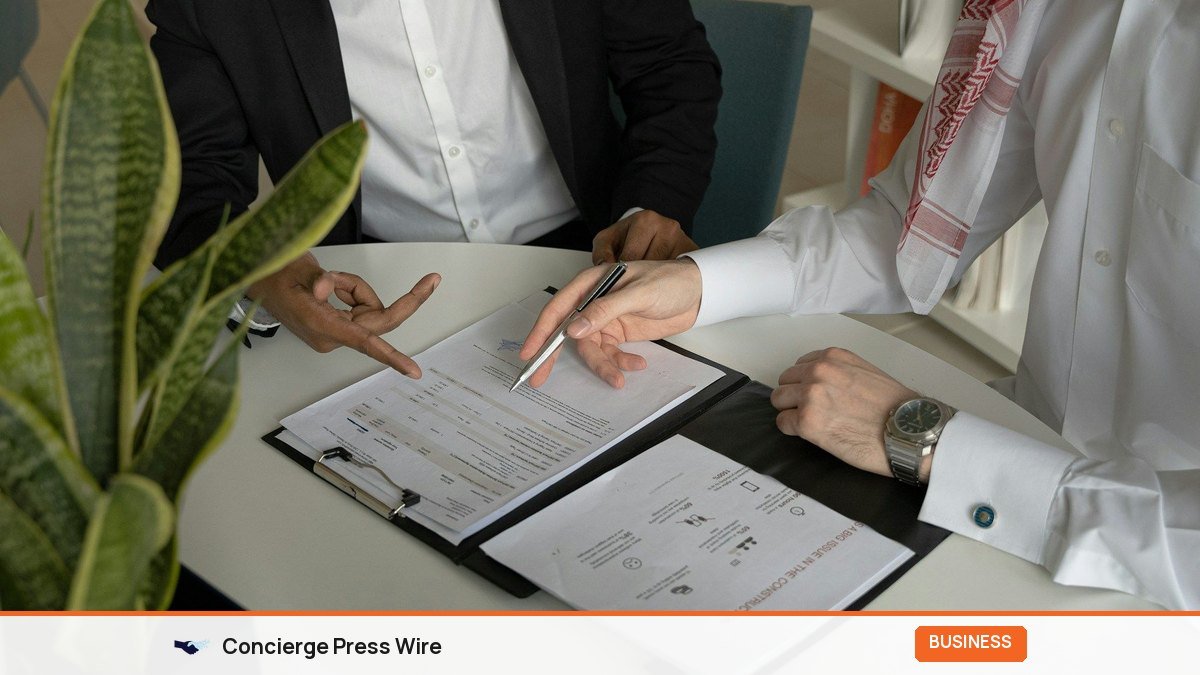
A business proposal that wins work in India has to do two things at once: convince the decision-maker you understand their problem, and give the accounts team a price they can approve without a single follow-up question about GST, TDS or payment terms. This guide covers the structure that works for private clients, how tender proposals differ, how to build a pricing table with GST shown correctly, and a copy-ready template.
Key Takeaways
- Lead with the client’s problem and the outcome they want, not your company history. Your credentials belong after the solution.
- Show price, GST and total separately. For most services the standard GST rate is 18%, split as 9% CGST + 9% SGST within a state, or 18% IGST across states.
- Spell out payment milestones, proposal validity, what is not included, and how changes in scope are priced.
- Government tenders follow their own format. Answer every eligibility point exactly, and use MSE and startup benefits such as EMD exemption where you qualify.
- Keep a one-page summary at the front; many Indian decision-makers read only that before the meeting.
Proposal, quotation or tender bid: know which one you are writing
Indian buyers use these words loosely, but they expect different documents.
| Document | When it is used | Length | What decides it |
|---|---|---|---|
| Quotation | Buyer knows exactly what they want; you price it | 1 to 2 pages | Price, delivery time, terms |
| Business proposal | Buyer has a problem; you suggest how to solve it | 5 to 15 pages | Understanding, approach, value, price |
| Tender / RFP response | Formal process by a government body, PSU or large company | As specified, often long | Eligibility compliance first, then technical score and price |
If a client sends a formal RFP, follow its format exactly, even if you think your own structure is better. Evaluators score against their checklist.
The structure of a winning business proposal
For private clients, this order works in most industries, from IT services and marketing to manufacturing supply and facility management.
- Cover page. Proposal title that names the client and the outcome (“Proposal to reduce order processing time for Sharma Distributors”), your company name, date, reference number, contact person.
- Executive summary (one page). The client’s situation, the result you will deliver, the approach in three lines, total investment, and timeline.
- Understanding of the requirement. In your own words, what the client needs and why. Mention specifics from your conversations: volumes, deadlines, pain points.
- Proposed solution and scope. What you will do, phase by phase. Be concrete.
- Deliverables and timeline. A table with each deliverable, due date or week, and who approves it.
- Why us. Relevant experience, similar clients (with permission), team members who will work on the project, certifications.
- Commercials. Pricing table with GST, payment milestones, validity.
- Assumptions and exclusions. What the client must provide; what is not included.
- Terms. Change requests, confidentiality, intellectual property, termination, jurisdiction.
- Next steps and acceptance. How to approve: purchase order, signed acceptance, or advance payment.
Writing the executive summary
Write it last, keep it to one page, and make it readable by someone who skips everything else. A useful pattern:
[Client] currently [situation and pain, with a number]. We propose to [solution] over [duration], which will [measurable outcome]. The total investment is Rs [amount] plus GST, payable in [number] milestones. We can start on [date] after receiving the purchase order.
For example, an illustrative IT firm in Pune proposing to a distributor might write: “Sharma Distributors processes about 300 orders a day manually through WhatsApp and Excel, which leads to errors and late dispatches. We propose a cloud order management system integrated with Tally, delivered in 10 weeks, to cut order entry time and give your team live stock visibility. The total investment is Rs 4,80,000 plus GST, payable in four milestones.”
Building a pricing table with GST that accounts will approve
Pricing is where Indian proposals most often go back and forth. Make the table complete and unambiguous.
GST basics to get right
- Rate. Since the GST Council’s rate rationalisation took effect on 22 September 2025, the main slabs are 5% and 18%, with a special 40% rate for a small list of luxury and sin items, as set out in the official press release on the 56th GST Council meeting. Most business services, such as IT, consulting, marketing and maintenance, fall at 18%. Check the rate for your specific SAC or HSN code.
- CGST + SGST or IGST. If you and the client are in the same state (based on place of supply), charge CGST 9% + SGST 9%. If different states, charge IGST 18%.
- GSTIN on the proposal. Show your GSTIN and ask for the client’s GSTIN and billing address so they can claim input tax credit.
- If you are not GST-registered (because your turnover is below the threshold), say clearly that prices are final and GST is not applicable. Do not show a GST line.
Sample pricing table
Illustrative example for a service supplier in Maharashtra billing a client in Maharashtra:
| # | Item | SAC | Qty | Rate (Rs) | Amount (Rs) |
|---|---|---|---|---|---|
| 1 | Requirement study and process design | 998313 | 1 | 60,000 | 60,000 |
| 2 | Software setup and configuration | 998313 | 1 | 2,40,000 | 2,40,000 |
| 3 | Data migration (up to 5,000 records) | 998313 | 1 | 60,000 | 60,000 |
| 4 | Staff training (2 sessions) | 998313 | 2 | 15,000 | 30,000 |
| 5 | Three months of support after go-live | 998313 | 3 | 30,000 | 90,000 |
| Subtotal | 4,80,000 | ||||
| CGST @ 9% | 43,200 | ||||
| SGST @ 9% | 43,200 | ||||
| Total payable | 5,66,400 |
The SAC code shown is for illustration; confirm the correct code for your service with your CA. If the client were in Karnataka instead, the two 9% lines would be replaced by one line, IGST @ 18% = Rs 86,400, with the same total.
TDS: mention it so nobody is surprised
Many business clients deduct TDS (tax deducted at source) from service payments under the Income Tax Act. Add a line such as: “Payments are subject to TDS as applicable; TDS certificates (Form 16A) to be shared quarterly.” This avoids the classic dispute where the client pays less than the invoice and your accounts team chases the gap. Rates and thresholds depend on the nature of the service, so let your CA advise.
Payment terms, validity and scope protection
These sections save more money than any discount you might negotiate.
- Milestones. For example, 30% advance with the purchase order, 30% on design sign-off, 30% on go-live, 10% after 30 days of support. Tie each milestone to a deliverable the client can verify.
- Proposal validity. “Prices valid for 30 days from the date of this proposal.” Costs change; do not leave old prices open.
- Change requests. “Work outside the scope above will be quoted separately at Rs [x] per hour/day, and started only after written approval.”
- Exclusions. Be specific: third-party licences, hardware, travel outside the city, content writing, statutory fees.
- Delayed payments. If you are a micro or small enterprise registered under Udyam, the MSMED Act gives you protection on delayed payments from buyers; mention your Udyam number in the proposal. Our Udyam registration guide explains how to register.
How tender proposals are different
Government departments, PSUs and many large companies buy through formal tenders, often on the Government e-Marketplace (GeM) or state e-procurement portals. A few rules change everything:
- Eligibility comes first. Minimum turnover, years in business, similar work orders, certifications. Miss one document and your technical bid can be rejected before anyone reads your solution.
- Two-bid system. Many tenders separate the technical bid and the financial (price) bid. The price bid is opened only for technically qualified bidders. Never put prices in the technical bid unless asked.
- Exact formats. Use the forms, annexures and price schedules provided. Do not add your own terms; conditional bids are often rejected.
- Pre-bid meeting and queries. Attend, and submit written queries on unclear points before the deadline.
Benefits for MSEs and startups
Under the Public Procurement Policy for Micro and Small Enterprises, central ministries, departments and CPSEs are required to procure at least 25% of their annual purchases from MSEs, including 4% from SC/ST-owned and 3% from women-owned MSEs, as summarised on Vikaspedia’s page on the policy. MSEs quoting within L1 + 15% may be allowed to supply part of the order by matching the lowest price.
On GeM, the seller FAQs state that registration is free, and that MSEs (with Udyam) and startups recognised by DPIIT get relaxation of prior experience and turnover criteria and exemption from Earnest Money Deposit, subject to the conditions in each bid. State government buyers may set their own EMD rules, so read each bid document. If you are a young company, DPIIT startup recognition is worth having before you bid.
A copy-ready business proposal template
Paste this outline into your document and replace the brackets.
- Title: Proposal for [outcome] for [client name]. Ref: [number]. Date: [date]. Valid until: [date].
- Executive summary: [Situation] / [proposed solution] / [result] / Rs [amount] + GST / [timeline] / [start date].
- Your requirement as we understand it: [3 to 5 bullet points using client’s own words and numbers].
- Our approach: Phase 1 [name, activities, duration]. Phase 2 […]. Phase 3 […].
- Deliverables and timeline: Table: deliverable / week / approver.
- Team: [Name, role, years of experience]. Single point of contact: [name, phone, email].
- Relevant experience: [2 to 3 short case summaries, with permission].
- Commercials: Pricing table with SAC/HSN, GST split, total. Payment milestones. TDS note.
- Client responsibilities: [Data, access, approvals, a named coordinator].
- Exclusions: [List].
- Terms: Change requests, confidentiality, IP ownership on full payment, termination with [x] days’ notice, jurisdiction [city].
- Company details: Legal name, address, GSTIN, PAN, Udyam number, bank details for payment.
- Acceptance: Signature block for client, or “Please issue a purchase order referencing this proposal number.”
Mistakes that lose deals
- Ten pages about your company before the solution. Clients care about their problem first.
- “Rs 4.8 lakh, GST extra” with no total. The approver wants the final number. Show it.
- No validity date. A client returns six months later expecting the old price.
- Vague scope. “Website development” leads to arguments; “5-page website, 2 rounds of revisions, client provides text” does not.
- Sending a Word file. Send a PDF so formatting holds and figures cannot be edited accidentally.
- No follow-up. Call two or three working days after sending to walk through the proposal and answer questions.
Good proposal writing is closely related to good business writing in general; once you win a significant contract, the same discipline helps you announce it, as covered in our press release samples for India.
Frequently Asked Questions
How long should a business proposal be?
For most private clients, 5 to 15 pages including the pricing table. A one-page executive summary up front is essential. Tenders follow whatever length and format the RFP specifies.
Should prices be shown with or without GST?
Show both: the base price, the GST amount split as CGST/SGST or IGST, and the final total. This lets the client’s accounts team approve without questions.
What GST rate applies to most services in India?
18% is the standard rate for most business services after the September 2025 changes, but some services carry other rates. Confirm the rate for your SAC code with your CA.
Can I submit a proposal without GST registration?
Yes, if your turnover is below the registration threshold and you are not otherwise required to register. Many corporate and government clients prefer GST-registered vendors, though, so check before bidding.
Do MSEs have to pay EMD in government tenders?
Under GeM rules and the public procurement policy, eligible MSEs with Udyam registration and DPIIT-recognised startups are generally exempt from EMD, but conditions apply and some state bodies set their own terms. Read each bid document.
How long should a proposal remain valid?
30 to 90 days is common for private work. Tenders specify their own bid validity period, often longer.
Before you click send
Read the proposal once as the client’s CEO (is the outcome clear on page one?) and once as their accountant (is the total, GST, TDS and payment schedule unambiguous?). If both readers would be satisfied, send it as a PDF, then follow up by phone. Tax rates and procurement rules change, so recheck GST rates and tender conditions on official sources, or with your CA, before every major bid.