How to Sell on Blinkit, Zepto and Swiggy Instamart
A practical guide for Indian brands to get listed on quick commerce apps, with the documents platforms ask for, a margin worksheet and the mistakes to avoid.
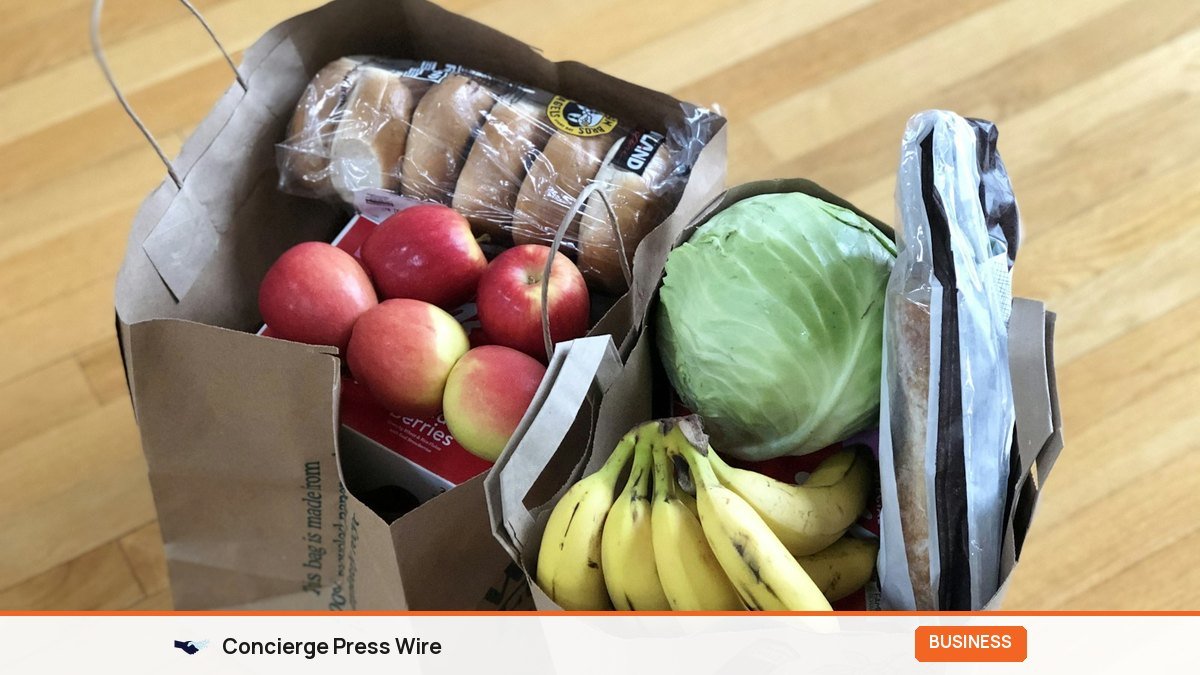
To sell on quick commerce in India, you apply as a brand or seller on each platform’s own portal (Blinkit Seller Hub, Zepto’s brand partner portal and Swiggy’s Instamart Brand Portal), share your GST, PAN, bank and brand documents plus product catalogue details, and wait for a category team to approve you. Zepto, for example, says qualifying brands can be onboarded within 15 business days. This guide explains what each platform asks for, the documents and labelling you need ready, how the margin maths works, and the mistakes that stop small brands from getting listed or staying listed.
Key Takeaways
- Quick commerce is curated. Platforms choose which brands to stock, so a strong product, clean documents and ready catalogue data matter more than the sign-up form.
- Zepto’s official FAQ lists PAN, GSTIN certificate, cancelled cheque, authorised signatory’s signature copy, and a trademark certificate or brand authorisation letter (NOC) as required documents.
- Commission rates, margins and fees are not published on the official seller pages. Expect to negotiate, and model your price with every cost included before you agree.
- Food brands need an FSSAI licence or registration, and all packaged products need compliant labels (MRP, net quantity, manufacturer details, consumer care).
- Start small: a few fast-moving SKUs in one or two cities, then expand once your sell-through and fill rates are healthy.
How quick commerce selling works
Quick commerce apps promise delivery in minutes by stocking products in small neighbourhood warehouses called dark stores. That changes how a brand sells compared with a marketplace like Amazon or Flipkart:
- Limited shelf space. A dark store carries thousands of products, not millions. Every SKU has to earn its place by selling consistently.
- Stock goes to the platform. In most arrangements, you supply inventory to the platform’s warehouses or dark stores against purchase orders, rather than packing and shipping each customer order yourself. Confirm the exact model in your agreement.
- Category managers decide. Approval and placement depend on the platform’s category team, who look at demand, pricing, margins and your ability to keep supplying.
- City by city. Listing is usually rolled out by city or cluster, not nationwide on day one.
Products that do well tend to be everyday, impulse or “need it now” items: snacks, beverages, dairy and bakery, personal care, cleaning, baby care, pet care, small electronics accessories and gifting during festivals.
Platform by platform: where to apply and what they say
Zepto
Brands apply through the Zepto partner portal (“Register Now”). Its FAQ, checked in October 2026, says:
- Documents: PAN card, GSTIN certificate, cancelled cheque, authorised signatory’s signature copy, and the original trademark certificate or an authorisation letter/NOC on the brand owner’s letterhead.
- Catalogue prerequisites: brand tag details, accurate product sizing details and article images that meet Zepto’s specifications.
- Timeline: the brand should have a sizeable catalogue width and quality products with a unique value proposition. If it meets Zepto’s selection criteria, onboarding can happen within 15 business days, and may stretch to 45 days during major sale events.
The portal lists more than 30 categories, from atta and dals to pet care, stationery and toys. Zepto also advertises business figures such as active customers and store counts on the page; treat these as the company’s own claims.
Blinkit
Blinkit’s brand and seller sign-up runs through the Blinkit Seller Hub, and the page also gives sellersupport@blinkit.com as a contact for anyone who wants to start selling. The detailed requirements sit inside the sign-up flow. We could not independently confirm Blinkit’s current document list or approval timeline from its public pages, so check them in the portal when you register. Expect to be asked for the same core set as other platforms: GST, PAN, bank details, brand ownership or authorisation, and FSSAI for food.
Swiggy Instamart
Instamart has a separate Instamart Brand Portal, where brands log in with their company email and an OTP. The public page does not list requirements or fees. As with the others, your category conversation will decide margins, cities and launch timing.
| Platform | Official entry point | Documents published officially? | Onboarding time published? |
|---|---|---|---|
| Zepto | brands.zepto.co.in | Yes (FAQ) | Yes: within 15 business days if you qualify; up to 45 days in sale periods |
| Blinkit | seller.blinkit.com | Not on the public landing page | Not on the public landing page |
| Swiggy Instamart | partner.swiggy.com/instamart | Not on the public login page | Not on the public login page |
Blog posts and agencies quote a range of timelines and commission percentages for these platforms. They vary widely and we could not verify them against official sources, so we have not repeated them here.
Documents and compliance checklist
Get these ready before you apply. Most delays come from missing or mismatched paperwork.
Business and tax
- GST registration in the business name, with the right place of business and HSN codes for your products. See our guide to GST registration for small businesses.
- PAN of the business (or proprietor).
- Cancelled cheque or bank letter for a current account in the same name as your GST registration.
- Authorised signatory details and signature copy.
Brand
- Trademark certificate, or proof that your application is filed, if you own the brand. Read our trademark registration guide if you have not applied yet.
- Brand authorisation letter (NOC) on the brand owner’s letterhead if you are a distributor or reseller.
Product compliance
- FSSAI licence or registration for any food or beverage, covering the right category and premises. Our FSSAI licence guide explains which one you need.
- Legal Metrology labelling on packaged goods: name and address of manufacturer or packer, net quantity, MRP inclusive of taxes, month and year of manufacture or import, and consumer care details.
- Barcodes (EAN/GTIN) on each SKU, since dark stores scan everything.
- Category-specific approvals where relevant, for example BIS certification for certain electrical products, or cosmetics rules for beauty products.
Catalogue
- Clear product images on a white background, plus back-of-pack images showing ingredients and label details
- Exact pack size, weight and dimensions
- MRP, selling price, HSN code and GST rate
- Shelf life and storage conditions (ambient, chilled, frozen)
- Case pack size (how many units per carton)
Step-by-step: how to get listed
- Choose your hero SKUs. Pick 3 to 10 products that sell quickly, fit the “need it now” use case, and have a shelf life of several months if ambient. Avoid launching your full range.
- Fix your pricing. Build a price that leaves room for the platform’s margin, promotions and your own profit (see the next section).
- Register on the portal. Create an account on each platform’s official seller or brand portal using your business email. Avoid agents who ask for large upfront “listing guarantee” fees.
- Submit documents and catalogue. Upload documents, product details and images exactly as the portal asks.
- Talk to the category team. If they are interested, a category manager will discuss margins, cities, launch quantities and promotions. Go in with your numbers ready.
- Sign the agreement. Read the terms on payment cycle, returns and damages, expiry handling, penalties for short supply, and how prices can be changed.
- Supply the first purchase order. Deliver on time, in the right case packs, with correct barcodes and invoices. Your first few POs set your reputation.
- Track and replenish. Watch sell-through and stock-outs weekly. A product that keeps going out of stock loses visibility.
Metrics to watch after launch
Once you are live, review these numbers every week. Most platforms share sales and inventory data through their brand dashboards or category teams.
| Metric | What it tells you | Action if it is weak |
|---|---|---|
| Sell-through by city | Which cities and dark stores actually move your product | Shift stock and promotions to the stronger cities |
| Fill rate on purchase orders | How much of each order you supplied on time | Plan production ahead of big sale days and festivals |
| Days with stock-outs | Lost sales and lost visibility | Increase safety stock on your top SKUs |
| Ratings and reviews | Product quality and packaging issues | Fix damage-prone packaging or quality complaints quickly |
| Ad spend versus sales | Whether paid visibility pays back | Cut ads on SKUs that do not convert |
Margins and pricing: do the maths first
The official seller pages do not publish commission or margin percentages. In practice, platforms buy at a discount to MRP or charge a commission, and many brands also spend on in-app ads and discounts to get visibility. Here is how to model it.
Worked example (illustrative numbers only)
Imagine a small snack brand in Indore selling a Rs 100 MRP pack. The numbers below are made up to show the method, not real platform rates.
| Item | Amount per pack (Rs) |
|---|---|
| MRP (inclusive of GST) | 100.00 |
| GST at an assumed 5 percent (included in MRP) | 4.76 |
| Assumed platform margin of 30 percent of MRP | 30.00 |
| What the brand receives before costs (100 minus 30, minus GST on that value) | about 66.67 |
| Product cost (ingredients, packaging) | 32.00 |
| Freight to warehouse | 4.00 |
| Ads and promotions, assumed 8 percent of MRP | 8.00 |
| Damages, expiry and returns allowance | 2.00 |
| Contribution left for overheads and profit | about 20.67 |
If that remaining amount does not cover your salaries, rent and profit, you need a higher MRP, a cheaper pack, a bigger pack size, or a better margin deal. Use our GST calculator to check the tax part of your price. Your actual GST rate depends on your product’s HSN code, so confirm it with your CA.
Other costs people forget
- Payment cycle. If payment comes 30 to 60 days after supply (check your agreement), you need working capital to keep producing.
- Near-expiry stock. Agreements often say how close-to-expiry stock is handled. Short shelf life products carry more risk.
- Penalties for short supply. Failing to fill purchase orders can attract penalties or reduced orders.
- Marketing visibility. New brands often need launch discounts or ads to be discovered.
Mistakes that get brands rejected or delisted
- Labels that do not comply. Missing MRP, net quantity, FSSAI number or consumer care details is an easy reason for rejection.
- Name mismatch. Your GST, bank account, trademark and invoice names should match.
- Too many SKUs too early. A long list of slow movers is harder to approve than a tight list of best sellers.
- Weak images. Blurry or lifestyle-only photos do not work in a small app tile. Show the product and pack size clearly.
- Running out of stock. Fill rate matters. If you cannot supply consistently, start in fewer cities.
- Pricing below cost to win the listing. It is very hard to raise prices later without losing the customers you won.
If quick commerce is not right for you yet, the government-backed ONDC network is another way to reach online buyers. See our guide on ONDC for sellers.
Frequently Asked Questions
Can a small or new brand sell on Blinkit, Zepto or Instamart?
Yes, all three accept applications from brands, but they are selective. A new brand with a clear product, good packaging, compliant labels and the ability to supply consistently has a better chance than one with a large but untested range.
Is a trademark mandatory to sell on quick commerce?
Zepto’s FAQ lists the original trademark certificate, or an authorisation letter/NOC from the brand owner, among required documents. Requirements on other platforms are shown during sign-up. Filing a trademark application early is sensible for any brand.
Do I need GST registration?
In practice, yes. Platforms ask for a GSTIN certificate, and supplying goods to a platform for resale is a B2B sale that needs proper tax invoices. Check your exact obligations with a CA.
How much commission do Blinkit, Zepto and Instamart charge?
The platforms do not publish standard commission or margin rates on their official seller pages. Terms are discussed with the category team and can differ by category, brand and city. Ask for all costs in writing, including margins, marketing and penalties.
How long does onboarding take?
Zepto says qualifying brands can be onboarded within 15 business days, and up to 45 days during major sale events. Blinkit and Instamart do not state a timeline on their public pages.
Do I need my own warehouse?
You need a reliable place to make or store stock and dispatch purchase orders, which can be your factory, a godown or a third-party warehouse. Platforms generally handle last-mile delivery from their dark stores.
Start with one platform and a few SKUs
Get your documents and labels right, pick your best three to ten products, and build a price that still makes money after margins, ads and freight. Apply on one platform’s official portal first, learn how its purchase orders and payments work, and expand once your products sell through reliably. Platform rules and terms change, so always check the current requirements on the official seller portal before you commit.