20 Fun Facts About Tokyo That Will Surprise Every Traveler
Tokyo is a city of contrasts—ancient shrines beside sci‑fi skylines, silent subway cars and neon-lit nights—which is exactly why exploring fun facts about Tokyo can sharpen any tokyo travel plan before wheels even touch Narita or Haneda tarmac. Expect curiosities like record-breaking stations, Michelin-star dining density, and reimagined icons such as Tokyo Tower and Skytree, plus practical tips that save time and yen. This guide collects 20 well-sourced surprises with context and micro-tips to turn trivia into on-the-ground advantages. By the end, planning a smarter route, timing a Mt. Fuji glimpse, and decoding those legendary vending machines will feel second nature.
Old Edo, New Name
- Tokyo was once called Edo; the name changed as the imperial capital shifted during the Meiji Restoration era, anchoring modern Tokyo’s identity as a political and cultural center. Knowing the Edo heritage explains why districts like Asakusa keep a timeless atmosphere amid the megacity rush.
- Practical tip: Museum labels and historic plaques often use “Edo” for periods and artifacts—track the term to connect neighborhoods with their pre‑modern roots when plotting walking routes.
A Megacity of Megaregions
- Greater Tokyo is frequently cited as the world’s largest metropolitan area by population, with sources placing it around or above 37 million residents—context that explains the scale of its transit and amenities. That density shapes traveler realities like crowd timing and neighborhood-based itineraries.
- Micro-case note: Expect longer intra-city transfers; plan clusters (e.g., Asakusa + Ueno, Shibuya + Harajuku) to reduce backtracking across this sprawling metro.
Tokyo Tower’s Parisian Inspiration
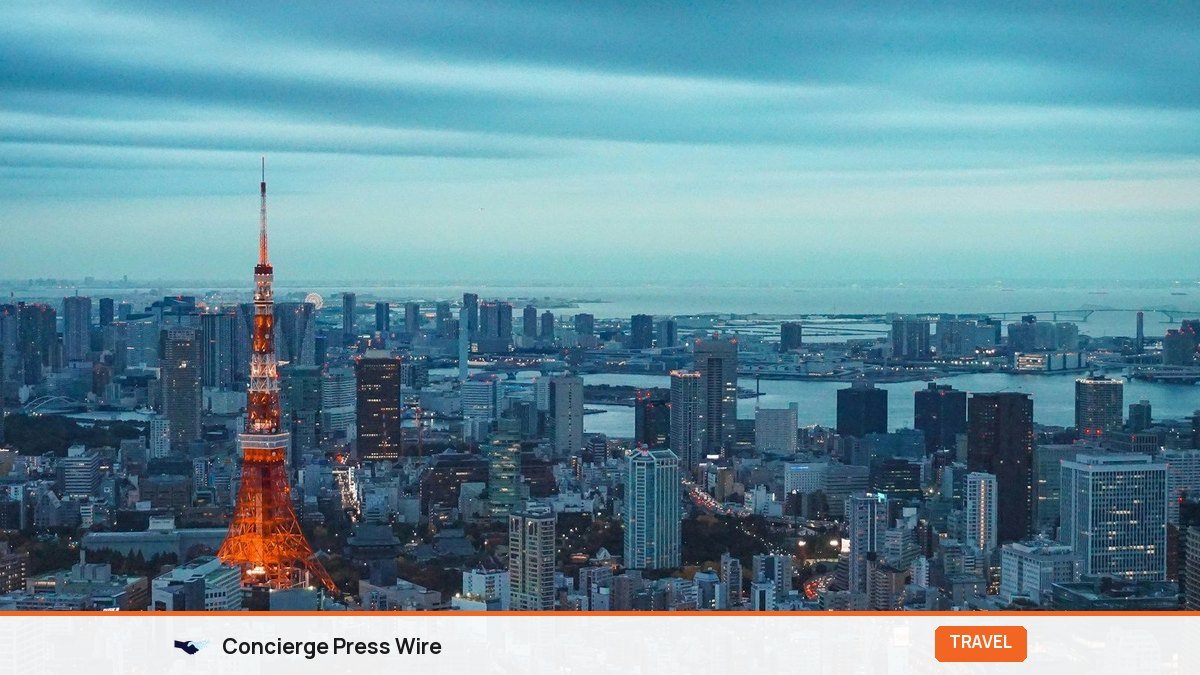
- Tokyo Tower—painted international orange and white—was inspired by the Eiffel Tower but built for communications and observation, becoming a mid-20th-century symbol of Japan’s postwar modernity. It remains a photogenic counterpoint to the newer Tokyo Skytree.
- Photography tip: Shoot Tokyo Tower at dusk from Zojo‑ji Temple grounds for classic framing with traditional forecourt and glowing steel lattice after blue hour.
Skytree: Record-Setting Broadcast Giant
- Tokyo Skytree is recognized as the world’s tallest tower by Guinness, designed to stabilize broadcast coverage and provide panoramic decks that dwarf most city viewpoints. Weather shifts matter—visibility can swing from crystal-clear to milky haze within hours.
- Timing tip: Check live cam feeds and visibility updates on the day; clear air after cold fronts or post-rain windows maximize skyline and distant mountain views.
Michelin Stars, Everywhere
- Tokyo consistently ranks among the top cities globally for Michelin-starred restaurants, with a staggering spread across sushi, tempura, kaiseki, ramen, and international cuisines—proof of its culinary depth beyond stereotypes. Reservations for small counters can book out weeks in advance.
- Value play: Lunch prix fixe at star-holding or Bib Gourmand spots can deliver elite experiences for a fraction of dinner prices; scan neighborhood picks around where the day’s sightseeing ends.
Shibuya’s Scramble: Flow in All Directions
- Shibuya Crossing is often described as one of the world’s busiest intersections, with thousands moving at each light cycle—a kinetic portrait of Tokyo’s choreographed chaos. It’s most impressive from slightly elevated vantage points around the crossing.
- Where to look: Cafe windows or building skywalks facing Hachiko Square capture patterned flows and neon reflections on rainy nights for cinematic shots.
Shinjuku Station: The Human River
- Shinjuku Station ranks among the planet’s busiest train stations, moving several million passengers daily—an almost incomprehensible choreography of platforms, exits, and lines. Wayfinding takes practice; exit names like “East” or “South” matter as much as line colors.
- Navigation tip: Save the exact exit name in maps when meeting friends or tours; 100 meters inside Shinjuku can feel like a kilometer at street level.
The Vending Machine Kingdom
- Tokyo sits within a country famous for millions of vending machines offering hot and cold drinks, snacks, and seasonal specialties—an ultra-convenient standard for quick hydration without detouring to stores. Machines often accept small coins, bills, and IC cards.
- Budget hack: Use IC cards (Suica/PASMO) to shave seconds off purchases while hopping trains, and try hot canned coffee in cooler months for a pocket hand‑warmer and caffeine fix.
Capsule and Robot Hotels Exist
- Tokyo popularized capsule hotels—compact sleep pods that trade space for efficiency—and even features robot-assisted hotels and themed properties for novelty stays. Light sleepers should check pod placement near corridors to minimize footfall noise.
- Experience pick: Tech-curious travelers can split a stay—one night in a capsule for novelty, remaining nights in a ryokan-style or business hotel for comfort and luggage space.
Seeing Mt. Fuji From Tokyo Is Rare
- Despite postcard expectations, Mt. Fuji is visible from Tokyo far fewer than half the days in a year due to smog and weather; realistic planning sets expectations for skyline photos. Crisp winter mornings improve odds for distant silhouettes.
- Strategy: Book flexible early-morning viewpoints within 24 hours of a clean forecast, or schedule a day trip to Fuji Five Lakes or Hakone for dedicated views.
Train Culture: Precision You Can Plan Around
- Rail punctuality is a point of pride in Japan, with stories of public apologies for departures mere seconds off-schedule reflecting a broader culture of timeliness that benefits visitors. Crowded lines still flow predictably when boarding etiquette is followed.
- Pro tip: Aim to arrive on platforms one train earlier than needed during rush windows; it increases the chance of a more comfortable ride and on-time arrivals.
The Blue Lights at Stations
- Some Tokyo stations feature blue LED lighting on platforms, introduced as part of a broader strategy to reduce suicide attempts by creating a calming environment; it’s a sobering example of design for wellbeing. Travelers may notice these subtle glows at night.
- Sensitivity note: Photography is often allowed, but be respectful of commuters and avoid flash near platform edges.
Oshiya: The Train Pushers Are Real
- “Oshiya” or platform attendants historically helped push commuters into carriages during peak rush, a vivid image of Tokyo’s density and efficiency working in tandem. Today, crowd management is more about guidance than literal pushing on many lines.
- Timing tip: If carrying luggage, avoid weekday rush hours roughly 7:30–9:30 and 17:30–19:30; local cafes offer better waiting spots than battling sardine-can carriages.
Disney’s First Stop Outside the U.S.
- Tokyo Disneyland opened in 1983, the first Disney theme park built outside the United States, setting the stage for Tokyo Disney Resort’s meticulous theming and famously enthusiastic local fandom. Crowds can be intense on weekends.
- Planning move: Use weekday slots and mobile app queues; consider DisneySea for rides and aesthetics not found elsewhere in the world.
From Tsukiji to Toyosu: Tuna at Dawn
- The famed Tsukiji wholesale market’s inner auctions moved to Toyosu, but the lore of Tokyo’s tuna trade still draws early risers; outer Tsukiji remains a lively food street. Schedule sleep accordingly if chasing pre-sunrise drama.
- Tip for food lovers: Pair Toyosu visit with breakfast sushi nearby, then stroll Tsukiji Outer Market later for tamagoyaki sticks and knife shops.
Harajuku Style, Forever Remixing
- Harajuku is synonymous with eclectic street fashion—from Lolita and goth to cosplay and couture—making Takeshita Street a window into youth culture cycles and self-expression. It’s energetic, crowded, and photogenic in short bursts.
- Etiquette cue: Ask before close-up photos of individuals; head to backstreets of Cat Street and Omotesando for calmer boutique browsing.
Etiquette and English: Plan for Basics
- English signage is increasingly common in transit, but daily interactions can still favor Japanese, especially away from major hubs; basic phrases and translation apps help smooth transactions. Simple politeness goes a long way.
- Practical prep: Save offline Japanese packs in translation apps and screenshot reservation details with Japanese text when possible.
Neon Nights That Never Quit
- Tokyo’s reputation for neon isn’t just Shinjuku and Shibuya; entire corridors blaze after dark, creating layered reflections on rainy sidewalks that define countless travel photos. Map camera-friendly routes that chain these luminescent districts.
- Route idea: Golden Gai for intimate alleys, Kabukicho for spectacle, then Omoide Yokocho for late-night yakitori—each delivers distinct neon atmospheres.
Safety Culture Felt on the Street
- Tokyo reliably ranks as one of the world’s safest big cities, which aligns with on-the-ground feelings: forgotten items often get returned, and walking at night in busy zones feels routine. Still, normal precautions apply in nightlife districts.
- Common sense: Keep valuables zipped in crowds and note licensed taxi stands if staying out after last trains.
Quirk Factor: The Samurai-Style “Robot” Show
- The famed Robot Restaurant closed and re-emerged with a new Samurai theme in Shinjuku, still leaning into sensory overload with lights, drums, and stunt-forward performances. It remains a “this could only be Tokyo” evening spectacle.
- Expectation setter: It’s more theater than dining—eat before or after, and bring ear protection if sensitive to loud music.
Mini-summary: What These 20 Say About Tokyo
- Tokyo’s DNA fuses meticulous systems—rail precision, safety norms, and design interventions—with exuberant culture, from Harajuku fashion to neon canyon nightlife, making both logistics and serendipity core to trip design. That’s why travelers benefit from planning the bones (routes, tickets, reservations) while leaving space to wander between shrines, skydecks, and side-street snacks.
- The savvy approach: cluster days by district, lock top meals and shows, and ride the city’s rhythm between morning calm and nighttime glow for a richer, lower‑stress adventure.
How to Plan Your Day Smarter
- Morning: Hit high-demand spots early—Toyosu, Asakusa’s Sensō‑ji, or Skytree decks—while air is clearest and lines short; save interiors or museums for midday heat or rain. This sequencing multiplies photo and comfort wins.
- Afternoon: Cross to fashion or food corridors—Harajuku, Omotesando, or Tsukiji Outer—then glide on JR or Metro to evening zones with neon vibes and easy dining options. Transit transfers become part of the fun with IC cards.
- Night: Shinjuku/Shibuya circuits showcase the bright surrealism visitors come for; if chasing shows like the Samurai spectacle or bar-hopping, watch last-train times or earmark taxi budgets.
Common Pitfalls (And Fixes)
- Underestimating Distances: The metro area is vast; stacking sights by neighborhood prevents time sink commutes that eat daylight. Grouping beats zigzagging.
- Overbooking Restaurants: Tiny counters book weeks ahead; secure one or two marquee meals and leave room for spontaneous finds guided by lunchtime chalkboards.
- Fuji FOMO: Skyline shots with Fuji are weather-sensitive; accept the odds and redirect effort to a dedicated day trip if it’s a must-have shot.
Quick Calculations That Help
- Train Time Buffer: Add 10–15 minutes when transferring through Shinjuku or Tokyo Station corridors; that’s realistic walking plus wayfinding overhead at peak. It keeps meetups on schedule.
- Lunch Value Math: A ¥3,500 lunch at a star-holding counter can rival a ¥12,000 dinner experience; that 70% savings unlocks budget for another attraction or bar hop.
Micro Neighborhood Examples
- Shimokitazawa: Vintage shops and cafes in a walkable grid; combine with Setagaya’s Gotokuji Cat Temple for a mellow, quirky afternoon that feels hyper-local.
- Asakusa to Ueno: Classic Tokyo in one walk—temples, street snacks, park museums—then hop to Akihabara for electric town contrasts at sunset.
When to Visit, Realistically
- Clear Skies: Winter brings higher odds of crisp views from decks like Skytree, plus off-peak crowds, though nights get cold; spring and autumn trade clarity for blossoms or foliage. Balance priorities.
- Eventful Peaks: Weekends and Golden Week jam parks and theme venues; use weekdays for headline attractions and push weekend energy into street photography and food alleys.
Essential Etiquette Fast Lane
- Lines and Quiet: Queue neatly, keep calls hushed on trains, and observe escalator norms; small courtesies amplify smooth urban flow for everyone. It’s noticed and appreciated.
- Payments: Many places take IC cards and cash; smaller eateries may be cash-forward despite Tokyo’s tech sheen—carry small bills and coins.
Packing for a Smarter Day
- Always-On Kit: IC card, compact umbrella, external battery, and a coin pouch for vending machines; this combo keeps momentum through sudden showers or power-hungry navigation.
- Shoes and Layers: Expect 15k–20k steps on sightseeing days; breathable layers help when bouncing between chilly trains and warm interiors.
Conclusion
- The most surprising fun facts about Tokyo double as travel advantages—knowing why Shinjuku disorients or when Skytree shines turns trivia into tactics. Blend planned anchors with curiosity-led detours, and the city’s rhythms—orderly trains, neon rushes, and late-night serendipity—will carry the trip beyond checklists.
- With these insights, each district becomes a themed chapter, from Edo echoes to skyline spectacles, helping every traveler trade stress for the freedom to explore at Tokyo’s pace.
FAQs
- What are the top fun facts about Tokyo to know before a trip?
Tokyo sits in the world’s largest metro area, runs ultra-punctual trains, and features record-breaking transport hubs like Shinjuku Station alongside iconic crossings like Shibuya, all of which shape daily travel logistics. - Is Shibuya Crossing really the busiest in the world?
It’s widely described as one of the world’s busiest crossings, and the spectacle lies in its multi-directional surge at each cycle; aim for early evening for the most cinematic vibe. - How can travelers increase their chances of seeing Mt. Fuji from Tokyo?
Target crisp winter mornings or post-rain windows and check conditions before committing to observation decks; otherwise, plan a Fuji Five Lakes or Hakone day trip. - Are capsule hotels comfortable for first-time visitors?
They offer compact, efficient sleep with shared facilities; light sleepers should choose pods away from corridors and consider splitting stays with standard hotels. - Are Tokyo trains really that punctual?
Yes—rail punctuality is a cultural hallmark, with rare deviations and even apologies for small schedule shifts, enabling precise day planning with modest buffers. - Do I need to speak Japanese to get around Tokyo?
Transit signage increasingly includes English, but basic phrases and translation apps help, especially off major tourist corridors and in smaller eateries. - Where should food lovers start with Michelin-level dining in Tokyo?
Look for lunch prix fixe at acclaimed counters or Bib Gourmand spots to sample elite technique without dinner prices; book marquee spots several weeks ahead.
References
- Japan National Tourism Organization — official travel information.
- background on Tokyo — geography, wards and history.