From Beaches to Ruins: Exploring the Famous Places in Mexico
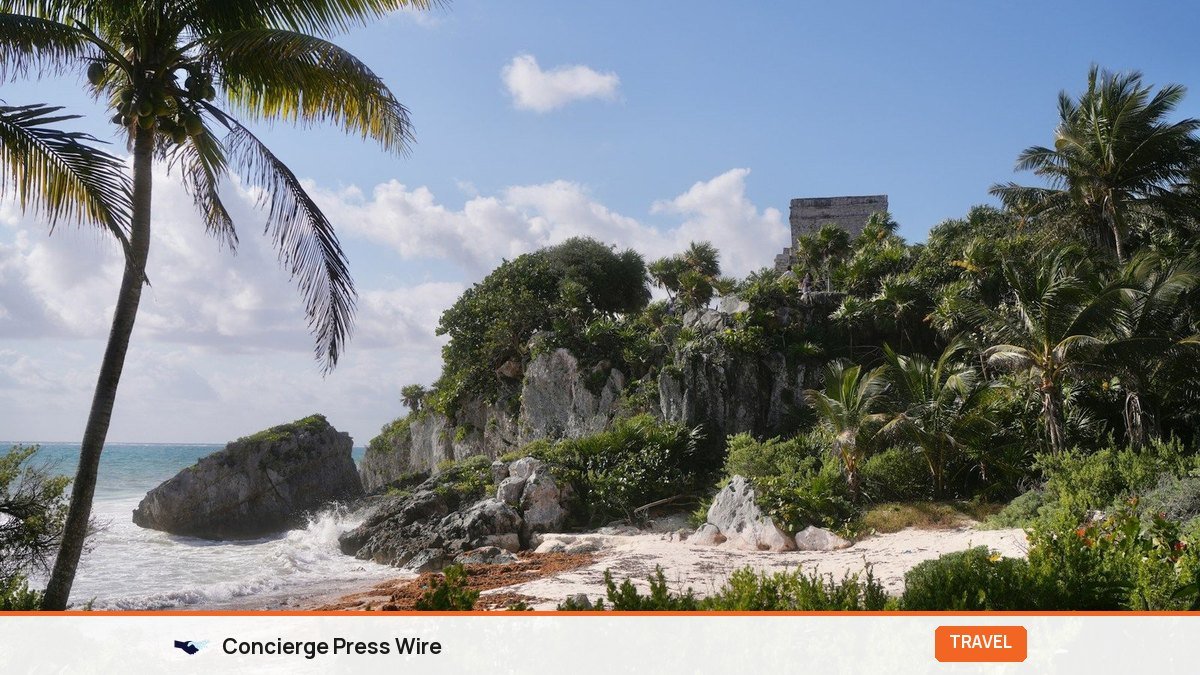
Mexico gathers dazzling beaches, ancient pyramids, and culture-packed cities into one easy-to-explore destination, which is why searches for famous places in Mexico surge year-round. This guide connects the dots between coastal escapes like Tulum, world wonders like Chichén Itzá, and urban icons like the National Museum of Anthropology to help design an itinerary that balances sun, history, food, and logistics. Expect curated highlights, time-saving routes, pro tips, and reasonable caveats so each stop delivers maximum value without overwhelm. In short: the most famous places in Mexico, mapped to real traveler needs.
Why Mexico tops bucket lists
Mexico blends UNESCO-listed ruins, colorful colonial towns, and beach hubs with strong visitor infrastructure and diverse tours, making it straightforward to craft multi-stop trips across different interests and budgets. Its breadth of attractions means travelers can pair Caribbean swimming mornings with museum afternoons or cenote dives with street food nights without long-haul jumps. Platforms like TripAdvisor and major tour aggregators consistently spotlight Mexico’s top draws, affirming both popularity and ease of access.
Quick itinerary frameworks by interest
- Culture + ruins: Mexico City for museums, then fly to Mérida or Cancún for Chichén Itzá and Tulum; add Valladolid and cenotes for variety.
- Beach + nature: Base in Riviera Maya (Tulum, Playa del Carmen) for beaches and cenotes, then add Bacalar’s lagoon or Cabo San Lucas for desert-meets-sea landscapes.
- Colonial cities: Combine Guanajuato, Oaxaca, and Mérida for architecture, markets, and regional cuisine, adding nearby archaeological zones as time allows.
Chichén Itzá: a world wonder
Chichén Itzá is one of the most visited archaeological sites in the country and recognized by UNESCO for its significance as a major Mayan center, anchored by the iconic El Castillo pyramid dedicated to Kukulcán. The complex spans around two square miles with highlights such as the Great Ball Court, Temple of the Warriors, and El Caracol observatory, and typical visits take three to five hours. The site’s Sacred Cenote underscores the city’s spiritual and hydrological importance, tying mythology to the Yucatán’s unique freshwater systems.
Practical tips for Chichén Itzá
Arrive early to minimize heat and crowds, and budget half a day including transfers if coming from Cancún, Playa del Carmen, or Mérida. Pack water, sun protection, and comfortable shoes—shade is limited and distances between structures add up; a certified guide can enrich context on Maya-Toltec influences. Consider pairing the site with a cenote stop or Valladolid for a balanced day that blends history and relaxation.
Mini-summary
- What stands out: El Castillo and the Sacred Cenote bring engineering, astronomy, and ritual together.
- Who it’s for: History lovers, families, photographers, and first-timers targeting a marquee sight.
- Caveat: Intense midday sun and limited shade; plan around peak hours.
Tulum: ruins above a turquoise sea
Tulum’s seaside ruins sit dramatically on a cliff, one of the few Maya sites with direct access to beaches below El Castillo and the Templo del Dios del Viento. The setting frames a rare combination—ancient architecture against Caribbean blues—making swims after a walk among temples a signature experience. Visitor guidance advises arriving early, bringing a hat and water, and noting that access to climb structures is restricted to protect the site.
What to see at Tulum Ruins
El Castillo likely functioned as a navigational beacon for Maya sailors, and the Temple of the Frescoes contains murals tied to cosmology and deity iconography. A preserved perimeter wall, several meters high and thick, illustrates defensive design and city planning. The path network funnels visitors to cliffside viewpoints and the sand, creating a natural loop between ruins and beach time.
Tulum logistics and tips
On-site tours last about two hours, with tickets sold at the entrance and last entry mid-afternoon, favoring early starts that dodge tour-bus peaks after 11am. The beaches below the cliffs can be crowded; a second cove near the wind god temple is often closed but serves as a scenic overlook. If staying in the Hotel Zone, the Tulum-Boca Paila stretch offers easy beach access after a morning at the ruins.
Mini-summary
- What stands out: A rare ruins-plus-beach combo with dramatic cliffs and swimmable coves.
- Who it’s for: Photographers, casual history fans, and beach-first travelers wanting a culture hit.
- Caveat: Tight visiting window, limited shade, and no climbing on structures.
Mexico City: museums, food, neighborhoods
Mexico City is frequently highlighted for its depth: world-class museums like the National Museum of Anthropology, layered neighborhoods, and day trips to pyramids like Teotihuacan. The capital’s cultural density makes it a smart hub for first-time travelers aiming to sample art, cuisine, and history in one base. Many curated attraction lists place Mexico City’s flagship museum among the country’s most visited stops.
What to prioritize in CDMX
- National Museum of Anthropology for Mesoamerican collections and context across civilizations.
- Historic Center and cathedral squares for colonial architecture and street-level energy.
- Day excursions to archeological sites and canals add variety without changing hotels.
Pitfalls and fixes in CDMX
Trying to do everything leads to fatigue; cap museum time at a few hours per day and vary indoor with outdoor stops. Spacing meals in culinary neighborhoods prevents long waits and keeps energy up between sights. Prebooking popular experiences reduces line time, leaving room for serendipitous markets and plazas.
Riviera Maya and Playa corridor
The Riviera Maya links Cancún, Playa del Carmen, Cozumel, and Tulum with beaches, snorkeling, cenotes, and day-trip access to ruins, making it one of the classic places to go in Mexico for all-in-one convenience. This corridor’s draw shows in rankings and user traffic across major platforms, reflecting dependable weather windows and family-friendly activities. Divers and snorkelers also use the area as a base for reefs, with ferries connecting to Cozumel.
Cenotes and quick calculations
Combining Chichén Itzá with a cenote swim is common; accounting for a 2.5-hour drive each way and a 3–5 hour site visit yields a 9–10 hour day including meals. A lighter formula is 2–3 cenotes near Tulum or Valladolid with 30–40 minutes each plus transit breaks for an active half-day. Early starts are key to reduce crowd density and wait times at popular pools.
Mini-summary
- What stands out: High density of beaches, ruins access, and water activities in one route.
- Who it’s for: Families, first-timers, divers, and mixed-interest groups.
- Caveat: Peak-season crowding; schedule-sensitive experiences should be booked ahead.
Cabo San Lucas: desert meets sea
Cabo San Lucas sits where Baja California’s desert scenery tumbles into the Pacific, a contrast-rich destination for boat tours, arch rock photos, and whale-watching seasons. Destination videos and guides regularly include Cabo among top Mexico highlights for its coastal formations and resort infrastructure. The combination of marine excursions and upscale stays keeps it popular for long weekends and fly-and-flop breaks.
Pros and cons of Cabo
- Pros: Striking rock arches, reliable sun, day-cruises, and dining clusters near the marina.
- Cons: Resort prices can run higher than mainland alternatives; limited historic sites in-town.
Practical tip
If prioritizing nature variety, pair Cabo with a road trip to nearby Todos Santos or the East Cape for quieter beaches and different surf conditions within a short radius. Video-curated lists emphasize mixing Cabo with other Baja stops for texture.
Guanajuato and colonial charm
Guanajuato’s lanes, tunnels, and candy-hued facades make it a photogenic colonial city that often appears on favorites lists alongside ruins and beaches. As a former silver-mining hub, it pairs architecture and history with a lively cultural calendar, inviting two to three days of strolls and museums. Its central location works well in circuits with other colonial cities or as a break between coast and capital.
How to slot Guanajuato
Fly into Bajío Airport and loop to San Miguel de Allende or Querétaro for a two-city tasting of plazas and baroque churches. Festival periods add energy but increase rates; off-peak visits preserve ambiance and deliver better hotel value. Allocate afternoons for viewpoint climbs when light favors photos of the city bowl.
Bacalar: the lagoon of seven colors
Bacalar’s vast freshwater lagoon shows layered blues in shallows and deeper channels, creating a low-key alternative to busier Caribbean strips. Travelers often tag it at the end of a Riviera Maya trip to decompress and kayak flat waters without surf. As with other Quintana Roo spots, Bacalar features prominently in contemporary highlight reels for its serene pace and color-rich visuals.
When to choose Bacalar
Pick Bacalar if the aim is paddle-first and crowd-last, with small-town dining and pre-dawn sunrises over still water. Use car rentals to move between cenotes and viewpoints outside limited public transport timetables. Combine it with Tulum or Mahahual for a balanced coastal-freshwater pairing.
Copper Canyon and northern landscapes
Copper Canyon in Chihuahua often appears on curated “top places” lists for its canyons larger in scale than the Grand Canyon and the scenic rail route cutting the massif. For nature-forward travelers who have seen beaches and ruins, this is a bold counterpoint that reframes Mexico as a land of rugged peaks and deep ravines. The route pairs with small towns and viewpoints that reward slow travel.
Pros, cons, and timing
- Pros: Panoramic train sections, vast lookouts, and cooler temperatures at elevation.
- Cons: Longer logistics, fewer direct flight options compared with coastal hubs.
- Tip: Anchor the rail journey and build around viewpoint nights to reduce packing churn.
Yucatán’s cenotes and Valladolid
The Sacred Cenote at Chichén Itzá introduces the hydrology that defines the Yucatán: limestone sinkholes punctuating the jungle with clear freshwater. Valladolid serves as a compact base to hop between cenotes, ruins, and pastel streets, smoothing a Chichén Itzá day with nearby swims. Guides note that visitors commonly devote several hours on-site and then cool off at a cenote before returning to coastal hotels.
How to structure a cenote day
- Morning: Chichén Itzá with a 7–8am arrival to beat heat and buses.
- Midday: Lunch in Valladolid and a cenote swim within 15–30 minutes of town.
- Afternoon: Return to coast or add a second cenote for photos and snorkeling.
Acapulco, Guadalajara, and classic names
Roundups of places to go in Mexico still include Acapulco for cliff-diving lore and beachfront legacy, even as other resort cities outshine it for international arrivals. Guadalajara ranks for its cultural institutions, churches, and creative suburbs, providing a city break that leans local. Both destinations offer defined attractions lists and tips that simplify planning inside urban grids.
Quick hits and pro tips
Markets in Acapulco double as culture samplers and souvenir hunts, while Guadalajara rewards neighborhood exploration and local advice for navigating transport. Meanwhile, regional day trips add depth—a common pattern for Mexican cities with strong cultural cores. These snapshots align with contemporary destination guides that balance highlights and logistics.
Tulum beach strategy after ruins
Tulum’s main beach under El Castillo fills by late morning, so a swim right after site opening can secure cleaner views and fewer bathers. A second beach beneath the wind god temple is often closed off, but the lookout remains worthwhile for photos. Given the heat and limited shade, alternating 30-minute ruins segments with water breaks keeps energy steady.
Ticketing and entry windows
Tickets are sold onsite, with last entry mid-afternoon and the site closing early evening, encouraging an early-bird plan. Certified guides wait near the entrance and visitor complex for walk-up tours that last about two hours. Respect barriers around structures to protect fragile stone from erosion.
National Museum of Anthropology anchor day
Most “top attractions in Mexico” lists center this museum, which frames pre-Hispanic civilizations and contextualizes later stops to ruins across the country. Pair the museum with a lighter afternoon—parks or a neighborhood food walk—to avoid cultural overload. This sequencing keeps energy for multi-day city stays while tying together themes from artifacts to field sites.
How it supports a ruins-focused trip
Seeing stelae, carvings, and reconstructed temple art clarifies motifs later spotted in Chichén Itzá and Tulum. Understanding regional differences in exhibits primes smarter questions for on-site guides at ruins. This pre-learning shortens orientation time at archaeological zones.
Choosing between coasts: Caribbean vs. Pacific
The Caribbean side (Cancún to Tulum) emphasizes reef access, cenotes, and white-sand beaches, with day trips to major ruins and colorful inland towns. The Pacific and Baja highlight dramatic rock formations, whale migrations, and surf conditions, with Cabo San Lucas a recurring favorite. Traveler lists tend to separate these experiences; connecting them by air builds contrast-heavy itineraries.
Budget and time trade-offs
- One-coast trips cut transfers, freeing time for deeper local exploration.
- Two-coast trips maximize variety but add flight costs and packing churn; limit to two hubs.
- Off-peak months improve hotel rates and reduce crowd density on both sides.
Safety, crowds, and realistic pacing
Popular sites naturally draw crowds, so early arrivals and prebooked tours guard against lost time in lines. Build heat breaks into midday, especially at exposed ruins with minimal shade. Balance two “big” days with a lighter day to keep energy and morale high on longer trips.
Sample 7-day route: beaches to ruins
- Day 1–2: Tulum base—ruins at opening, beach time, cenote afternoon.
- Day 3: Chichén Itzá early, lunch in Valladolid, cenote swim after.
- Day 4–5: Riviera Maya snorkel day or ferry to Cozumel; relax day.
- Day 6–7: Fly to Mexico City—museum, historic center, food tour; Teotihuacan day trip optional.
This route layers famous places in Mexico for a mix of water, ruins, and culture with minimal backtracking and manageable transit windows. It aligns with common highlight lists while leaving room for personal interests.
When to add Cabo or Copper Canyon
If a second week is available, add Cabo for marine life and landscapes, or head north for Copper Canyon’s rail scenery and cliff views. Both deliver a different side of the country that complements the Caribbean-led first week. The trade-off is additional flights and a focus shift from ruins to nature.
Value lens
Travelers who prioritize highlights-heavy photo albums will appreciate Cabo’s arches and sunsets, while rail and hiking fans will favor canyon viewpoints. Choose one extension to avoid spreading the schedule too thin. This concentrated add-on approach outperforms quick-skim multi-stop blitzes.
Famous places in Mexico: concise roundup
- Chichén Itzá: UNESCO-listed, El Castillo, Sacred Cenote.
- Tulum: cliffside ruins with beach access.
- Mexico City: flagship museum and cultural core.
- Riviera Maya: reef, cenotes, and easy day trips.
- Cabo San Lucas: arches and boat excursions.
- Guanajuato: colonial architecture and city views.
- Bacalar: calm lagoon paddling and recovery days.
Pitfalls to avoid
- Overstuffed days at exposed ruins cause burnout; keep heat windows short and hydrate.
- Skipping early entries leads to lines and harsh light for photos.
- Ignoring local guidance can restrict access; follow site rules to protect fragile areas.
Cost-savvy moves
Buying tickets onsite at Tulum keeps plans flexible but makes early arrival critical to avoid queues. In city cores, prebook marquee attractions or guided tours for time efficiency even if prices are slightly higher. For long transfers, weigh the value of small-group tours that bundle transport, entry, and guiding.
Micro case notes: two traveler profiles
- Family of four, 6 days: Tulum base with alternating activity/rest days; one long Chichén Itzá day; skip extra transfers; simple museum afternoon in CDMX. Results: fewer meltdowns, strong memory anchors.
- Photographer couple, 8 days: Sunrise at ruins, late beach swims, Valladolid overnights, Bacalar 2 nights, Mexico City murals and museum day. Results: better light windows, diverse portfolio, manageable logistics.
Packing for famous places
- Essentials: hat, sunscreen, reusable bottle, breathable layers, walking shoes for ruins.
- Nice-to-have: compact snorkel gear for spontaneous swims and cenotes.
- Admin: offline maps and cash for small vendors near sites.
Ethical and conservation considerations
Respect barriers at archaeological zones to limit wear on ancient stone and help maintain public access. Pack out trash from beaches and cenotes to preserve ecosystems central to the destination’s appeal. Following site rules ensures future travelers can experience these landmarks as intended.
Mini-summary: how to choose
Center a trip around 2–3 anchors—Chichén Itzá, Tulum, and Mexico City—then add one nature-heavy extension like Bacalar or Cabo. This structure balances famous places in Mexico with realistic pacing and varied daily rhythms. It also keeps transfers efficient while covering classic highlights.
Conclusion
From cliffside Tulum to the pyramid of Kukulcán and the halls of Mexico’s premier museum, Mexico’s headline sights earn their reputation when sequenced with care. A successful plan layers early starts, hydration, and selective prebooking with buffer days for beaches and cenotes, turning “must-see” lists into smooth, memorable routes. Use the frameworks here to choose the right mix of ruins, water, and city culture—and let the country’s range do the rest.
FAQs
- What are the most famous places in Mexico for first-timers? Chichén Itzá, Tulum Ruins, and Mexico City’s National Museum of Anthropology consistently appear on top attraction lists, pairing ruins, beaches, and culture in an efficient route.
- Are Tulum Ruins worth it if beaches are the priority? Yes—Tulum is one of the rare sites with beaches just below the ruins, allowing a swim after a morning among temples and cliff viewpoints.
- How long to spend at Chichén Itzá? Most visitors spend three to five hours on-site, plus transfers; plan a cenote or Valladolid stop to cool down and break the day.
- What’s the best way to avoid crowds at famous places in Mexico? Arrive at opening for ruins like Tulum and Chichén Itzá, prebook key city attractions, and alternate heavy sightseeing with lighter beach or market time.
- Is Cabo San Lucas a good add-on to a Yucatán trip? For dramatic rock formations and marine outings, Cabo complements Caribbean reefs and cenotes, but expect extra flights and higher resort pricing.
- Which colonial city pairs well with beach hubs? Guanajuato frequently features in curated highlight lists and pairs nicely with other colonial towns for architecture and viewpoints after coastal stays.
- Are guided tours worth it at ruins? Certified guides at sites like Tulum offer two-hour tours that add context on cosmology, navigation, and city planning, which many find valuable.
Related guides
References
- INAH — Mexico’s national institute for archaeological sites.