Dengue Symptoms, Prevention and Home Care for Indian Families
A practical dengue guide for Indian families: early symptoms, the warning signs that need hospital care, which tests to take when, safe home care and weekly prevention steps.
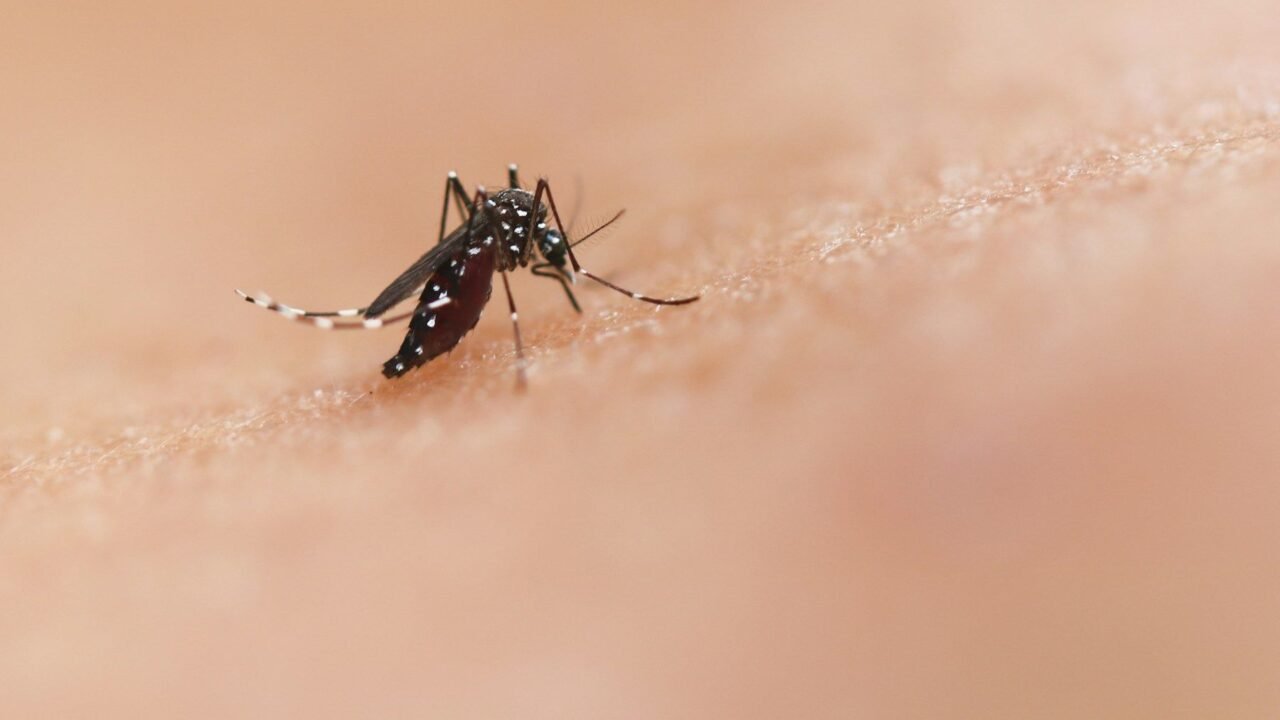
Dengue usually starts as a sudden high fever with severe body ache and pain behind the eyes, and most people recover at home in one to two weeks with rest, fluids and paracetamol. The danger lies in a small window, often just as the fever comes down, when some patients develop warning signs that need hospital care. This guide explains the symptoms, the tests, safe home care, the warning signs every family should memorise, and practical prevention for Indian homes during the post-monsoon peak.
This article is for general awareness. Always consult a doctor if you or a family member has a fever during dengue season.
Key Takeaways
- India reported 2,89,235 dengue cases in 2023 and 1,21,824 in 2025, according to the National Center for Vector Borne Diseases Control (NCVBDC).
- Symptoms usually appear 4 to 10 days after the mosquito bite and last 2 to 7 days.
- Use only paracetamol for fever; the WHO advises avoiding ibuprofen and aspirin because they increase bleeding risk.
- The riskiest phase is often when the fever falls. Severe abdominal pain, persistent vomiting, bleeding gums or blood in vomit or stool mean go to hospital immediately.
- The Aedes mosquito bites during the day and breeds in clean standing water, so a weekly “dry day” at home is the single most useful prevention step.
What Is Dengue and Why Cases Peak After the Monsoon
Dengue is a viral infection spread mainly by the Aedes aegypti mosquito. There are four types (serotypes) of the dengue virus. Getting infected with one gives you lasting protection only against that type. According to the World Health Organization, people infected a second time are at greater risk of severe dengue.
In India, cases rise with the monsoon and usually peak between August and November. Rainwater collects in coolers, flower pot trays, tyres, construction sites and rooftop junk, and the Aedes mosquito needs only a small amount of clean, still water to breed. September and October are typically the busiest months in hospitals across Delhi, Uttar Pradesh, Karnataka, Maharashtra, Kerala and Tamil Nadu.
India’s dengue numbers
Official figures from the NCVBDC dengue situation page show how much the burden varies year to year:
| Year | Reported cases | Reported deaths |
|---|---|---|
| 2021 | 1,93,245 | 346 |
| 2022 | 2,33,251 | 303 |
| 2023 | 2,89,235 | 485 |
| 2024 | 2,33,519 | 297 |
| 2025 | 1,21,824 | 131 |
These are reported cases. Many mild infections are never tested, so the true number is higher. The point for families is simple: dengue is common, most cases are manageable, and deaths are largely preventable with timely care.
Dengue Symptoms: What to Watch For
The WHO notes that most people with dengue have mild or no symptoms. When symptoms appear, they usually begin 4 to 10 days after the infected bite and last 2 to 7 days. Typical signs:
- Sudden high fever, often around 104 degrees Fahrenheit (40 degrees Celsius)
- Severe headache
- Pain behind the eyes, which worsens when moving the eyes
- Muscle and joint pain (the reason dengue is called “breakbone fever”)
- Nausea and vomiting
- Swollen glands
- A skin rash, often appearing a few days into the illness
- Extreme tiredness and loss of appetite
Dengue in children and older adults
Young children may show only fever, irritability, poor feeding and vomiting, without the classic body pain. Elderly people and those with diabetes, heart disease, kidney disease or obesity have a higher risk of complications. In these groups, see a doctor early rather than waiting to see if the fever settles.
How dengue differs from other monsoon fevers
| Feature | Dengue | Malaria | Viral flu |
|---|---|---|---|
| Fever pattern | Sudden, high, continuous for 2 to 7 days | Often with chills, can come in cycles | Moderate, with cough and cold |
| Body pain | Severe, with pain behind the eyes | Moderate | Mild to moderate |
| Cough and runny nose | Uncommon | Uncommon | Common |
| Rash | Common | Rare | Rare |
| Key test | NS1 antigen, IgM antibody, platelet count | Blood smear or rapid antigen test | Usually clinical |
Only a blood test can confirm which infection it is, which is why a doctor will usually order tests for dengue and malaria together during the season.
Warning Signs: When to Go to Hospital Immediately
Many families relax when the fever breaks. With dengue, this is exactly when to stay alert. The phase just after the fever subsides, often around days 3 to 7 of the illness, is when fluid can leak from blood vessels and platelets can fall quickly.
The WHO lists these signs of severe dengue. If you notice any of them, go to a hospital without waiting:
- Severe abdominal pain
- Persistent vomiting
- Rapid breathing
- Bleeding gums or nose
- Blood in vomit or stool
- Extreme thirst
- Pale, cold or clammy skin
- Restlessness, unusual drowsiness or weakness
Also watch for passing very little urine in 6 to 8 hours, which suggests dehydration. In children, refusal to drink and unusual sleepiness are red flags.
Tests for Dengue and When to Get Them
Timing matters because different tests pick up the infection at different stages.
- NS1 antigen test: Most useful in the first few days of fever, roughly days 1 to 5.
- IgM antibody test (ELISA): Becomes positive later, usually after about day 5.
- Complete blood count (CBC): Tracks platelet count and haematocrit (PCV). A rising haematocrit together with falling platelets is something your doctor will watch closely.
Under the national programme, sentinel surveillance hospitals and government laboratories offer ELISA-based dengue testing. Private labs also offer rapid kits, but a positive rapid result is usually confirmed with ELISA. Your doctor may repeat the CBC daily or every alternate day during the critical phase.
Home Care for Mild Dengue
The WHO is clear that there is no specific antiviral treatment for dengue. Care focuses on managing symptoms and preventing dehydration. For a patient whose doctor has advised home care:
Do
- Rest completely. No office, no school, no gym until the doctor clears it.
- Drink plenty of fluids. ORS, coconut water, nimbu pani, buttermilk, clear soups, dal water and plain water. Aim for steady sips through the day rather than a lot at once.
- Use paracetamol for fever and pain, in the dose your doctor prescribes. Do not exceed the daily limit, as excess paracetamol harms the liver.
- Sponge with lukewarm water to bring the temperature down.
- Eat light, easy food: khichdi, dal-chawal, idli, curd rice, fruits and soups.
- Keep a simple chart of temperature, fluid intake, urine output and any warning signs. It helps the doctor enormously.
- Sleep under a mosquito net, even during the day. A mosquito that bites a dengue patient can pass the virus on to others in the family.
Don’t
- Don’t take ibuprofen, aspirin, diclofenac or other painkillers (NSAIDs). The WHO warns they increase the risk of bleeding.
- Don’t take antibiotics or steroids on your own. Antibiotics do nothing against a virus, and steroids are not a standard treatment for dengue.
- Don’t get injections or IV drips at a local clinic without a proper diagnosis. Wrong fluids or intramuscular injections can cause harm when platelets are low.
- Don’t panic over one platelet number. Platelets often fall and then recover. Your doctor looks at the trend, haematocrit and your symptoms together.
Platelets, Papaya Leaf and Other Myths
Every dengue season brings a wave of WhatsApp forwards. Here is how to think about the common ones.
“Platelets must be transfused if they fall below one lakh”
False. A low platelet count is expected in dengue. Transfusion is reserved for specific situations, such as significant bleeding or very low counts, and that decision belongs to the treating doctor. Unnecessary transfusions carry their own risks and use up blood that other patients need.
“Papaya leaf juice cures dengue”
Some small studies have looked at papaya leaf extract and platelet counts, but it is not a cure and is not a replacement for medical care. If you want to try it, ask your doctor first, and never delay hospital care because someone is “trying papaya leaf” at home.
“Once you’ve had dengue, you can’t get it again”
False. You are protected only against the serotype you had. A later infection with a different type is possible and carries a higher risk of severe disease.
“Dengue spreads from person to person”
Not directly. It spreads through mosquito bites. That said, a mosquito biting an infected person can carry the virus to others, which is why nets and repellents matter for the patient too.
How to Prevent Dengue at Home and in Your Society
The Aedes mosquito is a home mosquito. It breeds in clean water that stands for about a week and bites mainly during daytime, especially early morning and late afternoon. Prevention is therefore mostly about your own house and building.
Weekly “dry day” checklist
Many municipal bodies run anti-dengue campaigns asking families to observe one dry day a week. Pick a fixed day, say every Sunday morning, and go through this list:
- Empty, scrub and dry the water tray of the air cooler. Coolers are among the most common breeding sites in North Indian homes.
- Empty flower pot trays, bird baths and pet water bowls, and refill fresh.
- Cover overhead tanks, drums and buckets with tight lids.
- Throw out old tyres, coconut shells, broken pots and plastic containers from the terrace and balcony.
- Check the fridge drip tray and AC drainage outlets.
- Change water in money plant bottles and decorative bowls.
- Clear blocked gutters and roof drains that hold water.
Personal protection
- Wear full-sleeve shirts and long trousers, especially for children going to school and parks in the morning and evening.
- Use mosquito repellent creams or sprays on exposed skin, following the label instructions. Check the age guidance before using on children.
- Fit mesh screens on windows and doors.
- Use mosquito nets for anyone who sleeps during the day, including infants, elderly family members and night-shift workers.
- Plug-in vaporisers and coils help indoors, but ventilate rooms and keep them away from infants.
At society and community level
Ask your RWA or society committee to check construction sites, the basement, water tank lids and garden areas every week during the season. Report stagnant water in public areas to your municipal corporation; most cities run helplines or apps for complaints during the monsoon.
Is There a Dengue Vaccine in India?
Globally, the WHO notes that one vaccine, QDenga, is licensed in some countries for children aged 6 to 16 in high-transmission areas. In India, the Indian Council of Medical Research (ICMR) and Panacea Biotec began a Phase 3 clinical trial of an indigenous tetravalent vaccine, DengiAll, in August 2024, with more than 10,000 adult participants across 19 sites, according to Panacea Biotec’s announcement. For now, prevention through mosquito control remains the main defence. Ask your doctor about the current status of dengue vaccines before assuming one is available to you.
Frequently Asked Questions
What are the first symptoms of dengue?
Dengue usually begins with a sudden high fever, severe headache, pain behind the eyes, and muscle and joint pain. Nausea, vomiting and a rash may follow. Symptoms typically start 4 to 10 days after the mosquito bite.
Which medicine is safe for dengue fever?
Paracetamol, in the dose prescribed by your doctor, is the standard medicine for fever and pain in dengue. Avoid ibuprofen, aspirin and other NSAIDs, which increase bleeding risk.
What platelet count is dangerous in dengue?
There is no single number that decides everything. Doctors look at the platelet trend together with haematocrit, blood pressure, fluid intake and warning signs. Any bleeding, severe abdominal pain or persistent vomiting needs hospital care regardless of the count.
How long does dengue last?
The fever usually lasts 2 to 7 days, and most people recover within one to two weeks. Tiredness and weakness can continue for a few weeks afterwards, so return to work and exercise gradually.
Can dengue be treated at home?
Mild dengue is often managed at home with rest, fluids and paracetamol, but only after a doctor has assessed the patient and advised home care. Daily monitoring for warning signs is essential.
What time of day does the dengue mosquito bite?
The Aedes mosquito bites mostly during the day, with peaks in the early morning and late afternoon. That is why full sleeves, repellent and nets for daytime sleepers are important.
Stay Alert Through the Season
Dengue season in India runs well into November. Keep your home free of standing water with a weekly dry day, protect children during daytime hours, and treat any sudden high fever seriously enough to see a doctor and get tested. If someone in the family does get dengue, stick to paracetamol and fluids, keep a simple symptom chart, and head to the hospital at the first warning sign, especially as the fever begins to fall.