Fatty Liver Diet for Indians: Foods, Sample Menu, Targets
An Indian-food guide to fatty liver (MASLD): what to eat and limit, a 7-day menu, weight and waist targets, exercise goals and follow-up tests.
A fatty liver diet for Indians is less about special foods and more about fixing the everyday plate: fewer refined carbs and sugary drinks, more vegetables and protein, smaller portions of rice and roti, and very little fried food or alcohol. This guide explains what fatty liver is, the weight-loss and exercise targets doctors use, a clear eat-more and eat-less table built around Indian food, a 7-day sample menu, and the tests and warning signs to discuss with your doctor.
Quick answer (updated November 2026): For most people with fatty liver, losing about 5% of body weight reduces liver fat, and 7 to 10% can reduce inflammation, according to recent international guidance. Eat a plate that is half vegetables, a quarter protein (dal, chana, paneer, curd, eggs, fish, chicken) and a quarter whole grains or millets; cut sugar, sweetened drinks, maida, fried snacks and alcohol; and aim for at least 150 minutes of activity a week plus some strength training. Follow your doctor’s advice on tests and medicines.
Key Takeaways
- Fatty liver not caused by alcohol is now usually called MASLD (metabolic dysfunction-associated steatotic liver disease) and often has no symptoms.
- Weight loss is the most effective treatment; even 5% makes a measurable difference, and lean Indians may benefit from smaller losses.
- Sugar, especially sweetened drinks and juices, and refined carbohydrates are the biggest dietary targets in Indian meals.
- At least 150 minutes of exercise a week helps the liver even before the scale moves.
- Alcohol should be avoided or kept to a minimum, and liver health needs regular follow-up tests.
What Is Fatty Liver?
Fatty liver means extra fat has built up inside liver cells. When it is linked to excess weight, high blood sugar, high triglycerides or high blood pressure rather than alcohol, it was earlier called NAFLD and is now usually called MASLD. The NHS describes four stages:
- Simple fatty liver (steatosis): fat build-up without significant damage. Most people stay at this stage.
- MASH (previously NASH): fat with inflammation.
- Fibrosis: scarring, though the liver usually still works well.
- Cirrhosis: severe scarring that affects liver function.
The early stages can improve with lifestyle changes. That is why a routine ultrasound report saying “Grade 1 fatty liver” is a useful warning, not something to ignore.
Why it is so common in India
Many Indians develop metabolic problems at a lower body weight than Western populations, and fat tends to collect around the abdomen. Diets heavy in white rice, maida, sugar in chai, sweets and fried snacks, combined with long hours of sitting, add to the risk. Fatty liver often appears together with type 2 diabetes, prediabetes, PCOS, high cholesterol and high blood pressure. It is also seen in people who look slim, which is sometimes called lean fatty liver.
Weight and Waist Targets
Weight loss is the best-studied treatment for fatty liver. A 2025 global consensus on MASLD and the 2024 European (EASL-EASD-EASO) guideline give broadly similar targets, summarised below. Your doctor will set your personal target.
| Weight loss from current weight | What it is linked to | Example for a 80 kg person |
|---|---|---|
| About 5% | Reduced liver fat | 4 kg |
| 7 to 10% | Reduced inflammation (MASH) | 5.6 to 8 kg |
| 10% or more | Possible improvement in fibrosis | 8 kg or more |
| 3 to 5% (normal-weight or lean patients) | Reduced liver fat in lean MASLD | Depends on starting weight |
Sources differ slightly on exact thresholds, but the direction is consistent: more sustained weight loss gives more liver benefit. Aim for a steady loss of about half a kilo to one kilo a week. Crash diets and very fast weight loss are not recommended and can stress the liver.
Watch your waist too
Waist size reflects belly fat, which matters a lot for fatty liver. Measure at the level of your navel after breathing out. Indian and Asian guidelines commonly use 90 cm for men and 80 cm for women as the point above which abdominal obesity raises metabolic risk. Track it monthly along with your weight.
Foods to Eat More Of
Build your meals around these. They are all regular Indian foods, not costly “superfoods”.
- Vegetables, especially non-starchy ones: lauki, tori, karela, bhindi, beans, cabbage, cauliflower, palak, methi, cucumber, tomato. Fill half the plate.
- Protein at every meal: dal, chana, rajma, moong sprouts, paneer (moderate), curd, buttermilk, eggs, fish, chicken. Protein keeps you full and protects muscle while you lose weight.
- Whole grains and millets in measured portions: jowar, bajra, ragi, broken wheat (dalia), brown or hand-pounded rice, whole-wheat roti.
- Whole fruits: guava, apple, orange, pear, papaya, berries, one serving at a time.
- Healthy fats in small amounts: a few almonds or walnuts, flaxseed, til, and cooking oils like mustard, groundnut or rice bran oil, measured by the spoon.
- Fibre: salads, sprouts, whole dals, and keeping the skin on vegetables where possible.
The US National Institute of Diabetes and Digestive and Kidney Diseases (NIDDK) advises choosing low-glycaemic foods such as most fruits, vegetables and whole grains, and replacing saturated and trans fats with unsaturated fats.
Foods to Limit or Avoid
| Limit or avoid | Why | Swap with |
|---|---|---|
| Sugary drinks: cola, packaged juice, sweetened lassi, energy drinks | Large amounts of simple sugars, especially fructose, are linked to liver fat | Plain water, chaas, nimbu pani without sugar, coconut water occasionally |
| Sugar in chai and coffee, mithai, biscuits | Added sugar adds up fast across five cups a day | Cut sugar gradually; save sweets for occasions |
| Maida: white bread, naan, bakery items, instant noodles, pav | Refined carbs spike blood sugar | Whole-wheat or millet roti, multigrain dosa |
| Large portions of white rice | High glycaemic load in big servings | Smaller portion with extra dal and sabzi, or mix with millets |
| Fried snacks: samosa, pakoda, bhujia, chips, puri | Calorie-dense; repeatedly heated oil adds trans fats | Roasted chana, makhana, sprouts chaat, dhokla |
| Vanaspati, excess ghee and butter | Saturated and trans fats | Measured cooking oil; a small spoon of ghee if you like the taste |
| Processed meats, fried non-veg | High saturated fat and salt | Grilled, tandoori or curry-style fish and chicken |
| Alcohol | Directly harms the liver and adds calories | Avoid, or follow your doctor’s limit strictly |
What about fruit sugar?
The concern about fructose relates mainly to added sugars and juices, not whole fruit. Whole fruit comes with fibre and water. One serving of fruit at a time, two or three times a day, is fine for most people, unless your doctor advises otherwise for diabetes control.
The Indian Fatty Liver Plate
Instead of counting every calorie, use this plate model at lunch and dinner:
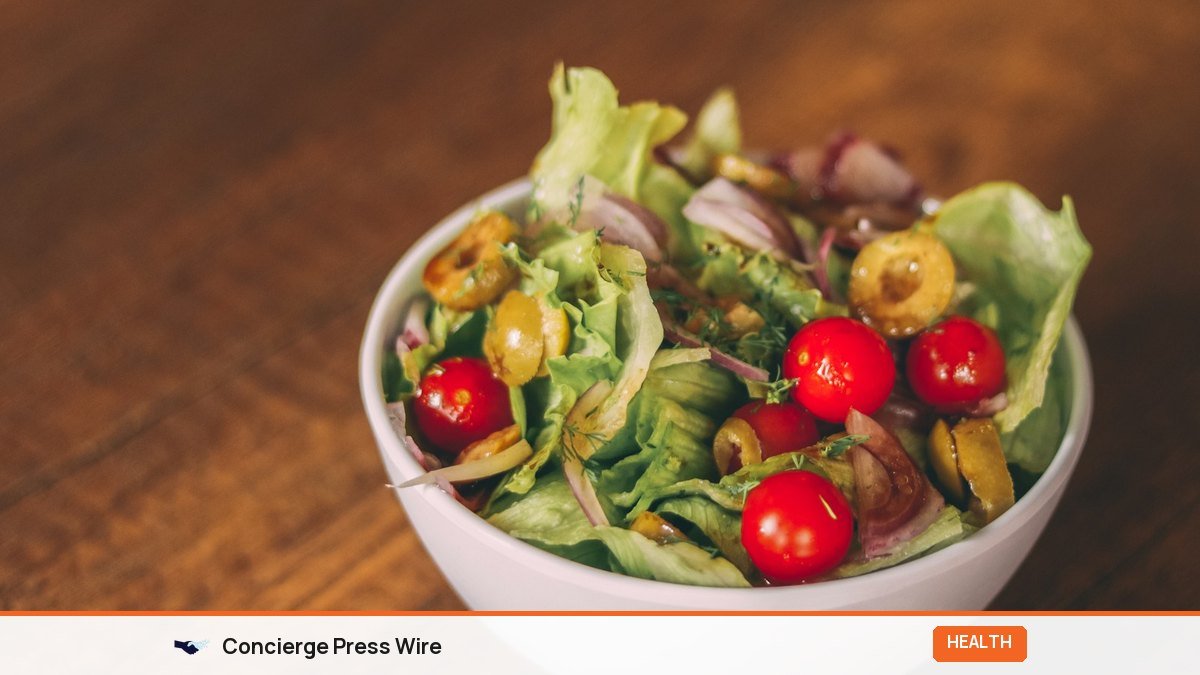
- Half the plate: sabzi and salad (non-starchy vegetables).
- A quarter: protein, such as a katori of thick dal, chana, paneer bhurji, egg curry, fish or chicken.
- A quarter: carbs, such as one or two medium rotis or a small katori of rice or millets.
- On the side: curd or a glass of chaas.
If you have diabetes as well, our Indian diabetes diet plan uses the same plate idea with glycaemic index guidance.
7-Day Sample Indian Menu for Fatty Liver
This is an illustrative menu for an adult without other dietary restrictions. Adjust portions to your calorie needs, and ask a dietitian to tailor it if you have diabetes, kidney disease or other conditions.
| Day | Breakfast | Lunch | Evening snack | Dinner |
|---|---|---|---|---|
| Mon | Vegetable poha with peanuts (small), unsweetened tea | 2 jowar rotis, dal, lauki sabzi, salad, chaas | 1 guava | Moong dal chilla, mint chutney, sauteed vegetables |
| Tue | 2 egg omelette with onion-tomato, 1 whole-wheat toast | Small rice, rajma, cabbage sabzi, cucumber raita | Roasted chana | Vegetable dalia khichdi with curd |
| Wed | Ragi dosa with sambar | 2 rotis, palak paneer (less cream), salad | Buttermilk and a few almonds | Clear vegetable soup, grilled fish or tofu, sauteed greens |
| Thu | Besan chilla with vegetables, curd | 2 bajra rotis, mixed dal, bhindi sabzi, salad | 1 apple | Methi thepla (2), dahi, cucumber |
| Fri | Oats upma with vegetables | Small rice, fish or chana curry, beans poriyal, salad | Sprouts chaat with lemon | Vegetable soup, paneer tikka (grilled), salad |
| Sat | Idli (3) with sambar, coconut chutney (small) | 2 rotis, chicken or soya curry, tori sabzi, raita | Makhana roasted in a little oil | Moong dal khichdi with lots of vegetables, curd |
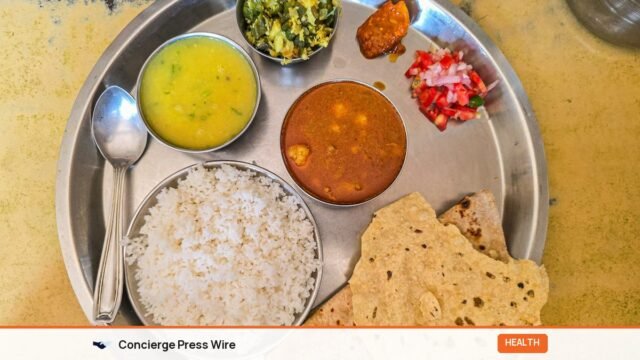
| Sun | Vegetable upma with a boiled egg or sprouts | Home-style thali with small portions: 1 roti, small rice, dal, two sabzis, salad | 1 orange | Light dinner: soup and salad with chana or paneer |
Three practical rules make this menu work: eat dinner at least two to three hours before bed, measure oil (two to three teaspoons per person per meal is a useful cap), and keep tea and coffee unsweetened or nearly so.
Exercise Targets
Exercise reduces liver fat even when weight loss is modest. The NHS advises at least 150 minutes of exercise a week for people with fatty liver, in line with the World Health Organization’s physical activity guidelines of 150 to 300 minutes of moderate activity a week plus muscle-strengthening on two or more days.
| Type | Target | Indian-life examples |
|---|---|---|
| Moderate aerobic | 30 minutes, 5 days a week | Brisk walking after dinner, cycling, swimming, dancing to garba or Zumba |
| Strength training | 2 or more days a week | Squats, push-ups against a wall, resistance bands, gym weights |
| Less sitting | Break every 30 to 45 minutes | Walk during phone calls, take the stairs, stand while checking messages |
If you have heart disease, joint problems or have been inactive for years, start with 10-minute walks and get your doctor’s go-ahead before strenuous exercise.
Tests, Follow-up and Warning Signs
Fatty liver usually has no symptoms, so tests guide treatment. Your doctor may use:
- Liver function tests (SGPT/ALT, SGOT/AST and others)
- Ultrasound to see fat in the liver
- Scores like FIB-4 (calculated from routine blood tests) or a FibroScan to estimate scarring
- Blood sugar, HbA1c, lipid profile and blood pressure, since these are closely linked
Normal liver enzymes do not always mean a healthy liver, so do not skip follow-up just because one report looks fine. See a doctor promptly for yellow eyes or skin, swelling in the belly or legs, vomiting blood, black stools, confusion or unexplained weight loss.
Supplements and “liver detox” products
Be wary of liver detox teas and herbal capsules. Some herbal and dietary supplements have themselves been linked to liver injury. Tell your doctor about every supplement you take, and do not start any without advice.
Frequently Asked Questions
Can fatty liver be reversed?
Early-stage fatty liver can often improve significantly with weight loss, diet changes and exercise. Guidance links about 5% weight loss to lower liver fat and 7 to 10% to reduced inflammation. Advanced scarring is harder to reverse, which is why early action matters.
Is rice bad for fatty liver?
Rice is not forbidden, but large portions of white rice raise blood sugar. Eat a small portion with plenty of dal and vegetables, or mix in millets or brown rice.
Can I drink tea or coffee with fatty liver?
Plain tea or coffee without sugar is generally fine for most people. The bigger problem is the sugar and biscuits that come with them. Ask your doctor if you have other conditions.
Is ghee allowed in a fatty liver diet?
A small amount is acceptable for most people, but ghee is a saturated fat and high in calories. Keep it to a teaspoon a day at most, and use measured vegetable oils for cooking.
Can thin people get fatty liver?
Yes. Lean fatty liver is well recognised, particularly in Asian populations. A smaller weight loss of 3 to 5%, diet changes and exercise are still advised.
How soon will my liver improve?
It varies. Many people see better liver enzymes and ultrasound findings within a few months of steady weight loss and exercise. Your doctor will decide when to repeat tests.
Start With Three Changes This Week
Stop sugary drinks and packaged juices, halve the sugar in your tea, and walk briskly for 30 minutes after one meal every day. Next week, rebuild lunch and dinner around the half-vegetable plate. Small, steady changes are what move liver numbers over months.
This article is general information, not medical advice. Please consult your doctor or a registered dietitian before changing your diet, especially if you have diabetes, heart disease or kidney disease or take regular medicines.