Henna tattoo, also known as mehndi, is a timeless body art tradition that transcends cultures and borders. Made from the powdered leaves of the henna plant (Lawsonia inermis), this natural dye has been used to create temporary designs on the skin for thousands of years. Its deep brown and reddish tones make it both elegant and versatile, while its symbolism often goes far beyond decoration.
From bridal ceremonies in India to cultural festivals in North Africa and fashion trends in the West, henna tattoos continue to thrive as a powerful expression of beauty, spirituality, and identity. Unlike permanent tattoos, henna offers a pain-free, non-invasive alternative for people seeking intricate and meaningful body art.
The History of Henna Tattoo Art
Ancient Origins
The story of henna tattoos begins in ancient Egypt, where henna was used not only for decorative purposes but also as a cooling agent and even in burial rituals. Archaeologists have found evidence of henna-dyed hair and nails on Egyptian mummies, suggesting that henna was associated with protection and spiritual significance.
Spread Across Cultures
Over centuries, the tradition of henna spread to India, the Middle East, and North Africa. Each region embraced henna differently—India is known for highly detailed designs covering the hands and feet, while Moroccan henna features bold, geometric motifs. In the Middle East, henna often symbolized joy and celebration, especially during weddings and births.
Henna’s global journey has made it one of the most versatile art forms in history, with each culture adding unique patterns, meanings, and application styles.
The Symbolism of Henna Tattoos
Common Patterns and Their Meanings
Henna tattoo designs aren’t just decorative—they carry deep symbolism. Here are some popular motifs:
- Flowers: Represent joy, happiness, and new beginnings.
- Leaves and Vines: Symbolize devotion and vitality.
- Peacocks: Stand for beauty, grace, and pride.
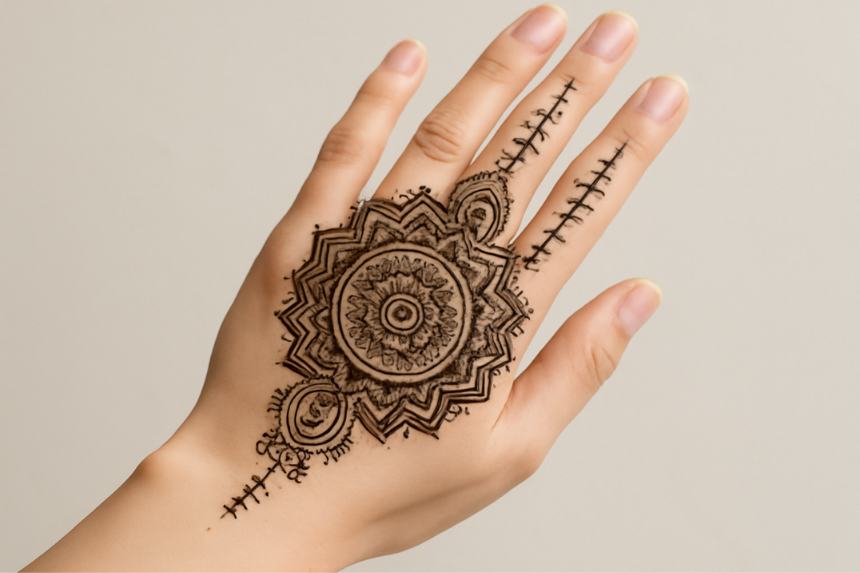
- Mandala Patterns: Represent wholeness, balance, and unity.
- Paisleys: Denote fertility, abundance, and prosperity.
Spiritual and Emotional Significance
In many cultures, henna is seen as a blessing. Brides wear henna to symbolize fertility and happiness in marriage. In spiritual traditions, henna is believed to protect against evil spirits and negative energy. For others, it serves as a form of self-expression and mindfulness, a way to embrace art and inner peace.
Traditional Henna Tattoo Practices
Indian Weddings
In Indian weddings, henna plays a central role. The bride’s hands and feet are covered in elaborate patterns during the mehndi ceremony. These designs often include the groom’s initials hidden within the patterns, symbolizing love and union. It’s said that the darker the henna stain, the stronger the love between the couple.
Middle Eastern Rituals
In Middle Eastern cultures, henna is traditionally applied during joyful occasions like childbirth, Eid celebrations, and engagements. The designs are usually bold, with floral and leafy motifs adorning the palms.
North African Traditions
Moroccan henna stands out for its geometric and symbolic designs. Unlike the delicate Indian style, Moroccan henna often features triangular patterns, diamonds, and dots, each carrying protective and spiritual meanings.
Modern Henna Tattoo Trends
Minimalist Henna
Today, henna tattoos have adapted to modern aesthetics. Minimalist designs—such as small mandalas, delicate wristbands, or single-line motifs—appeal to younger generations who prefer subtlety.
White Henna Tattoos
Although not made from real henna, “white henna” has gained popularity for fashion and festivals. These designs use adhesive or body paint to mimic henna’s intricate patterns in a striking white finish.
Festival and Bohemian Designs
At music festivals and bohemian-inspired gatherings, henna tattoos are a staple. Artists experiment with metallic colors, glitter, and body placement beyond traditional hands and feet, such as shoulders, backs, and collarbones.
Henna Tattoo Process Explained
Preparation of Henna Paste
Authentic henna paste is made by mixing henna powder with natural liquids like lemon juice, tea, or essential oils. The mixture is left to rest for several hours to release its dye.
Application Techniques
The paste is applied using cones, brushes, or sticks. Once applied, the paste needs to stay on the skin for several hours to achieve a rich color. The longer it stays, the darker the stain.
Aftercare and Longevity
After the paste flakes off, the stain appears orange and gradually darkens to a deep reddish-brown over the next 48 hours. With proper care—avoiding excessive water exposure and using natural oils—the design can last up to two weeks.